
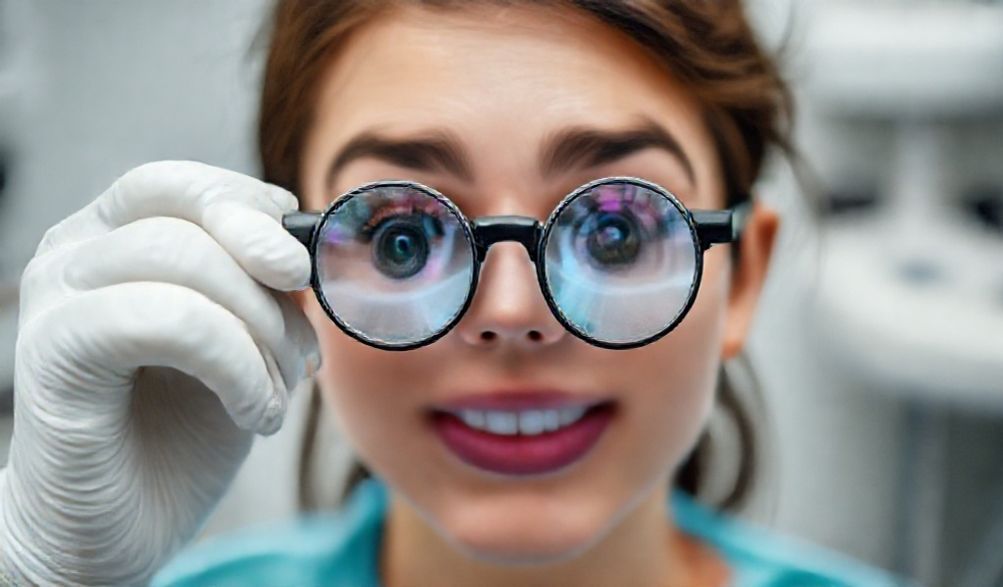
Dental Eye Loupes: A Complete Guide to Enhanced Vision, Precision, and Ergonomics
Do you find yourself leaning in, squinting, and straining to see the intricate details of a preparation margin? Does your neck ache after a long day of clinical work, and do you feel a persistent sense of eye fatigue? If so, you’re experiencing the universal challenge of dentistry: performing micro-precise procedures in a confined, shadow-filled space—the human oral cavity.
For decades, the dentist’s primary tools were skill, touch, and natural vision. Today, a technological revolution has made a critical piece of equipment non-negotiable for the modern practitioner: dental eye loupes. Far more than just magnifying glasses, loupes are a sophisticated optical system that represents a profound investment in your clinical capabilities, your long-term physical health, and the quality of care you provide.
This comprehensive guide moves beyond a simple product review. We will explore стоматологическими лупами as a cornerstone of contemporary practice, breaking down the science, the options, and the selection process. Built on a foundation of expert industry knowledge and evidence-based principles, this resource is designed to empower you to make an informed decision that will benefit your career for years to come.
What Are Dental Eye Loupes and Why Are They Essential?
Dental eye loupes are binocular magnification systems worn like glasses. They use a combination of lenses (and sometimes prisms) to enlarge the operative field, bringing fine details into clear focus. But their value extends far beyond simply making things look bigger.
Beyond Simple Magnification: The Core Benefits
The adoption of loupes delivers a cascade of interconnected benefits:
- Enhanced Visual Acuity for Accurate Diagnosis: Cracks, caries, calculus, and subtle color variations become unmistakably clear. This allows for earlier intervention, more accurate caries removal (minimizing healthy tooth structure loss), and better assessment of marginal integrity. What was once a “maybe” becomes a definitive “yes” or “no.”
- Improved Ergonomics: Reducing Neck and Back Strain: The single greatest benefit for long-term practitioner health. Without loupes, dentists instinctively flex their necks forward—often 20-40 degrees—to get closer to their work. Loupes, with their defined рабочее расстояние, force you to sit upright and bring the magnified image to you. This neutral, upright posture can reduce neck and back strain by up to 60-70%, as shown in ergonomic studies.
- Increased Precision in Procedures: Whether placing a Class II composite, locating a calcified canal, or performing a minimally invasive surgical extraction, precision is paramount. Loupes transform your view, allowing for smoother margins, tighter contacts, and more controlled movements. This directly translates to higher-quality, longer-lasting restorations and more predictable outcomes.
- Reduced Eye Fatigue and Long-Term Practitioner Health: Squinting and focusing at a fixed, close distance for hours leads to accommodative fatigue. Loupes reduce the focusing demand on your eyes, allowing your ciliary muscles to relax. This reduces headaches, dry eyes, and general visual exhaustion, helping you stay sharp through your last appointment of the day.
The Evidence: What Studies Say About Loupes in Dentistry
This isn’t just anecdotal. Research supports the transformative impact of loupes. Studies published in journals like the Journal of Dental Education и Applied Ergonomics have demonstrated significant improvements in dental students’ and practitioners’ postures when using magnification. Furthermore, clinical studies have noted a reduction in procedural errors and an improvement in the quality of preparations. It’s no surprise that most dental schools in North America now require or strongly encourage loupe use from the first year of clinical training, cementing their status as a standard of care.
Key Types of Dental Loupes: Finding Your Fit
Not all loupes are created equal. Understanding the two primary classifications is your first step toward choosing the right system.
Галилеевы vs. Призматические (Кеплеровы) лупы
This distinction refers to the internal optical system.
- Galilean Loupes: Use a simple lens system (a convex objective lens and a concave eyepiece lens). They are generally легче, компактнее и дешевле. However, they offer a more limited глубина резкости and typically max out at lower magnification powers (around 3.5x) before becoming too bulky. They are an excellent, lower-cost entry point.
- Prismatic (Keplerian) Loupes: Use a more complex system of prisms to fold the light path. This allows for higher magnification powers (4.5x and above) with a superior depth of field and a wider, flatter field of view. The trade-off is that they are heavier, larger, and more expensive than Galilean systems. They are the choice for specialists like endodontists and periodontists who require extreme detail.
Through-The-Lens (TTL) vs. Flip-Up Loupes
This refers to how the optics are mounted.
- Through-The-Lens (TTL) Loupes: The magnification lenses are permanently mounted and aligned within the carrier lens. They are custom-made based on your precise pupillary distance and рабочее расстояние. Benefits include being lighter (no heavy hinge mechanism), always being perfectly aligned, and offering a more streamlined look. The fitting process is critical.
- Лупы откидного типа (Flip-Up): The magnification optics are housed in a separate unit that flips up and down on a hinge attached to your glasses. The key advantage is adjustability and shareability. You can flip them up to talk to a patient or consult a screen without removing your glasses. They can also be transferred between different frames. They can feel front-heavy and may require occasional re-alignment.
Critical Features to Consider When Buying Loupes
Once you understand the types, you must dial in the specifications that match your practice.
Magnification Power (2.5x, 3.5x, 4.5x, etc.)
More power isn’t always better. It’s a balance.
* 2.5x: Ideal for dental hygienists and general dentists new to loupes. Offers a great introduction with a large field of view and generous depth of field.
* 3.5x: The sweet spot for many general dentists. Provides significant detail for restorative work, crown preps, and basic endo while maintaining a manageable field.
* 4.5x and above: Typically used by specialists (endodontists, periodontists, oral surgeons) for microsurgery and ultra-high-precision work. Requires a very steady hand and often a headlight, as the field of view is small.
Working Distance and Field of View
- Working Distance: This is the critical measurement from your eye to your patient’s mouth when you are in a comfortable, upright posture. It is unique to you. Vendors measure this during a fitting. An incorrect distance will force you back into poor posture.
- Field of View: The diameter of the area you see through the loupes. As magnification increases, the field of view decreases. A 2.5x loupe might show you two adjacent molars, while a 6x loupe might only show you a single canal orifice.
Depth of Field and Optical Quality
Depth of field is the range within which objects appear in sharp focus without you having to move your head. A large depth of field is invaluable as you move your handpieces and instruments in and out of the mouth. High-quality, multi-coated lenses provide better light transmission, reduced glare, and sharper edge-to-edge clarity, reducing eye strain.
Weight, Comfort, and Frame Design
You will wear these for hours. Weight distribution is key. Well-designed loupes balance weight over your ears and nose. Consider frame material (lightweight titanium is popular), nose pad adjustability, and temple length. If you wear prescription glasses, discuss integration options—either with prescription inserts behind the loupe optics or by having your prescription ground into custom TTL lenses.
Integrating Lighting: Why Loupes Alone Aren’t Enough
Magnification without proper light is like a high-resolution camera in a dark room. Shadows cast by your head and hands obscure the very details you’re trying to see.
The Critical Role of Coaxial Illumination
A coaxial LED headlight is the essential companion to your loupes. “Coaxial” means the light source is aligned with your line of sight, virtually eliminating shadows. It delivers bright, focused, white light directly into the depths of the oral cavity, revealing texture, color, and morphology that overhead lights simply cannot.
LED Headlight Systems: Features to Look For
- Brightness: Measured in lumens. 30,000 to 60,000 lux at the working distance is a common clinical range.
- Color Temperature: Around 5500K (daylight white) is ideal, as it provides true color rendition for accurate shade matching and tissue assessment.
- Battery Life & Comfort: Look for lightweight battery packs (often worn on a waist belt) that can last a full clinical day. The light source itself should be small and not add significant weight to your frame.
The Investment: Cost, ROI, and Maintenance
Understanding the Price Range
A quality loupe system can range from $800 to over $3,500. This variance is driven by:
* Optical System: Prismatic are more expensive than Galilean.
* Magnification: Higher power typically costs more.
* Кастомизация: TTL and prescription integration add cost.
* Brand & Materials: Premium materials (like German optics, titanium frames) command higher prices.
It’s vital to reframe this from an expense to a career-long investment. The ROI is measured in reduced physical pain, fewer repetitive strain injuries, extended career longevity, improved clinical outcomes (which can reduce remakes and increase case acceptance), and greater daily comfort.
Caring for Your Loupes: A Simple Maintenance Routine
These are precision optical instruments. Treat them as such.
* Clean: Используйте только специальные микрофибровые салфетки и спрей для линз. Никогда не используйте бумажные полотенца, одежду или агрессивные химикаты.
* Store: Всегда убирайте их в жесткий защитный футляр, когда не используете.
* Handle: Hold them by the frame, not the lenses or the flip-up hinge.
A Step-by-Step Guide to Selecting Your First (or Next) Pair
- Step 1: Self-Assessment of Your Clinical Needs. Are you a hygienist focusing on detection? A general dentist doing a bit of everything? A specialist requiring extreme detail? This dictates your starting point for magnification and lighting needs.
- Step 2: Research and Shortlist Reputable Brands/Vendors. Look for companies with strong reputations for quality, service, and good warranty policies. Read reviews and ask colleagues for recommendations.
- Step 3: The Importance of a Professional In-Person Consultation & Trial. This is обязательна. A proper fitting by a trained representative to measure your working distance, PD, and declination angle is crucial. Insist on trying different models and magnifications. Wear them for more than 30 seconds; simulate a working position.
- Step 4: Allowing for an Adjustment Period. Once purchased, commit to a 2-4 week adaptation period. Start with exams and simple procedures. Your brain needs to re-learn hand-eye coordination in a magnified field. The postural change may also feel strange at first. Persistence is key.
Часто задаваемые вопросы (ЧЗВ)
Q: Are dental loupes really worth the cost?
О: Absolutely. When viewed as an investment in your health and clinical excellence, the value is undeniable. They protect your musculoskeletal system from career-ending strain, enhance the precision and quality of your work, and reduce daily fatigue. The long-term return far outweighs the initial outlay.
В: Какое увеличение лучше всего подходит для врача-стоматолога общей практики?
О: Most general dentists find a starting point of увеличение от 2,5x до 3,5x Для идеального результата. Увеличение 2,5x обеспечивает более легкий переход благодаря большему полю обзора, тогда как 3,5x дает больше детализации для сложной реставрационной работы. Часто рекомендуется начинать с 2,5x и при необходимости переходить на большее увеличение в дальнейшем.
В: Можно ли установить корректирующие линзы в стоматологические лупы?
О: Да, это стандартная и настоятельно рекомендуемая опция. Большинство высококачественных систем могут быть индивидуализированы. Для TTL-луп ваш рецепт может быть встроен непосредственно в оптический путь. Для моделей flip-up корректирующие вставки могут быть размещены позади оптики лупы. Вам потребуется актуальный, точный рецепт от вашего офтальмолога.
В: Сколько времени требуется, чтобы привыкнуть к работе с бинокулярами?
О: Большинству специалистов требуется период адаптации от 2 до 4 недель. Сложности включают необходимость учиться удерживать рабочую область в центре уменьшенного поля обзора и привыкать к новой, выпрямленной позе. Начните с некритичных задач, таких как осмотр полости рта и наддесневое удаление зубного камня, чтобы выработать мышечную память.
В: Нужен ли отдельный источник света?
О: Это настоятельно рекомендуется. Хотя потолочные операционные лампы полезны, специальная коаксиальная LED-лампа на голове меняет подход кардинально. Она обеспечивает бестеневое, интенсивное освещение именно в зоне вашего взгляда, что крайне важно для полного раскрытия диагностических и процедурных преимуществ увеличения.
Заключение
Стоматологические лупы — это не просто инструмент; это смена парадигмы в практике. Они преодолевают разрыв между человеческими ограничениями и клиническими требованиями, позволяя вам видеть больше, работать лучше и дольше сохранять работоспособность в физически demanding профессии. Выбор требует тщательного рассмотрения типа оптики, увеличения, посадки и обязательной интеграции освещения.
Наш последний и самый важный эксптный совет таков: вы должны примерить их. Профессиональная подгонка — это не маркетинговый ход, а необходимый шаг для полной реализации эргономических и оптических преимуществ. Ваша осанка и ваши глаза уникальны; ваши лупы тоже должны быть уникальными.
Мы призываем вас сделать следующий шаг в вашем профессиональном развитии. Поделитесь своими вопросами или опытом использования луп в комментариях ниже или, что еще лучше, проконсультируйтесь с авторитетным специалистом по стоматологическому оборудованию для индивидуальной демонстрации. И как только вы освоите лупы, вы, возможно, начнете задумываться о следующей грани точности: стоматологическом операционном микроскопе.
p>