
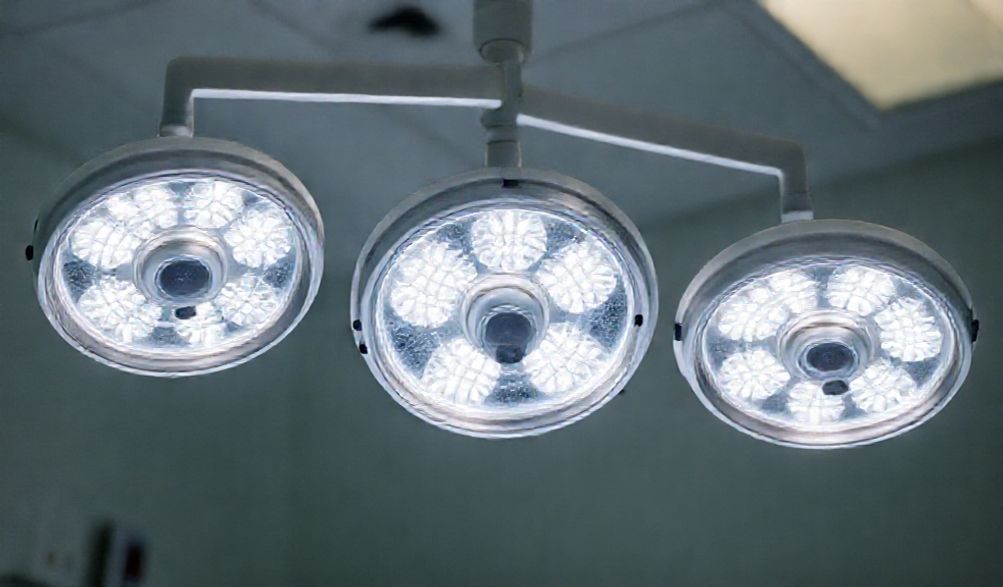
Your Complete Guide to Buying Surgical Lights for Sale: Features, Types, and Key Considerations
In the high-stakes environment of an operating room, few factors are as fundamentally critical—and yet as potentially overlooked during procurement—as illumination. The quality of light falling on the surgical field directly influences a surgeon’s ability to discern subtle tissue variations, identify critical structures, and perform with precision. It impacts the speed of procedures, reduces team fatigue, and is a cornerstone of patient safety. Choosing the right surgical lighting system is not merely an equipment purchase; it is a strategic investment in clinical outcomes, operational efficiency, and the long-term capability of your surgical suite.
This guide is designed to cut through the marketing jargon and provide a clear, detaiLED framework for evaluating surgical lights for sale. Compiled from industry specifications, procurement best practices, and an understanding of clinical needs, our aim is to empower hospital administrators, OR managers, and procurement specialists with objective knowledge. Your goals—securing value, ensuring compliance, and guaranteeing peak performance—are at the forefront. We will delve into the core technologies, compare the main types of lights, break down critical specifications, and navigate the often-overlooked aspects of the procurement process to help you make a supremely informed decision.
Understanding Surgical Lighting Technology: Core Principles
Before comparing models and prices, it’s essential to understand what makes a surgical light exceptional. Modern lights are engineered to solve specific challenges inherent to surgery: eliminating shadows, providing true color, and delivering consistent, cool illumination.
The Importance of Shadow Reduction and Homogeneity
The enemy of surgical precision is shadow. A surgeon leaning over the field must not cast a shadow that obscures the site. This is achieved through sophisticated optical design.
- Multi-Point Source vs. Single-Point Source: Modern surgical lights use a multi-point source design, where dozens to hundreds of individual LED elements are arranged in a ring or pattern. When aligned, these multiple points of light converge on the surgical field from slightly different angles. If an object (like a surgeon’s head or hand) obstructs some beams, the others fill in, dramatically reducing perceptible shadows. Older single-bulb designs cannot achieve this.
- Depth of Field and Light Field Diameter: Depth of field refers to the vertical distance over which the light remains in focus and intense. A large depth of field (e.g., 15-30 cm) is crucial, as it maintains optimal illumination even as instruments and hands move in and out of the plane of focus. The light field diameter is the adjustable size of the illuminated area. The ability to widen the field for larger incisions or focus it to a small, intense spot for deep-cavity work is a key performance feature.
Color Temperature and Color Rendering Index (CRI)
Accurate color perception is non-negotiable for differentiating between arterial blood, venous blood, fatty tissue, and organ parenchyma.
- Color Temperature: Measured in Kelvin (K), this describes the “warmth” or “coolness” of white light. Surgical lights typically operate in the 4000K to 4500K range, producing a neutral, daylight-like white that minimizes eye strain and provides a natural view of tissues.
- Индекс цветопередачи (CRI): This is arguably more important than color temperature. CRI measures a light source’s ability to reveal the true colors of objects compared to natural light. A индексе цветопередачи (CRI) 90 или выше is the standard for surgical applications. A high CRI ensures that the subtle differences between tissue types, which can be critical for diagnosis and dissection, are visible and accurate.
LED Technology: The Modern Standard
Halogen and fluorescent surgical lights are obsolete. Light Emitting Diode (LED) technology is the universal standard, and for compelling reasons:
- Cool Light: LEDs produce minimal infrared radiation, meaning almost all their energy is converted to visible light with very little heat. This protects delicate tissues from thermal damage and keeps the surgical team more comfortable.
- Long Lifespan & Reliability: LED modules often boast lifespans of 50 000 до 100 000 часов, translating to over a decade of typical OR use. This drastically reduces the frequency and cost of bulb replacements.
- Энергоэффективность: LEDs consume significantly less power than older technologies, leading to substantial savings on electricity and reducing the facility’s environmental footprint.
- Heat Management: Despite their efficiency, the concentrated electronics do generate some heat. High-quality lights incorporate advanced passive or active cooling systems (like heat sinks or quiet fans) to manage this, ensuring long-term diode stability and performance.
Key Types of Surgical Lights for Sale
Surgical lighting needs vary by specialty and procedure. Understanding the primary categories will help you match the equipment to your clinical requirements.
Ceiling-Mounted Surgical Lights
The workhorse of the main operating room, these systems offer powerful, hands-free illumination.
- Overview: Permanently mounted to the OR ceiling, they provide sterile, adjustable light from above.
- Sub-types:
- Single-Arm: A single, articulated arm. Cost-effective and space-saving, but with a more limited range of motion.
- Double-Arm: The most common configuration. Features two parallel arms (symmetrical) or a primary and secondary arm (asymmetrical), offering exceptional positioning flexibility and reach.
- Multi-Arm Clusters: Two or more light heads mounted on a central column. Ideal for complex procedures (like trauma or cardiac) requiring illumination from multiple angles, or for large ORs where lights need to service multiple tables.
- Идеально для: Major operating rooms for general surgery, orthopedics, neurosurgery, and cardiovascular procedures.
Surgical Headlights and Loupe Lights
When overhead light isn’t enough, surgeons turn to personal illumination systems.
- Overview: These are lightweight, portable systems worn on the head, often integrated with surgical loupes (magnification glasses).
- Ключевые особенности: Look for adjustable brightness levels, a homogeneous light pattern, and long battery life with quick-charge capabilities. Compatibility with specific loupe frames is essential.
- Идеально для: Providing shadow-free, coaxial light (light aligned with the surgeon’s line of sight) in dental, ENT, plastic, reconstructive, and vascular surgery. They are also invaluable as a supplemental light source in any specialty when working in deep cavities.
Specialized and Hybrid Lighting Systems
Certain procedures demand tailored lighting solutions.
- Overview: This category includes lights engineered for specific clinical tasks or environments.
- Examples:
- Endoscopy Light Sources: High-intensity generators that power light cables for scopes, requiring specific color temperatures and intense output.
- Examination Lights: For minor procedure rooms, emergency departments, or ICU bays. They are less powerful than major OR lights but offer excellent maneuverability and color quality.
- Dual-Mode Lights: A hybrid light that can switch between a focused, high-intensity “procedure” mode and a wider, softer “examination” mode, offering versatility for multi-purpose rooms.
Critical Features and Specifications to Compare
With the basics understood, you can now dissect product spec sheets. Focus on these concrete metrics and features.
Performance Metrics You Can’t Ignore
These numbers define the light’s core capability.
- Lux/Lumen Output: Illuminance (lux) measures light intensity on a surface. Look for specifications like “Over 160,000 lux at 1 meter.” This indicates exceptional brightness that can be dimmed as needed. Ensure the measurement is provided at a standard distance.
- Depth of Field: As defined earlier, a larger number (e.g., 25 cm) is better, indicating the light stays in focus over a greater working distance.
- Light Field Diameter: The adjustable range of the light spot, typically from a focused 10-12 cm to a wide 25-30 cm or more. Verify the intensity remains homogeneous across the entire adjustable range.
Ergonomic and Usability Features
A light that performs brilliantly in specs but is frustrating to use will be rejected by staff.
- Sterilization & Controls: Handles and control panels must be designed for easy and thorough cleaning. Touchless control (via sterile handles, voice activation, or foot pedals) is a premium feature that enhances aseptic technique.
- Maneuverability: The light should move smoothly and effortlessly, staying precisely where positioned. Assess the braking system—it should hold the light head securely in place without drift. The “reach” of the arms determines how far from the ceiling mount the light can travel.
- Integration Capabilities: For modern hybrid ORs, the ability to integrate a 4K or HD camera directly into the light head is crucial. Check for standard video outputs (HDMI, SDI) and compatibility with your existing recording or streaming infrastructure.
Safety and Maintenance Specifications
Reliability is paramount in life-critical equipment.
- Backup Systems: Redundancy is key. Look for lights with multiple, independent LED banks. If one bank fails, others automatically illuminate to maintain a safe light level. Battery backup for power failure is also a critical feature.
- Ремонтопригодность: A modular design allows for quick replacement of handles, control panels, or individual LED modules without replacing the entire head. This reduces downtime and long-term costs.
- FMEA Ratings: Some manufacturers provide a Failure Mode and Effects Analysis rating. A high FMEA score indicates the product has been rigorously designed for maximum reliability and minimal risk of failure.
The Procurement Process: Beyond the Price Tag
The lowest purchase price can be the most expensive choice in the long run. A strategic procurement process looks at the bigger picture.
Navigating Regulatory Compliance and Standards
Compliance is not optional. It is the baseline for patient and staff safety.
- Essential Certifications: In the USA, surgical lights must have разрешение FDA 510(k). In the European Union and many other markets, the маркировка CE is required. The manufacturer should ideally be certified to ISO 13485., the international standard for quality management systems in medical devices.
- Safety & Performance Standards: The equipment must comply with IEC 60601-1, the general standard for the safety of medical electrical equipment, and its particular standards (like IEC 60601-2-41 for surgical lights). These standards cover electrical safety, mechanical safety, and radiation hazards.
Evaluating Total Cost of Ownership (TCO)
Smart buyers analyze costs over the asset’s entire lifecycle.
- Initial Purchase: The invoice price.
- Установка: Costs for ceiling reinforcement, electrical work, and assembly.
- Operating Costs: Energy consumption (LEDs will save here).
- Maintenance Costs: Costs of scheduled preventive maintenance contracts, replacement parts (filters, handles), and the labor for repairs. What is the expected cost and frequency of LED module replacement?
- Гарантия: A comprehensive, long warranty reduces future TCO. Compare what is included (parts, labor, travel for service techs).
Vendor Selection and Post-Sale Support
The manufacturer or distributor is your partner for the next decade.
- Clinical Evaluation: Always insist on a trial period. Install the light in a live or simulated OR environment. Have surgeons and nurses use it. Their feedback on glare, color, handling, and heat is invaluable.
- Key Support Questions:
- Каково время реагирования и зона покрытия вашей сервисной сети?
- Какое обучение вы предоставляете для нашего клинического и биомедицинского персонала?
- Каков точный объем и срок гарантии? Она полная или пропорциональная?
- Каков гарантированный период доступности запчастей после снятия модели с производства?
Часто задаваемые вопросы (ЧЗВ) о покупке хирургических светильников
В1: Каков типичный срок службы современного светодиодного хирургического светильника и что включает его обслуживание?
О: Высококачественные светодиодные хирургические светильники рассчитаны на срок службы 50 000 до 100 000 часов. При обычном использовании в операционной это может означать 10-20 лет до значительного снижения светового потока. Регламентное техническое обслуживание в основном включает ежедневную очистку ручек и поверхностей в соответствии с инструкциями производителя по инфекционному контролю. Периодическое профессиональное обслуживание (часто ежегодное) биомедицинским техником должно включать проверку механических штанг на плавность хода и баланс, проверку электробезопасности, а также очистку внутренних фильтров или систем охлаждения.
В2: Можно ли интегрировать новые хирургические светильники с существующей инфраструктурой операционной или видеосистемами?
О: Многие современные светильники разработаны с учетом интеграции и оснащены встроенными портами для камер и стандартными видеовыходами (такими как 3G-SDI или HDMI). Однако совместимость не является универсальной. Крайне важно привлечь ваши команды IT/AV и биомедицинских инженеров на раннем этапе процесса выбора. Предоставьте им технические спецификации от поставщика светильников, чтобы обеспечить бесшовную интеграцию с вашими существующими видеорегистраторами, мониторами и сетью.
В3: Насколько важна гарантия и что должна охватывать комплексная гарантия?
О: Гарантия является ключевым показателем уверенности производителя в своем продукте. Надежная гарантия часто от 3 до 5 лет на всю систему. Комплексная гарантия должна покрывать запчасти, работу и светодиодные модули полностью, без пропорционального расчета в течение срока действия. Внимательно изучите, что исключено (например, повреждения из-за неправильного использования, декоративные элементы) и процедуру вызова сервиса.
В4: Являются ли восстановленные или бывшие в употреблении хирургические светильники жизнеспособным вариантом?
О: Восстановленные светильники могут обеспечить значительную экономию средств для помещений с менее интенсивными требованиями, учебных лабораторий или малых процедурных кабинетов. Однако они несут в себе внутренние риски. Если вы рассматриваете этот путь, убедитесь, что устройство:
1. Полностью пересертифицировано авторитетной компанией на соответствие всем действующим стандартам безопасности и производительности IEC 60601.
2. Укомплектовано новыми светодиодными модулями и критически важными изнашиваемыми деталями.
3. Продается с четкой историей обслуживания и надежной гарантией от продавца (не менее 1-2 лет).
Для критически важных, основных операционных светильников, где надежность и новейшие технологии имеют первостепенное значение, покупка новых у авторизованного поставщика почти всегда является рекомендуемым курсом действий.
Заключение
Выбор правильной системы хирургического освещения — это многогранное решение, которое влияет на каждую процедуру, выполняемую под ним. Оно балансирует между передовой наукой о бестеневом, цветоточном освещении и практическими реалиями эргономики, инфраструктуры учреждения и долгосрочного бюджетного планирования. Оптимальный выбор — это не просто самый яркий или самый дешевый светильник, а тот, который обеспечивает неизменно высокую производительность, улучшает рабочий процесс хирургической команды и поддерживается надежной, оперативной сервисной поддержкой.
Продвигаясь вперед, помните, что самыми ценными оценщиками являются конечные пользователи. Тесно консультируйтесь с вашими хирургами, операционными медсестрами и биомедицинским отделом. Создайте детальный контрольный список спецификаций на основе функций, описанных в этом руководстве. Пригласите поставщиков из короткого списка для углубленных демонстраций и настаивайте на клинических оценках. Делая приоритетом общую ценность и клиническое партнерство, а не первоначальную цену, вы сделаете инвестицию, которая осветит путь к лучшим результатам на долгие годы вперед.
p>