
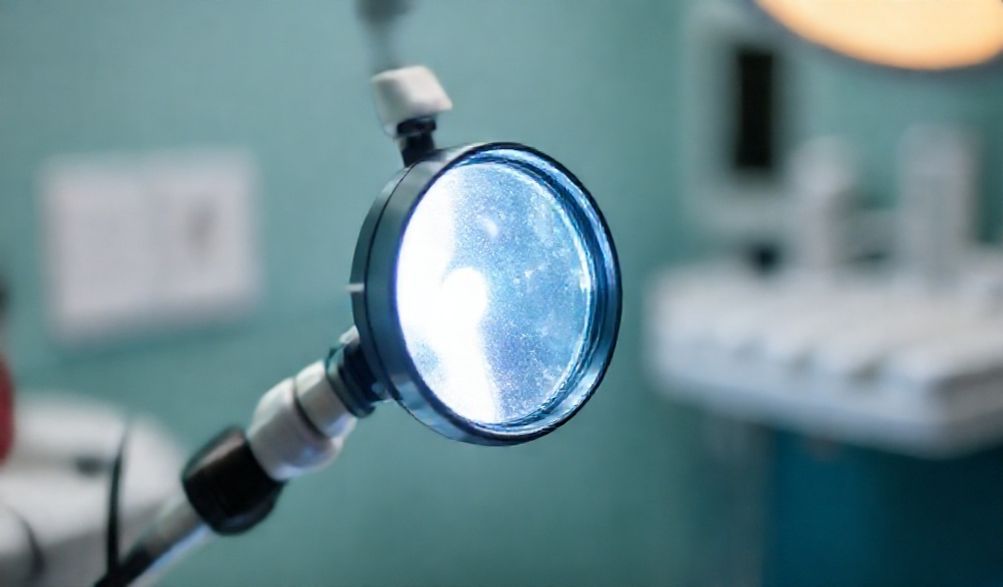
Dental Magnifying Glasses with Light: A Complete Guide for Enhanced Precision & Patient Care
In the world of modern dentistry, success is measured in microns. The margin of a perfect crown, the endpoint of a meticulous root canal, the detection of a hairline crack—all hinge on a clinician’s ability to see the unseen. Yet, for all our advanced technology, one foundational element is often overlooked: the innate limitation of human vision. Straining to discern fine details in a poorly lit oral cavity is not just a challenge; it’s a direct source of eye fatigue, compromised posture, and ultimately, clinical error.
The daily reality for many dentists involves battling eye strain, contorting to illuminate a deep operative field, and fighting the physical fatigue that sets in during long, detail-oriented procedures. This cumulative strain isn’t just uncomfortable; it threatens the quality of care and the longevity of a practitioner’s career.
Enter the indispensable solution: dental magnifying glasses with integrated light. More than just a tool, these systems—commonly called стоматологическими лупами—are a paradigm shift. They merge magnification with shadow-free illumination, transforming the operative field and empowering clinicians to work with unprecedented accuracy and comfort.
This guide is designed to be your comprehensive, evidence-based resource. Drawing from ergonomic research, clinical best practices, and industry standards, we will demystify dental loupes. Our goal is to equip you with the knowledge to understand their critical benefits, navigate the selection process with confidence, and implement them effectively in your practice. By the end, you’ll know exactly how to choose the right system to enhance your precision, protect your health, and elevate the standard of care you provide.
Why Precision is Paramount in Modern Dentistry
The human eye, while remarkable, has inherent limitations in a clinical setting. At a typical working distance of 14-18 inches, the naked eye simply cannot resolve the minute details that define contemporary dental procedures. Critical tasks—such as identifying the exact boundary of a carious lesion, ensuring the seamless adaptation of a composite restoration, or locating a calcified canal—exist on a scale beyond unaided visual acuity.
This lack of precision has direct clinical consequences. Suboptimal visualization can lead to:
* Over-preparation of tooth structure, weakening the remaining tooth.
* Under-preparation, leading to poor restoration fit and longevity.
* Missed pathology, like early recurrent decay or microfractures.
* Incomplete removal of calculus or endodontic debris.
Furthermore, the act of straining to see forces the clinician into a compromised ergonomic position—head forward, shoulders hunched, spine curved. This posture is the primary culprit behind the epidemic of musculoskeletal disorders (MSDs) in dentistry, including chronic neck, back, and shoulder pain. Precision, therefore, is not solely about clinical excellence; it is intrinsically linked to the physical sustainability of the practitioner. Magnification is no longer an optional luxury; it is a fundamental ergonomic and clinical imperative.
Key Benefits of Using Dental Loupes with Light
Investing in a quality loupe system yields a powerful return across multiple facets of your practice and well-being.
Unmatched Visual Acuity & Accuracy
Magnification brings the operative field into crystal-clear focus. Suddenly, the subtle gray shadow of a caries-affected dentin, the minute flash of a subgingival margin, or the texture of a prepared tooth surface becomes vividly apparent. This allows for more conservative, biologically respectful tooth preparations, flawless margin adaptation, and a level of technical execution that significantly improves the long-term prognosis of your work. It turns guesswork into certainty.
Reduced Eye Strain and Physical Fatigue
Squinting and constantly refocusing to see fine details is neurologically and physically exhausting. A loupe system eliminates this. The lenses bring the focus to a fixed, optimal plane, while the integrated, coaxial light (shining along the same axis as your vision) banishes shadows. This combination dramatically reduces the cognitive load on your visual system. The result? You can maintain intense focus for longer periods without the debilitating headaches and eye fatigue that often accompany a full clinical day.
Enhanced Diagnostic Capabilities
Loupes transform you into a better diagnostician. You can detect incipient lesions long before they become radiographically visible, identify craze lines that might indicate a crack, and ensure the complete removal of etiologic factors like calculus or biofilm. This proactive diagnostic capability shifts your practice model toward true preventive care, allowing you to intervene earlier and more effectively, which builds immense patient trust.
Improved Practitioner Posture & Career Longevity
Perhaps the most significant benefit is ergonomic. Properly fitted loupes are calibrated to your specific working distance and declination angle. To see clearly through them, you должна sit upright with your spine in a neutral, supported position and your arms comfortably at your sides. This enforced posture is a powerful defense against the hunched, “dental contortionist” stance. By protecting your neck, back, and shoulders, loupes are a direct investment in your career longevity, helping to prevent the chronic pain that forces many clinicians into early retirement.
How to Choose the Right Dental Magnifying Glasses: A Buyer’s Guide
Selecting a loupe system is a personal and professional decision. Here are the key factors to consider.
Understanding Magnification Power (2.0x to 8.0x+)
Magnification is not “one-size-fits-all.” It’s a spectrum:
* 2.0x – 3.5x (Low to Standard): Ideal for general dentists new to loupes. Offers a broad field of view and is excellent for routine restorative, prosthetic, and periodontal procedures. A 3.0x magnification is widely considered the best starting point for most clinicians.
* 4.0x – 6.0x (High): Used for more specialized work like endodontics, periodontics, and intricate fixed prosthodontics. Requires a steadier hand and adaptation to a smaller field of view.
* 6.0x+ (Ultra-High/Surgical): Typically the domain of micro-dentistry, endodontic surgery, and implantology. Often used in tandem with or as a step toward a dental operating microscope.
Field of View and Depth of Field
- Field of View (FOV): The width of the area you can see through the lenses. As magnification increases, the FOV decreases. You’ll need to move your head more to see different areas of the mouth.
- Depth of Field (DOF): The range of distance that remains in clear focus. Higher magnification has a shallower DOF, meaning you must keep your head extremely steady at the exact working distance.
The Critical Importance of a Professional Fit
Это невозможно переоценить: loupes are not an off-the-shelf purchase. An improper fit will cause neck strain, headaches, and negate the ergonomic benefits. A professional fitting ensures:
* Working Distance: The precise distance from your eyes to the patient’s mouth.
* Declination Angle: The angle of the loupes relative to your face, which dictates your head posture.
* Межзрачкового расстояния (МЗР): The distance between your pupils.
Always choose a supplier that offers a certified fitting process, either in-person or via a precise remote fitting kit. This is the cornerstone of safety, comfort, and efficacy.
Light Source Options: LED Quality Matters
The light is half the system. Key considerations:
* Color Temperature: Aim for 5000K-6000K (daylight white). This provides the most accurate color rendition of oral tissues, composites, and tooth structure.
* Brightness & Battery: Measured in lumens. A good system offers adjustable brightness. Look for long-lasting, rechargeable lithium-ion batteries with a quick-charge capability to last through your longest days.
* Form Factor: Lights can be mounted directly on the loupe frame or on a separate headband. Frame-mounted lights are more integrated, while headband lights can be more powerful and have less weight on the nose.
Top Features to Compare When Evaluating Models
Beyond the core specs, pay attention to these details that affect daily use.
Lens Quality and Coating
Premium glass or high-definition acrylic lenses offer superior clarity. Essential coatings include:
* Anti-Reflective: Reduces glare from operatory lights.
* Anti-Fog: Crucial for maintaining visibility.
* Scratch-Resistant: Protects your investment.
Frame Design, Weight, and Comfort
- Materials: Titanium is lightweight and durable. Composite materials can also offer a good balance of comfort and strength.
- Конструкция: Through-the-Lens (TTL) loupes are custom-made, lighter, and always aligned. Flip-Up loupes offer flexibility if your prescription changes and can be shared, but may be slightly heavier.
- Безопасность: Look for adjustable nose pads and temple arms. The system should feel secure but not oppressive.
Lighting System Specifications
Evaluate the complete lighting package: battery life (and availability of a spare), charger type, number of brightness settings, and the beam pattern (a focused spot vs. a wider flood).
Durability, Warranty, and Service Support
You are buying a professional tool. A robust warranty (often 3-5 years on frames, 1-2 on lights) is essential. Research the company’s reputation for customer service and repair turnaround time. Can they service the product locally or do they need to be shipped out?
Integrating Loupes into Your Daily Practice: Tips for Success
The Adjustment Period
Be patient. It takes 1–2 недель to adapt. You may experience mild dizziness or a sense of spatial disorientation as your brain learns to process the magnified, fixed-focus view. Start by using them for shorter, less complex procedures and gradually increase usage. Practice moving your head, not just your eyes, to navigate the field of view.
Daily Use and Maintenance Protocols
- Очистка: Use only lens-specific microfiber cloths and spray. Never use paper towels or clothing.
- Хранение: Всегда убирайте их в жесткий защитный футляр, когда не используете.
- Уход за аккумулятором: Follow charging instructions. Don’t consistently drain the battery to 0%.
- Inspection: Regularly check for loose screws, coating damage, or light flickering.
Combining with Other Technologies
Loupes synergize beautifully with other tech. Use a dental camera to capture the incredible details you now see and share them with patients on a monitor for superior education. For many, high-magnification loupes serve as the perfect stepping stone toward eventually incorporating a dental operating microscope for the most specialized procedures.
Часто задаваемые вопросы (ЧЗВ)
Q: What is a good starting magnification for a general dentist new to loupes?
О: Most professionals and fitters strongly recommend starting with 2.5x или 3.0x magnification. This provides a substantial visual boost for 90% of general dentistry procedures while allowing for an easier adaptation to the reduced field of view. You can always upgrade later.
Q: Can I use my dental loupes for reading or computer work?
О: No. Dental loupes are set for a specific, fixed intermediate working distance (typically 14-18 inches). Objects closer (like a book) or farther away (like a computer screen) will appear completely blurred. They are a task-specific tool.
В: Как часто следует менять стоматологические лупы?
О: Качественные, хорошо обслуживаемые лупы могут служить 5-10 years. Primary reasons for replacement include a significant change in your optical prescription, a desire to change magnification level, or physical damage to the frames or lenses. The lighting system (battery, LED) may require servicing or replacement more frequently.
Q: Are flip-up or through-the-lens (TTL) designs better?
О: It depends on your priorities. лупы с технологией TTL (через линзу) are generally lighter, more balanced, and permanently aligned, offering a “set-it-and-forget-it” experience. However, if your prescription changes, you need new lenses or a new frame. Откидные лупы offer flexibility—easier prescription updates and the potential for multiple users in a practice—but can be slightly heavier and may require occasional re-alignment. A perfect professional fit is critical for both types.
Q: Is the investment in high-quality loupes with light really worth it?
О: Безусловно. Frame this not as an expense, but as one of the most impactful investments you can make in your practice and yourself. The immediate improvement in diagnostic and technical precision elevates your standard of care. Most critically, the ergonomic protection they provide is invaluable, directly combating the physical strain that can lead to career-ending pain. The return in terms of clinical outcomes, professional satisfaction, and career longevity makes a premium loupe system unquestionably worth it.
Заключение
Dental magnifying glasses with integrated light have transcended their status as a specialized tool to become a standard of care Для современного стоматолога, заботящегося о здоровье. Они представляют собой мощный синергетический эффект: технология, которая одновременно повышает точность вашей клинической работы и защищает ваш самый важный актив — ваше физическое благополучие.
При выборе этого важного оборудования уделите приоритетное внимание Опыт (по возможности протестируйте демонстрационные образцы), обратите внимание на Экспертиза (выбирайте проверенных поставщиков с сертифицированными оптиками для подбора), и цените Авторитетность (отдавайте предпочтение брендам, подтверждённым клиническими исследованиями и имеющим сильные профессиональные рекомендации).
Сделайте следующий шаг уверенно. Запланируйте профессиональную консультацию или подбор у надёжного поставщика. Увидеть мир — и ваше рабочее поле — через правильно подобранную, высококачественную луповую систему — это настоящее откровение. Это решающий первый шаг к созданию более точной, комфортной, эффективной и устойчивой стоматологической практики на долгие годы вперёд.
p>