
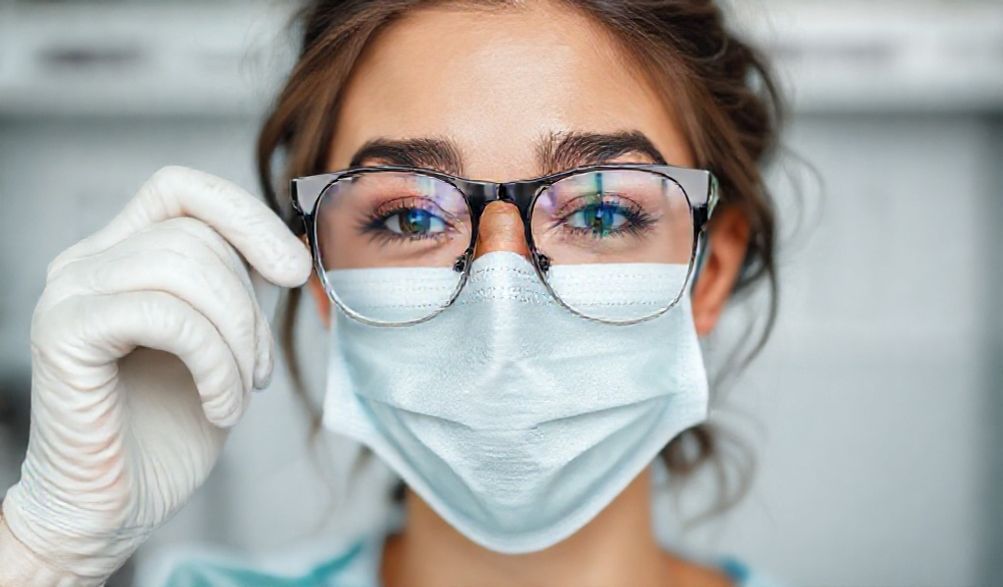
Dental Hygiene Glasses: A Clear Guide to Protecting Your Vision at Work
Picture this: you’re focused on a challenging subgingival deposit, your loupes are perfectly aligned, and you’re in the zone. Suddenly, a sharp fragment of calculus pings off the tooth, a splash of aerosol hits your face, and your vision blurs—not from concentration, but from the spray on your lenses. You blink, lean back, and lose your rhythm. This moment of vulnerability is more than just an inconvenience; it’s a preventable occupational hazard.
In the demanding world of dental hygiene, where precision meets proximity, protecting your eyes is not a matter of optional comfort—it’s a fundamental requirement for health, safety, and professional efficacy. dental hygiene glasses are far more than an accessory; they are critical Personal Protective Equipment (PPE), serving as the essential barrier between a clinician and the myriad risks present in the operatory.
This guide is designed to be your comprehensive, evidence-based resource. Our purpose is to move beyond basic advice and provide the detailed knowledge you need to make informed, safe choices for your most valuable clinical tools: your eyes. We’ll draw upon industry standards, expert recommendations, and practical experience to cover everything from the “why” to the “how,” exploring types, key features, proper fitting, meticulous care, and the standards that govern it all. Consider this your clear path to visual safety and clinical excellence.
Why Dental Hygiene Glasses Are Non-Negotiable PPE
Understanding the profound importance of specialized eyewear begins with recognizing the unique environment of dental hygiene. This isn’t about generic safety; it’s about targeted protection against the specific hazards you face daily. Investing in proper dental hygiene glasses is an investment in your long-term career health and your ability to provide the best patient care.
Protecting Against Occupational Hazards
The dental operatory is a dynamic workspace with several distinct ocular dangers:
- Projectile Debris: During scaling, calculus fragments, old restorative materials, and even tiny enamel chips can become airborne projectiles. Traveling at high speed, these particles can cause corneal abrasions or more serious injury.
- Aerosols, Splatter, and Chemical Sprays: The high-speed handpiece, ultrasonic scaler, and air-water syringe create a cloud of aerosol and splatter. This mist contains not only water but also patient saliva, blood, microorganisms, and potentially harmful chemicals from polishing agents or disinfectants. Direct exposure can lead to irritation, infection, or chemical injury.
- Pathogen Exposure: This is the critical infection control component. Splatter and aerosols are known vectors for bloodborne pathogens (like Hepatitis B and C, and HIV) and other infectious agents. The mucous membranes of the eyes are a direct portal for infection. Proper eyewear with solid side shields acts as a primary physical barrier, a cornerstone of standard precautions.
Enhancing Clinical Precision and Reducing Fatigue
Protection is the primary function, but the benefits of quality dental hygiene glasses extend directly into the quality of your work and your physical well-being.
- Clinical Precision: Clear, undistorted, and magnified vision is paramount for accurate detection of subgingival calculus, early caries, cracked teeth, and subtle tissue changes. It allows for more thorough debridement and better assessment outcomes.
- Ergonomics and Fatigue Reduction: Poor posture—craning the neck and hunching the back to get a closer look—is a leading cause of career-ending musculoskeletal disorders among dental professionals. Magnification glasses bring the operative field into clear focus without forcing you to compromise your posture. By improving your view, they allow you to sit back in a more neutral, sustainable position, directly reducing strain on your neck, shoulders, and back.
Compliance and Professional Responsibility
Wearing appropriate eye protection is not just a good idea; it’s a legal and ethical obligation.
- OSHA Standards: The Occupational Safety and Health Administration (OSHA) mandates the use of eye and face protection “whenever necessary to protect against chemical, environmental, radiological or mechanical irritants and hazards.” Their Bloodborne Pathogens Standard (29 CFR 1910.1030) explicitly requires the use of eye protection when splashes, spray, spatter, or droplets of blood or OPIM (Other Potentially Infectious Materials) may be generated.
- CDC & ADA Guidelines: The Centers for Disease Control and Prevention (CDC) and the American Dental Association (ADA) consistently reinforce the use of protective eyewear with solid side shields for both clinicians and patients during procedures likely to generate splatter or aerosols.
- Duty of Care: This responsibility flows in two directions. You have a duty to protect yourself from harm, ensuring your own health and ability to practice. Equally, you have a duty to protect your patient from any potential harm, including infectious transmission. Proper PPE, including eyewear, fulfills both aspects of this professional covenant.
Key Features to Look for in Dental Hygiene Glasses
Not all safety glasses are created equal. The specific demands of dental hygiene require a specific set of features. Understanding these components will empower you to select eyewear that offers maximum protection, comfort, and functionality.
Lens Options: Magnification, Clarity, and Protection
The lenses are the heart of your hygiene glasses.
- Magnification: Measured in diopters (e.g., 2.0x, 2.5x, 3.0x), magnification brings fine details into focus.
- Strength: Common strengths range from 2.0x to 3.5x. A 2.5x magnification is a popular starting point for many hygienists. It’s crucial to try different powers to find what gives you a clear, comfortable working distance without causing dizziness.
- Конструкция: You can choose between full-lens magnification (the entire lens is magnified) or flip-up/down lenses (a magnifying lens flips into place over a plain safety lens). Flip-ups offer flexibility for tasks not requiring magnification.
- Lens Material & Coatings:
- Material: Polycarbonate is the gold standard. It is inherently impact-resistant, lightweight, and provides 100% UV protection.
- Anti-Fog Coating: This is non-negotiable. Fogging caused by mask exhaust is a major hindrance. A high-quality, durable anti-fog coating is essential for maintaining clear vision throughout a procedure.
- Anti-Scratch Coating: Protects the lens surface from daily wear and cleaning, extending the life and clarity of your glasses.
- Anti-UV Coating: While often inherent in polycarbonate, it’s a key feature for protection against operatory lighting.
- Side and Top Shields: Full wraparound protection is critical. Gaps on the sides or top allow splatter and aerosols to reach your eyes. Look for glasses with integrated, seamless side shields and an adequate brow guard or top shield.
Frame Design for All-Day Comfort
If the glasses aren’t comfortable, you won’t wear them consistently. Comfort is a safety feature.
- Регулируемость: Adjustable nose pads и temple arms allow you to customize the fit to your unique facial structure, ensuring the glasses sit securely without pinching.
- Lightweight Materials: Frames made from lightweight yet durable materials like Grilamid or flexible composites prevent pressure points and fatigue during long clinical days.
- Совместимость: If you use dental loupes, ensure the hygiene glasses are compatible. Some are designed to fit comfortably under loupes, while others may integrate with specific loupe systems. Consider headlamp placement as well.
Practical Considerations
- Prescription Compatibility: If you wear corrective lenses, you have two main safe options:
- Over-The-Glass (OTG) Styles: These are larger safety glasses designed to fit comfortably over your regular prescription glasses.
- Custom Prescription Inserts: The gold standard. Your prescription is ground into safety-rated lenses that are mounted into the protective frame. This provides the best optics, field of view, and protection.
- Ease of Cleaning: Smooth, seamless frames without crevices are easier to clean and disinfect. Lens coatings must be compatible with common dental disinfectants.
How to Choose and Fit Your Dental Hygiene Glasses
Selecting the right pair is only half the battle; ensuring they fit correctly is what makes them effective. A poor fit compromises protection, comfort, and vision.
A Step-by-Step Fitting Guide
When trying on glasses, either in person or upon receipt of an online order, follow this checklist:
- Eye Alignment: Look straight ahead. Your pupils should be centered horizontally and vertically within the lens area. The optical center of the lens (especially for magnification) should align directly with your line of sight.
- Field of View: Without moving your head, look up, down, and to the sides. Your entire clinical field of view should be clear and unobstructed by the frame.
- Secure Fit: Gently shake your head from side to side and nod up and down. The glasses should stay securely in place without sliding down your nose.
- Pressure Points: After wearing them for a few minutes, check for any uncomfortable pressure on the bridge of your nose or behind your ears. Adjustable nose pads and temple tips are key to eliminating these points.
- Mask Seal: Put on your clinical mask. The top edge of the mask should seal against your skin, not funnel your breath upward into the glasses. A proper mask fit is the first line of defense against fogging.
Matching Glasses to Your Clinical Style
Consider your individual workflow:
* Do you frequently switch between procedures requiring magnification and those that don’t? A flip-up style might be ideal.
* Do you work in multiple operatories or positions? A lightweight, versatile frame is key.
* Balance: There’s often a trade-off between a very wide field of view and higher magnification power. Determine your priority—maximizing the area you can see at once, or seeing a smaller area in extreme detail.
Care, Maintenance, and Disinfection of Your Eyewear
Proper care protects your investment, ensures consistent performance, and is a critical part of infection control. Harsh or incorrect cleaning can permanently damage the very coatings that make your glasses effective.
Daily Cleaning Protocol
- Rinse First: Always rinse lenses under lukewarm water to remove any abrasive debris before wiping.
- Use Recommended Solutions: Use lens cleaning solutions specifically designed for anti-fog and anti-scratch coated lenses. Avoid household glass cleaners, ammonia, bleach, or alcohol-based wipes, as these can degrade coatings.
- Wipe Gently: Use a clean, soft, microfiber cloth. Wipe in a single direction using light pressure. Avoid paper towels, tissues, or clothing, as these can scratch the lenses.
Effective Disinfection Between Patients
- EPA-Registered Disinfectants: Use an intermediate-level surface disinfectant that is EPA-registered and confirmed by the manufacturer to be safe for use on polycarbonate lenses and frames. Not all disinfectants are compatible.
- Соблюдение рекомендаций производителя: The instructions that came with your glasses are your best resource. They will specify which cleaning and disinfecting agents are safe.
- Method: Spray the disinfectant on a soft lint-free cloth first, then wipe the frames and lenses. Avoid spraying directly onto the lenses, as excessive liquid can seep into frame joints and damage coatings.
Storage and Long-Term Care
- Always Use a Hard Case: When not in use, store your glasses in a rigid, protective case. This prevents scratches, accidental crushing, and exposure to contaminants.
- Know When to Replace: Even with excellent care, hygiene glasses have a lifespan. Replace them if:
- Lenses are scratched, pitted, or cracked (impairs vision and structural integrity).
- The anti-fog coating is no longer effective and cannot be restored with approved sprays.
- The frame is bent, loose, or damaged, compromising the fit or seal.
- As a general guideline, with heavy clinical use, consider replacement every 1-2 years.
Frequently Asked Questions (FAQ) About Dental Hygiene Glasses
Q: Are dental hygiene glasses different from safety glasses from a hardware store?
О: Absolutely. While both offer impact resistance, dental hygiene glasses are engineered for the specific posture, proximity, and hazards of dental work. They feature superior anti-fog coatings essential for mask use, often include magnification, and provide better wraparound protection against aerosols and close-range projectiles typical in an operatory.
Вопрос: Можно ли носить свои собственные очки с диоптриями?
О: Обычные очки с диоптриями не являются адекватным СИЗ. У них отсутствуют боковые и верхние защитные экраны, они, как правило, не изготовлены из ударопрочного поликарбоната, и их линзы могут выпасть при ударе. Для обеспечения безопасности и соответствия требованиям вам необходимы защитные очки с диоптриями или гигиенические очки типа OTG (поверх обычных очков).
Вопрос: Как часто следует менять гигиенические очки для стоматологов?
О: Замените их немедленно, если линзы поцарапаны или повреждены, оправа деформирована, или противотуманное покрытие необратимо повреждено. При нормальном активном использовании планируйте оценку и, вероятно, замену каждые 1-2 года, так как покрытия со временем деградируют из-за многократной очистки и дезинфекции.
Вопрос: Как лучше всего предотвратить запотевание?
О: Начните с качественных очков, имеющих прочное встроенное противотуманное покрытие. Убедитесь, что ваша хирургическая маска плотно прилегает по верхнему краю (помочь могут фиксатор для маски или лента). Для ухода используйте только одобренные производителем противотуманные спреи или салфетки. Правильная вентиляция рабочего кабинета также снижает влажность окружающего воздуха.
Заключение
Гигиенические очки для стоматологов находятся на стыке личной безопасности, клинической точности и профессиональной ответственности. Это важное, многофункциональное СИЗ, которое защищает вас от непосредственных физических и биологических угроз, одновременно повышая вашу способность выполнять детальную, эргономичную работу. Речь идет не просто о соответствии требованиям; это о принятии инструмента, который защищает ваше самое важное чувство и, как следствие, долголетие вашей карьеры.
Выбор инвестировать в качественные, хорошо подобранные очки — это прямая инвестиция в ваше собственное здоровье и качество оказываемой помощи. Мы призываем вас уделить момент, чтобы оценить ваши текущие очки по стандартам, обсуждаемым здесь. Обеспечивают ли они полную защиту? Удобны ли они для использования в течение всего дня? Остаются ли линзы чистыми и незапотевающими? Консультируйтесь с надежными поставщиками, которые понимают потребности стоматологов. Расставьте приоритеты в защите здоровья ваших глаз не как второстепенную задачу, а как фундаментальный, не подлежащий обсуждению столп вашей клинической практики. Видите четко, работайте безопасно и практикуйте с уверенностью.
p>