
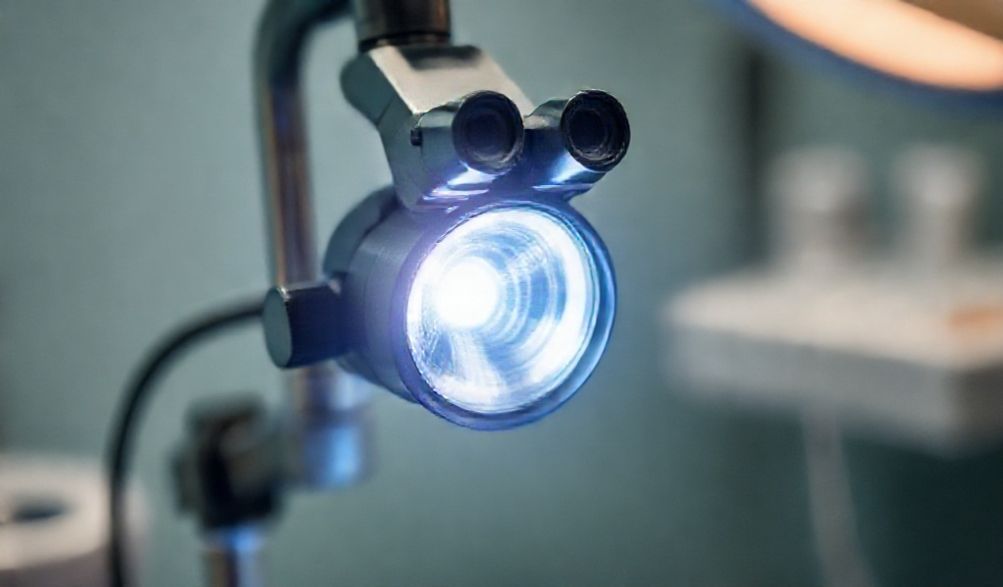
Dental Loupes Headlights: A Complete Guide to Enhanced Vision, Precision, and Ergonomics
You’ve just finished your third root canal of the day. As you lean back, a familiar ache radiates from your neck and shoulders. Your eyes feel strained from squinting into the dark recesses of the oral cavity, battling shadows cast by your overhead light. You wonder if there’s a better way—a way to see the microscopic margin clearly without contorting your spine, a way to illuminate the field without relying on awkward, external light sources. This scenario is all too common in dentistry, a profession built on minute details and prolonged static postures.
The solution is not just a tool, but a transformative system that has become essential for the modern dental clinician: стоматологическими лупами with an integrated headlight. This combination is more than a simple magnification aid; it’s a fundamental investment in clinical excellence, personal well-being, and the longevity of your career. By merging enhanced vision with targeted, shadow-free illumination, this technology addresses the core physical and visual challenges of dental practice.
This comprehensive guide synthesizes expert opinions from seasoned clinicians, technical specifications from leading manufacturers, and evidence-based ergonomic principles. Our goal is to move beyond marketing claims and provide you with the practical knowledge needed to make an informed decision. We will explore the undeniable benefits, dissect the key features, walk you through the selection process, and outline best practices for integrating a dental loupes headlight system into your daily workflow. Whether you’re a seasoned practitioner considering an upgrade or a new graduate investing in your first set, this guide will illuminate the path to a more precise, comfortable, and confident practice.
What Are Dental Loupes with Headlights? Combining Magnification and Illumination
At its core, a dental loupes headlight system is an ergonomic wearable device that combines two critical elements: optical loupes for magnification and an LED light source mounted on the frame. This integration creates a synergistic effect where the illuminated field is perfectly aligned with your magnified field of view.
The Core Components: Loupes (Galilean vs. Prismatic) and LED Headlights
The foundation is the loupe itself. There are two primary optical designs:
* Galilean Loupes: These are the more common entry-level systems, typically offering lower magnification (2x to 3.5x). They use a simple lens system (a convex objective lens and a concave eyepiece lens) that is lighter, more compact, and generally less expensive. They provide a larger field of view and greater depth of field at lower magnifications.
* Prismatic (Keplerian) Loupes: These are more advanced systems, using a series of prisms to fold the light path. This allows for higher magnifications (3.5x to 8x and beyond) with excellent clarity, a wider field of view at high power, and better optical resolution. They are typically heavier and more costly than Galilean systems.
— это не просто улучшение освещения; это фундаментальное усовершенствование самого критически важного инструмента хирурга — его зрения. Благодаря непревзойденной цветопередаче, бестеневому освещению и эргономичному комфорту эта технология напрямую способствует хирургической точности, снижает утомляемость во время операции и способствует положительным результатам для пациента. Переход от галогенных к светодиодным осветителям — это не просто смена оборудования, а стратегические инвестиции в клинические результаты и профессиональное благополучие. integrated LED headlight is the game-changing companion. Modern systems feature powerful, cool-running Light Emitting Diodes (LEDs) that are mounted either on the loupe frame itself or on a separate band. This light projects a bright, focused beam directly where you are looking, independent of the operatory’s overhead light.
How They Work Together: Eliminating Shadows and Reducing Eye Fatigue
The true power lies in the combination. The overhead dental light, while bright, often creates shadows from your hands, instruments, or the patient’s own anatomy. You instinctively move your head to find a better angle, leading to poor posture. An integrated headlight, however, is co-axial with your line of sight. Wherever you look, the light follows, flooding the magnified operative site with shadow-free illumination. This eliminates the eye’s constant struggle to adjust between bright and dark areas, dramatically reducing accommodative strain and fatigue.
A Brief Evolution: From Simple Magnifiers to Integrated Ergonomic Systems
Dental magnification began with simple, handheld lenses. The adoption of telescopic loupes in the late 20th century was a major leap forward. Initially, clinicians used separate headlamps, which were cumbersome. The integration of a lightweight, powerful LED light source directly onto the loupe frame marks the current evolution—creating a unified, ergonomic system designed to support the clinician’s body and enhance their vision simultaneously.
Top Benefits of Using Loupes with an Integrated Headlight
Investing in a quality dental loupes headlight system yields a compelling return across four key areas: clinical outcomes, physical health, visual comfort, and professional performance.
Unmatched Clinical Precision and Improved Patient Outcomes
This is the most significant clinical benefit. Enhanced visualization allows you to:
* Detect incipient caries and cracks that are invisible to the naked eye.
* Visualize margins with supreme clarity during preparation and cementation, leading to better-fitting restorations and reduced plaque retention.
* Navigate subgingival areas and root canals with greater confidence, improving the outcomes of periodontal and endodontic procedures.
* Remove calculus more completely during scaling and root planing.
This level of detail directly translates to higher-quality dentistry, increased longevity of your work, and improved overall patient care.
Significant Reduction in Physical Strain (Ergonomics)
Dental professionals have a staggeringly high incidence of musculoskeletal disorders. A loupes headlight system is a primary ergonomic intervention. Properly fitted loupes enforce an upright, neutral spine posture by incorporating a declination angle—the angle at which the oculars are tilted downward. This allows you to look straight ahead while viewing the patient’s mouth, eliminating the need to hunch over. The hands-free, targeted light further reduces the need for twisting and straining to catch the overhead light. The result is a dramatic reduction in chronic neck, back, and shoulder pain.
Elevated Visual Acuity and Reduced Eye Fatigue
As mentioned, the co-axial illumination eliminates shadows and glare. Furthermore, magnification reduces the accommodative demand on your eyes. Instead of your ciliary muscles constantly working to focus on a tiny, close-up area, the loupes do the work. This can alleviate symptoms of digital eye strain, headaches, and general visual fatigue, especially after long clinical days.
Increased Professional Confidence and Efficiency
When you can see better, you work with more confidence. There is less guesswork, fewer redos, and a smoother procedural flow. Identifying issues early, placing margins accurately the first time, and working with precision inherently leads to greater efficiency. This confidence not only improves your daily experience but also enhances your reputation for quality and care.
Key Features to Consider When Choosing a Dental Loupes Headlight
Not all systems are created equal. Understanding these technical features will help you select a system that fits your specific needs.
Light Source Metrics: LED Color Temperature, Luminosity, and Beam Pattern
- Color Temperature: Measured in Kelvins (K). A temperature around 5500K – 6000K is considered “daylight white.” This provides excellent color rendition, allowing for accurate differentiation of tooth structure, tissues, and composite shades, which is crucial for aesthetic work.
- Luminosity (Brightness): Measured in lumens. A range of 30,000 to 100,000+ lux (a measure of illuminance at the working distance) is common. Look for a system with adjustable brightness settings to conserve battery and tailor light to different procedures.
- Beam Pattern: A focused spot beam is ideal for high-magnification, deep-cavity work (like endo). A wider flood beam provides better peripheral illumination for procedures like impressions or oral surgery. Some advanced systems offer adjustable or hybrid beam patterns.
Power and Convenience: Battery Life, Battery Type, and Charging Options
- Время автономной работы: The benchmark is a full clinical day. Look for systems that offer 6-10+ hours on a single charge at a medium brightness setting. Always check real-world reviews, as manufacturer claims can be optimistic.
- Battery Type & Charging: Rechargeable lithium-ion (Li-ion) batteries are standard. They are lightweight, have no memory effect, and charge quickly. Convenience features like a magnetic charging dock, a portable charging case, or a belt-clip battery pack can significantly impact your daily workflow.
Comfort & Design: Weight Distribution, Adjustability, and Compatibility
- Распределение веса: The system should feel balanced. A heavy light on the front of the frame can cause neck strain. Some designs use a counterweight on the back of the headband, while others distribute weight evenly through a lightweight frame.
- Регулируемость: The light should be easily adjustable in multiple planes (up/down, left/right, tilt) to achieve perfect alignment with your visual axis. The headband or frame should be fully customizable for a secure, comfortable fit.
- Совместимость: If you already own loupes, check if the manufacturer offers a compatible headlight attachment. If buying new, consider a unified system from one manufacturer for guaranteed compatibility and streamlined service.
Durability and Warranty: Build Quality and Manufacturer Support
Dental practices are demanding environments. Look for robust construction, moisture resistance, and a reputable manufacturer. A comprehensive гарантию (often 2-5 years on optics, 1-2 years on electronics) and accessible customer service for repairs and adjustments are non-negotiable for a professional tool.
How to Select the Right Loupes and Headlight System for Your Practice
Choosing the right system is a personal and professional decision. Follow this framework to find your perfect match.
Assessing Your Clinical Needs: General Dentistry vs. Specialties
Your specialty dictates your needs. A стоматологу-терапевту might prioritize a versatile system with 3.0x-4.0x magnification and a balanced beam for everything from exams to composites. An endodontist requires higher magnification (4.5x-6.0x+) and a very focused, bright spot beam to see deep into canals. A surgeon or periodontist might value a wider field of view and a flood beam for larger operative sites.
Getting the Fit Right: The Critical Importance of Working Distance and Declination Angle
This is the most crucial step and requires a professional fitting.
* Working Distance: The distance from your eyes to your patient’s mouth. This is measured precisely so your magnified field is in perfect focus at that exact distance.
* Declination Angle: The downward tilt of the oculars. This is calculated based on your height, torso length, and chair position to force you into an ergonomic, upright posture. An incorrect angle will defeat the ergonomic purpose.
Trying Before Buying: The Role of Demonstrations and Clinical Trials
Never buy loupes and a headlight sight-unseen. Schedule a live, in-office demonstration with a certified representative from a reputable company. Wear them, move around, and simulate clinical motions. Some companies offer take-home trial periods—this is invaluable. Use them during actual procedures to test comfort, clarity, and battery life in your own operatory.
Budgeting for Quality: Understanding Cost vs. Long-Term Investment
A high-quality dental loupes headlight system is a significant investment, often ranging from $1,500 to over $5,000. Reframe this not as an expense, but as a long-term investment in:
1. Ваше здоровье: Preventing career-ending musculoskeletal pain and visual strain.
2. Your Practice: Enabling higher-quality, more efficient dentistry that attracts and retains patients.
3. Your Career Longevity: Allowing you to practice comfortably for decades.
Consider financing options, and remember that the cost of не investing may be far greater in the long run.
Best Practices for Using and Maintaining Your Dental Loupes Headlight
To maximize the lifespan and benefits of your system, adopt these habits.
Proper Adjustment and Daily Setup for Optimal Posture
Take 30 seconds each morning to ensure your headband is snug and the light is correctly aligned. Consciously maintain the upright posture the declination angle is designed to promote. Periodically re-check your posture in a mirror.
Cleaning and Care for Lenses and Light Components
- Линзы: Use only lens-specific microfiber cloths and approved lens cleaning solutions. Never use paper towels, clothing, or harsh chemicals, as they can scratch or degrade anti-reflective coatings.
- Light & Frame: Wipe down the frame and light housing with a disinfectant wipe compatible with the materials. Avoid getting moisture in the electrical ports or lens housing.
Battery Management Tips for All-Day Reliability
- Follow the manufacturer’s charging instructions.
- Get into a routine of placing the system on its charger at the end of every day.
- If using a belt-clip battery, consider having a spare charged battery ready for unexpectedly long days.
Knowing When to Service or Upgrade Your System
Have your alignment and prescription checked every 1-2 years. If you notice a persistent decline in image clarity, visible scratches on the lenses, or flickering/dimming of the light, contact the manufacturer for service. Consider upgrading if your clinical focus changes (e.g., moving into more specialized procedures requiring higher magnification).
Frequently Asked Questions (FAQ) About Dental Loupes Headlights
Q: Are dental loupes with headlights worth the investment?
О: Absolutely. They are one of the most impactful investments a dentist can make. The combined benefits of improved clinical precision, reduced physical strain, and less eye fatigue protect your ability to practice and directly enhance the quality of care you provide. The return on investment in terms of health, efficiency, and practice growth typically far outweighs the initial cost.
В: Какое увеличение является идеальным для стоматолога общего профиля?
О: Большинство стоматологов-терапевтов считают, что увеличение в диапазоне от 2,5x до 3,5x является отличной отправной точкой. Оно обеспечивает значительное улучшение видимости без чрезмерного сужения поля зрения. “Идеальный” уровень индивидуален и зависит от остроты вашего зрения и наиболее часто выполняемых процедур. Крайне важно протестировать различные уровни увеличения во время консультации.
В: Сколько обычно работает аккумулятор налобного осветителя?
О: Современные LED-осветители с высококачественными литий-ионными аккумуляторами обычно работают от 6 до 10+ часов на одном заряде при средней или высокой яркости более чем достаточно для полного клинического дня. Срок работы батареи варьируется в зависимости от модели, настройки яркости и возраста аккумулятора.
В: Можно ли добавить осветитель к моим существующим лупам?
О: Во многих случаях — да. Многие производители разрабатывают системы налобных осветителей, которые можно установить на существующие оправы бинокуляров, как своей марки, так и иногда других. Ключевой момент — совместимость с точками крепления на оправе. Проконсультируйтесь с вашим поставщиком бинокуляров или производителем осветителей для подтверждения.
В: Как предотвратить запотевание линз бинокуляров?
О: Запотевание — распространенная проблема, особенно при ношении маски. Решения включают: 1) Убедитесь, что ваши бинокуляры имеют качественное антизапотевающим покрытием; 2) Используйте антифоговые салфетки или спреи , предназначенные для оптических линз; 3) Улучшите прилегание маски— используйте маску с уплотнителем для носа или двойную маску, чтобы направлять дыхание вниз; 4) При постоянных проблемах может помочь небольшая тихая вентиляционная система , крепящаяся к бинокулярам, для создания воздушного барьера.
Заключение
Стоматологические бинокуляры со встроенными налобными осветителями эволюционировали из узкоспециализированного аксессуара в краеугольный камень современной, устойчивой стоматологической практики. Они представляют собой мощный синергизм технологий и эргономики, разработанный для защиты врача и одновременно дающий ему возможность оказывать исключительную помощь пациентам. Объединяя свет и увеличение в идеальной гармонии, эта система решает фундаментальные физические и визуальные задачи профессии.
Выбор правильной системы — это решение, заслуживающее тщательного рассмотрения экспертных рекомендаций, технических данных и ваших индивидуальных рабочих привычек. Это инвестиция, подтвержденная опытом тысяч клиницистов, обретших в своей ежедневной работе большую точность, комфорт и уверенность.
Следующий шаг — перейти от исследований к личному опыту. Мы настоятельно рекомендуем вам запланировать живое, персональное демонстрационное тестирование с сертифицированным представителем авторитетной компании-производителя бинокуляров. Почувствуйте вес, оцените четкость изображения и увидьте бестеневое освещение своими глазами. Возьмите под контроль свое визуальное и физическое благополучие. Инвестируйте в систему стоматологических бинокуляров с налобным осветителем — это инвестиция в будущее вашей практики и ваше личное здоровье.
p>