
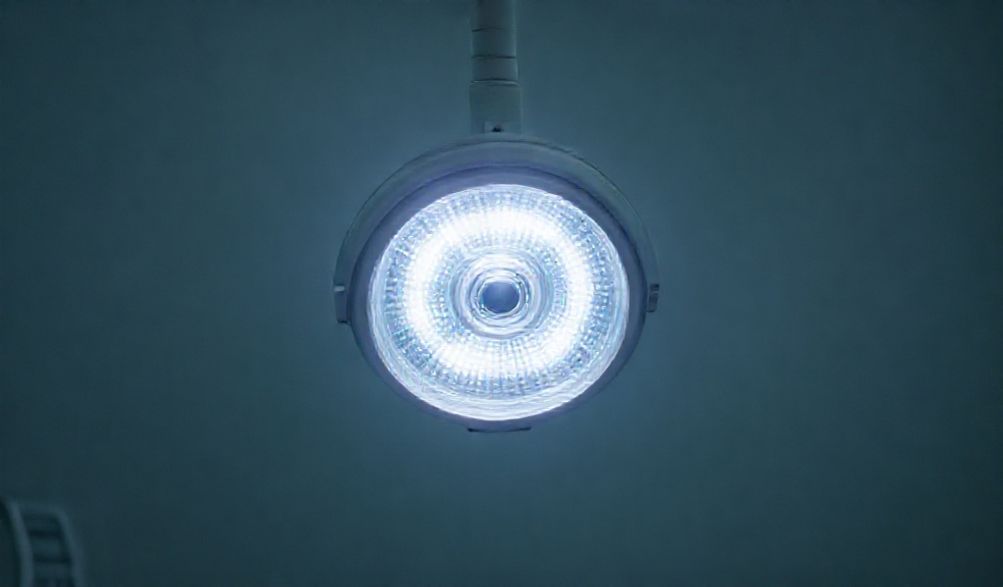
The Ultimate Guide to LED Exam Lights: Enhancing Patient Care & Clinical Efficiency
Picture this: you’re midway through a detailed wound assessment. The presentation is subtle, requiring you to differentiate between shades of erythema and assess tissue granulation. As you lean in, the overhead halogen light hums, casting an uneven, yellowish glow and throwing a sharp shadow from your own hand across the site. The bulb’s heat radiates uncomfortably onto both you and your patient. You adjust the gooseneck, but the flicker intensifies, straining your eyes. In that moment, the light—a tool you depend on for accuracy—becomes an obstacle to it.
This scenario, frustratingly familiar to countless healthcare professionals, underscores a critical but often overlooked aspect of clinical practice: examination lighting is not a utility; it is a diagnostic instrument. The transition from traditional halogen or incandescent lighting to modern LED exam lights represents far more than a simple bulb swap. It is a fundamental upgrade that directly enhances diagnostic accuracy, improves practitioner ergonomics, and generates significant operational savings. This investment speaks to the core of patient care and practice reputation.
This comprehensive guide is designed to be your authoritative resource. Drawing on industry specifications, clinical insights, and practical expertise, we will dissect the “why” and “how” of LED exam lights. Our goal is to move beyond marketing claims and provide the evidence-based knowledge you need to make a confident, informed decision for your practice. We’ll explore the revolutionary benefits of LED technology, break down the critical features you must consider, and provide a step-by-step framework for successful implementation.
Why LED Technology is Revolutionizing Medical Examination Lighting
The shift to LED technology in medical settings is not a trend; it’s a paradigm shift driven by measurable advancements in optical science, materials engineering, and energy efficiency. Understanding these core advantages explains why LEDs have become the new standard for clinical excellence.
Superior Illumination for Accurate Diagnostics
At the heart of any exam light is its ability to reveal truth. LED technology excels in providing illumination that mimics natural light, allowing for unparalleled visual clarity.
- Индекс цветопередачи (CRI): This is arguably the most critical specification. CRI measures a light source’s ability to reveal the true colors of an object compared to natural sunlight (rated as 100). For medical diagnostics, a high CRI (typically >90, with >95 being ideal) is non-negotiable. It enables accurate assessment of skin tones, cyanosis, jaundice, erythema, and tissue viability. A low-CRI light can distort colors, potentially leading to missed or misinterpreted signs.
- Adjustable Color Temperature: Different procedures benefit from different light “feels.” LED exam lights often offer tunable color temperatures, measured in Kelvin (K). A warmer light (3000K-4500K) is softer and can be calming for patient exams, while a cooler, daylight-like temperature (5000K-6000K) provides high contrast and visual acuity, ideal for detailed procedures like suturing or dermatological assessments. The ability to adjust this setting reduces eye strain by allowing clinicians to tailor the light to the task.
Enhanced Practitioner Ergonomics and Comfort
A clinician’s comfort directly impacts their focus and endurance. Traditional exam lights are significant sources of physical discomfort that LEDs eliminate.
- Elimination of IR/UV Radiation: Halogen bulbs convert most of their energy into heat (infrared radiation) and emit a degree of ultraviolet light. This radiant heat can dry out tissues, cause patient discomfort, and create an uncomfortably hot microenvironment for the clinician’s hands and face. Quality LED exam lights produce virtually no IR or UV, operating coolly and safely.
- Отсутствие мерцания: Many conventional lights operate on an AC current that can cause a rapid, subtle flicker—often imperceptible but a known contributor to headaches, eye strain, and fatigue over long clinical shifts. Advanced LED drivers provide truly flicker-free, constant current illumination, creating a stable visual environment that supports prolonged concentration.
Operational Efficiency and Total Cost of Ownership
The financial argument for LED conversion is compelling and goes far beyond the initial purchase price.
- Исключительный срок службы: A typical halogen bulb may last 1,000 to 2,000 hours. A medical-grade LED exam light engine is rated for 50,000 to 100,000 hours. This translates to over a decade of regular clinical use without a single bulb replacement, eliminating maintenance downtime and the recurring cost of specialty bulbs.
- Dramatic Energy Savings: LEDs are inherently efficient, converting most energy into light rather than heat. An LED system typically consumes 60-80% less electricity than a halogen equivalent. For a multi-exam room practice, this reduction in kilowatt-hours leads to substantial, ongoing savings on utility bills, quickly offsetting the higher initial investment and contributing to a greener practice footprint.
Critical Features to Consider When Choosing an LED Exam Light
Not all LED exam lights are created equal. Selecting the right model requires careful evaluation of several interconnected feature sets.
Optical Performance Specifications
This is where diagnostic capability is defined.
- Light Intensity & Adjustability: Look for a light with sufficient maximum intensity (measured in lux at a given distance) to illuminate deep cavities or assess low-contrast details. Equally important is a wide, smooth dimming range, allowing you to lower the intensity for routine checks or patient comfort without sacrificing color quality. Good depth of field (the range of distance that remains in clear focus) is also crucial.
- Shadow Control & Beam Pattern: A single, point-source LED can create harsh, obstructive shadows. The best medical lights use multi-LED arrays combined with specialized diffusing optics or reflectors. This technology creates a homogeneous, uniform beam that minimizes shadows and reduces eye fatigue by eliminating “hot spots” and glare.
Mechanical Design and Usability
If the light is difficult to position or maintain, its optical brilliance is wasted.
- Mobility and Positioning: Evaluate the arm system. Horizontal arms offer wide lateral movement, while cantilever designs provide extensive vertical reach. The system should move smoothly and effortlessly with one hand, then lock securely into any position without drift or sag. Consider the light head’s rotation and tilt capabilities for precise angling.
- Контроль инфекций: The housing must be designed for the clinical environment. Seamless, non-porous enclosures that can withstand daily wiping with aggressive hospital-grade disinfectants (like bleach-based solutions) are essential. Avoid lights with crevices, textured surfaces, or porous materials that can harbor pathogens.
Compliance, Safety, and Standards
Medical devices must meet rigorous safety benchmarks.
- Essential Certifications: Always verify that the LED exam light carries relevant international standards. Key marks include:
- ISO 13485: Подтверждает систему менеджмента качества производителя медицинских изделий.
- IEC 60601-1: The baseline safety standard for medical electrical equipment.
- UL/CSA Listing: Indicates compliance with North American safety standards.
- Электромагнитная совместимость (ЭМС): The light should not emit electromagnetic interference that could disrupt other sensitive equipment like ECGs or patient monitors, and it should itself be immune to interference from other devices.
Implementing LED Exam Lights in Your Practice: A Step-by-Step Approach
A successful transition requires planning. This structured approach will ensure your new LED exam lights integrate seamlessly and deliver maximum value.
Conducting a Needs Assessment for Your Space
Begin with an audit of your current state and future needs.
1. Audit Existing Lighting: Document the shortcomings of your current lights (e.g., “too hot,” “poor color,” “inadequate reach”).
2. Analyze Room Layout & Workflow: Map out the exam table/chair location, clinician workflow, and potential mounting points (wall, ceiling, floor stand, table clamp). Consider traffic patterns and door swings.
3. Define Primary Use Cases: Lighting needs vary by specialty. A primary care room may prioritize flexible, general exam light. A dermatology or surgical suite will demand ultra-high CRI and intensity. Dentistry requires specific angling and shadow reduction for the oral cavity.
Installation and Integration Best Practices
Proper installation is key to usability.
* Размещение: The light should be mounted so its natural “rest position” illuminates the standard exam area, minimizing the need for major adjustments for every patient. Ensure the arm’s range of motion covers the entire required field without bumping into cabinetry or other equipment.
* Electrical: Verify power source requirements. While most plug into standard outlets, planning for clean cable management (using channels or covers) maintains a professional, uncluttered environment.
* Retrofit vs. New: Assess if existing mounts are compatible. While adapting an old mount may seem cost-effective, a new, purpose-designed mounting system often ensures optimal performance and longevity of the LED light head.
Staff Training and Maximizing Your Investment
The most advanced light is only as good as the person using it.
* Feature Training: Don’t assume clinicians will explore settings. Conduct a brief training session to demonstrate adjustable color temperature and dimming. Create simple guidelines (e.g., “Use 4500K for general exams, 6000K for procedures”).
* Maintenance Schedule: Establish a simple protocol. Wipe down the housing daily with approved disinfectant. Periodically check arm tension and locking mechanisms. Unlike halogens, there is no bulb to replace, but an annual check of the electrical connection and switch function is prudent.
Frequently Asked Questions (FAQ) About LED Exam Lights
Q: Are LED exam lights really worth the higher upfront cost?
О: Absolutely. The return on investment (ROI) becomes clear when analyzing the Total Cost of Ownership (TCO). Factor in 5-10 years of energy savings (60-80% less electricity), the complete elimination of bulb replacement costs and associated labor, and the intangible value of improved diagnostic accuracy and clinician comfort. The TCO of a quality LED system is typically lower than maintaining traditional lighting over the same period.
Q: Can LED lights cause any harm to patients’ eyes or skin?
О: High-quality, medical-grade LED exam lights are engineered to be completely free of harmful ultraviolet (UV) and infrared (IR) radiation. They emit significantly less heat than halogen lights, making them safer and more comfortable for both patient and clinician during prolonged examinations. Always choose lights that carry relevant medical safety certifications (IEC 60601-1).
Q: How do I properly clean and disinfect an LED exam light?
О: Always follow the manufacturer’s instructions precisely. Generally, use a soft, lint-free cloth dampened with a mild detergent or a manufacturer-approved hospital-grade disinfectant. Gently wipe the non-porous surfaces. Avoid abrasive cleaners, scouring pads, or spraying liquid directly onto the light, especially at seams, joints, or controls. Ensure the light is switched off and has cooled to room temperature before cleaning.
Q: What is the typical warranty for a medical LED exam light?
О: Warranties vary by manufacturer, but reputable brands often offer a comprehensive 3 to 5-year warranty on the entire fixture. Additionally, they typically guarantee the LED engine itself for its rated lifespan (e.g., 50,000 hours). A strong, long-term warranty is a key indicator of the manufacturer’s confidence in their product’s durability and performance.
В: Могу ли я заменить старую галогенную лампу на светодиодную?
О: This is strongly discouraged for medical examination purposes. A “retrofit” LED bulb dropped into a halogen fixture is unlikely to meet the optical (CRI, beam pattern), thermal, or electrical safety standards required for medical diagnostics. It may create electrical hazards, overheat, or provide inadequate or distorted light. For optimal performance, patient safety, and professional liability protection, invest in a purpose-built medical LED exam light.
Заключение
The evidence is clear: modern LED exam lights are a critical investment in the modern clinical environment. They transcend the role of a simple tool, becoming an active partner in enhancing diagnostic precision, safeguarding practitioner well-being, and promoting practice sustainability through dramatic efficiency gains. By providing superior, natural illumination, eliminating physical discomfort, and slashing operational costs, they directly contribute to improved patient outcomes and a more robust practice foundation.
We encourage you to use this guide as your foundational resource. The journey to an optimal lighting solution should culminate in direct engagement with trusted experts. Consult with reputable medical equipment suppliers or specialists. Request detailed specification sheets, and, most importantly, arrange for an in-clinic demonstration. Seeing the difference in color clarity, feeling the cool operation, and experiencing the effortless positioning firsthand is the most powerful way to validate this essential upgrade for your practice.
Ready to illuminate a new standard of care? Contact a trusted medical equipment supplier today to request a product specification sheet or schedule an in-clinic demonstration to experience the transformative difference of a professional LED exam light.
p>