
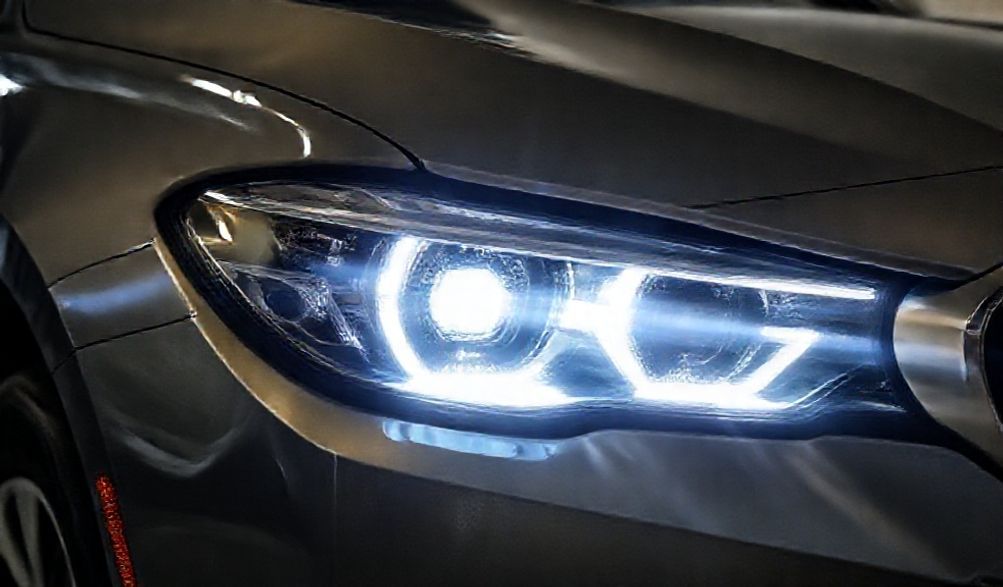
Adaptive Headlights Meaning: A Complete Guide to How They Work & Why They Matter
You’re driving on a dark, winding country road. As you approach a sharp bend, your eyes strain against the wall of darkness, searching for the road’s edge or any unexpected obstacle. Just as you ease into the turn, a pair of blinding high beams from an oncoming car floods your cabin, leaving you momentarily disoriented and vulnerable. It’s a stressful, all-too-common scenario that highlights a fundamental flaw of traditional car lighting: it’s static in a dynamic driving environment.
This is where understanding the adaptive headlights meaning becomes crucial for modern driving safety and comfort. Far from being just another luxury add-on, adaptive headlights represent a paradigm shift in automotive lighting technology. They are intelligent systems designed to see, think, and react, illuminating your path precisely where you need it most, without compromising the safety of others on the road.
This guide synthesizes information from leading automotive safety organizations like the Insurance Institute for Highway Safety (IIHS), technical documents from major manufacturers, and expert engineering insights. Our goal is to demystify this technology, moving beyond marketing jargon to provide a clear, trustworthy explanation. By the end of this post, you’ll understand exactly what adaptive headlights are, how the different systems work, their proven benefits, and why they are rapidly transitioning from a premium novelty to a vital safety feature. Let’s shine a light on the future of driving visibility.
What Are Adaptive Headlights? (Defining the Core Concept)
The Simple, Practical Definition
At its core, the adaptive headlights meaning can be distilled into a simple concept: they are headlights that automatically and dynamically adjust their beam pattern in real-time based on driving conditions, vehicle speed, and surroundings—all without any input from the driver.
To appreciate this, consider traditional “static” headlights. Whether halogen, HID (xenon), or LED, they project a fixed pattern of light: a low beam for normal use and a high beam for dark, open roads. The driver must manually switch between them and, crucially, the light always points straight ahead, regardless of whether the car is turning, climbing a hill, or navigating a curve. This creates dangerous pockets of darkness and forces the constant, distracting toggle of high beams.
Adaptive headlights eliminate this rigidity. They are proactive, not reactive. The system constantly gathers data and adapts the light output to create an optimal field of vision for the specific moment.
The Core Purpose: Enhancing Safety and Visibility
The primary mission of adaptive headlights is not merely convenience; it is to fundamentally enhance safety by maximizing usable visibility while minimizing glare for other road users. It’s a technology that serves two masters simultaneously: the driver of the vehicle and everyone else on the road.
By actively shaping the beam to follow curves, illuminate intersections sooner, or selectively dim light hitting a leading car, adaptive systems transform nighttime driving from a game of guesswork into a well-lit path. They act as a constant co-pilot for your eyes, extending your effective vision and providing critical extra reaction time—the most valuable commodity in avoiding accidents.
How Do Adaptive Headlights Work? (The Technology Explained)
The magic of adaptive headlights is achieved through a seamless marriage of sophisticated sensors, powerful computing, and precise mechanical or optical components. Think of it as a reflex arc for your car’s vision.
The “Brain”: Sensors and Control Units
The system’s intelligence comes from a network of sensors that feed data to a central electronic control unit (ECU):
- Steering Angle Sensor: Tells the ECU exactly how much and how quickly you are turning the wheel.
- Yaw Rate Sensor: Measures the car’s rotation around its vertical axis, helping determine the actual direction of travel.
- Speed Sensor: Critical for adjusting the range and pivot rate of the lights (a slower turn in a parking lot vs. a fast highway curve).
- Front-Facing Camera: This is the eyes of the system, especially for Adaptive Driving Beam (ADB) systems. It detects the lights of oncoming vehicles and the taillights of vehicles ahead, as well as road signs and lane markings.
- GPS & Navigation Data (in advanced systems): Can preemptively adjust lighting for known sharp curves or intersections stored in the map data.
This constant stream of information is processed in milliseconds by the ECU, which calculates the perfect headlight response.
The “Muscle”: Mechanical and Optical Components
Once the “brain” decides, the “muscle” executes the command. There are two primary execution methods:
-
Swiveling/Moving Headlights (Common in AFS): Here, the entire headlight housing or an internal reflector is physically pivoted by small, precise electric motors. As you turn the steering wheel left, the headlights swivel left to light up the corner of the road you’re entering. It’s akin to a spotlight operator following a performer on stage—the light source itself moves.
-
Matrix LED / Pixel Lighting (The core of ADB): This is a more advanced, “digital” approach. The headlight contains an array of dozens or even hundreds of individual LED segments. The ECU can independently dim or turn off specific clusters of these LEDs. When the camera detects a car ahead, it commands the LEDs in that precise portion of the beam to dim, creating a “shadow” around the other vehicle. The rest of the beam remains at full high-beam intensity, illuminating the roadside, signs, and the lane ahead. Imagine it as a pixelated shield that selectively blocks light only where it’s problematic.
Main Types of Adaptive Headlight Systems
Not all adaptive headlights are created equal. The technology has evolved, leading to distinct system types with different capabilities.
Adaptive Front-lighting System (AFS)
AFS is often the foundational adaptive technology. It primarily refers to headlights that swivel horizontally based on steering input and vehicle speed to illuminate curves and corners. Some advanced AFS systems also adjust the beam’s vertical angle based on vehicle pitch (when accelerating, braking, or carrying a heavy load) to prevent blinding others. The key benefit is dramatically improved illumination through turns and at intersections, where many nighttime accidents occur.
Adaptive Driving Beam (ADB) or Matrix LED
This represents the current pinnacle of adaptive lighting. ADB systems use the matrix LED approach described above to actively shape the high beam. They don’t just switch between high and low beams; they constantly maintain a high-beam pattern while digitally carving out shadows for other vehicles. This provides the driver with near-constant maximum forward visibility without ever causing glare. For years, outdated U.S. regulations prevented the full implementation of ADB, but recent changes have opened the door (more on this below).
Automatic High-Beam Assist (AHB)
It’s crucial to distinguish AHB from true adaptive systems. AHB is a complementary, simpler feature that uses a camera to detect lights of other vehicles and automatically switches between traditional high and low beams. It’s a helpful convenience and a stepping stone, but it lacks the granular, dynamic beam-shaping capabilities of AFS or ADB. Many vehicles with adaptive headlights also include AHB as part of their suite of features.
Key Benefits: Why Adaptive Headlights Are a Game-Changer
The investment in this technology pays dividends in multiple, significant ways.
Dramatically Improved Nighttime Safety
This is the most compelling benefit. The IIHS has stated that good headlights are a critical safety feature, and adaptive systems are among the best. By lighting corners earlier and more effectively, they reveal pedestrians, cyclists, animals, or debris that would be hidden in the shadows of static lights. The constant, glare-free high beam output of ADB systems extends the driver’s sight distance significantly, providing more time to react. This directly contributes to reducing the risk of nighttime collisions, which are disproportionately fatal.
Reduced Driver Fatigue and Stress
Constantly juggling between high and low beams, squinting into dark curves, and recovering from the glare of oncoming traffic is mentally taxing. Adaptive headlights automate this entire process. The driver can focus more on the road and less on managing their lights. This reduction in cognitive load makes long night drives less fatiguing and overall driving less stressful, contributing to better, more alert decision-making.
Enhanced Visibility in Challenging Conditions
Adaptive systems excel in specific high-risk scenarios:
* Winding Roads: The beam actively follows the road layout.
* Highway Entrances/Exits: Illuminates the curved ramp fully.
* Rural Intersections: Lights up cross traffic paths as you approach.
* Inclement Weather: While heavy snow or mud can obscure sensors, the dynamic beam can better cut through rain and fog on curves compared to a fixed beam.
Considerations and Limitations
While transformative, adaptive headlight technology comes with certain practicalities to consider.
Стоимость и доступность
Исторически адаптивные фары были премиальной опцией, часто доступной только в более дорогих комплектациях или пакетах для люксовых моделей. Однако, как и любая автомобильная технология, их стоимость снижается. В настоящее время они всё чаще появляются на массовых моделях. Обратной стороной является высокая стоимость ремонта в случае повреждения корпуса, двигателя или светодиодной матрицы, что часто требует полной замены блока.
Нормативная база (особенно в США)
Для точного понимания вопроса ключевым является знание нормативной истории. Десятилетиями Федеральный стандарт безопасности автотранспортных средств (FMVSS) 108 США, созданный в эпоху фар с герметичными лампами, фактически запрещал самые передовые системы адаптивного дальнего света (ADB). Это отставало от Европы и других регионов, где ADB были легальны и распространены в течение многих лет.
В рамках знакового обновления Национальное управление безопасностью движения на трассах (NHTSA) внесло поправки в это правило в феврале 2022 года. Новый регламент наконец разрешает использование настоящих адаптивных фар дальнего света на новых автомобилях в США при условии соответствия конкретным требованиям к производительности и безопасности. Ожидается, что это изменение значительно ускорит внедрение и инновации на американском рынке.
Обслуживание и калибровка
Это не системы “установил и забыл”. Их работа полностью зависит от точных данных с датчиков. Если фронтальная камера сместится (например, после незначительного удара в бампер) или датчик угла поворота руля выйдет из строя, система не будет функционировать корректно. После любого ремонта передней части или даже регулировки развала-схождения часто требуется профессиональная калибровка с использованием специального оборудования, чтобы обеспечить идеальную синхронизацию фар и их датчиков.
Часто задаваемые вопросы: ответы об адаптивных фарах
В: Адаптивные фары — это то же самое, что автоматический дальний свет?
О: Нет. Это распространённая путаница. Автоматический дальний свет (AHB) просто переключается между традиционными режимами дальнего и ближнего света. Адаптивные фары (AFS/ADB) активно формируют и перемещают сам световой пучок, обеспечивая непрерывно оптимизированное освещение, а не просто отключая его для других водителей.
В: Можно ли установить адаптивные фары на мой старый автомобиль?
О: В: Можно ли установить адаптивные фары на старую машину?.
Практически всегда — нет. Адаптивные системы глубоко интегрированы в сеть автомобиля (требуют шины CAN), зависят от специфических датчиков (рулевого управления, камеры и т.д.) и нуждаются в сложном программировании. Установка на автомобиль, не рассчитанный на них, будет непомерно дорогой и технически сложной по сравнению с покупкой автомобиля, уже укомплектованного ими.
О: В: Стоят ли адаптивные фары дополнительных затрат?.
В4: Работают ли адаптивные фары во всех погодных условиях?
О: Для заботящихся о безопасности водителей, которые часто ездят ночью, особенно по неосвещённым или извилистым дорогам, ответ — однозначно да. Потенциальная возможность предотвратить даже одну аварию может перевесить стоимость. Для тех, кто в основном ездит днём по городу, ценность предложения ниже. Рассматривайте это как инвестицию в активную безопасность.
В: Работают ли они в плохую погоду?
О: Они отлично работают в большинстве условий. Однако их датчики, особенно камера, могут быть заблокированы сильным снегом, льдом или толстым слоем грязи на объективе. Система обычно предупредит водителя и перейдёт в стандартный режим освещения до тех пор, пока обзор датчика не будет очищен.
Заключение
В: Что делать, если загорелся индикатор неисправности адаптивных фар? adaptive headlights meaning Не игнорируйте его. Это указывает на неисправность в системе. Это может быть отказ поворотного механизма, заблокированная или неисправная камера, проблема с датчиком или необходимость повторной калибровки. Запланируйте диагностику у квалифицированного специалиста, желательно в дилерском центре, знакомом с конкретной системой.
Понимание истинной сути адаптивных фар.
показывает, что они — не просто умный гаджет. Это интеллектуальные, динамичные партнёры в обеспечении безопасности, которые кардинально меняют опыт ночного вождения. Автоматически поворачивая, чтобы осветить повороты, и цифровым способом защищая других водителей от ослепления, они обеспечивают максимальную видимость там, где это нужно вам, и максимальную вежливость по отношению к другим.
p>