
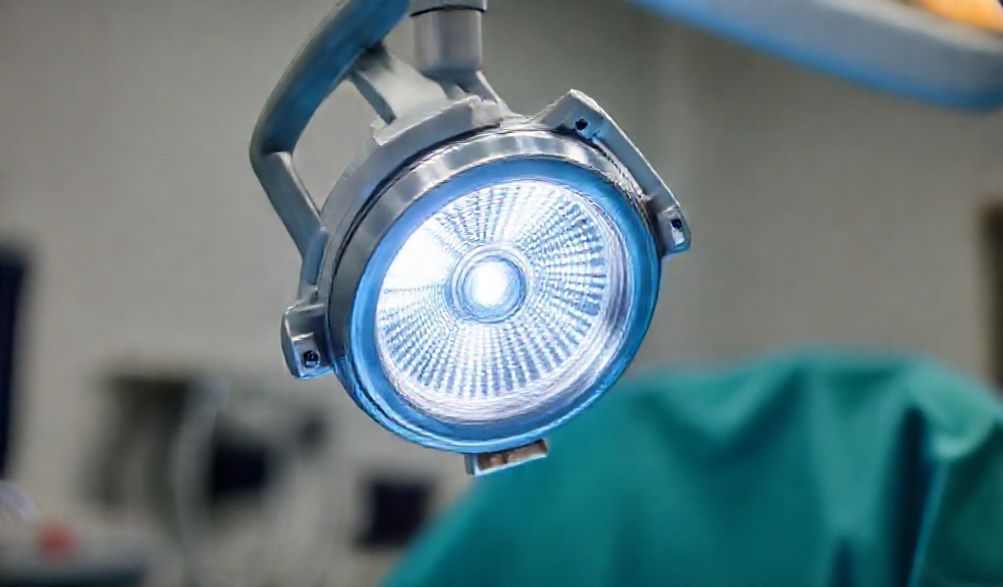
The Surgeon’s Guide to Choosing the Best Surgical Headlight
In the operating room, where millimeters define success and tissue planes dictate outcomes, vision is everything. Yet, this critical sense is wholly dependent on one often-overlooked tool: illumination. The choice of a хирургический налобный осветитель transcends a simple gear purchase; it is a fundamental professional decision that directly impacts surgical precision, patient safety, and the long-term physical well-being of the surgeon. A subpar light can mean missed detail, increased operative time, and debilitating neck strain. Conversely, the best хирургический налобный осветитель becomes a seamless extension of the surgeon’s skill, revealing anatomy with clarity and reducing ergonomic burden.
This guide is crafted to serve as your definitive, evidence-based resource. Developed with an understanding of surgical workflows and rigorous technical analysis, our goal is to empower surgeons, residents, and procurement teams to cut through marketing claims and make truly informed decisions. We will dissect the key features that matter, provide clear comparisons of leading systems, and offer a practical framework for selecting the ideal headlight tailored to your specialty, technique, and budget. Consider this your roadmap to achieving optimal illumination.
Why Surgical Headlight Quality is Non-Negotiable
Before comparing models, it’s essential to understand why this tool demands such careful consideration. A хирургический налобный осветитель is not merely a flashlight for your forehead; it is a core component of your operative capability.
Impact on Surgical Precision and Outcomes
The primary mandate of any surgical light is to enable precision. Studies and expert consensus consistently link the quality of illumination to key performance metrics. Optimal lighting enhances tissue differentiation—allowing the surgeon to clearly distinguish between artery, vein, nerve, and fascia based on subtle color and textural cues. This clarity directly contributes to reduced error rates and improved procedural speed. In delicate procedures, from microvascular anastomoses to oncological resections, the ability to see a clear, shadow-free field with true color rendition can be the difference between a routine case and a complication.
Ergonomics and Surgeon Well-being
The physical cost of poor lighting is often underestimated. Inadequate illumination forces surgeons into compensatory postures: craning the neck, hunching the shoulders, and bringing their eyes closer to the field. Over hours and years, this leads to significant musculoskeletal strain, particularly in the cervical spine, contributing to fatigue, pain, and even career-shortening injuries. A high-quality headlight, by delivering bright, focused light exactly where it’s needed, allows the surgeon to maintain a neutral, healthy posture. It mitigates fatigue, enabling sustained concentration and protecting the surgeon’s most valuable asset: their own physical ability to operate.
Beyond Brightness: The Components of Optimal Light
When evaluating headlights, surgeons often focus first on “brightness,” but this is only one piece of the puzzle. True quality is a combination of several key metrics:
* Color Temperature: Measured in Kelvins (K), this determines the “warmth” or “coolness” of the light. A temperature between 5,500K and 6,500K mimics natural daylight, providing neutral white light that renders tissue colors most accurately.
* Shadow Reduction & Beam Homogeneity: A “hot spot” in the center with rapid fall-off creates harsh shadows and forces constant adjustment. The лучшего хирургического налобного осветителя systems offer a homogeneous beam with even illumination across the entire spot, minimizing shadows and eye strain.
* Depth of Field: This refers to the range of distance within the surgical field that remains in sharp focus. A greater depth of field allows the surgeon to move instruments in and out of focus without constantly re-adjusting the light, maintaining visual continuity.
Key Features to Evaluate in a Surgical Headlight System
Armed with an understanding of почему quality matters, let’s examine что to look for. Breaking down a headlight into its core components will demystify the selection process.
Light Source Technology: LED vs. Xenon
This is the fundamental choice in modern systems.
* Xenon: The former gold standard, known for its very bright, white light. However, xenon bulbs have a short lifespan (typically 300-500 hours), generate significant heat, require a bulky power supply, and have high replacement costs.
* LED (Light Emitting Diode): The unequivocal modern standard. LEDs offer exceptional brightness with minimal heat output, extremely long lifespans (often 50,000+ hours), instant on/off capability, and are highly energy-efficient. They provide excellent color rendering and are the core of today’s most advanced, reliable, and cost-effective systems.
Optical Performance Specifications
These are the numbers that define what you see.
* Lux/Lumens: Lumens measure total light output, while lux measures light intensity on a surface. For surgical headlights, lux at a given distance (e.g., 100,000 lux at 400mm) is a more useful benchmark than lumens alone.
* Spot Size Variability: The ability to adjust the diameter of the light beam (e.g., from 40mm to 120mm) is crucial for adapting to different procedures, from a tiny neurovascular field to a broader abdominal cavity.
* Depth of Field Adjustment: Some systems allow you to mechanically or optically adjust the depth of field, providing flexibility for deep-cavity work versus superficial procedures.
Дизайн: Комфорт и Удобство ношения
If it’s not comfortable, you won’t wear it properly, negating its benefits.
* Распределение веса: Total weight is important (aim for under 200g for the headpiece), but balance is critical. A well-designed headband distributes weight across the crown and occiput to prevent pressure points.
* Headband Adjustability: Look for multi-point, tool-free adjustment for a secure, personalized fit that accommodates different head sizes and shapes, as well as surgical caps or hoods.
* Heat Dissipation: Even LEDs generate some heat. Effective thermal management ensures the headpiece remains cool during long cases.
* Loupes/PPE Compatibility: The system must integrate seamlessly with your surgical loupes, eyewear, and magnification systems without interference or instability.
Power System and Cable Management
Reliable power is non-negotiable.
* Battery Type: Lithium-ion (Li-ion) batteries are the standard, offering high energy density, no memory effect, and long cycle life. Ensure the battery is medical-grade and safety-certified.
* Runtime: A quality battery should deliver 4-8 hours of runtime on a medium setting, enough for a full surgical day. Quick-charge capabilities are a valuable bonus.
* Belt-Pack vs. Battery-on-Head: Belt-pack systems place the battery on your waist, reducing head weight but adding a cable tether. Battery-on-head designs are more streamlined and mobile but can be front-heavy if not well-balanced.
* Организация кабелей: A lightweight, flexible, and kink-resistant cable that can be easily routed under your gown is essential for maintaining a sterile field and freedom of movement.
Review of Top Surgical Headlight Systems
Here, we compare several leading systems that consistently rank highly in the search for the лучшего хирургического налобного осветителя. (Note: Specific models are examples; always verify latest models with manufacturers.)
Enova Illumination Quantum 9000 – The High-Performance Workhorse
- Brief Overview: A powerful, feature-rich LED system known for its intense, homogeneous light and robust construction.
- Key Pros: Exceptionally bright output (often exceeding 150,000 lux), excellent color temperature, wide spot size range, and highly durable design. Offers both belt-pack and lightweight battery-on-head options.
- Key Cons: Can be on the higher end of the price spectrum; some users find the top-tier models more feature-rich than necessary for all specialties.
- Best For: Surgeons who perform long, complex procedures requiring maximum illumination and versatility, such as cardiovascular, neurosurgery, and reconstructive microsurgery.
Sunoptic Technologies Endolite – The Premium Ergonomic Leader
- Brief Overview: Focuses intensely on lightweight comfort and advanced optical clarity, often featuring a distinctive low-profile headpiece.
- Key Pros: Superb ergonomics with ultra-lightweight headpieces (some under 100g), excellent beam homogeneity with minimal shadowing, and intuitive magnetic connectors. Renowned for all-day comfort.
- Key Cons: Premium pricing; maximum brightness, while excellent, may be slightly less than the most powerful competitors for the deepest cavities.
- Best For: Surgeons who prioritize comfort during lengthy procedures, such as plastic surgeons, orthopedic surgeons, and anyone prone to neck fatigue.
Admetec LED Pro Series – The Value-Focused Essential
- Brief Overview: Offers reliable, high-quality LED performance at a more accessible price point, making premium features available to a wider range of users.
- Key Pros: Strong value proposition, good brightness and color rendering, solid battery life, and simple, user-friendly controls. Often includes useful accessories.
- Key Cons: May lack some of the ultra-refined ergonomic or optical adjustments of the top-tier systems. Finish and materials can be more utilitarian.
- Best For: Residents, fellows, high-volume clinics, and surgeons in specialties like general surgery, dentistry, and veterinary medicine who need dependable performance without the peak investment.
Comparison Table at a Glance
| Feature | Enova Quantum 9000 | Sunoptic Endolite | Admetec LED Pro |
| :— | :— | :— | :— |
| Light Source | High-Power LED | Advanced LED | Standard LED |
| Headpiece Weight | ~150-180g | ~90-120g | ~130-160g |
| Spot Size Range | 40mm – 120mm+ | 50mm – 100mm | 60mm – 110mm |
| Battery Life | 6-8 hours | 5-7 hours | 4-6 hours |
| Key Strength | Maximum Power & Versatility | Premium Ergonomics & Clarity | Overall Value & Reliability |
| Approx. Price Range | $$$$ | $$$$ | $$-$$$ |
How to Select the Best Headlight for Your Specialty
Your surgical discipline should guide your final choice. The лучшего хирургического налобного осветителя for a neurosurgeon differs from the ideal choice for a general surgeon.
Demands of Microsurgery and Neurosurgery
These fields require the pinnacle of optical performance. Prioritize systems with:
* Extreme Brightness: To illuminate deep, narrow cavities.
* Smallest Spot Sizes: For focused illumination on minute structures (think 40mm or less).
* Superior Depth of Field: To maintain focus within complex, three-dimensional anatomy.
* Flawless Homogeneity: Any shadow or hot spot can obscure critical detail.
Considerations for General, Orthopedic, and Plastic Surgery
These diverse specialties often involve a mix of deep and superficial work over extended periods. Look for:
* A Balance of Field and Focus: A good range of spot sizes (e.g., 60mm to 120mm) is essential.
* Excellent Depth of Field: Crucial for abdominal cavity work or deep joint spaces.
* All-Day Comfort: This is paramount. Lightweight, well-balanced systems that minimize fatigue are a key investment.
* Reliable, Long-Lasting Battery: To power through long lists without anxiety.
Needs for Dental, ENT, and Veterinary Surgery
Maneuverability and specific mounting are often key.
* Portability & Maneuverability: Lighter, less cumbersome systems are beneficial in these often faster-paced or chair-based environments.
* Specific Mounting: Compatibility with dental loupes, head mirrors (for ENT), or unique positioning needs in veterinary surgery.
* Прочность: Equipment in these settings may face more frequent handling and adjustment.
Practical Buying Considerations and FAQs
Trial Periods, Service, and Warranty
Never buy a surgical headlight “sight unseen.” Insist on a hands-on clinical trial. Wear it with your loupes, in a simulated or actual clinical setting, for a significant period. Pay attention to comfort after 60 minutes, ease of adjustment, and the quality of the light on relevant tissue.
Equally important is the manufacturer’s support. What does the warranty cover (typically 2-3 years on electronics, lifetime on optics)? How responsive is their service department? Are loaner units available during repairs? Reliable support is a critical part of the total package.
3. Бюджетирование: первоначальная стоимость против совокупной стоимости владения
Смотрите дальше ценника. Более дешевая ксеноновая система может иметь низкую начальную стоимость, но повлечет высокие, регулярные расходы на замену ламп. Премиальная светодиодная система имеет более высокую первоначальную стоимость, но практически не требует текущих расходов на расходники в течение десяти или более лет. Примите во внимание циклы замены аккумулятора (каждые 2-3 года при интенсивном использовании) и потенциальные сервисные сборы. Это лучшего хирургического налобного осветителя инвестиция, которая обеспечивает надежность и низкие эксплуатационные расходы в течение всего срока службы.
Часто задаваемые вопросы (ЧЗВ)
В1: Какова идеальная цветовая температура для хирургического головного света?
О: Большинство экспертов рекомендуют цветовую температуру в диапазоне от 5500K до 6500K, что обеспечивает дневное, нейтральное белое освещение. Это сводит к минимуму цветовые искажения и позволяет наиболее точно дифференцировать типы тканей и сосудистые структуры.
В2: Насколько важен вес при выборе хирургического головного света?
О: Крайне важен. Более легкая система (часто менее 150-200 грамм для налобной части) значительно снижает нагрузку на шею и утомляемость во время длительных операций. Однако необходимо учитывать баланс — хорошо распределенный вес часто комфортнее, чем плохо сбалансированный более легкий блок.
В3: Можно ли использовать мои хирургические лупы с любым головным светом?
О: Не всегда. Ключевым фактором является совместимость. Многие современные системы предлагают интегрированные или легко монтируемые решения. Убедитесь, что крепежный механизм головного света не мешает оправе ваших луп и что кабель освещения не цепляется. Некоторые производители предлагают индивидуальную интеграцию.
В4: Как долго должен работать аккумулятор хирургического головного света от одного заряда?
О: Высококачественный литий-ионный аккумулятор должен обеспечивать не менее 4-6 часов работы при средней яркости, что достаточно для большинства полных хирургических смен. Всегда проверяйте технические характеристики производителя на время работы при той интенсивности, которую вы планируете использовать.
В5: Всегда ли более дорогой хирургический головной свет лучше?
О: Не обязательно. Хотя премиальные модели часто предлагают превосходную оптику, эргономику и долговечность, система среднего класса может идеально соответствовать потребностям конкретной специализации. “Лучший” головной свет — это тот, который оптимально соответствует вашим конкретным клиническим требованиям, потребностям в комфорте и бюджету.
Заключение
Выбор лучшего хирургического налобного осветителя Это осознанный процесс балансировки трех столпов: оптической производительности, раскрывающей истинную анатомию, эргономичного комфорта, защищающего хирурга, и надежности системы, которая вселяет уверенность от случая к случаю. Это глубоко личный инструмент, который должен ощущаться как естественное продолжение вашей концентрации и мастерства.
Это руководство предоставило основу для вашего решения. Мы рекомендуем использовать его для обсуждения с коллегами, задавания детальных вопросов поставщикам и, что наиболее важно, организации клинических испытаний. Ощутите разницу в освещении, почувствуйте разницу в комфорте и проверьте интеграцию с вашим рабочим процессом на собственном опыте. Инвестиции в правильный головной свет — это не просто инвестиции в оборудование; это инвестиции в ваши хирургические возможности, результаты лечения ваших пациентов и ваше собственное долгосрочное профессиональное благополучие. Убедитесь в разнице сами.
p>