
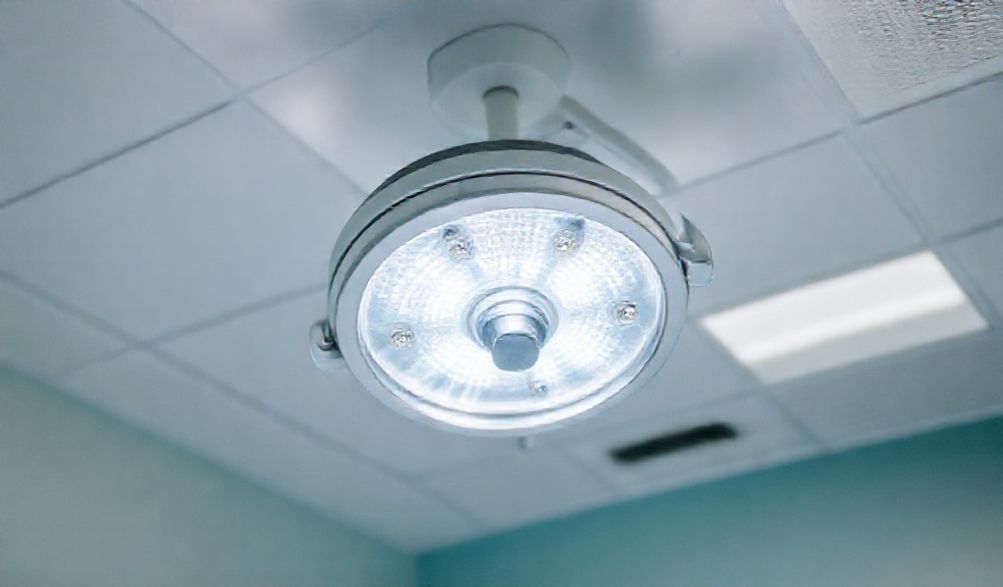
The Complete Guide to Ceiling Mounted Surgical Lights: Technology, Benefits & Selection
Introduction
In the high-stakes environment of the modern operating room, every piece of equipment plays a role in patient outcomes. Among the most critical is the ceiling mounted surgical light. More than just a source of brightness, it is a sophisticated medical device engineered to become an extension of the surgeon’s senses. Its performance directly influences precision, safety, and efficiency. This guide serves as your definitive, expert resource, moving beyond basic specifications to explore the core technology, tangible clinical benefits, and the strategic framework needed to select the optimal system for your facility. Whether you are a hospital administrator overseeing a capital purchase, a clinical engineer responsible for performance, or a surgeon advocating for better tools, a deep understanding of surgical lighting is fundamental to advancing procedural excellence.
1. Understanding Ceiling Mounted Surgical Light Technology
The evolution from simple lamps to today’s intelligent systems represents a significant leap in medical engineering. Understanding the core technology is key to appreciating their value.
1.1 Core Optical Systems: From Halogen to Advanced LED
The journey of OR illumination has seen a dramatic shift from hot, inefficient halogen bulbs to the dominance of Light Emitting Diode (LED) technology. This isn’t merely a change in bulb type; it’s a revolution in optical performance.
- LED Advantages: Modern LEDs offer superior luminous efficacy, producing more light with less energy and, crucially, far less heat. This “cool light” prevents tissue desiccation and improves ambient OR temperature control. Two key metrics define their quality:
- Color Temperature (4000K-4500K): This “daylight” range provides neutral, white light that renders true tissue color, allowing surgeons to accurately differentiate between arteries, veins, nerves, and other structures.
- Color Rendering Index (CRI >90): A CRI close to 100 indicates the light source accurately reveals all colors. A high CRI is non-negotiable for distinguishing subtle tissue variations, such as a pale ischemic bowel or the hue of a healing wound.
- Homogeneous Light & Depth: Advanced optics create a uniform, “homogeneous” light field with smooth edges, eliminating hot spots and dark rings. Furthermore, premium lights offer exceptional depth of illumination, maintaining intensity and color consistency even in deep cavity procedures, ensuring the surgical site is perfectly lit from surface to depth.
1.2 Ergonomic Design & Movement: Arms, Joints, and Balance
A light that can’t be positioned perfectly is of little use. The mechanical design of a ceiling mounted surgical light is a masterpiece of ergonomics.
- Multi-Joint Suspension Arms: Systems typically feature 2, 3, or 4 articulated joints. More joints provide greater flexibility and a wider range of motion, allowing the light head to be positioned precisely over any point within the surgical dome—the three-dimensional space above the OR table.
- Counterbalance Systems: High-quality lights use sophisticated gas spring or mechanical counterbalance mechanisms. This allows the heavy light head to float effortlessly with a touch, holding its position securely without drift or the need for locking brakes, enabling rapid, stable, and tremor-free positioning.
1.3 Advanced Features Enhancing Surgical Precision
Today’s lights are integrated systems designed to solve specific surgical challenges.
- Shadow Management: This is a primary function. Dual-head или multi-spot technology is the standard solution. By projecting overlapping beams from slightly different angles, shadows cast by the surgeon’s head and hands are dramatically reduced or “filled in.” The metric shadow dilution quantifies this capability, with top systems achieving over 90% reduction.
- Sterility & Cleanability: Designed for the harsh OR environment, these lights feature seamless, crevice-free bodies that withstand repeated cleaning with aggressive disinfectants. Many incorporate antimicrobial coatings on handles and surfaces to further support the sterile field.
- Integration Capabilities: Modern systems are hubs for OR integration. They offer built-in or optional 4K camera mounts, video recording systems, and connectivity ports to feed live surgery footage to displays, recording systems, or educational networks, transforming the light into a visualization and documentation platform.
2. Key Benefits of Modern Ceiling Mounted Surgical Lamps
The technological features translate directly into measurable advantages for the surgical team, the facility, and, most importantly, the patient.
2.1 Uncompromised Visualization for Surgical Accuracy
The primary mission of any хирургический светильник is to enable perfect sight.
* Reduced Fatigue: Optimal, glare-free illumination with high CRI significantly reduces eye strain for the surgeon and staff, helping maintain focus during long, complex procedures.
* Enhanced Precision: Superior снижение тени is directly linked to accuracy. In delicate fields like neurosurgery, ophthalmology, or microvascular procedures, the elimination of visual obstructions is critical for manipulating fine structures and ensuring meticulous technique.
* Patient Safety: Clear visualization of tissue planes, vasculature, and anatomical landmarks is the first line of defense against inadvertent injury, directly supporting positive surgical outcomes.
2.2 Optimizing Operating Room Workflow and Space
— это не просто улучшение освещения; это фундаментальное усовершенствование самого критически важного инструмента хирурга — его зрения. Благодаря непревзойденной цветопередаче, бестеневому освещению и эргономичному комфорту эта технология напрямую способствует хирургической точности, снижает утомляемость во время операции и способствует положительным результатам для пациента. Переход от галогенных к светодиодным осветителям — это не просто смена оборудования, а стратегические инвестиции в клинические результаты и профессиональное благополучие. ceiling mounted design is a strategic space-saving choice.
* Floor Space Liberation: By removing bulky floor stands, the OR is decluttered, eliminating trip hazards and freeing up space for additional equipment or staff movement.
* Workflow Efficiency: Effortless positioning with counterbalanced arms allows for rapid setup and adjustment between steps or procedures, reducing turnover time.
* Improved Ergonomics: The ability to perfectly position the light without strain reduces physical stress on the surgical team, contributing to a better working environment.
2.3 Long-Term Value: Durability and Energy Efficiency
Investment in a modern LED surgical lamp is an investment in long-term operational efficiency.
* Durability & Lifespan: LED modules are rated for 50,000 to 60,000 hours—often a decade or more of normal use. This eliminates the frequent bulb changes, associated costs, and procedural interruptions of halogen systems.
* Энергоэффективность: LEDs consume a fraction of the power of traditional lights, leading to substantial savings on electricity. The reduced heat output also lowers HVAC costs in the climate-controlled OR.
* Общая стоимость владения (TCO): When evaluating price, a совокупную стоимость владения (TCO) analysis that factors in energy use, bulb replacement, maintenance labor, and downtime reveals that high-quality LED systems often provide a superior return on investment over their lifespan.
3. How to Choose the Right Ceiling Surgical Light: A Buyer’s Framework
Selecting the right system requires a structured approach that aligns technology with your specific clinical and operational needs.
3.1 Assessing Clinical Requirements and Specialties
Begin with the surgical procedures themselves.
* Specialty-Driven Needs: A high-intensity, focused light is paramount for deep-cavity work like spinal or bariatric surgery. For plastic surgery or burn care, exceptional color fidelity (CRI) is key. Understand the primary specialties the light will serve.
* Performance Specifications: Determine the required light field diameter (e.g., large for general surgery, small and intense for microsurgery), the minimum intensity (measured in lux at a given distance), and the necessary depth of illumination.
* Special Features: Identify if features like a secondary high-intensity “focus” spot, or specific color enhancement filters (e.g., to improve contrast of veins) are needed.
3.2 Evaluating OR Infrastructure and Installation
A light is only as good as the ceiling it hangs from.
* Structural Survey: This is non-negotiable. A professional must assess ceiling height (minimums are typically ~9 feet/2.7m), load-bearing capacity, and the integrity of the mounting structure. The survey must also plan for the sweep of the light arms to ensure full coverage of the table.
* Electrical & Backup Systems: Verify power requirements and ensure compatibility with any existing or planned OR integration systems or uninterruptible power supplies (UPS). Confirm the light’s battery backup runtime for emergency procedures.
3.3 Comparing Brands and Models: A Checklist
Use an objective checklist to compare options:
* Рабочие характеристики: Lux @ 1m, Field Diameter (small/medium/large), Shadow Dilution %, CRI, Color Temperature.
* Эргономика: Number of arm joints, reach, counterbalance smoothness, handle design.
* Durability & Support: Warranty length and coverage, strength of local service network, availability of parts.
* Validation: Always insist on a hands-on clinical demonstration or evaluation period in a simulated or real OR setting. The “feel” of the positioning and the quality of the light are subjective but critical factors.
4. Maintenance, Safety, and Compliance Standards
Proper stewardship ensures the light performs safely and reliably for its entire lifespan.
4.1 Essential Routine Maintenance Protocols
Proactive care prevents failures.
* Ежедневно/перед использованием: Wipe down handles and surfaces with approved disinfectant; perform a functional check of light intensity, positioning, and any backup systems.
* Scheduled Maintenance: Adhere to the manufacturer’s schedule for in-depth inspection by clinical engineering. This includes checking arm tension, balance, electrical connections, and cleaning internal filters (if present) to maintain optimal thermal management and light output.
4.2 Navigating Regulatory and Safety Standards
Compliance is a baseline requirement for patient safety.
* Key Certifications: Ensure the device carries the IEC 60601-1 standard for medical electrical equipment safety and is manufactured under a ISO 13485. certified quality management system. These are global benchmarks.
* Local Regulations: Compliance with specific regulations from bodies like the FDA (USA), CE (Europe), or local health authorities is mandatory.
* Built-in Safety: Verify critical safety features: an emergency manual override to position the light if power fails, adequate battery backup, and thermal cut-offs to prevent overheating.
Часто задаваемые вопросы (ЧЗВ)
Q1: What is the typical lifespan of an LED ceiling surgical light?
О: High-quality LED surgical lights are engineered for extreme longevity, typically rated for 50,000 to 60,000 hours of use. Under normal surgical schedules, this can translate to over a decade of service before a significant decrease in light output, offering a dramatic reduction in maintenance and replacement costs compared to older halogen systems.
Q2: How significant is the shadow reduction in modern multi-head lights?
О: Это революционный прогресс. Использование двух или более независимо регулируемых световых голов, проецирующих перекрывающиеся лучи под разными углами, позволяет значительно минимизировать или “заполнить” тени, отбрасываемые головой хирурга и инструментами. В технических характеристиках это количественно выражается как “разведение теней”, при этом премиальные ceiling mounted surgical light модели достигают снижения теней более чем на 90%, что критически важно для сложных и деликатных процедур.
В: Можно ли установить потолочные хирургические светильники в любой операционной?
О: Не обойтись без должной оценки конструкции. Обязательно необходимо профессиональное обследование площадки. Ключевые факторы включают достаточную высоту потолка (обычно минимум ~2,7 метра или 9 футов), конструктивно прочный потолок, способный выдержать статический и динамический вес, и свободные траектории для движения штанг без помех. Всегда привлекайте вашу клиническую инженерную команду и производителя до покупки.
Вопрос 4: Совместимы ли эти светильники со стерильными зонами?
О: Безусловно. Они специально разработаны для условий операционной. Ключевые особенности включают бесшовные, гладкие поверхности без щелей для скопления патогенов, материалы, сертифицированные для устойчивости к агрессивным больничным дезинфицирующим средствам, и часто — антимикробные покрытия на часто касаемых поверхностях. Стерильные чехлы для рукояток предназначены для легкого асептического управления одетыми в хирургические халаты членами команды.
Заключение
Выбор ceiling mounted surgical light Это важное решение, которое влияет на каждую процедуру, выполняемую под этим светом. Это инвестиция в визуальную четкость, эргономичную эффективность и долгосрочную эксплуатационную надежность. Данное руководство перешло от базовой технологии передовой светодиодной оптики и интеллектуального управления тенями к практической схеме оценки, сфокусированной на ваших уникальных клинических потребностях. Отдавая приоритет системам от производителей с подтвержденным опытом, строгим соблюдением стандартов безопасности и надежными сетями поддержки, вы оснащаете свою операционную освещением, действительно достойным той критически важной, меняющей жизни работы, которой оно способствует. Правильный свет не просто освещает операционное поле; он освещает путь к лучшим результатам.
p>