
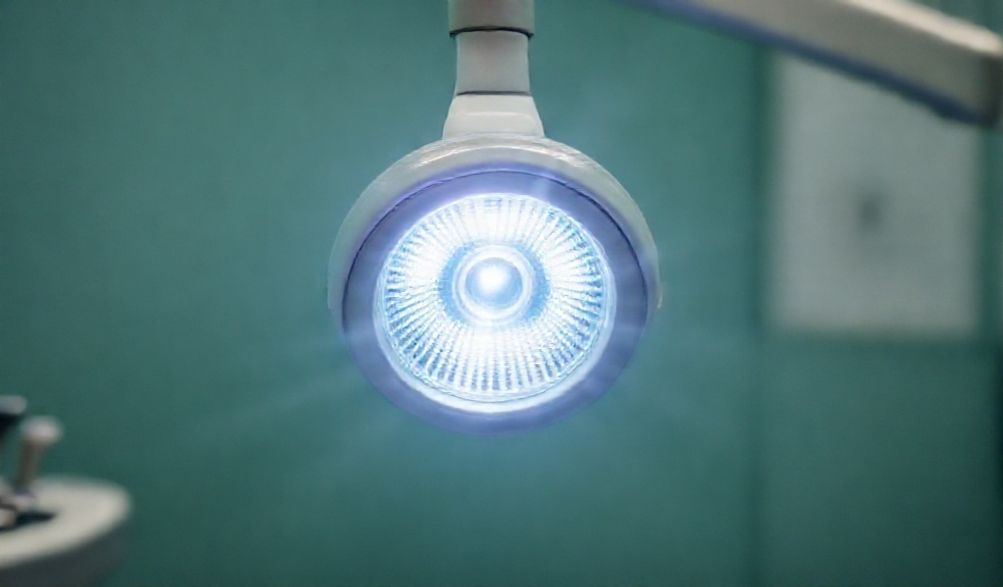
The Ultimate Guide to Dental Headlights: Illuminating Precision in Modern Dentistry
Introduction
In the intricate world of modern dentistry, where precision is measured in millimeters and success hinges on visibility, the right tools are paramount. Among the most critical advancements is the dental headlight. Far more than a simple light, it is an extension of the dentist’s vision, transforming diagnosis and treatment by illuminating the darkest recesses of the oral cavity. Gone are the days of straining under the shadow-casting glare of a traditional overhead lamp. Today’s headlights deliver a focused, brilliant beam directly into the operative field, revealing details that were once hidden.
This guide will serve as your comprehensive resource, exploring the technology, benefits, and essential considerations for choosing a dental headlight. Our analysis is built on expert dental technology reviews, manufacturer specifications, and the practical, first-hand experience of dental professionals, ensuring you receive trustworthy, actionable advice to enhance your clinical practice. Whether you’re a seasoned practitioner looking to upgrade or a new graduate equipping your first operatory, understanding this vital tool is key to achieving clinical excellence.
1. What is a Dental Headlight and Why is it Essential?
This section establishes the fundamental importance of the tool, grounding it in clinical necessity.
1.1. Defining the Modern Dental Headlight
Современная dental headlight is a personal illumination system worn on the head, typically integrated with or mounted to стоматологическими лупами. It consists of a light source (now predominantly LED), a power source (battery pack or wall plug), and a delivery system (a fiber optic or liquid light guide) that channels light into a focused beam. This system moves with the clinician’s line of sight, ensuring that wherever they look, the operative field is perfectly illuminated without shadows or obstructions from their own hands or instruments.
1.2. The Critical Role of Optimal Illumination
The impact of proper lighting is profound and multi-faceted:
* Diagnostic Accuracy: Subtle cracks in enamel, early carious lesions, and variations in soft tissue health are often detectable only under excellent, shadow-free light. A dental headlight can be the difference between early intervention and a missed diagnosis.
* Treatment Precision: In procedures like endodontics, micro-dentistry, or implant placement, seeing fine anatomical details is non-negotiable. Enhanced visibility allows for more conservative tooth preparation, more complete caries removal, and more accurate margin placement.
* Ergonomics & Fatigue Reduction: Straining to see into a poorly lit mouth forces practitioners into awkward, static postures. A bright, focused light allows for a more neutral head and neck position, directly reducing musculoskeletal strain and eye fatigue over long clinical days.
1.3. Evidence of Efficacy
Clinical studies and ergonomic research consistently support the use of magnification and illumination. A study in the Journal of the American Dental Association has highlighted how loupes and lights improve posture. Furthermore, expert consensus from organizations like the Academy of Laser Dentistry and various ergonomic workshops underscores that proper lighting is not a luxury but a core component of modern, sustainable dental practice, directly linked to improved outcomes and extended career longevity.
2. Key Features and Technologies in Dental Headlights
A deep dive into the technical specifications, explained for clinical relevance.
2.1. Light Source Technology: LED vs. Halogen
The heart of any dental headlight is its light source.
* 2.1.1. LED Headlights: Light Emitting Diodes (LEDs) are the unequivocal industry standard today.
* Преимущества: They operate at a cool temperature, preventing patient discomfort and tissue desiccation. Their lifespan is extraordinary—often 50,000 hours or more—meaning they may outlast your career. They are highly energy-efficient, providing intense brightness with minimal power draw, and offer exceptional Color Rendering Index (CRI), crucial for true tissue color visualization.
* 2.1.2. Halogen Headlights: Once the standard, halogen bulbs are now largely obsolete.
* Drawbacks: They generate significant heat, which can be uncomfortable for patients and clinicians. Their lifespan is short (typically 50-100 hours), leading to frequent and costly bulb replacements. Their color temperature tends to be yellower, which can distort tissue appearance.
2.2. Understanding Lighting Specifications
- 2.2.1. Lumens and Lux: These terms are often confused. Lumens measure the total light output from the source. Люкс measures the intensity of light falling on a surface (your operative field). For dentistry, lux at the working distance is the critical metric. For most procedures, 10,000 to 30,000 lux is ideal. Specialized surgical lights may exceed 50,000 lux. Adjustable brightness is a key feature to tailor light to the task.
- 2.2.2. Color Temperature (Kelvin): Measured in Kelvins (K), this describes the “warmth” or “coolness” of light. A daylight-balanced spectrum between 4500K and 5500K is considered ideal for dentistry. This neutral white light mimics natural daylight, allowing for accurate differentiation between tooth structure, caries, composite resins, and gingival tissues. It is essential for precise shade matching in restorative work.
2.3. Ergonomic and Design Considerations
A headlight you don’t want to wear is a poor investment.
* 2.3.1. Weight and Balance: The total weight of the light source, battery (if cordless), and mounting hardware should be minimal and evenly distributed. A front-heavy system will cause neck strain. Aim for systems under 150 grams for the head-mounted components.
* 2.3.2. Adjustability and Comfort: Look for a fully adjustable, padded headband. The light source should have a wide range of tilt and swivel to position the beam exactly where you need it. Effective cable management (for wired models) or a well-designed belt-clip battery (for cordless) is essential to prevent snagging and pulling.
3. How to Choose the Right Dental Headlight for Your Practice
Actionable, experience-based advice for making a purchasing decision.
3.1. Assessing Your Clinical Needs
Your specialty should guide your choice:
* General Dentistry & Restorative: Prioritize a light with excellent color rendering (high CRI, ~5500K) and adjustable, shadow-free illumination in the 15,000-25,000 lux range.
* Endodontics: High intensity (25,000+ lux) is crucial to see deep into pulp chambers and canals. A very focused, narrow beam pattern may be beneficial.
* Oral Surgery & Periodontics: Maximum brightness (30,000-50,000+ lux) and a broader field of view are key for visualizing surgical sites. A cordless model offers greater mobility.
* Hygiene: A lighter, simpler system focused on ergonomics and diagnostic clarity for assessments and cleanings.
3.2. Battery-Powered vs. Wall-Plugged Systems
- 3.2.1. Pros and Cons of Cordless Freedom:
- Преимущества: Unrestricted movement, no cables to manage or trip over, cleaner operatory appearance.
- Недостатки: Added weight from the battery (usually on a belt clip), finite runtime (typically 4-8 hours), and the need to remember to charge it.
- 3.2.2. Pros and Cons of Wired Reliability:
- Преимущества: Unlimited runtime, often slightly higher maximum brightness potential, no battery to degrade over time.
- Недостатки: The cable can be restrictive, may snag, and requires management.
3.3. Compatibility and Integration
This is critical. Your dental headlight must be compatible with your loupes. Most manufacturers design proprietary mounting systems. The safest path is to purchase a headlight from your loupe manufacturer or a third-party brand that explicitly lists compatibility with your specific loupe model and frame. A poorly integrated light will be unstable, misaligned, and uncomfortable.
3.4. Budgeting and Value Analysis
While cost is a factor, view a dental headlight as a long-term investment. A high-quality LED system may have a higher upfront cost than a halogen one, but when you factor in zero bulb replacements, lower energy use, and enhanced comfort, the Total Cost of Ownership (TCO) is often lower. Consider the warranty (3-5 years is standard for good LED systems) and the potential Return on Investment (ROI) through improved efficiency, fewer remakes, and better patient outcomes.
4. Best Practices for Using and Maintaining Your Dental Headlight
Expert guidance on operation and care to ensure longevity and performance.
4.1. Proper Positioning and Adjustment
Take time during setup. Position the light beam to be coaxial (in line) with your line of sight through the loupes. This minimizes shadows. The beam should be focused to cover your entire magnified field of view without excessive spillage. Adjust the tilt so the hotspot is centered on your working area.
4.2. Cleaning and Disinfection Protocols
Follow the manufacturer’s guidelines meticulously. Typically, the external housing and light guide can be wiped down with a clinic-grade disinfectant. The lens should be cleaned gently with a soft, lint-free cloth, often slightly dampened with isopropyl alcohol. Никогда immerse the light source or battery in liquid. Harsh chemicals or abrasive wipes can damage anti-reflective coatings.
4.3. Battery Care and Management (for Cordless Models)
- Use the charger provided by the manufacturer.
- Avoid constantly draining the battery to 0%. Partial discharges are better for lithium-ion batteries.
- If storing the light for an extended period, charge the battery to about 50-60%.
- Be mindful of runtime; develop a habit of placing it on the charger at the end of each day.
4.4. Troubleshooting Common Issues
- **Затухание света:** On a cordless model, this usually indicates a low battery. On a wired model, check connections and the power source. For all LEDs, gradual dimming over years is normal.
- Мерцание: Usually a sign of a poor connection. Check all cable connections and ports.
- Дискомфорт: Re-evaluate the headband fit, weight distribution, and tilt. Often, minor adjustments can resolve pressure points.
5. The Impact on Patient Care and Practice Efficiency
Connecting the technology directly to tangible practice benefits.
5.1. Enhancing Diagnostic Capabilities
A powerful dental headlight turns examination into exploration. It enables the early detection of microfractures, recurrent decay around old restorations, and subtle soft tissue pathologies. This proactive diagnostic capability allows for minimally invasive treatments, preserving more natural tooth structure and improving long-term oral health for the patient.
5.2. Improving Ergonomics and Reducing Practitioner Fatigue
By eliminating the need to crane the neck to catch the overhead light, a headlight promotes a healthier, more upright posture. This reduction in physical strain translates directly to less fatigue, fewer aches and pains, and a significantly lowered risk of career-ending musculoskeletal disorders. It’s an investment in your own health and professional longevity.
5.3. Elevating Patient Experience and Communication
A dental headlight is a powerful communication tool. You can use the bright, focused light and an intraoral mirror to show patients exactly what you see—a craze line, the edge of a failing filling, or the health of their gums. This visual evidence builds immense trust, improves case acceptance, and helps patients become active partners in their own care.
Часто задаваемые вопросы (ЧЗВ)
Q1: Are LED dental headlights really worth the investment?
О: Based on extensive expert reviews and user reports, LED headlights are overwhelmingly considered a superior long-term investment. Their exceptional lifespan (often 50,000+ hours), minimal heat output, and lower energy consumption lead to lower operating costs and enhanced comfort, providing strong value over time.
Q2: What is a good brightness (lumens) for a dental headlight?
О: For most general procedures, a range of 10,000 to 30,000 lux at the working distance is ideal. Very high lumen counts (e.g., 50,000 lux+) are often specialized for surgeries. The key is adjustable brightness to suit different tasks without causing glare or patient discomfort.
Q3: Can I attach any headlight to my dental loupes?
О: Not always. Compatibility is crucial. Most manufacturers design headlights to integrate with their own brand of loupes or use specific mounting brackets. It’s essential to verify compatibility or purchase a system designed to work together from a reputable supplier.
Q4: How do I safely clean the lens of my dental headlight?
О: Always follow the manufacturer’s instructions. Typically, using a soft, lint-free cloth slightly dampened with an approved disinfectant wipe or isopropyl alcohol is recommended. Avoid abrasive materials or harsh chemicals that can scratch coatings or damage the housing.
Q5: How long does the battery typically last on a cordless model?
О: Battery life varies by model and brightness setting. A high-quality cordless LED headlight typically offers 4-8 hours of runtime on a single charge at medium-to-high brightness, which is sufficient for a full clinical day. Look for models with quick-charge capabilities.
Заключение
Выбор и использование высококачественного dental headlight — это не просто покупка оборудования; это прямая инвестиция в клиническое совершенство, благополучие специалиста и высококачественное лечение пациентов. Понимая ключевые технологии — отдавая приоритет светодиодной (LED) системе за её эффективность и чёткость, оценивая эргономичный дизайн для комфорта и подбирая функции в соответствии с вашими конкретными клиническими потребностями — вы можете принять обоснованное, основанное на доказательствах решение. Идеальный dental headlight становится незаменимым помощником, проливая ясный, яркий свет на путь к более точным диагнозам, более прецизионному лечению и более устойчивой, успешной практике. Помните: в тонком искусстве стоматологии лучший обзор — это хорошо освещённый обзор.
p>