
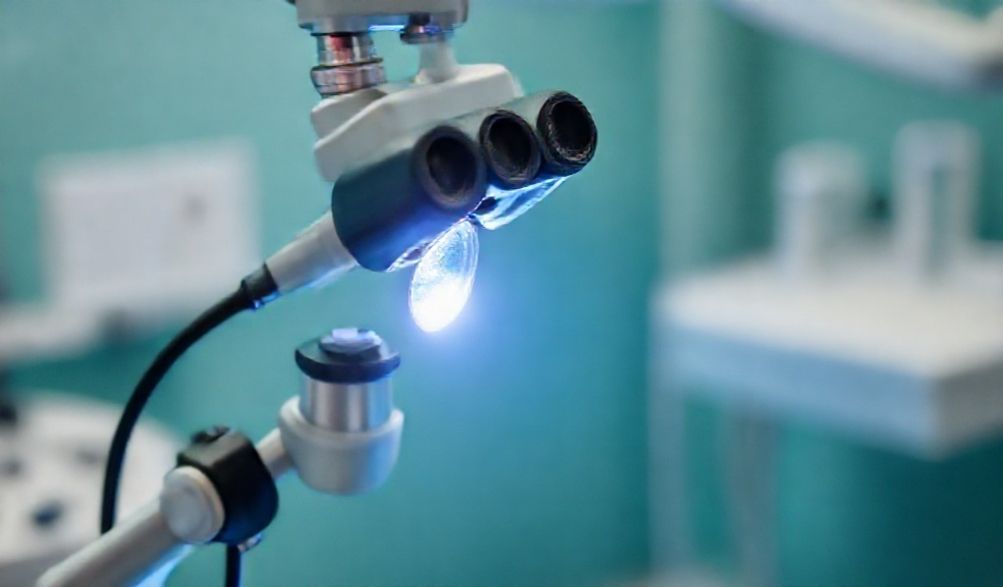
The Ultimate Guide to Dental Hygiene Loupes with Light: Enhancing Precision, Ergonomics, and Patient Care
It’s 3 PM on a busy Friday. You’ve been in operatory three since 8 AM, and a familiar ache is settling into the base of your neck, creeping up into your temples. Your eyes feel dry and strained from the intense focus, and despite your best efforts, you’re hunched over your patient, chasing a shadowy piece of subgingival calculus on a distal molar. You know it’s there—you can feel it with your explorer—but visualizing it clearly under the glare and shadows of the overhead light feels like a battle. This scenario isn’t just a tough day; for many dental hygienists, it’s the daily grind that leads to chronic pain, burnout, and compromised care.
The core challenges of our profession are physical and visual. We work in a profoundly confined space, demanding microscopic precision to identify and remove biofilm and calculus, the enemies of periodontal health. This work, performed for hours in static, awkward postures, takes a devastating toll on the body. But what if the very tool causing your strain—the act of leaning in to see—could be eliminated?
Enter dental hygiene loupes with integrated light. This isn’t just another piece of equipment; it’s a transformative system that fundamentally changes how you practice. By combining magnification with shadow-free illumination, loupes address the two greatest professional challenges hygienists face: the need for exceptional visual acuity and the imperative to protect your physical health.
This guide is designed from the ground up with the practicing hygienist in mind. We’ll move beyond marketing fluff to provide a comprehensive, evidence-based look at why loupes with light are a critical investment, what features truly matter, and how to seamlessly integrate them into your clinical life. Our goal is to empower you with the knowledge to make an informed decision—one that enhances your clinical outcomes, safeguards your career longevity, and elevates the standard of care you provide. Let’s explore how you can work with greater clarity, comfort, and confidence.
Why Dental Hygienists Need Magnification and Illumination: The Evidence-Based Benefits
For decades, loupes were seen primarily as a tool for dentists performing complex restorative or surgical procedures. Today, they are rightly recognized as essential for the precision-driven work of dental hygiene. The benefits are interconnected, creating a powerful synergy that elevates every aspect of your practice.
Unmatched Visual Acuity for Superior Clinical Outcomes
The human eye, unaided, has limitations. Magnification shatters those barriers, revealing a hidden world critical to effective periodontal therapy.
- Seeing the Unseeable: With dental hygiene loupes with light, what was once a faint line becomes a clear margin. Subgingival calculus, often hidden by tissue or fluid, is revealed in stark detail. You can identify early, incipient caries (cavities) in pits and fissures that would otherwise go unnoticed until they became larger lesions. Micro-fractures on enamel, overhanging margins on restorations, and the subtle texture of cementum during root planing all come into focus.
- The Direct Link to Efficacy: This enhanced vision isn’t about seeing даже; it’s about doing better. Studies have shown that clinicians using magnification remove significantly more subgingival calculus than those working with the naked eye. Your scaling strokes become more precise and complete. You can confidently assess your endpoint, knowing you’ve thoroughly debrided the root surface. The result is a direct, measurable improvement in periodontal health outcomes for your patients.
Revolutionizing Ergonomics and Preventing Career-Long Injury
This is perhaps the most compelling reason for a hygienist to invest in loupes. The statistics are alarming: a staggering percentage of dental professionals will experience a work-related musculoskeletal disorder (MSD), with neck and back pain being the most common complaints.
- The Ergonomic Positioning Principle: Without loupes, the instinct is to bring your eyes to the work—you hunch your back and crane your neck forward to get a closer look. Loupes with light reverse this dynamic. They are custom-fitted to your correct working posture. You set your spine in a neutral, upright position, and the optics bring a magnified, illuminated image of the oral cavity to you. This promotes a healthy, sustainable posture for hours on end.
- A Primary Preventive Tool: Think of loupes not as an accessory, but as personal protective equipment (PPE) for your musculoskeletal system. By enforcing neutral posture, they reduce the strain on your cervical spine, trapezius muscles, and lumbar region. Investing in loupes is a proactive investment in preventing chronic pain, career-ending injuries, and the need for costly physical therapy down the road.
The Critical Role of Integrated Coaxial Illumination
Magnification is only half the equation. Light is what brings the magnified image to life. The standard overhead operatory light has significant drawbacks: it creates shadows as your head moves, it’s often blocked by your own hands or instruments, and it can be glaring for the patient.
A loupe-mounted LED light solves these problems:
* Shadow-Free, Focused Light: The light is attached to your loupes, so it shines directly down your line of sight, illuminating exactly what you are looking at. As you move, the light moves with you, eliminating shadows. This coaxial (same-axis) illumination is a game-changer for depth perception and clarity, especially in deep posterior pockets.
* Reduced Eye Fatigue: Your pupils don’t have to constantly dilate and constrict to adjust to varying light levels and shadows. A consistent, bright, white light reduces the muscular effort of focusing, leading to less eye strain and fatigue at the end of the day.
Enhancing Patient Communication and Trust
Clinical excellence builds trust, but sharing that excellence cements it. Dental hygiene loupes with light give you the power to be a better educator.
* With the clarity they provide, you can confidently point out areas of concern. Some loupe systems can even integrate with tiny cameras, allowing you to display a live video of a patient’s calculus deposits or inflamed tissue on a monitor.
* Even without a camera, your ability to describe what you’re seeing in vivid detail—“I can see a significant buildup of calculus here below the gumline that’s contributing to the inflammation”—builds patient understanding and acceptance of your treatment recommendations. You transition from a “cleaner” to a true clinician and educator in their eyes.
Key Features to Consider When Choosing Your Loupes with Light
Not all loupe systems are created equal. Understanding the key components will help you select the perfect tool for your specific needs and budget.
Understanding Magnification: Galilean vs. Prismatic (Through-the-Lens)
There are two main optical systems, each with pros and cons:
* Галилеевы системы: These are typically lighter, more compact, and less expensive. They offer a good depth of field (the range of distance that stays in focus) and a wider field of view. They are excellent starter loupes and are commonly available in lower magnifications (2.0x to 3.5x).
* Prismatic (Through-the-Lens) Systems: These use a series of prisms to fold the light path, allowing for much higher levels of magnification (3.5x to 8x and beyond) in a relatively compact frame. They offer exceptional resolution and clarity but tend to be heavier, have a narrower field of view and depth of field, and are more expensive.
* Recommendation for Hygienists: For most dental hygienists just starting with dental hygiene loupes with light, , Galilean system in the 2.5x to 3.5x range is ideal. It provides a significant visual boost and ergonomic benefit without the steep learning curve or restricted field of view of higher-power prismatic loupes.
Finding Your Perfect Fit: Working Distance and Declination Angle
A one-size-fits-all loupe is worse than no loupe at all. A proper custom fit is non-negotiable for ergonomic benefit.
* Working Distance (WD): This is the distance from your eye (more precisely, the front of the loupe lens) to your focal point in the patient’s mouth. It is measured while you sit in your ideal, upright working posture. A correct WD ensures you are not straining forward or leaning back.
* Declination Angle (DA): This is the angle at which the loupe barrels are tilted downward. A proper DA allows you to look straight ahead with your head upright, and the loupes will direct your gaze naturally into the oral cavity. An incorrect angle will force you to tilt your head, defeating the ergonomic purpose.
Illumination Systems: LED Light Source Comparisons
The “with light” part of dental hygiene loupes with light is crucial. Key factors include:
* Lumens: Measures brightness. For dental procedures, a light in the range of 10,000 to 30,000 lux (a measure of surface illumination) is common. Brighter isn’t always better—it must be comfortable for you and the patient.
* Color Temperature: Measured in Kelvins (K). A cooler, whiter light (5000K-6000K) mimics daylight and provides excellent contrast for detecting caries and calculus. Some prefer a slightly warmer light (4000K-4500K) for reduced glare.
* Battery Life & System: Cordless systems offer complete freedom of movement and are the modern standard. Look for a lightweight battery pack (often worn on a waistband) that provides a full day’s charge. Corded systems are less common now but eliminate battery concerns.
* Beam Pattern: A focused “spot” beam provides intense light on a small area, while a wider “flood” beam illuminates a larger field. Many lights offer adjustable focus.
Frame and Lens Considerations: Comfort for Long-Term Wear
You’ll wear this system for hours, so comfort is paramount.
* Frame Styles: Through-the-Lens (TTL) loupes have the optics permanently mounted in the lenses, offering a streamlined, lightweight design. Flip-Up loupes have a binocular that flips up, allowing you to quickly look away without removing the frame. TTL is generally preferred for its stability and lighter weight.
* Lens Coatings:
* Anti-Reflective (AR) Coating: Essential. It reduces glare from operatory lights, increases light transmission for a brighter image, and makes your lenses less visible to patients, improving eye contact.
* Blue Light Filtering: May help reduce long-term exposure to high-energy blue light from LEDs.
* Scratch Resistance: Protects your significant investment.
A Step-by-Step Guide to Selecting and Adapting to Your New Loupes
The Professional Assessment: Working with a Reputable Vendor
Never buy loupes online without a fitting. This is a precision medical device.
1. Seek Specialists: Look for vendors who employ certified opticians or representatives specifically trained in dental ergonomics and loupe fitting.
2. The Fitting Process: An ideal fitting measures your interpupillary distance (IPD), determines your ideal Рабочее расстояние и Declination Angle, and lets you try different frame styles and magnifications. Many reputable companies now offer highly accurate remote fitting kits with detailed instructions.
3. Ask About Trial Periods and Warranties: A good company will stand behind its product with a warranty on optics and frame, and may offer a period to adjust to the loupes.
The Adaptation Period: Building Muscle Muscle Memory and Proficiency
Your brain and body need time to adjust to this new way of seeing and working.
* Timeline: Allow a consistent 1–2 недель of use. The first few days may feel awkward.
* Practical Tips:
* Start Simple: Use them first for oral inspections, charting, and simple supragingival scaling before tackling difficult, deep scaling.
* Practice Hand-Eye Coordination: Your instruments will appear in a different spatial relationship. Practice moving a probe or mirror in and out of focus.
* Move Your Chair, Not Your Back: Re-learn to use your chair positioning to bring the patient’s mouth into your fixed focal zone, rather than bending to reach.
* Делайте перерывы: Initially, take your loupes off for a few minutes every hour to let your eyes relax.
Maintenance and Care: Protecting Your Investment
Относитесь к своим лупам как к прецизионным инструментам, каковыми они и являются:
* Протоколы регулярной очистки и профилактического обслуживания Clean lenses only with a microfiber cloth and approved lens spray (never paper towel or clothing). Gently wipe down the frame.
* Хранение: Always store them in a hard, protective case when not in use.
* Уход за аккумулятором: Follow the manufacturer’s charging instructions. Don’t let the battery fully deplete regularly.
* Periodic Check-ups: Ежегодно проверяйте юстировку и плотность прилегания оправы, а также после падений.
Часто задаваемые вопросы (ЧЗВ) о стоматологических лупах с подсветкой для гигиенистов
В: Стоит ли гигиенисту инвестировать в лупы с подсветкой?
О: Безусловно. Возврат инвестиций (ROI) многогранен. Он включает: Клинический ROI (лучшие результаты лечения пациентов, более тщательный уход), ROI для здоровья (профилактика хронической боли, потенциал для более долгой и здоровой карьеры) и Профессиональный ROI (уверенность в себе, снижение усталости, укрепление доверия пациентов). Это одно из самых значимых вложений в себя как в специалиста.
В: Какой бюджет разумен для качественного начального комплекта?
О: Качественная галилеева dental hygiene loupes with light система от проверенного бренда обычно начинается в диапазоне от 1 200 до 2 500 долларов США. Призматические системы и системы с расширенными функциями/камерами будут дороже. Хотя стоимость имеет значение, ставьте во главу угла ценность — правильную посадку, качественную оптику и надежное обслуживание — а не самую низкую цену. Многие компании предлагают варианты финансирования.
В: Можно ли использовать стоматологические лупы для других задач, например, чтения или работы за компьютером?
О: Нет. Стоматологические лупы разработаны для конкретного, фиксированного рабочего расстояния и угла наклона. Использование их для чтения (на значительно меньшем расстоянии) или работы за компьютером (под другим углом) вызовет сильное напряжение глаз, головные боли и боль в шее. Это специальный эргономичный инструмент для клинических процедур.
В: Как убедить работодателя помочь с финансированием этой покупки?
О: Подойдите к этому как к профессиональному деловому предложению. Подчеркните преимущества для практики::
* Повышение качества ухода: Приводит к лучшим результатам лечения и удовлетворенности пациентов.
* Повышение эффективности и производительности: Лучшая визуализация способствует более тщательной и уверенной работе.
* Снижение рисков: Меньшая вероятность производственной травмы у ключевого члена команды, что снижает прогулы и текучесть кадров.
* Укрепление репутации практики: Демонстрирует инвестиции в передовые инструменты.
Предложите поделиться полученными знаниями с командой или предоставить отчет по итогам пробного периода о замеченных преимуществах.
Заключение
Путешествие по этому руководству подчеркивает один четкий посыл: dental hygiene loupes with light Лупы с подсветкой больше не являются роскошью для избранных; это важный, фундаментальный инструмент для современного специалиста по стоматологической гигиене. Они предлагают мощную триаду преимуществ: Улучшенное зрение, которое повышает вашу клиническую эффективность, революционная эргономика, которая защищает ваш самый ценный актив — ваше здоровье, и мощное коаксиальное освещение, которое устраняет тени и усталость.
Переосмыслите эту покупку. Это не просто приобретение оборудования; это инвестиция в сам фундамент вашей практики. Это так же фундаментально для вашей способности оказывать превосходный, устойчивый уход, как качественный ультразвуковой скейлер или острый кюрет. Ставя во главу угла свое зрительное и физическое благополучие, вы делаете шаг к долгой, здоровой и насыщенной карьере на передовой пациентоориентированной помощи.
Сделайте следующий шаг. Поговорите с коллегами, которые используют лупы. Изучите авторитетные компании, известные своим опытом в подгонке и поддержкой клиентов. Запланируйте консультацию или запросите набор для примерки. Ощутите разницу, которую дает четкое зрение, комфортная работа и практика с непревзойденной точностью. Ваши пациенты — и ваше будущее «я» — скажут вам за это спасибо.
p>