
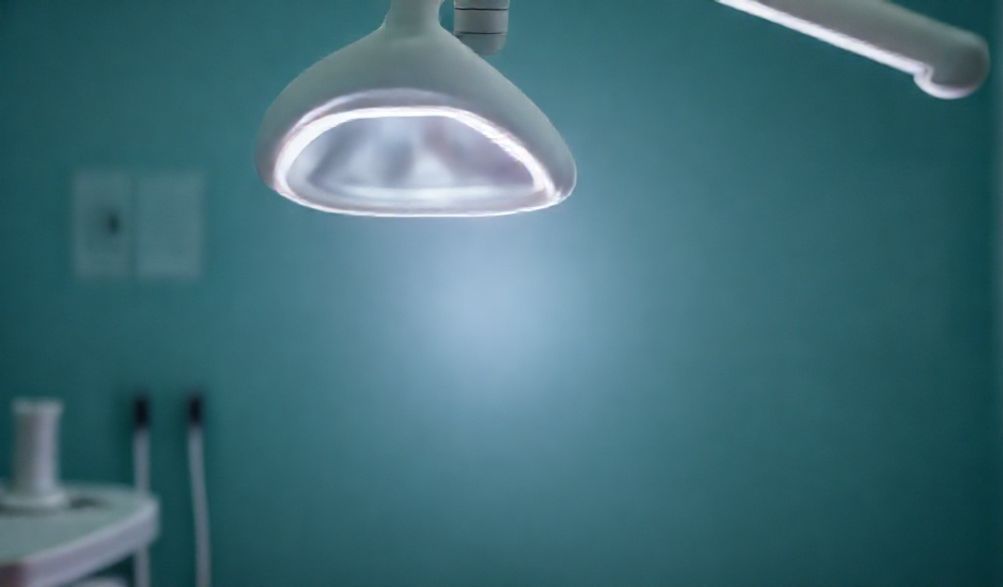
The Ultimate Guide to Dental Lights: Enhancing Precision, Safety, and Patient Comfort
Picture this: you’re a dentist, leaning in for a critical moment in a root canal procedure. The canal is narrow, the margins are minuscule, and the success of the treatment hinges on seeing every minute detail. Or, imagine you’re the patient, reclining in the chair, feeling a wave of anxiety as a bright, hot light shines directly in your eyes. In both scenarios, one piece of equipment is central to the experience—the dental light.
Far from being a simple overhead lamp, the modern dental light is a sophisticated, ergonomic instrument that sits at the very heart of clinical excellence. It is a tool that directly impacts diagnostic accuracy, procedural efficiency, long-term practitioner health, and the overall comfort of the patient. This guide is designed to be a comprehensive, evidence-based resource for dental professionals—from seasoned practitioners and hygienists to practice managers—and even informed patients. We will delve into the critical role of dental lighting, break down the technology behind it, provide a framework for selecting the right system, and outline best practices for maintenance. By understanding the nuances of this essential tool, you can make informed decisions that elevate the standard of care in your practice.
Why Dental Lighting is a Cornerstone of Modern Dentistry
A dental light’s primary function seems obvious: to illuminate the oral cavity. However, its influence extends far beyond basic visibility, touching every aspect of the clinical encounter.
Beyond Illumination: The Clinical Impact of Proper Lighting
The quality of light directly correlates with the quality of diagnosis and treatment. Inadequate or poor-quality lighting can mean the difference between detecting an incipient carious lesion or missing it entirely. It can obscure a hairline crack in a tooth or subtle changes in soft tissue that might indicate oral pathology. For restorative work, especially with composite resins or ceramics, accurate color matching is paramount. This is where specifications like the Индекс цветопередачи (CRI) become critical. A light with a low CRI can distort colors, leading to a restoration that looks perfect under operatory lights but mismatched in natural daylight—a frustrating outcome for both clinician and patient. Proper lighting is, therefore, the first line of defense in accurate diagnosis and the foundation of aesthetic, successful restorations.
Ergonomics and Practitioner Well-being: Reducing Fatigue and Strain
Dentistry is physically demanding, with practitioners often maintaining static, awkward postures for extended periods. A poorly positioned or inflexible dental light forces the clinician to contort their neck and back to see into the patient’s mouth, contributing to musculoskeletal disorders (MSDs). Studies by occupational health bodies consistently highlight dentistry as a high-risk profession for chronic neck, back, and shoulder pain.
A modern, ergonomic light acts as a partner in clinician health. With smooth, multi-jointed articulation, it can be positioned precisely where needed without forcing the dentist into a strained posture. Features like shadow reduction ensure the operative field is evenly lit from the correct angle, minimizing the need for constant head movement and adjustment. Investing in a good light is a proactive investment in the long-term health and career longevity of the dental team.
The Patient Experience: Minimizing Anxiety and Discomfort
The patient’s perspective is equally important. A traditional halogen light can emit significant heat, causing discomfort on the patient’s face. Harsh, glaring light shining directly into their eyes can be intimidating and unpleasant, heightening anxiety.
Contemporary LED dental lights are designed with patient comfort in mind. They produce minimal radiant heat, a welcome relief during longer procedures. Advanced optics and diffusers reduce glare, making the experience less invasive. Furthermore, the overall ambiance of a well-lit operatory contributes to the patient’s psychological comfort. A clean, modern space illuminated by a cool, bright, shadow-free light projects an image of professionalism, technology, and care, helping to build trust and ease apprehension before the procedure even begins.
Understanding Dental Light Technology: Key Features Explained
To make an informed choice, it’s essential to understand the technical specifications that define a light’s performance.
LED vs. Halogen: A Comparison of Light Sources
The shift from halogen to LED represents the most significant advancement in dental light technology in recent years.
-
LED (Light Emitting Diode): This is now the industry standard for new equipment. Benefits are substantial:
- Холодная работа: LEDs emit very little infrared radiation, keeping the operative field and the patient’s face cool.
- Энергоэффективность: They consume up to 70% less power than halogen bulbs.
- Long Lifespan: LED modules often last 50,000 hours or more, essentially a decade of clinical use, eliminating frequent bulb changes.
- Стабильный выходной сигнал: Light intensity and color temperature remain stable throughout their lifespan.
-
Галогенное: Once ubiquitous, halogen lights are now considered legacy technology.
- Traditional Use: They produce light by heating a filament, offering a familiar quality of light.
- Key Drawbacks: They generate intense heat, have a short bulb life (typically 500-1,000 hours), and their color temperature shifts (becomes redder) as the bulb ages, affecting color accuracy.
Decoding the Specifications: Lux, CCT, and CRI
These three metrics are crucial for evaluating a light’s performance.
-
Lux (Illuminance Intensity): This measures how much light falls on a surface. For dentistry, a general recommendation is 20,000 to 40,000 lux at the working distance (typically 30-40cm from the light head). Surgical procedures may require even higher intensities. Insufficient lux leads to eye strain and poor visibility.
-
Коррелированная цветовая температура (CCT): Measured in Kelvins (K), this describes the “warmth” or “coolness” of white light.
- Warm White (3000K-4000K): Has a yellowish hue.
- Daylight/Cool White (4500K-5500K): Considered the ideal range for dentistry. It provides high contrast, reduces eye fatigue, and offers a neutral white light that does not distort tissue or material colors.
-
Индекс цветопередачи (CRI): On a scale of 0-100, this measures a light’s ability to reveal the true colors of objects compared to natural sunlight. For clinical accuracy, a CRI of 90 or higher is essential. A high CRI ensures that the shade of a tooth or restorative material you see is accurate, preventing mismatches.
Design and Mechanics: Articulation, Coverage, and Shadow Control
The physical design determines how usable the light is in daily practice.
- Articulation: A light should have multiple, fluid joints (often 4-5) that allow it to be positioned effortlessly and stay firmly in place. A lightweight arm reduces operator fatigue.
- Coverage: This involves field diameter (the width of the illuminated area) and depth of illumination (how evenly light is maintained as you focus deeper into the mouth). A good light provides a wide, deep, and uniformly bright field.
- Shadow Control: The goal is to eliminate shadows cast by the clinician’s head and hands. This is achieved through clever optical design, often using multiple LED arrays or special reflectors that fill shadows from multiple angles.
How to Choose the Right Dental Light for Your Practice
Selecting a light is a strategic decision. Here’s a framework to guide your choice.
Оценка конкретных потребностей вашей практики
Start by auditing your clinical activities. Does your practice focus on general dentistry, surgery, endodontics, or orthodontics? A surgical practice might prioritize extreme intensity and a small, focused spot. A general practice will want a balance of wide coverage and high intensity. Consider the number of operators sharing a light and the specific layout of each operatory.
Mounting Options: Ceiling, Wall, or Chair Mount?
The mount affects flexibility and space utilization.
- Потолочное крепление: Offers the greatest range of motion and keeps the floor and chair area clear. Ideal for multi-doctor practices or operatories where space is tight. Requires professional installation.
- Настенное крепление: A cost-effective and space-saving solution, but its range is limited to the wall side of the patient chair.
- Chair Mount: Attaches directly to the dental chair. It’s often the most affordable and portable option but can limit independent movement of the chair and light.
Evaluating Total Cost of Ownership
Look beyond the sticker price. Calculate the Общая стоимость владения (TCO) over 5-10 years:
* Initial Purchase Price
* Energy Costs: LED lights offer dramatic savings here.
* Replacement Parts: Halogen bulbs are a recurring cost; LED modules rarely need replacement.
* Гарантия и обслуживание: A longer, comprehensive warranty adds value and reduces long-term risk.
While LED lights have a higher upfront cost, their superior TCO, coupled with clinical benefits, makes them the unequivocally smarter investment.
Essential Features Checklist for Your Purchase Decision
Must-Have Features:
* LED light source.
* CRI ≥ 90.
* CCT between 4500K-5500K.
* Minimum 20,000 lux intensity.
* Smooth, multi-joint articulation with a lightweight arm.
* Effective shadow reduction technology.
* Easy-to-clean, smooth surfaces compatible with disinfectants.
Nice-to-Have Features:
* Touchless (gesture or voice) activation.
* Integrated HD camera for documentation.
* Wireless control via foot pedal or remote.
* Programmable preset positions.
Установка, техническое обслуживание и передовые практики
Proper setup and care ensure your investment performs optimally for years.
Proper Installation for Optimal Performance and Safety
Especially for ceiling mounts, professional installation by a certified technician is non-negotiable. They will ensure the light is securely anchored, positioned at the correct height for your typical operatory setup, and has the full, intended range of motion without obstruction.
Протоколы регулярной очистки и дезинфекции
— это не просто улучшение освещения; это фундаментальное усовершенствование самого критически важного инструмента хирурга — его зрения. Благодаря непревзойденной цветопередаче, бестеневому освещению и эргономичному комфорту эта технология напрямую способствует хирургической точности, снижает утомляемость во время операции и способствует положительным результатам для пациента. Переход от галогенных к светодиодным осветителям — это не просто смена оборудования, а стратегические инвестиции в клинические результаты и профессиональное благополучие. dental light handle is a high-touch surface and must be disinfected between every patient, following strict infection control standards.
- Consult Manufacturer Guidelines: Always start here. They specify which cleaning agents are safe for the light’s materials.
- Follow CDC/OSHA Protocols: Use an EPA-registered, intermediate-level disinfectant wipe.
- Standard Procedure: Turn the light off and allow it to cool. Thoroughly wipe all handles, switches, and any touch surfaces. Allow the prescribed contact time for the disinfectant to work. Wipe dry if required. This process is crucial for patient and staff safety and is a cornerstone of professional practice.
Устранение распространённых проблем
- Мерцающий или тусклый свет: For LED lights, this usually indicates a power supply or control module issue. For halogen, the bulb may be nearing end-of-life.
- Неподвижная или опускающаяся рука: This may require adjustment of the tension in the joints (per manufacturer instructions) or servicing.
- Общее правило: For any electrical issue, internal malfunction, or physical damage to the arm, contact a qualified service technician. Do not attempt internal repairs.
Часто задаваемые вопросы (ЧЗВ) о стоматологических светильниках
Q: How often should dental light bulbs be replaced?
О: LED modules are designed to last 50,000+ hours (often a decade or more) with no routine replacement. Traditional halogen bulbs typically need replacement every 500-1000 hours of use. Always adhere to the manufacturer’s recommended maintenance schedule.
Q: Can the bright light harm my eyes or my patient’s eyes?
О: Modern dental lights are engineered to minimize direct glare and harmful UV emissions. Clinicians should avoid looking directly at the light head and use patient mirrors for indirect illumination. Protective eyewear for both the patient and the dental team is always recommended for comfort and safety.
Q: Are dental lights with a “cool” or “warm” light better?
О: A Correlated Color Temperature (CCT) in the “daylight” range of 4500K to 5500K is generally considered ideal. This cool white light reduces eye strain, provides excellent contrast for seeing details, and offers a neutral color balance that does not distort the appearance of teeth or restorative materials.
Q: Is it worth upgrading our old halogen lights to LED?
О: In almost every case, yes. The upgrade pays for itself through significant energy savings (60-70% reduction), the elimination of bulb replacement costs and downtime, the removal of patient discomfort from heat, and, most importantly, through improved light quality that enhances diagnostic and restorative outcomes. It is a direct investment in clinical efficiency and quality.
Q: How do I properly disinfect the light handle between patients?
О: Use an intermediate-level disinfectant wipe that is compatible with the handle’s plastic or metal coating. Ensure the light is turned off and cool to the touch. Wipe all surfaces thoroughly, ensuring contact for the time specified on the disinfectant label. Crucially, always cross-reference the disinfectant’s instructions with the light manufacturer’s cleaning guidelines to avoid damaging the equipment.
Заключение
The humble dental light is, in reality, a pillar of modern dental practice. It is a critical tool that enhances diagnostic precision, safeguards the physical well-being of the clinician, and directly improves the comfort and perception of the patient. Choosing the right light is not merely an equipment purchase; it is an investment in clinical excellence, practice efficiency, and the long-term health of your team.
Ключевым моментом является принятие обоснованных решений, основанных на понимании технологий (таких как CRI и CCT) и соответствующих вашим конкретным клиническим потребностям. Мы рекомендуем использовать данное руководство в качестве основы для оценки вашей текущей системы. Проведите аудит освещения в ваших операционных, проконсультируйтесь с авторитетными поставщиками стоматологического оборудования и, по возможности, организуйте практические демонстрации различных моделей. Правильное освещение действительно способно пролить свет на более высокий стандарт оказания медицинской помощи.
p>