
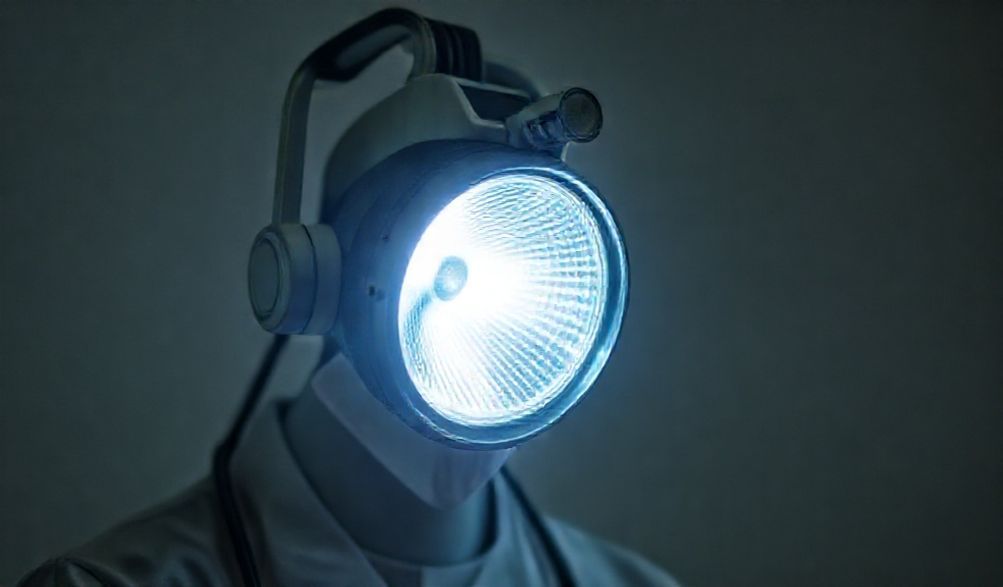
The Ultimate Guide to Doctor Head Lamps: Choosing the Best for Precision & Patient Care
For medical professionals, clear visualization is not just a convenience—it’s a critical component of accurate diagnosis and successful treatment. In the intricate world of surgery, dental procedures, emergency medicine, and detailed examinations, proper illumination directly impacts outcomes. A standard overhead light or a handheld flashlight simply cannot provide the focused, shadow-free light required for modern precision medicine. This guide is designed by reviewing medical equipment specifications and consulting with healthcare procurement specialists to provide a trusted, comprehensive resource on the doctor head lamp. We’ll move beyond basic features to explore how the right headlamp enhances ergonomics, reduces fatigue, and ultimately supports superior patient care, helping you make an informed investment in your most vital tool: clear sight.
What is a Medical Head Lamp and Why is it Essential?
A medical head lamp is a specialized, hands-free lighting system designed to provide intense, focused illumination directly aligned with the user’s line of sight. Unlike general-purpose lights, it is engineered as a professional medical instrument, meeting specific clinical requirements for brightness, color accuracy, sterility, and comfort during prolonged use.
Beyond a Flashlight: The Role of Focused Illumination in Medicine
The fundamental difference lies in the principle of coaxial illumination. This means the light source is aligned with your visual axis, virtually eliminating shadows that your head would normally cast when using an offset light source. When you look at a surgical site or a wound, the light goes exactly where you are looking. This creates a bright, even field of view within deep cavities or confined spaces—something impossible to achieve with overhead OR lights alone, which can be obstructed by the surgeon’s own hands and instruments. A high-quality doctor head lamp transforms your vision, revealing subtle textures, tissue planes, and vascular details critical for decision-making.
Key Medical Applications and Specialties
The utility of a medical headlamp spans numerous disciplines:
* Surgery (General, Plastic, ENT, Neurosurgery): Essential for illuminating deep cavities in abdominal, pelvic, or reconstructive surgeries. In ENT and neurosurgery, it provides crucial light into narrow canals and openings.
* Dentistry & Endodontics: A cornerstone of modern practice, providing brilliant, focused light into the oral cavity for procedures ranging from routine restorations to complex root canals, ensuring no detail is missed.
* Emergency & Trauma Medicine: Allows for hands-free, immediate assessment of patients in poorly lit environments (ambulances, trauma bays, field situations) while keeping both hands free for intervention.
* Ветеринария: Meets the same procedural needs for surgical and diagnostic work on animal patients.
* Detailed Physical Examinations: Invaluable in dermatology for assessing lesions, in wound care for debridement and evaluation, and in any specialty requiring close visual inspection.
Critical Features to Evaluate in a Doctor Head Lamp
Selecting the right headlamp requires careful consideration of several technical and ergonomic factors. This isn’t about finding the “brightest” light, but the most appropriate tool for your specific clinical work.
Light Source & Quality: LED Types, Color Temperature, and CRI
Modern medical headlamps exclusively use светодиодные технологии for its cool operation, exceptional energy efficiency, long lifespan (often 50,000+ hours), and instant-on capability.
Two metrics are paramount for clinical accuracy:
1. Color Temperature: Measured in Kelvins (K), this describes the “warmth” or “coolness” of light. For medical use, a neutral white light (4500K to 6000K) is standard. This range mimics natural daylight, providing the most accurate perception of tissue colors without the yellow tint of warm light or the harsh blue cast of very cool light.
2. Индекс цветопередачи (CRI): This is arguably the most critical specification. CRI measures a light source’s ability to reveal the true colors of objects compared to natural light. A CRI of 90 or higher (out of 100) is essential for medical use. A high CRI allows you to confidently distinguish between arterial and venous blood, identify subtle tissue inflammation, differentiate pathological from healthy tissue, and accurately assess skin tones. A light with poor CRI can make tissues look washed out or misleading, posing a clinical risk.
Brightness, Beam Focus, and Adjustability
- Lumens vs. Lux: Lumens measure total light output, while Lux measures light intensity per unit area. For a focused doctor head lamp, Lux (spot intensity) is more important than total Lumens. You need concentrated light in a small area, not a diffuse glow.
- Beam Adjustability: The ability to change the beam from a tight spot (for deep cavity work) to a wider flood (for examining larger surface areas) is a key feature. This flexibility adapts the tool to different tasks without changing devices.
- Dimming: Smooth, continuous dimming is vital. It allows you to lower the intensity for close-up work to avoid blinding reflections or to adapt to ambient light levels, reducing eye strain over long procedures.
Power Source & Ergonomics: Balancing Weight and Runtime
The power system directly impacts comfort and usability.
* Battery Types: Rechargeable Lithium-ion (Li-ion) battery packs are the modern standard, offering good capacity and no “memory effect.” Disposable batteries are now rare in professional systems.
* Battery Pack Location:
* On-Headband: Offers ultimate freedom of movement with no cables but concentrates all weight on your head, which can cause neck strain during very long procedures.
* Remote (Waist/Belt): Moves the heaviest component (the battery) off your head, significantly improving balance and comfort for extended use. A thin, lightweight cable connects to the lamp.
* Runtime: A professional system should deliver 2 to 6+ hours of runtime on high power on a single charge. Always check runtime specifications at the brightness level you intend to use most.
Comfort & Hygiene: Design for Long Procedures
If the headlamp isn’t comfortable, you won’t wear it properly, compromising its benefit.
* Оголовье: Look for padded, adjustable straps with secure, easy-to-use buckles. Moisture-wicking and hypoallergenic materials are a plus. A 4-point or 5-point suspension system distributes weight more evenly than a simple elastic band.
* Weight & Balance: A lighter lamp is generally better, but balance is equally important. A well-designed lamp with a remote battery pack often feels lighter than a heavier all-in-one unit because the weight is better distributed.
* Возможность очистки: The housing and headband must be easily wipeable with standard hospital-grade disinfectants. Look for smooth, sealed surfaces without crevices. Some headbands are fully washable or have removable pads.
Comparing Top Types and Models of Medical Headlamps
Understanding the broad categories of systems will help narrow your search.
Corded vs. Cordless Systems: A Trade-Off Analysis
- Проводные системы: Powered by a base station or wall outlet. They offer неограниченное время работы and can often drive brighter, more powerful light engines. The primary drawback is the physical tether of the cable, which requires management and can limit mobility.
- Беспроводные системы: The dominant choice for most modern applications due to freedom of movement.
- Battery on Headband: Completely wireless. Ideal for specialties like dentistry or procedures with a lot of repositioning where a cable would be a constant nuisance.
- Remote Battery Pack: Considered the best balance for long-duration use (e.g., multi-hour surgeries). It removes weight from the head while maintaining most mobility.
Overview of Reputable Medical Brands
The market features several established brands, each with its own strengths. It is crucial to consult with authorized medical device suppliers and arrange hands-on demos to assess personal fit, beam quality, and comfort.
- Brands like Keeler and Heine: Often highlighted for their superior optics, precise beam control, and strong reputation in surgical fields, particularly microsurgery and ophthalmic surgery.
- Brands like Enova and Admetec: Known for innovative, ergonomic designs, often featuring excellent color accuracy (high CRI) and systems tailored for dental and clinical examination workflows.
- Brands like Sunnex and Luxamed: Offer robust and reliable systems that provide strong value and performance for general medical, veterinary, and procedural use.
Безопасность, обслуживание и лучшие практики
Protecting your investment and ensuring patient safety requires proper care.
Ensuring Electrical and Clinical Safety
- Regulatory Marks: Always ensure the doctor head lamp has appropriate regulatory clearances for your region, such as разрешение FDA, in the US or маркировку CE in Europe, indicating it is approved as a medical device.
- Thermal Management: Ensure the lamp housing does not become excessively hot during prolonged use, which could pose a risk to you or the patient.
- Equipment Compatibility: In sensitive environments like the OR, verify with your biomedical department that the headlamp’s electronics will not interfere with other critical equipment.
Cleaning, Sterilization, and Daily Care Protocol
The manufacturer’s instructions for use (IFU) are the ultimate authority and must be followed.
* General Guidelines: Typically, the light body and lens can be gently wiped down with a soft cloth dampened with an approved disinfectant (e.g., 70% isopropyl alcohol). Avoid abrasive cleaners or submerging the unit unless it has a specific IP (Ingress Protection) rating for liquid resistance.
* Headband Care: Fabric or foam headbands may require cleaning with a mild detergent or disinfectant wipe. Some models have removable, autoclavable or washable pads.
* Lens Protection: Use only recommended cleaning methods to avoid scratching the optical lens, which can scatter light and reduce performance.
Maximizing Battery Life and Long-Term Performance
- Charging: Follow the manufacturer’s charging guidelines. For Li-ion batteries, avoid consistently draining them to 0%. Partial discharges and recharges are better than full cycles. Use the provided charger.
- Хранение: If storing the device for an extended period, store the battery at a partial charge (around 50%) in a cool, dry place.
- Обслуживание: Be aware of the warranty period. If performance drops significantly (e.g., runtime is drastically shorter), contact the manufacturer or authorized service center for battery replacement or assessment.
Часто задаваемые вопросы (ЧЗВ)
В: Какая характеристика хирургической налобной лампы является самой важной?
О: Хотя яркость и комфорт крайне важны, высокий индекс цветопередачи (CRI >90) является, пожалуй, наиболее критичной характеристикой для хирургии. Он позволяет точно дифференцировать ткани, артерии, вены и патологические структуры, что является основой точности и безопасности пациента.
В: Можно ли использовать обычную походную налобную лампу для медицинских процедур?
О: Это не рекомендуется и потенциально небезопасно. Универсальные налобные фонари не обладают необходимой точностью цветопередачи (высокий CRI), сфокусированной оптикой, уменьшающей тени, и возможностью надлежащей стерилизации, требуемой для клинического использования. Они не разработаны и не сертифицированы как медицинские изделия.
В: Как долго должен работать аккумулятор качественной медицинской налобной лампы?
О: Качественная перезаряжаемая система должна обеспечивать от 2 до 6+ часов непрерывной работы на максимальной мощности от одного заряда. Многие модели предлагают опциональные аккумуляторы повышенной емкости для более длительных процедур.
В: Какая лампа лучше для стоматологии: беспроводная или проводная?
О: В современной стоматологии подавляющее предпочтение отдается беспроводным моделям. Полная свобода движений без необходимости управлять кабелем крайне важна при постоянном перемещении вокруг кресла пациента, что повышает эффективность рабочего процесса и комфорт.
В: Как правильно очищать медицинскую налобную лампу?
О: Всегда следуйте конкретным инструкциям производителя по очистке и дезинфекции. Как правило, непористые поверхности можно протирать одобренным для клиник дезинфицирующим средством. Для оголовья может потребоваться другой метод. Никогда не погружайте световой блок или аккумулятор в жидкость, если это прямо не указано в руководстве.
Заключение
Выбор doctor head lamp — это важное профессиональное решение, которое балансирует между техническими характеристиками, личным комфортом и конкретными клиническими требованиями. Идеальная лампа перестает быть просто оборудованием и становится естественным, расширяющим возможности продолжением ваших собственных чувств. Она обеспечивает надежное, естественное освещение, которое минимизирует напряжение глаз, повышает точность процедур и снижает физическую усталость. Расставляя приоритеты таким важным характеристикам, как высокий CRI, эргономичный дизайн и подходящая для вашей специальности система питания, вы инвестируете не просто в инструмент — вы инвестируете в более высокий стандарт оказания помощи и уверенность в диагностике для каждого пациента. Используйте это руководство как основу для оценки, и мы настоятельно рекомендуем проконсультироваться с авторизованными дилерами медицинского оборудования, чтобы лично протестировать модели. Правильный выбор для вашей практики и ваших пациентов стоит тщательного рассмотрения.
p>