
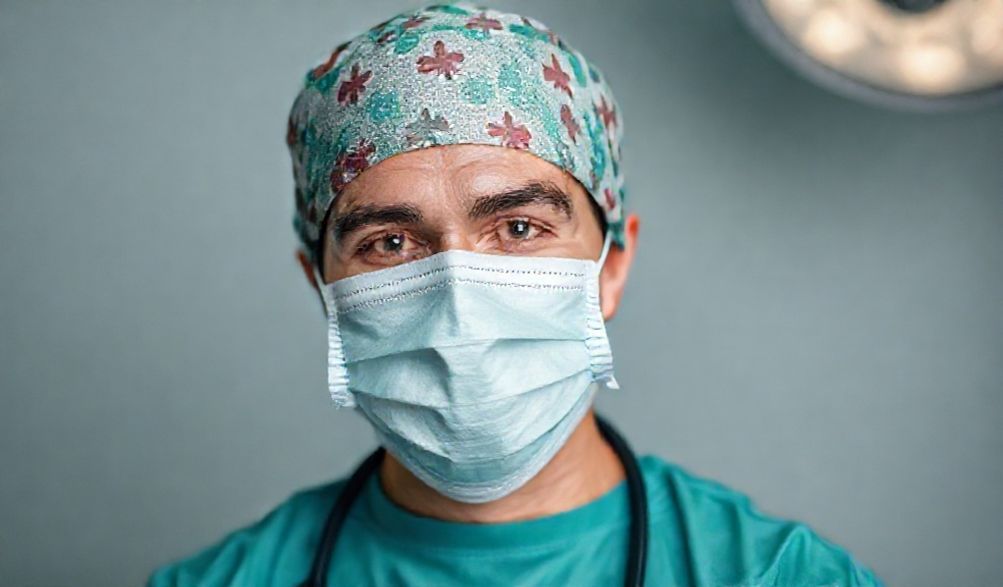
Doctor Headbands: A Guide to Comfort, Hygiene, and Professional Style in Healthcare
Picture this: you’re six hours into a complex surgical procedure, and a bead of sweat threatens to trace a path from your temple toward your eye. Or perhaps you’re on a frantic 12-hour ward shift, constantly looking down at charts and patients, and a stray strand of hair keeps falling across your field of vision. Maybe you’re about to start your fifth telemedicine consultation of the morning and want to ensure you look as polished and professional as you feel. In each of these common healthcare scenarios, a simple, often-overlooked tool makes all the difference: the doctor headband.
Far more than a casual accessory, a well-chosen headband is a critical piece of a medical professional’s toolkit. It sits at the intersection of clinical necessity, personal comfort, and professional presentation. This comprehensive guide is designed for physicians, surgeons, nurses, medical students, and procurement staff seeking an evidence-based understanding of this essential item. We’ll move beyond aesthetics to explore the functional benefits, material science, stringent hygiene protocols, and professional considerations involved in selecting and using a doctor headband effectively. Our goal is to provide practical advice that aligns with the rigorous standards of инфекционный контроль and professional decorum expected in healthcare environments.
Why Doctors Wear Headbands: More Than Just a Fashion Statement
While a pop of color or pattern can express personal style, the decision to wear a headband in a clinical setting is rooted in practical, often protocol-driven reasons. Understanding these reasons reframes the headband from an optional accessory to a functional piece of professional gear.
Primary Function: Hygiene and Infection Control
This is the foremost, non-negotiable reason for wearing a headband in patient care areas. Its role is twofold:
- Barrier Against Contaminants: The skin is a constant source of microscopic particles (squames). A headband acts as a primary barrier, absorbing sweat and trapping skin cells that could otherwise be shed into the environment. This is a fundamental principle of Standard Precautions, which are designed to minimize the risk of transmission of microorganisms from both recognized and unrecognized sources.
- Secure Hair Containment: Loose hair is not just a personal nuisance; it’s a potential vector for pathogens and a violation of sterile field integrity. In environments like the Operating Room (OR), Intensive Care Unit (ICU), or during sterile procedures, policies mandate that all hair be completely contained. A headband works in tandem with caps or ties to ensure not a single strand escapes, protecting the patient and maintaining the sterile field.
Enhancing Focus and Comfort
The physical demands of healthcare work are immense. Long hours, high-stakes decisions, and constant motion require unimpeded focus.
- Eliminating Distractions: Sweat in the eyes or hair constantly brushing the face is more than annoying—it’s a distraction that can break concentration during a delicate task. A headband wicks moisture away and holds hair securely in place, creating a consistent, irritation-free physical state.
- Promoting Sustained Performance: Comfort directly correlates with endurance. By managing moisture and keeping hair off the face and neck, a headband helps regulate temperature and prevent the minor irritations that can compound over a long shift, allowing clinicians to maintain their focus on patient care.
Professional Presentation and Identity
In healthcare, appearance communicates competence, attention to detail, and respect for patients and colleagues.
- Polished In-Person Presence: A neat, functional headband contributes to a tidy overall appearance. It signals that the professional has taken care to meet hygiene and dress code standards, fostering patient confidence and trust.
- The Telehealth Essential: The rise of telemedicine has added a new dimension. On camera, from the shoulders up, a clean, simple headband ensures a professional look. It manages flyaways and frames the face neatly, projecting an image of organization and control, which is paramount in a virtual consultation where physical cues are limited.
Key Features to Look for in a Medical-Grade Headband
Not all headbands are created equal for clinical use. When selecting a doctor headband, specific features determine its effectiveness, safety, and longevity. Here’s what to evaluate:
Material Matters: Breathability and Durability
The fabric is your first consideration. It must balance moisture management, comfort, and resilience.
- Moisture-Wicking Synthetics: Fabrics like polyester, nylon, or specialized blends (e.g., CoolMax) are engineered to pull sweat away from the skin to the outer surface of the fabric, where it evaporates quickly. This keeps you dry, cool, and prevents the headband from becoming a soaked, heavy band.
- Cotton and Terry Cloth: While natural and absorbent, cotton can retain moisture, becoming damp and heavy. It may also break down faster under the strain of frequent, hot washes. Terry cloth is highly absorbent but can be bulky.
- Key Takeaway: Приоритет: breathability. A non-breathable material can trap heat and moisture against the skin, creating an uncomfortable microenvironment and potentially compromising skin integrity.
Design for Function: Fit, Width, and Closure
A headband must stay put without causing discomfort, and its design should accommodate other medical equipment.
- Fit: It should be snug enough not to slip during vigorous movement but never so tight it causes a headache or leaves a deep, lasting indent. Many medical professionals prefer a wide, non-roll band for greater stability and sweat absorption.
- Non-Slip Grip: Silicone strips or a textured inner lining are invaluable features that prevent the headband from sliding back, especially for those with finer hair.
- Accommodating Gear: Consider your other tools. Does the headband’s bulk interfere with the arms of your glasses or a stethoscope? Does it sit comfortably under loupes or a surgical headlight? A lower-profile, seamless design is often best for compatibility.
Practical Considerations: Laundering and Longevity
In healthcare, anything worn during patient contact is considered contaminated. Your headband’s care routine is non-negotiable.
- Washability: The material must withstand daily, high-temperature washing (ideally 60°C/140°F or higher) with a disinfecting detergent without shrinking, warping, or degrading.
- Colorfastness: Colors should not bleed, especially if washed with other clinical attire like scrubs.
- Прочность: Look for reinforced stitching and high-quality elastic that retains its tension over dozens of wash cycles. The headband should look and perform well for months, not weeks.
Headbands in Different Medical Environments
The “right” headband can vary significantly depending on the clinical setting and its specific rules and demands.
The Operating Room: Sterility is Paramount
In the OR, the priority is absolute. Headwear is not a matter of personal preference but of strict protocol.
- Disposable Bouffant Caps: In many hospitals, a disposable, lint-free bouffant cap is mandatory. These often have an integrated, wide headband to absorb sweat at the forehead.
- Reusable Options: Some facilities allow specific, approved reusable skull caps or headbands, but they must be lint-free to prevent contamination of the sterile field and withstand institutional sterilization processes.
- Compliance is Key: Always adhere to your hospital’s specific policy and guidelines from bodies like the Association of periOperative Registered Nurses (AORN). The rule here is universal: all hair, without exception, must be covered.
Clinical and Ward Settings: Daily Comfort and Versatility
On the floors, in the ER, or in outpatient clinics, the focus shifts to all-day comfort and practicality during dynamic, patient-facing work.
- The 12-Hour Shift Test: The headband must remain comfortable and effective from the first patient to the last. Breathable, moisture-wicking materials are crucial.
- Versatility and Quick Changes: For professionals moving between isolation rooms or procedures, having a spare, clean headband in a locker or pocket allows for a quick change to maintain hygiene standards without interruption.
- Professional Appearance: Here, personal style within institutional guidelines can shine through. Solid colors, subtle patterns, or brand logos from reputable medical apparel companies are common and accepted.
Telemedicine and Consultations: The On-Camera Professional
For virtual care, the headband’s role is almost entirely about creating a trustworthy, professional on-screen presence.
- Managing Appearance: It tames flyaways and keeps hair neatly off the face, ensuring the clinician looks put-together and focused.
- Minimalist and Neat: Simple, solid-colored, non-distracting headbands are ideal. The goal is for the patient to focus on the consultation, not the accessory.
- A Symbol of Preparedness: Just as one would don a white coat for an in-person visit, putting on a neat headband for a video call is a ritual that signals the start of professional, dedicated patient care.
Hygiene Protocol: Using and Caring for Your Headband Correctly
This is the most critical section of this guide. The best headband is only as good as the hygiene practices surrounding it. Failure here negates all its benefits.
The Golden Rule: Treat it as a Potential Fomite
A fomite is an inanimate object that can carry and transmit infectious agents. Your doctor headband is a fomite.
- Contaminated After Use: Consider your headband contaminated after a single clinical shift or patient encounter, just like your scrubs, stethoscope, and pen.
- Hand Hygiene is Paramount: Avoid touching or adjusting your headband during patient care. If you must (e.g., to push it back up), you must perform hand hygiene immediately afterward before touching the patient or any clean surface.
Washing and Disinfection Guidelines
Adhere to these steps without exception:
- Frequency: Wash after every single use. No exceptions.
- Process: Wash in hot water (minimum 60°C/140°F) using a disinfecting laundry detergent.
- Drying: Tumble dry on a high heat setting until completely dry. The heat cycle is a crucial part of the disinfection process.
Rotation and Replacement Schedule
- Own Multiple: Invest in at least 3-5 identical or similar headbands. This ensures you always have a clean one ready and allows for a proper wash/dry cycle.
- Know When to Retire: Replace your headband when you notice:
- Stretched-out, loose elastic that no longer provides a secure fit.
- Faded, pilled, or thinning fabric.
- A persistent odor that doesn’t wash out (a sign of embedded microbial growth).
Frequently Asked Questions (FAQ) About Doctor Headbands
Q: Are doctor headbands required by hospital policy?
О: It depends entirely on the department and institution. Policies are almost universally strict in sterile areas like the Operating Room, mandating full hair coverage. In other clinical areas, it may be optional but strongly encouraged as a best practice for hygiene and professionalism. Always consult your specific hospital’s dress code and infection control manuals.
Q: Can I wear a decorative or fabric headband in a clinical setting?
О: При непосредственном уходе за пациентами ключевыми факторами являются простота и возможность стирки. Избегайте повязок со стразами, бусинами или грубой текстурой, которые могут накапливать бактерии или цепляться за оборудование. В нестерильных зонах допустимы простые хлопковые или полиэстеровые модели с рисунком, если это разрешено в вашем учреждении. В стерильных зонах разрешены только одобренные модели, не оставляющие ворсинок.
В: Как выбрать правильный размер?
О: Повязка должна плотно прилегать, но не сдавливать. Она не должна вызывать головную боль от давления или оставлять глубокий красный след на лбу дольше, чем на несколько минут после снятия. Многие бренды предлагают размерные сетки, основанные на обхвате головы (измеряется по самой широкой части, чуть выше ушей). Регулируемые повязки на липучке или крючках обеспечивают наиболее индивидуальную посадку.
В: Где можно приобрести надежные медицинские повязки на голову?
О: Они широко доступны из нескольких источников:
* Поставщики медицинской одежды/униформы: Бренды, такие как Figs, Medelita, Jaanuu и Cherokee, специализируются на медицинской одежде и часто продают функциональные повязки, предназначенные для клинического использования.
* Крупные розничные сети: Amazon, Walmart и Target предлагают широкий ассортимент, часто от спортивных брендов (таких как Nike, Under Armour), чья технология отвода влаги идеально подходит для медицинского применения.
* Специализированные спортивные бренды: Бренды, ориентированные на бег, йогу или теннис, часто производят отличные, прочные, влагоотводящие повязки, которые идеально подходят для работы в сфере здравоохранения.
Заключение
A doctor headband Это не просто полоска ткани; это продуманно разработанный инструмент, решающий ключевые задачи современного здравоохранения: поддержание строгого инфекционного контроля, обеспечение личного комфорта во время напряженной работы и сохранение профессионального имиджа как в физическом, так и в виртуальном пространстве. Самое важное — его эффективность зависит от последовательного и правильного использования в рамках надежной системы личной гигиены.
Выбор повязки, изготовленной из технической дышащей ткани, с надежной посадкой и способной выдерживать ежедневную горячую стирку, — это первый шаг. Решающий второй шаг — интегрировать ее в свой распорядок с той же тщательностью, что и гигиену рук: рассматривать ее как потенциальный фактор передачи инфекции, стирать после каждого использования и заменять при появлении признаков износа.
Мы рекомендуем оценить ваши потребности, исходя из вашей специализации и рабочей среды. Приобретите несколько высококачественных функциональных повязок. Сделайте уход за ними неотъемлемой частью вашей ежедневной клинической рутины. Таким образом, вы превратите простой аксессуар в интеллектуальный, стратегический компонент вашей профессиональной практики, позволяя сосредоточиться на главном: предоставлении качественной помощи пациентам.
p>