
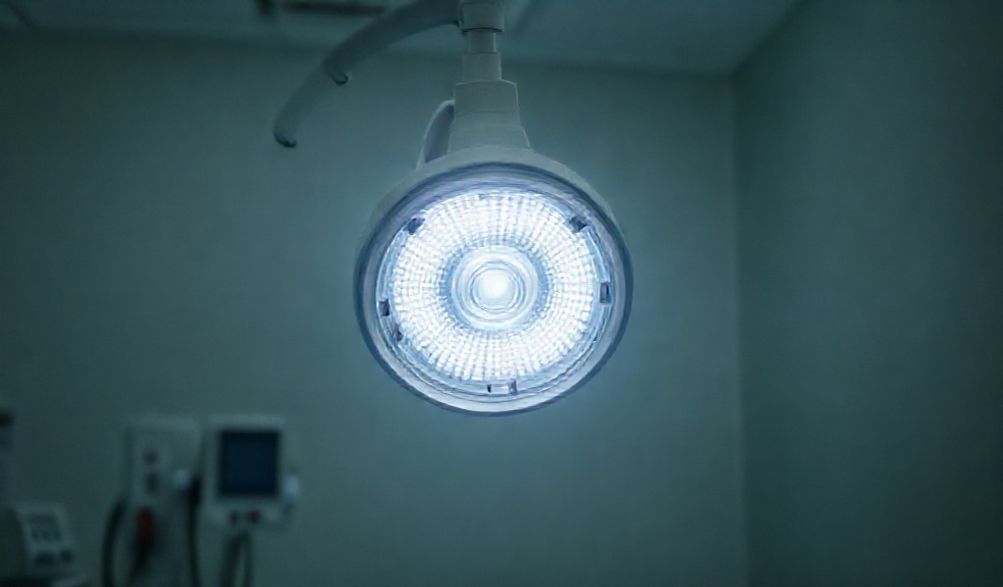
Examination Lights: A Comprehensive Guide to Optimal Clinical Illumination
In the intricate dance of medical diagnosis, few tools are as fundamental—and yet as frequently overlooked—as the humble Смотровой светильник. Imagine a dermatologist scrutinizing a subtle rash, a dentist detecting early caries, or a surgeon identifying the precise border of a tissue plane. In each scenario, the quality of illumination directly dictates the accuracy of the assessment. Subpar lighting is more than an inconvenience; it’s a clinical risk factor, contributing to eye strain, diagnostic uncertainty, and procedural error. This pillar page serves as the definitive resource on examination lights, detailing their types, key features, clinical applications, and selection criteria to ensure both practitioner efficacy and patient comfort.
Our guide synthesizes insights from diverse clinical environments—from bustling general practice clinics to specialized surgical suites—grounded in the principles of optical engineering, clinical ergonomics, and stringent industry standards (such as ANSI and IEC). We reference established medical device manufacturers and clinical best practices, committing to an objective, evidence-based comparison. Our goal is to provide the most trusted, in-depth resource on the topic, empowering you to make an informed decision that prioritizes patient safety, staff well-being, and diagnostic confidence.
What is an Examination Light? Defining Clinical Illumination
At its core, an examination light is a specialized medical device designed to provide optimal illumination for inspection, diagnosis, and minor procedures. Unlike general ambient lighting, it is a tool of precision.
Core Purpose and Importance in Medical Diagnostics
The primary purpose of an exam light is to reveal what the unaided eye might miss. Quality clinical lighting achieves three critical goals:
1. Enhances Diagnostic Accuracy: It illuminates details—variations in tissue color, texture, and morphology—that are essential for correct diagnosis. Proper lighting can mean the difference between spotting a precancerous lesion or overlooking it.
2. Reduces Practitioner Fatigue: Inadequate or flickering light forces the eye to constantly adjust, leading to significant strain and headaches during long clinical hours. A stable, bright, and well-directed light source preserves visual comfort and focus.
3. Improves Procedural Safety and Efficiency: Whether suturing a laceration or performing a dental restoration, clear, shadow-reduced illumination allows for more precise and faster work, directly impacting patient outcomes and clinic throughput.
Key Components and Basic Technology
While designs vary, most modern examination lights share a common anatomy:
* Light Source: The heart of the system. Historically halogen or fluorescent, now almost universally LED (Light Emitting Diode) for its efficiency and performance.
* Light Head: Houses the light source and optics. Its design determines the quality of the light beam, including shadow control and field uniformity.
* Arm or Boom: The articulated structure that positions the light head. It typically features multiple joints with a counterbalance mechanism (often gas spring or mechanical) for smooth, effortless, and stable positioning.
* Mounting System: How the light is affixed: ceiling, wall, track, floor stand, or mobile cart.
* Control Unit: Allows the user to adjust intensity (dimmability) and, on some models, color temperature. Controls can be on the light head, arm, or a remote footswitch.
Key Features and Specifications: What to Look For
Choosing an exam light requires understanding its technical specifications. Here are the non-negotiable factors.
Brightness and Intensity (Measured in Lux)
Lux measures illuminance—how much light falls on a surface. Clinical needs vary:
* General Examination: 1,000 – 5,000 lux is often sufficient for routine physical exams.
* Detailed Procedures: Dental work, minor surgery, and wound inspection may require 10,000 to 30,000 lux or more at the center of the beam.
Crucially, the light must be dimmable. The ability to reduce intensity is vital for patient comfort (especially in ophthalmology or ENT) and for matching light levels to the specific task.
Color Temperature and Color Rendering Index (CRI)
These two metrics define the quality of the white light.
* Color Temperature (measured in Kelvins, K): Describes the hue of white light. “Warm” light (~3000K) is yellowish, “cool” light (~6000K) is bluish. For clinical work, a neutral white light between 4000K and 5500K is ideal. It provides bright, clear illumination without distorting tissue colors, closely mimicking natural daylight.
* Индекс цветопередачи (CRI): This is arguably more critical. CRI (scale 0-100) measures a light’s ability to reveal the true colors of objects compared to natural light. A high CRI (>90, with >95 being excellent) is essential for accurately distinguishing between shades of red (inflammation vs. healthy tissue), blue (cyanosis), yellow (jaundice), and the subtle hues of oral mucosa or skin lesions.
Shadow Reduction and Field of Illumination
A single-point light source casts harsh, obstructive shadows. Modern exam lights use advanced optics to minimize this:
* Multi-LED Arrays: Multiple LEDs arranged in a ring or matrix, often with a central lens, create overlapping beams that fill in shadows from instruments or the practitioner’s hands.
* Specialized Reflectors: Engineered reflectors can shape and spread the light to create a uniform, wide field of illumination, ensuring the entire area of interest is evenly lit.
Mobility, Reach, and Positioning (Articulation)
The best light is useless if it can’t be positioned exactly where needed.
* Reach: The horizontal and vertical distance the light head can cover from its mount. Ensure it can cover all potential examination points in your room.
* Articulation: Arms should have multiple, smoothly articulating joints. A quality counterbalance system allows the light head to float effortlessly and stay securely in place once positioned, without drift or droop.
* Возможность очистки: Light heads and handles are high-touch areas in a clinical environment. They should be designed with seamless, sealed housings that can withstand frequent cleaning and disinfection with hospital-grade agents.
Types of Examination Lights for Different Clinical Needs
The ideal exam light depends entirely on your clinical workflow and physical space.
Ceiling-Mounted Examination Lights
- Преимущества: Maximizes floor space, offers the greatest range of motion and unobstructed access to the patient from any angle. Ideal for operating rooms, procedure rooms, and dedicated examination suites.
- Недостатки: Requires professional installation, potentially involving structural ceiling reinforcement. Less flexible if room layouts change frequently.
Wall-Mounted and Track Systems
- Преимущества: A versatile compromise. Frees up floor space while offering lateral movement along a track. Perfect for clinics with multiple exam areas or where flexibility is needed. Easier to install than ceiling mounts.
- Недостатки: Reach is limited to the track’s length and the arm’s extension.
Portable and Diagnostic Examination Lights
- Преимущества: Hand-held, pen-sized, or on small mobile stands. Often rechargeable. Provides ultimate flexibility for quick exams, emergency response, home visits, or as a supplementary light source.
- Недостатки: Limited brightness and battery life compared to fixed systems. Not suitable as a primary light for detailed, lengthy procedures.
Specialized Lights: Dental, Surgical, and ENT
- Dental Lights: Often integrated into the delivery unit. Feature very high intensity (up to 50,000+ lux), excellent shadow reduction (for work inside the oral cavity), and sometimes built-in saliva ejectors or cameras.
- Surgical Lights (Overhead): While similar in concept, these are more complex, providing deep-cavity illumination with extreme shadow control via multiple LED clusters. They are a category beyond standard exam lights.
- ENT/Headlights: Often worn by the practitioner, providing a focused, coaxial light beam directly in the line of sight, essential for examining narrow cavities like ears, nose, and throat.
The Evolution to LED: Why It’s the Modern Standard
The shift from halogen to LED technology has been transformative for clinical lighting.
Advantages Over Halogen and Fluorescent
- Energy Efficiency & Cool Operation: LEDs consume up to 80% less energy than halogen bulbs. More importantly, they emit very little infrared radiation, meaning the light beam is “cool” and won’t heat up the patient’s skin or the practitioner’s hands—a significant comfort and safety advantage.
- Long Lifespan & Reliability: A quality LED module can last 50,000 to 100,000 hours, effectively eliminating the cost and hassle of frequent bulb replacements common with halogen systems.
- Instant On & Flicker-Free: LEDs reach full brightness immediately and, with a good driver, produce consistent, flicker-free light that reduces eye strain.
- Design Flexibility: The small size of LEDs allows for innovative optical designs in slim, modern light heads.
Understanding LED Quality and Longevity
Not all LEDs are equal. Long-term performance depends on:
* Thermal Management: LEDs degrade with heat. A well-designed light head will have an effective heat sink to dissipate heat away from the LED chips.
* Driver Quality: The electronic driver regulates power to the LED. A high-quality driver ensures stable output, precise dimming, and protects against power surges.
* Lumen Maintenance: Look for specifications like “L70” or “L90,” which indicate the number of hours the LED will operate before its light output falls to 70% or 90% of its initial brightness. This is a more meaningful metric than simple “total lifespan.”
How to Choose the Right Exam Light for Your Practice
Selecting an exam light is a strategic investment. Follow this decision-making framework.
Assessing Your Clinical Workflow and Space
Create a simple checklist:
* Размеры помещения: Ceiling height, room width/depth, location of exam chair/table.
* Primary Procedures: What will you use the light for most? Routine checks, detailed wound care, minor surgery?
* Number of Rooms: Do you need identical lights in every room, or does a specialized room require a different type?
* User Height: Ensure the light’s travel range accommodates all practitioners who will use it.
3. Бюджетирование: первоначальная стоимость против совокупной стоимости владения
Look beyond the sticker price:
* Первоначальные затраты: Стоимость приобретения светильника и его установки.
* Общая стоимость владения (TCO): Includes energy consumption (LEDs save significantly), replacement bulbs/parts (minimal with LED), and potential maintenance costs. A higher-quality, more expensive LED light often has a lower TCO over 5-10 years than a cheaper halogen alternative.
Prioritizing Features Based on Your Specialization
- Dermatology/Plastic Surgery: CRI is paramount. Seek the highest CRI (>95) for impeccable color accuracy.
- Surgery/Minor Procedures: Приоритет: maximum intensity and superior shadow reduction.
- General Practice/Family Medicine: Сосредоточьтесь на versatility, ease of positioning, and a good balance of intensity and color quality.
- Pediatrics/ENT: Учтите Регулировка яркости и холодный свет для комфорта пациента и, возможно, специализированный налобный осветитель.
Безопасность, обслуживание и лучшие практики
Стандарты электрической и клинической безопасности
Любой медицинский осветительный прибор для обследования должен соответствовать IEC 60601-1, международному стандарту безопасности медицинского электрического оборудования. Данная сертификация гарантирует защиту от поражения электрическим током, механических опасностей и чрезмерного нагрева. Всегда проверяйте соответствие.
Протоколы регулярной очистки и дезинфекции
Точно следуйте инструкциям производителя. Как правило:
* Используйте мягкую ткань, смоченную мягким моющим средством или рекомендованным дезинфицирующим средством больничного класса.
* Избегайте абразивных чистящих средств или растворителей, которые могут повредить линзы или корпус.
* Следите, чтобы жидкость не попадала в вентиляционные отверстия или элементы управления.
* Очищайте рукоятки и световые головки после каждого контакта с пациентом.
Устранение распространённых проблем
- Мерцание или снижение яркости: Сначала проверьте соединения с питанием. Для светодиодных светильников это часто указывает на неисправность драйвера.
- Неподвижная или опускающаяся рука: Механизм противовеса может потребовать регулировки или обслуживания. Не прилагайте чрезмерных усилий.
- Светильник не включается: Проверьте источник питания, предохранители, а также соединения ножной педали или блока управления.
- При возникновении сомнений: При любых проблемах электрического или механического характера обращайтесь к производителю или квалифицированному сервисному технику. Не пытайтесь выполнять внутренний ремонт самостоятельно.
Часто задаваемые вопросы (ЧЗВ) об осветительных приборах для обследования
В1: Какова идеальная цветовая температура для общего осветительного прибора для обследования?
О: Обычно рекомендуется нейтральный белый свет в диапазоне от 4000K до 5500K. Он обеспечивает яркое, четкое освещение без желтого оттенка теплого света или резкого синего оттенка очень холодного света, что позволяет точно оценивать цвет и состояние тканей.
В2: Насколько важен индекс цветопередачи (CRI) для медицинского осветительного прибора?
О: Крайне важен. CRI 90 или выше (по шкале от 0 до 100) считается отличным для клинических условий. Это гарантирует максимально точную передачу цветов кожи, крови, тканей и медикаментов при искусственном освещении, что крайне важно для диагностики.
В3: Можно ли использовать стандартную светодиодную настольную лампу в качестве осветительного прибора для обследования?
О: Нет. Медицинские осветительные приборы для обследования — это регулируемые устройства, разработанные в соответствии со специфическими стандартами интенсивности, точности цветопередачи, управления теплом и безопасности (такими как защита от брызг и простота очистки). Стандартные лампы не соответствуют этим клиническим требованиям и могут привести к диагностическим ошибкам.
В4: Как часто следует заменять светодиодный осветительный прибор для обследования?
О: Светодиоды имеют очень длительный срок службы (часто 50 000 часов). Как правило, их не заменяют периодически, а используют до выхода из строя или морального устаревания. Однако механические части (такие как штанги и шарниры) могут требовать обслуживания. Следуйте рекомендованному производителем графику технического обслуживания.
В5: Существуют ли осветительные приборы для обследования, разработанные для комфорта пациента?
О: Да. Такие особенности, как технология “холодного света” (минимальное лучистое тепло), бесшумная работа и плавное, с уменьшенными тенями освещение, способствуют комфорту пациента и снижают тревожность во время обследования.
Заключение
Выбор осветительного прибора для обследования — это критически важная инвестиция в клиническую точность, эргономику для специалиста и качественный уход за пациентом. Это не просто бытовой прибор; это основной диагностический инструмент. Решение должно приниматься на основе четкого понимания ключевых факторов: достаточной и регулируемой интенсивности (люкс), безупречного качества цвета (высокий CRI и нейтральная CCT), эффективного контроля теней, а также форм-фактора, который соответствует вашему клиническому рабочему процессу и пространству.
. Данное руководство основано на практических клинических потребностях и строгих технических спецификациях, что позволит вам выйти за рамки маркетинговых заявлений и сделать осознанный, основанный на фактах выбор. Мы рекомендуем вам провести аудит освещения в вашей текущей практике, использовать изложенные здесь критерии в качестве рабочего листа для выбора и, что наиболее важно, проконсультироваться с надежными поставщиками медицинского оборудования. По возможности, лично или на демонстрации ознакомьтесь со светильниками и протестируйте их, чтобы оценить их удобство, производительность и соответствие вашим конкретным потребностям перед покупкой.
p>