
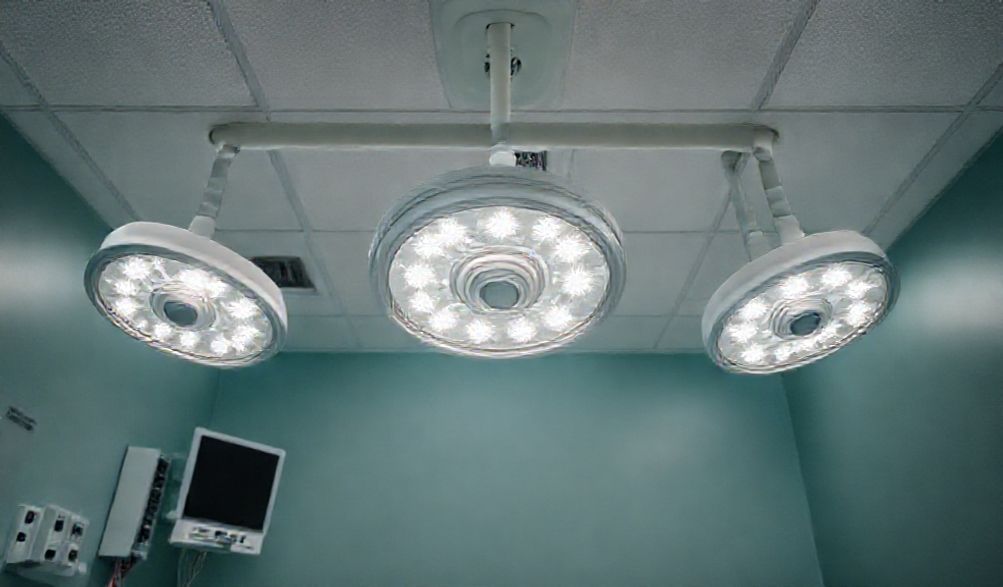
Optimizing Exam Room Lighting: A Guide to Safety, Focus, and Patient Care
When we envision a medical exam room, our minds often conjure images of advanced diagnostic machines, sterile stainless steel, and crisp white linens. Yet, there is a foundational element, frequently overlooked, that profoundly influences every interaction within those four walls: the lighting. More than a simple utility, exam room illumination is a critical clinical tool, a component of patient care, and a determinant of workplace efficiency. The quality, intensity, and color of light can mean the difference between an accurate diagnosis and a missed detail, between an anxious patient and a reassured one. This comprehensive guide explores the science, standards, and strategic implementation of optimal lighting, transforming your exam room into a space that actively supports practitioner precision and patient well-being.
The Critical Role of Lighting in Medical Examination Spaces
Lighting in healthcare is a powerful, multi-faceted element of the physical environment. It directly interfaces with human biology, psychology, and performance, making it far more consequential than in typical commercial settings.
Impact on Diagnostic Accuracy and Clinical Tasks
Visual acuity is paramount in medicine. From discerning the subtle yellow hue of jaundice in sclera to evaluating the erythema or drainage of a complex wound, clinicians rely on their eyesight as a primary diagnostic tool. Inadequate lighting—whether too dim, plagued by glare, or distorting true color—directly compromises this tool.
- Detail and Contrast: Fine details, such as tiny lacerations, early-stage rashes, or the markings on a syringe, require high-contrast, shadow-free illumination. Poor lighting can obscure these details, leading to oversights.
- Color Discrimination: Accurate assessment of skin, tissue, mucous membranes, and bodily fluids is heavily dependent on correct color perception. Lighting that skews colors can lead to misdiagnosis; for instance, a light with a strong green tint might mask the pallor of anemia.
- Clinician Fatigue: Straining to see under suboptimal lighting causes visual fatigue, headaches, and eye strain for practitioners. Over a long shift, this fatigue can cumulatively reduce concentration and increase the risk of error.
Influencing Patient Comfort and Psychological Well-being
The exam room experience is inherently vulnerable. Patients are often anxious, in discomfort, or feeling exposed. The lighting environment plays a significant, if subconscious, role in shaping their emotional state.
- Anxiety and Stress: Harsh, flickering fluorescent lights or intense, unidirectional beams can feel interrogative and clinical, heightening patient anxiety. This can lead to increased blood pressure, difficulty relaxing muscles for examination, and impaired communication.
- Perception of Care: A thoughtfully lit room—with warm, diffused ambient light and respectful, adjustable task lighting—communicates attentiveness and care. It can help put patients at ease, making them more cooperative and improving the overall therapeutic encounter.
- Circadian Rhythm Support: Especially in settings where patients may spend extended periods, lighting that can mimic natural daylight patterns can support circadian health, improving mood and sleep patterns.
Safety and Compliance Considerations
Beyond diagnosis and comfort, proper lighting is a non-negotiable safety feature.
- Предотвращения падений: Adequate illumination of floors, thresholds, and steps is essential to prevent trips and falls for patients, especially the elderly or those with mobility issues, and for staff moving quickly.
- Procedural Safety: Clear visibility of instrument trays, medication labels, and monitor screens is critical for preventing medical errors. Proper task lighting ensures that every step of a procedure is performed under optimal visual conditions.
- Соответствия нормативным требованиям: While not governed by a single law, освещения смотрового кабинета must adhere to a web of standards. These include local building codes (specifying minimum foot-candle levels), guidelines from the Facility Guidelines Institute (FGI), and accreditation standards from organizations like The Joint Commission. Compliance ensures a baseline of safety and quality.
Key Features of Optimal Exam Room Lighting
Creating an optimal lighting scheme requires balancing technical specifications with human-centric design. Here are the essential features to prioritize.
Color Temperature and Rendering Index (CRI)
These two metrics define the quality of light.
- Color Temperature (Measured in Kelvins, K): This describes the visual “warmth” or “coolness” of light.
- 2700K-3000K: “Warm white,” cozy and relaxing, but can be too yellow for accurate clinical observation.
- 3500K-4500K: “Neutral white.” This is the sweet spot for most exam rooms. It provides a clean, alert, and focused light that is still comfortable for patients. 4000K is often an ideal default.
- 5000K-6500K: “Daylight/cool white.” Excellent for high-acuity tasks like minor surgical procedures or detailed wound care, but can feel stark and cold for general consultations. Dimmable systems allow shifting between these temperatures based on need.
- Индекс цветопередачи (CRI): This is arguably the most critical technical spec for medical lighting. CRI measures a light source’s ability to reveal the true colors of objects compared to natural sunlight (which has a CRI of 100).
- A CRI of 90+ is essential. High-CRI LEDs render reds, blues, and skin tones accurately. A low-CRI light might make a cyanotic (blueish) lip appear less severe or mask the redness of an infection.
Adjustable Brightness and Dimming Capabilities
Flexibility is the cornerstone of functional exam room lighting. A one-size-fits-all brightness level does not exist.
- Multi-Scene Functionality: The ideal system allows for preset “scenes.” A “consultation” scene might use ambient light at 60% brightness and 3500K. A “procedure” scene would maximize task lighting, set ambient to 4000K, and increase overall brightness.
- Flicker-Free Dimming: Cheap dimmers can cause LED lights to flicker at a frequency imperceptible to the conscious eye but linked to headaches and eye strain. Medical-grade lighting systems use high-quality drivers to ensure smooth, flicker-free dimming across the entire range.
Glare Reduction and Shadow Control
Glare causes discomfort and visual impairment, while shadows hide critical information.
- Glare Reduction: Light sources should be indirect or heavily diffused. Recessed fixtures with micro-prismatic lenses or edge-lit LED panels are excellent for providing even ambient light without creating “hot spots” or direct glare in a patient’s eyes.
- Layered Lighting & Shadow Control: Relying solely on a central overhead light casts shadows from the clinician’s head and hands. The solution is a layered approach:
- Ambient Lighting: Provides general, shadow-minimized illumination for the whole room.
- Task Lighting: A dedicated, maneuverable exam light (e.g., a surgical-grade LED light arm) provides intense, localized, and shadow-free light exactly where the clinician is working.
Durability, Hygiene, and Ease of Maintenance
Exam room lights exist in a demanding environment.
- Контроль инфекций: Fixtures must have a sealed, smooth enclosure with no vents, seams, or crevices where dust and pathogens can accumulate. They must withstand daily wiping with harsh, hospital-grade disinfectants without degrading.
- Durability and Lifespan: Medical-grade LEDs are rated for 50,000 to 100,000 hours of use. The fixtures themselves should be robust, with high-quality hinges, arms, and housings that can withstand constant adjustment and cleaning.
- Easy Access for Service: While LEDs rarely fail, design should allow for easy bulb/driver replacement without major disassembly to minimize room downtime.
Types of Exam Room Lighting Systems
Understanding the available technologies and fixtures is key to building an effective system.
LED vs. Fluorescent: A Modern Comparison
The debate is settled: LED is the unequivocal standard for new installations and retrofits.
- Fluorescent Tubes: Older technology. Prone to flicker, contain hazardous mercury, have poorer CRI (typically 70-85), offer limited dimming, and degrade in output quickly.
- LED Lighting: Offers superior energy efficiency (60%+ savings), instant full brightness, exceptional lifespan, superb CRI (90+), full-range dimming, and no toxic materials. LEDs also provide precise control over color temperature.
Overhead Ambient Lighting Solutions
This is the foundational layer. Modern choices include:
* Recessed LED Troffers or Panels: Fit seamlessly into dropped ceilings, providing wide, even illumination.
* Surface-Mounted LED Panels: Easier to install in rooms without dropped ceilings. Look for models with high CRI and good diffusion.
* Indirect LED Cove Lighting: Bounces light off the ceiling, creating exceptionally soft, glare-free ambient light, though it may require higher initial light output.
Specialized Medical Exam Lights
These are the precision instruments of lighting.
- Surgical/Procedure Lights: Characterized by high intensity (up to 160,000 lux), deep cavity penetration, and truly shadow-reducing design (often via multiple LED heads). They are fully maneuverable with easy-to-clean handles.
- Diagnostic Lights: Include specialized tools like transilluminators for viewing sinuses or veins in infants, or focused lights for otoscopic or ophthalmoscopic examinations.
Integration with Smart Building Systems
The future of medical lighting is connected and intelligent.
- Occupancy/Vacancy Sensors: Automatically dim or turn off lights in unoccupied rooms, saving energy.
- Daylight Harvesting: Sensors adjust electric light levels based on the amount of natural light entering the room, maintaining consistent illumination and further reducing energy use.
- Centralized Digital Control: Allows facility managers to set, monitor, and adjust lighting schedules and scenes across an entire practice or floor from a single interface.
Implementing and Maintaining Your Lighting System
A perfect lighting plan can be undermined by poor execution or neglect.
Conducting a Lighting Audit and Needs Assessment
Start by analyzing the space and its users.
* Room Function: Is it for general family practice, dermatology, minor surgery, or ophthalmology? Each has different core requirements.
* Workflow: Map where the clinician stands, where the patient sits/lies, the location of key equipment (sink, monitor, instrument tray). Identify potential shadow zones and glare points.
* Consult Stakeholders: Involve the doctors, nurses, and medical assistants who will use the room. Their practical insights are invaluable.
Strategic Placement and Installation Best Practices
- Ambient Light Placement: Ensure even coverage. Avoid placing a single bright fixture directly over the exam table where it will shine in a supine patient’s eyes.
- Task Light Placement: The medical exam light should be mounted for optimal reach and trajectory, typically on a wall or ceiling track near the head of the exam table. Ensure it doesn’t interfere with other equipment or movement.
- Профессиональная установка: Always use licensed electricians familiar with healthcare codes. Ensure proper grounding, circuit loading, and that all dimmers and controls are medically rated.
Creating a Routine Maintenance and Inspection Schedule
Proactive maintenance prevents clinical disruption.
* Monthly: Wipe down fixtures during routine cleaning; check for any obvious damage or flickering.
* Ежегодно: A formal inspection by facility staff or a contractor. Check dimming function, color consistency, and the mechanical integrity of movable arms and joints.
* Планирование завершения срока службы: Отслеживайте наработанные часы светодиодных светильников. Планируйте программу поэтапной замены по мере приближения к их номинальному сроку службы (например, 50 000 часов), вместо того чтобы ждать внезапного выхода из строя во время осмотра пациента.
Часто задаваемые вопросы: Распространенные вопросы о светильниках для смотровых кабинетов
В: Какова идеальная цветовая температура для универсального смотрового кабинета?
О: Цветовая температура 4000K широко считается идеальным компромиссом. Она обеспечивает чистый, нейтральный белый свет, который достаточно ярок и точен для большинства диагностических задач, не создавая ощущения чрезмерной холода или стерильности, тем самым поддерживая как клиническую точность, так и базовый комфорт пациента.
В: Почему высокий индекс цветопередачи так важен в медицинском освещении?
О: Высокий индекс цветопередачи (90+) имеет решающее значение, поскольку он обеспечивает точную передачу цветов. Диагностика состояний часто зависит от обнаружения тонких изменений цвета кожи (желтуха, цианоз, сыпь), тканей (воспаление, некроз) и жидкостей (кровь, гной). Освещение с низким CRI может искажать эти цвета, создавая риск ошибочного диагноза или задержки лечения.
В: Можно ли просто использовать стандартные коммерческие светодиодные панели в смотровом кабинете?
О: Это не рекомендуется. Хотя стандартные панели могут обеспечивать достаточную яркость, им часто не хватает необходимого высокого CRI, они могут иметь плохую или мерцающую производительность при диммировании и редко оснащены полностью герметичными, моющимися корпусами, требуемыми для инфекционного контроля в здравоохранении. Медицинские светильники разработаны для соответствия этим конкретным, строгим требованиям.
В: Как часто следует заменять или обслуживать светильники в смотровом кабинете?
О: Несмотря на длительный срок службы светодиодов (50 000+ часов), следует применять проактивную стратегию. Запланируйте ежегодную профессиональную проверку производительности и систем управления. Внедрите плановый график замены на основе номинального срока службы светильника (например, замена после 7-10 лет типичного использования), вместо того чтобы ждать отказов, которые могут прервать процесс оказания помощи пациенту.
В: Существуют ли конкретные нормативные акты, регулирующие освещение в смотровых кабинетах?
О: Единого федерального закона не существует, но соответствие обеспечивается экосистемой стандартов:
* Строительные и энергетические нормы: Международный строительный кодекс (IBC) и Международный кодекс по энергосбережению (IECC) устанавливают минимальные уровни безопасности и эффективности.
* Отраслевые руководства для здравоохранения: — это не просто улучшение освещения; это фундаментальное усовершенствование самого критически важного инструмента хирурга — его зрения. Благодаря непревзойденной цветопередаче, бестеневому освещению и эргономичному комфорту эта технология напрямую способствует хирургической точности, снижает утомляемость во время операции и способствует положительным результатам для пациента. Переход от галогенных к светодиодным осветителям — это не просто смена оборудования, а стратегические инвестиции в клинические результаты и профессиональное благополучие. Руководства Института по разработке стандартов для медицинских учреждений (FGI) по проектированию и строительству являются основным справочным документом, детализирующим рекомендуемые уровни освещенности для различных помещений. The Joint Commission проводит инспекции учреждений на соответствие стандартам среды ухода, которые включают безопасное освещение.
* Охрана труда: Общая обязанность по OSHA требует рабочего места, свободного от опасностей, и суды трактуют это как включение эргономических и визуальных опасностей, вызванных плохим освещением.
Заключение
Выбор и внедрение правильного освещения для смотрового кабинета — это значительная инвестиция в качество медицинской помощи. Это выходит за рамки простого освещения, напрямую пересекаясь с диагностической точностью, благополучием медицинского персонала, опытом пациента и безопасностью учреждения. Расставляя приоритеты в пользу многоуровневой системы, построенной на основе медицинских светодиодных светильников с высоким CRI, регулируемых и без бликов, поставщики медицинских услуг создают среду, которая является как технически превосходной, так и человечески внимательной. В сфере здравоохранения с высокими ставками, где важна каждая деталь, оптимальное освещение — не второстепенная мысль, а важный, активный инструмент для оказания исключительной, точной и сострадательной помощи пациентам.
p>