
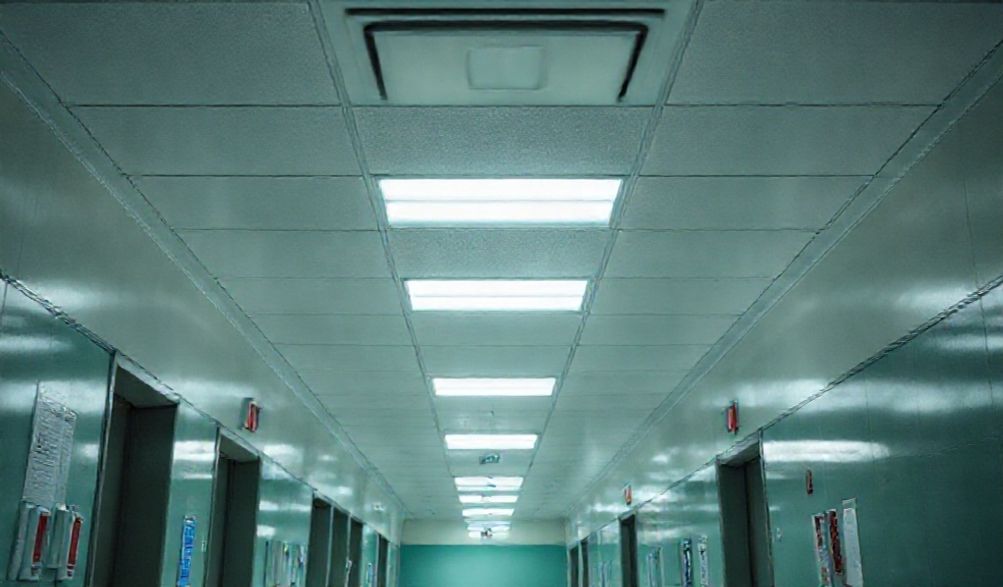
Hospital Lighting: A Guide to Healing Environments, Safety, and Design
We intuitively understand the power of light. It wakes us up, boosts our mood, and guides our daily rhythms. Now, imagine the profound impact light has in a place where the body and mind are at their most vulnerable: a hospital. Here, lighting is not merely a utility to banish darkness; it is a critical, multi-faceted therapeutic tool. While the harsh, fluorescent glare of old hospital corridors may be the lingering stereotype, modern healthcare design tells a different story. Today, hospital lighting is a sophisticated system engineered to accelerate patient healing, optimize staff performance, and ensure uncompromising safety, moving far beyond simple illumination.
This comprehensive guide synthesizes insights from architectural guidelines, peer-reviewed clinical studies, and healthcare design best practices to provide authoritative, experience-based advice. Whether you are a healthcare administrator planning a renovation, a facility manager auditing current systems, a designer seeking evidence-based principles, or a patient curious about your environment, you will gain a clear understanding of the key principles, technologies, and considerations that define optimal hospital lighting.
Why Hospital Lighting is More Than Just Illumination
Hospital lighting’s primary function extends far beyond allowing people to see. It directly influences biological processes, psychological states, and operational efficiency, making it a silent yet active participant in care.
The Impact on Patient Healing and Circadian Rhythms
Humans have evolved under the predictable pattern of the sun, and our internal biological clock—the circadian rhythm—depends on light cues to function. Specialized cells in our eyes detect light, particularly blue wavelengths, and signal the brain’s suprachiasmatic nucleus to suppress melatonin (the sleep hormone) and increase cortisol (promoting alertness). In a hospital, where patients are often isolated from natural daylight and exposed to constant artificial light, this rhythm can easily become disrupted.
This disruption has tangible consequences. Studies have linked circadian-effective lighting—systems that mimic the dynamic color and intensity of natural daylight—to significant patient benefits:
* Improved Sleep: Patients exposed to brighter, cooler light during the day and warmer, dimmer light in the evening experience more consolidated sleep and report better sleep quality.
* Reduced Depression: Research, particularly in settings like intensive care units (ICUs) and geriatric care, shows that dynamic lighting can alleviate symptoms of depression and agitation.
* Shorter Recovery Times: By supporting natural sleep-wake cycles and reducing stress, circadian-aligned lighting can contribute to faster physiological recovery and shorter hospital stays.
Enhancing Staff Accuracy, Efficiency, and Well-being
The demands on healthcare professionals are immense, requiring sustained focus, precision, and stamina. Lighting is a key factor in supporting their performance and safeguarding their well-being.
* Task Lighting for Precision: In surgical suites, shadowless, high-intensity, color-accurate lighting is non-negotiable for visualizing tissue and anatomy. At nursing stations, proper task lighting reduces errors in medication dispensing and chart documentation.
* Combating Fatigue and Eye Strain: Long shifts under poor lighting—characterized by glare, flicker, or insufficient contrast—lead to visual fatigue, headaches, and decreased concentration. Optimized ambient lighting that minimizes glare and provides adequate, even illumination helps maintain staff alertness and comfort throughout their shift.
Safety and Navigation for Patients and Visitors
A hospital can be a disorienting and anxiety-inducing environment. Thoughtful lighting design is a primary tool for creating a safe, navigable space.
* Предотвращения падений: Uneven lighting, dark spots, and pools of glare are major trip hazards, especially for elderly patients or those on medication. Consistent, shadow-reduced ambient lighting in corridors, bathrooms, and patient rooms is a fundamental safety feature.
* Intuitive Wayfinding: Lighting can subtly guide movement and reduce anxiety. This includes illuminated handrails, gentle, low-level path lighting along corridor bases, and distinct lighting at key decision points (e.g., elevator banks, nurse stations). Clear visual paths help patients, visitors, and even new staff navigate confidently.
Key Types of Hospital Lighting and Their Applications
Effective hospital lighting employs a layered approach, using different types of fixtures for specific purposes.
Ambient (General) Lighting: The Foundation
This is the base layer that provides overall illumination for safety and general orientation.
* Goals: To create even, uniform light that minimizes harsh shadows and dark corners. It should be visually comfortable and free of glare.
* Common Applications: Hallways, waiting rooms, lobbies, and the general mode in patient rooms. It sets the baseline light level for the space.
Task Lighting: Precision Where It’s Needed
This layer delivers high-quality, focused light for specific visual activities.
* Goals: To provide high intensity, excellent color rendering, and precise directionality where critical tasks are performed.
* Critical Areas:
* Surgical Lights: Engineered for deep-cavity illumination with minimal shadow.
* Examination Lights: Flexible, high-CRI lights for patient assessments.
* Bedside Reading Lights: Patient-controlled fixtures for reading or activities.
* Nurse Station Desks: Focused light for computer work and paperwork.
Accent & Wayfinding Lighting
This layer serves psychological and navigational functions.
* Goals: To guide movement, reduce anxiety, and provide orientation without disrupting circadian rhythms.
* Applications:
* Low-Level Night Lights: In patient rooms and bathrooms, providing enough light for safe navigation without fully waking a patient.
* Illuminated Handrails and Path Lighting: Integrated into architecture to define safe travel paths.
* Feature Lighting: Used in waiting areas or atriums to create a more welcoming, less institutional atmosphere.
Critical Considerations in Hospital Lighting Design
Selecting fixtures involves more than just lumens. Several technical factors are paramount in a healthcare setting.
Color Temperature (CCT) and Color Rendering Index (CRI)
- Color Temperature (CCT), measured in Kelvins (K), describes the “warmth” or “coolness” of white light. Warmer light (2700K-3000K) appears yellowish and is calming, ideal for evenings. Cooler light (4000K-5000K) appears bluish-white, promotes alertness, and is better for daytime and task-oriented areas. The key is using the right CCT for the right space and time.
- Индекс цветопередачи (CRI) is a scale (0-100) that measures a light source’s ability to reveal the true colors of objects compared to natural light. In healthcare, a high CRI (90+) is critical. It allows clinicians to accurately assess skin tone (for jaundice or cyanosis), tissue color during surgery, and the appearance of medications or bodily fluids, directly impacting diagnostic accuracy.
Glare Control and Visual Comfort
Glare—excessive brightness that causes visual discomfort—is a major enemy in hospitals.
* Discomfort Glare causes annoyance and fatigue.
* Disability Glare actually impairs the ability to see details (e.g., a monitor screen or a vein).
* Solutions: Indirect lighting (bouncing light off ceilings/walls), fixtures with proper shielding and louvres, matte finishes on surfaces to reduce reflections, and adjustable task lights that can be positioned to avoid glare.
Durability, Hygiene, and Maintenance
Hospitals have non-negotiable requirements for cleanliness and reliability.
* Hygiene: Fixtures must be completely sealed, smooth, and easy to clean to meet stringent infection control protocols. There should be no ledges or crevices where dust and pathogens can accumulate.
* Durability & Maintenance: Lighting must be robust and have a long, predictable lifespan. Easy, quick maintenance is essential to minimize disruptions to clinical operations. The goal is to avoid frequent bulb changes in sensitive sterile zones.
Emerging Technologies and Smart Lighting Systems
Innovation is transforming hospital lighting from a static fixture into an intelligent, responsive system.
LED Technology: The New Standard
Light Emitting Diode (LED) technology is now ubiquitous in new healthcare construction, and for good reason:
* Энергоэффективность: Drastically reduces electricity consumption and operational costs.
* Long Lifespan: Lasts tens of thousands of hours, minimizing maintenance interventions.
* Reduced Heat Emission: Creates less thermal load on HVAC systems and improves comfort near the light source.
* Tunability: The most significant advantage. LEDs can be precisely dialed to any color temperature and dimmed smoothly, enabling all advanced lighting strategies.
Human-Centric Lighting (HCL) and Circadian Systems
HCL takes tunable LEDs and automates them. These systems are programmed to dynamically change intensity and color temperature throughout the day, simulating the natural progression of sunlight.
* Potential Benefits: Particularly powerful in areas with limited daylight access, such as ICUs, behavioral health units, and long-term care facilities. They can help stabilize sleep cycles, reduce sundowning in dementia patients, and improve overall mood and orientation.
Integrated Controls and the Internet of Things (IoT)
Lighting is becoming a node in the smart hospital network.
* Occupancy & Vacancy Sensors: Automatically turn lights off or down in unoccupied spaces like storage rooms, offices, and sometimes even patient rooms (with appropriate overrides), yielding further energy savings.
* System Integration: Lighting controls can be linked to the Building Management System (BMS), nurse call systems, or even patient bed controls. A nurse call could trigger a gentle light path to the patient’s room, or a patient could adjust their room lighting from their bedside panel.
Lighting for Specific Hospital Departments
Each department has unique functional and emotional requirements.
Patient Rooms: Balancing Comfort and Care
The patient room must be a place of rest и a clinical space. A layered approach is essential:
1. Ambient Layer: Soft, even ceiling light.
2. Patient Task Layer: A personal, adjustable reading light.
3. Clinical Task Layer: A high-CRI exam light, often on a ceiling track or articulated arm.
4. Safety/Night Layer: Integrated low-level night lighting.
Crucially, the patient should have intuitive control over the ambient and task layers surrounding their bed, empowering them and improving their sense of well-being.
Surgical Suites & Procedure Rooms
These are the most demanding lighting environments.
* Requirements: Extreme shadow reduction, exceptional color rendering (CRI >90, often with special color consistency metrics), intense but cool illumination, and absolute reliability.
* Технология: Specialized surgical luminaires with multiple LED arrays, sterile handles for adjustment, and camera integration capabilities are standard.
Emergency Departments and Exam Rooms
Flexibility and accuracy are key.
* Needs: Lighting must adapt rapidly from the broad illumination needed for triage and initial assessment to the highly focused, color-accurate light required for detailed examination of wounds, rashes, or eyes.
* Solution: Often a combination of high-quality general lighting and powerful, flexible exam lights that can be positioned as needed.
Раздел Часто задаваемых вопросов (ЧАВО)
В: Какова оптимальная цветовая температура для обычной палаты?
О: Идеальное освещение в палате пациента должно быть регулируемым. Оно должно обеспечивать более холодный и яркий свет (4000K-5000K) в дневное время для поддержания бодрствования и облегчения осмотров, а вечером переходить на более тёплый и приглушённый свет (2700K-3000K) для способствования расслаблению и выработке мелатонина. Наилучшим образом этого можно достичь с помощью циркадной системы освещения или простых элементов управления, доступных пациенту.
В: Почему светодиодное освещение теперь является стандартом при новом строительстве больниц?
О: Светодиоды стали стандартом благодаря их превосходной энергоэффективности (снижение эксплуатационных расходов), значительно более длительному сроку службы (что сокращает потребность в обслуживании в критических и стерильных зонах), минимальному инфракрасному тепловыделению (повышение комфорта) и, что наиболее важно, их точной регулируемости как цветовой температуры, так и интенсивности. Это позволяет светодиодам удовлетворять как требованиям клинических задач, так и биологическим потребностям человека.
В: Как освещение способствует безопасности пациентов?
О: Освещение способствует безопасности несколькими способами: оно устраняет физические опасности, предотвращая спотыкания и падения; обеспечивает клиническую безопасность, предоставляя точный цвет и детализацию, необходимые для правильной диагностики и идентификации лекарств; поддерживает психологическую безопасность, регулируя циклы сна и бодрствования для снижения спутанности сознания; и помогает в навигационной безопасности для людей с нарушениями зрения или подвижности.
В: Существуют ли конкретные стандарты или рекомендации по освещению для больниц?
О: Безусловно. Проектирование освещения в здравоохранении регулируется строгими стандартами. Ключевые рекомендации исходят от Общества инженеров по освещению (IES) в их Справочнике по освещению и серии RP-29, Института руководящих указаний для медицинских учреждений (FGI) Руководства по проектированию и строительству, а также различных строительных, электротехнических норм и норм пожарной безопасности (таких как NFPA 101). Эти документы определяют требуемые уровни освещённости (в фут-канделах или люксах), ограничения по блёскости и требования к производительности для каждого типа больничного помещения.
Заключение
Больничное освещение эволюционировало от базовой утилитарной функции до критически важного, основанного на доказательствах компонента инфраструктуры здравоохранения. Это мощное нефармакологическое вмешательство, которое напрямую влияет на клинические результаты, работу персонала, операционную эффективность и общий человеческий опыт в лечебном учреждении. Вектор развития очевиден: переход от статичного, универсального освещения к динамичным, интеллектуальным и адаптивным экосистемам освещения, которые активно способствуют выздоровлению, благополучию и безопасности.
Достижение этого требует совместного, междисциплинарного подхода. Успешный дизайн больничного освещения рождается в партнёрстве между медицинскими работниками (которые понимают клинические процессы и потребности пациентов), светодизайнерами и инженерами (которые владеют технологиями и фотобиологией) и архитекторами (которые бесшовно интегрируют его в материальную среду). Он сочетает клинический опыт с техническими знаниями, всегда ставя человеческий опыт в центр внимания.
Для тех, кто планирует новый проект или реновацию, консультация со светодизайнером, специализирующимся на здравоохранении, является crucialным первым шагом. Для руководителей объектов проведение аудита существующего освещения в сочетании с прямыми отзывами пациентов и персонала может выявить значительные возможности для улучшений, превращая свет в один из ваших самых действенных инструментов в уходе за пациентами.
p>