
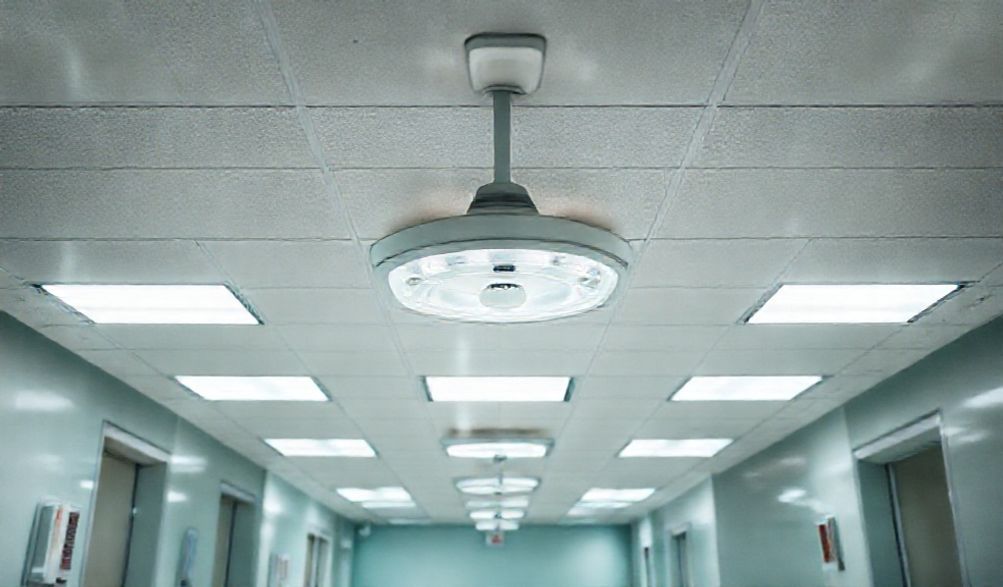
The Complete Guide to Hospital Lighting Fixtures: Enhancing Patient Care, Staff Efficiency, and Safety
Introduction
When we think of a hospital’s critical systems, lighting is rarely the first to come to mind. We prioritize advanced imaging machines, sterile хирургических инструментов?, and life-saving medications. Yet, what if the very light filling a patient’s room or a surgeon’s operating field could be as instrumental to healing as a prescription? What if poor lighting could contribute to medical errors, exacerbate patient anxiety, and drain staff morale? The reality is that in a healthcare environment, lighting is never just illumination. It is a non-invasive therapeutic tool, a vital component of clinical accuracy, and a foundational element of safety.
This comprehensive guide explores hospital lighting fixtures as a fundamental component of modern healthcare design. Moving beyond basic lumens and watts, we will examine how specialized, thoughtfully chosen lighting directly improves patient outcomes by regulating biology, supports medical staff by reducing fatigue and enhancing precision, ensures round-the-clock safety, and meets a complex web of regulatory standards. This resource is built on a foundation of industry research, clinical studies, and best practices from healthcare design experts, serving as a trustworthy guide for facility managers, hospital administrators, architects, and clinical staff embarking on any healthcare design or renovation project.
Why Hospital Lighting is More Than Just Illumination
In a retail store, lighting is designed to sell. In an office, it’s meant to foster productivity. In a hospital, lighting must perform a delicate, multifaceted ballet: it must heal, assist, protect, and comfort, often simultaneously. Understanding these distinct roles is the first step in specifying the right fixtures.
The Impact on Patient Health and Recovery (Circadian Rhythm)
Humans are hardwired to respond to the natural rhythm of daylight. Our circadian rhythm—the internal 24-hour clock regulating sleep, hormone production, cell regeneration, and mood—is primarily set by light exposure. In a hospital, where patients are often isolated from natural daylight and subjected to 24/7 artificial light, this rhythm can be severely disrupted. This “circadian disruption” is linked to poorer sleep, increased pain perception, higher rates of delirium, longer recovery times, and even extended hospital stays.
This is where advanced hospital lighting fixtures move from passive to active. Tunable white lighting systems (sometimes called Human Centric Lighting or HCL) can mimic the dynamic progression of natural daylight. In a patient room, fixtures can be programmed to provide bright, cool-white light (around 5000-6500K) during the morning and afternoon to promote alertness and activity, then gradually shift to warmer, dimmer tones (2700-3000K) in the evening to stimulate melatonin production and prepare the body for restful sleep. Studies, such as those published in the Journal of Clinical Sleep Medicine, have shown that such circadian-effective lighting can reduce depression scores, improve sleep quality, and contribute to a more normalized patient experience, ultimately supporting the primary goal: healing.
Supporting Clinical Accuracy and Staff Well-being
While patients need light that heals, clinicians need light that reveals. The accuracy of a diagnosis, the success of a complex procedure, and the subtle assessment of a patient’s skin tone (e.g., detecting cyanosis or jaundice) depend critically on light quality.
The key metric here is the Индекс цветопередачи (CRI), measured on a scale of 0 to 100. A high CRI (90+ is recommended for critical tasks) means the light source renders colors accurately and truly, compared to natural daylight. In surgical suites, emergency rooms, examination rooms, and nurse stations, fixtures with high CRI are non-negotiable. They allow clinicians to distinguish between subtle tissue shades, accurately read charts and monitor displays, and reduce the visual strain that can lead to diagnostic uncertainty.
Furthermore, staff well-being is paramount. Nurses and doctors working long, demanding shifts are susceptible to eye strain, headaches, and fatigue from poor lighting—glare on computer screens, flickering fluorescents, or uneven, shadowy illumination. Specifying не имеют мерцания, glare-controlled fixtures with even light distribution in work areas reduces this occupational burden, supporting sustained focus, morale, and patient safety by minimizing the risk of errors due to visual fatigue.
Key Types of Hospital Lighting Fixtures and Their Applications
A one-size-fits-all approach is a critical flaw in hospital lighting. Different zones have vastly different requirements, demanding specialized fixtures.
Patient Room Lighting Systems
The patient room is a bedroom, examination room, and family gathering space all in one. Its lighting must be layered and patient-centric.
- Overhead Ambient Lighting: This provides general, shadow-free illumination. The trend is toward indirect lighting—fixtures that bounce light off the ceiling or walls—creating a soft, diffuse glow that minimizes glare for a bed-bound patient and feels more calming than harsh, direct downlights.
- Patient-Controlled Task Lights: A crucial element for patient autonomy and comfort. A dedicated, adjustable reading light, often integrated into the headwall or a patient arm, allows for activities without disturbing a roommate. Controls must be intuitive and within easy reach.
- Night Lights: Integrated, low-level night lights (often with a warm color temperature) provide enough illumination for safe navigation by staff or the patient to the bathroom, while being low enough in intensity to minimize sleep disruption. They are essential for fall prevention.
Critical Care and Surgical Lighting
Here, lighting is a precision instrument.
- Surgical Lights: These are the pinnacle of specialized medical lighting. Modern LED surgical lights offer intense, shadow-reduced illumination (achieved through multiple light sources), exceptional color rendering (CRI >90), and the ability to maintain a cool temperature to avoid heating the surgical site. They are designed for easy sterilization and precise positioning.
- Examination Lights: Used in ER bays, ICUs, and procedure rooms, these are highly maneuverable, high-CRI lights (often on a gooseneck or track system) that provide focused, bright light for patient assessments, wound care, and minor procedures.
Functional and Safety Lighting
This category ensures the hospital operates safely 24/7.
- Corridor and Wayfinding Lighting: Continuous, uniform lighting in hallways is vital for safe movement of beds, equipment, and people. It also contributes to a sense of orientation and calm.
- Emergency Egress and Exit Signage: This is strictly governed by codes like NFPA 101. Lighting for exit paths and signage must provide adequate illumination during a power failure and be on a dedicated backup power system.
- UV-C Disinfection Lighting Fixtures: An emerging technology, these fixtures emit ultraviolet-C light to disinfect air and surfaces in unoccupied spaces like operating rooms or patient rooms between uses. Critical Caveat: UV-C is harmful to human skin and eyes. These systems require rigorous safety protocols, including occupancy sensors and interlock systems to ensure they only operate when the space is vacant.
Essential Considerations for Selecting Hospital Lighting
Choosing fixtures involves navigating a triad of requirements: clinical need, human factor, and strict compliance.
Compliance with Safety and Health Standards
Hospital lighting is heavily regulated. Key standards include:
- NFPA 101 (Life Safety Code): Dictates requirements for emergency lighting, exit signage, and means of egress.
- IEC 60601-1 (or its regional equivalent like UL 60601-1): The standard for the safety of medical electrical equipment. Lighting in patient care vicinities must comply, ensuring no risk of electrical shock and minimal electromagnetic interference (EMI) with sensitive equipment.
- Joint Commission (TJC) Standards: Include guidelines on maintaining a safe, functional environment, which encompasses proper illumination for tasks and safety.
- Контроль инфекций: Fixtures in clean and sterile zones must have sealed housings to prevent dust and microbial ingress. Materials should be smooth, non-porous, and able to withstand frequent cleaning with harsh hospital-grade disinfectants without degrading.
Technical Specifications: What to Look For
- Цветовая температура и индекс цветопередачи (CRI): As discussed, warmer tones (2700-3500K) for patient rooms and family areas; cooler, high-CRI light (4000-5000K, CRI 90+) for clinical tasks.
- Отсутствие мерцания: Flicker, even at high frequencies imperceptible to the conscious eye, can cause headaches, eye strain, and neurological stress. Ensure fixtures are specified as “flicker-free” or meet IEEE PAR1789 recommendations.
- Durability and Maintenance: Look for robust construction, appropriate Ingress Protection (IP) ratings for areas requiring wash-down, and designs that allow for easy relamping and cleaning with minimal tools to reduce maintenance time and cost.
The Shift to LED Technology in Healthcare
The migration from fluorescent to LED is nearly complete in modern healthcare, and for compelling reasons:
- Energy Efficiency & Cost Savings: LEDs consume significantly less power, a major factor for 24/7 facilities. The operational cost savings can be substantial.
- Longevity & Reduced Disruption: LED fixtures have lifespans of 50,000+ hours, drastically reducing the frequency and cost of bulb replacements and minimizing disruptions to patient care areas.
- Advanced Controllability: LEDs are inherently dimmable and tunable, enabling the circadian and scene-setting capabilities that are impossible with traditional fluorescent tubes. They also turn on instantly, with no warm-up time.
Implementing a Modern Hospital Lighting Strategy
Specifying the right fixtures is only half the battle; integrating them into a smart, responsive system unlocks their full potential.
Integrating Lighting Controls and Automation
A networked lighting control system is the brain of a modern installation.
- Circadian Scenes: Pre-programmed lighting schedules that automatically adjust color temperature and intensity throughout the day in patient rooms and common areas.
- Occupancy/Vacancy Sensors: In offices, storage rooms, and staff lounges, these sensors turn lights off when spaces are empty, generating significant energy savings.
- Daylight Harvesting: In perimeter rooms with windows, photosensors can dim or turn off electric lights when sufficient natural daylight is present.
Human-Centric Lighting Design Principles
This philosophy puts the physiological and psychological needs of people first. It involves engaging clinicians and patients in the design process. For example, a case study of a hospital wing retrofit might show that after implementing patient-controlled, circadian-aware lighting, patient satisfaction scores related to the environment improved by 25%, and nurses reported less fatigue at the end of shifts. While direct causation is complex, such outcomes highlight the holistic value of the investment.
Planning for the Future: Flexibility and Upgradability
Medical technology and space functions evolve rapidly. Lighting systems should be chosen with flexibility in mind—modular fixtures, accessible wiring pathways, and control systems with updatable software ensure the lighting infrastructure can adapt without requiring a complete, costly overhaul in a few years.
Frequently Asked Questions (FAQ) About Hospital Lighting Fixtures
Q1: What is the most important factor when choosing lighting for a patient room?
О: Patient comfort and control. The lighting system should prioritize non-glare, ambient illumination while offering easily accessible, adjustable task lighting. The ability to support the patient’s natural sleep-wake cycle through tunable light or simple manual control is paramount for their recovery and sense of well-being.
Q2: Are LED lights safe for all hospital areas?
О: High-quality, flicker-free LEDs that are properly shielded and installed are not only safe but are the recommended standard for modern healthcare. The critical safety check is for Electromagnetic Interference (EMI). Always verify that the LED fixtures and drivers have been tested and certified (e.g., to IEC 60601-1-2) for use in medical environments to ensure they will not disrupt vital signs monitors, infusion pumps, or other sensitive equipment.
В: Как освещение способствует контролю за инфекциями?
О: Lighting contributes in two key ways. First, fixture design: they should have seamless, sealed housings with no crevices where dust, moisture, and pathogens can accumulate. The materials must be smooth and capable of withstanding frequent wiping with strong disinfectants. Second, specialized technology: UV-C disinfection fixtures can be used as an adjunct cleaning method in unoccupied rooms, but this requires strict safety protocols and is not a replacement for manual cleaning.
Q4: What are the cost implications of upgrading to a human-centric circadian lighting system?
О: The initial capital cost for a tunable LED system with advanced controls is higher than a standard static LED installation. However, the Return on Investment (ROI) is realized through: 1) Operational Savings: Dramatically lower energy use and reduced maintenance. 2) Clinical Value: While harder to quantify, potential improvements in patient outcomes—such as reduced length of stay, lower delirium rates, and decreased fall risk—carry immense financial value for a hospital, often far outweighing the initial premium.
В5: Кто должен быть вовлечен в планирование проекта освещения больницы?
О: A successful project requires a multidisciplinary team:
* Facility Managers & Engineers: For infrastructure, codes, and maintenance.
* Clinical Staff (Nurses, Surgeons, Therapists): To provide real-world insight into workflow and task needs.
* Infection Control Practitioners: To review materials and cleanability.
* Биомедицинская инженерия: Обеспечение электромагнитной совместимости с медицинским оборудованием.
* Архитекторы и светодизайнеры: Предпочтительно специалисты с опытом работы в здравоохранении (например, сертифицированные дизайнеры IALD) для интеграции всех требований в целостный, ориентированный на человека дизайн.
Заключение
Больничное освещение эволюционировало от базовой утилитарной функции до критически важного активного инструмента в экосистеме здравоохранения. Правильно подобранные, hospital lighting fixtures, продуманно спроектированные и интеллектуально управляемые системы освещения напрямую влияют на три ключевых аспекта современного здравоохранения: клинические результаты, операционную эффективность и качество взаимодействия человека со средой. Они могут успокоить встревоженного пациента, выявить критически важную деталь для хирурга, безопасно провести посетителя ночью и сохранить ценные ресурсы учреждения.
Следовательно, инвестиции в хорошо продуманную стратегию освещения — это не просто модернизация инфраструктуры или эстетический выбор. Это прямое вложение в основную миссию любого медицинского учреждения: превосходный уход за пациентами, поддержку персонала и неукоснительную безопасность. Для тех, кто планирует новое строительство или реновацию, путь очевиден: консультируйтесь со светодизайнерами, специализирующимися на здравоохранении, привлекайте конечных клинических пользователей с самого начала и рассмотрите возможность пилотного внедрения решений в одном отделении для оценки их эффекта до масштабирования на всё учреждение. Выбранный вами свет буквально будет формировать среду для исцеления.
p>