
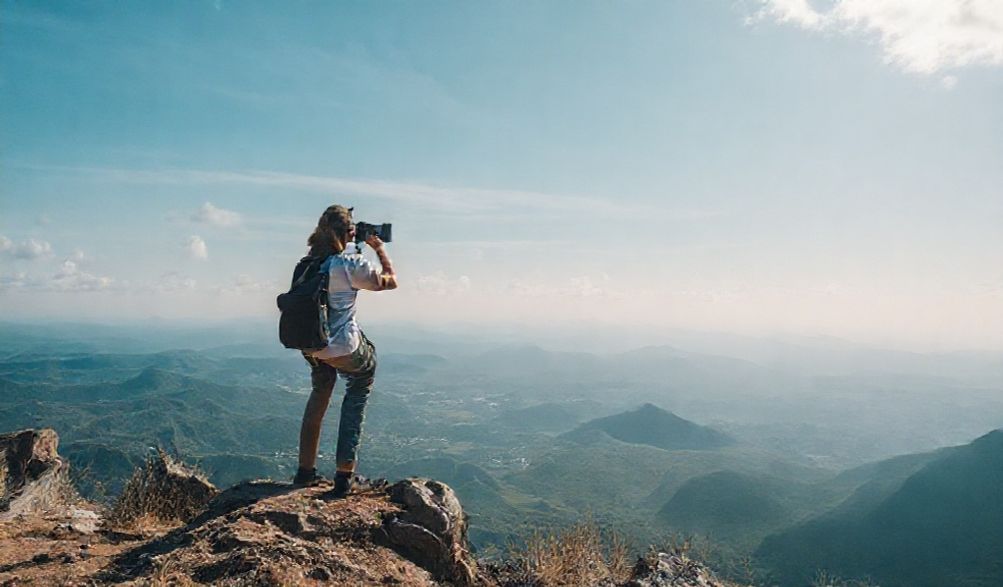
How to Take a Picture Without a Shadow: A Pro Photographer’s Guide
You’ve set up the perfect shot. Your product is arranged, your model is ready, or that important document is laid out flat. You tap the shutter, and… there it is. A harsh, dark, distracting shadow cutting across your subject, ruining the clean look you envisioned. It feels like a tiny flaw that undermines the entire image.
This is one of the most common frustrations in photography, from smartphone snapshots to professional shoots. Shadows can obscure crucial details, create unflattering contrasts on a face, and make an otherwise great photo look amateurish. They typically arise from a single, harsh light source—be it the midday sun, an on-camera flash, or a bare bulb in a lamp.
But here’s the good news: eliminating unwanted shadows is entirely within your control. The secret isn’t a magical camera setting; it’s understanding and manipulating light. Whether you’re shooting with the latest iPhone or a high-end DSLR, the principles remain the same.
As a professional photographer with over a decade of experience specializing in studio and controlled natural light, I’ve solved this shadow problem countless times for commercial clients and portrait subjects. The techniques in this guide aren’t just theory; they are the proven, foundational lighting methods used in studios worldwide.
By the end of this guide, you’ll understand the почему behind shadows and, more importantly, have a practical toolkit of methods to capture clean, professional, and shadow-free photos for your e-commerce, portraits, blog, or social media.
Understanding Light: The Root Cause of Shadows
Before we can fix shadows, we need to understand what causes them. This foundational knowledge is what separates a quick fix from true mastery, allowing you to solve lighting problems in any situation.
The Single Light Source Problem
Imagine a lone streetlight on a dark night. It casts long, hard, and very defined shadows. This is the essence of the problem. A single, small, and direct light source—whether it’s the sun, a camera flash, or a desk lamp—creates what we call “hard light.” The light rays travel in a relatively straight line from a small point, hitting your subject and leaving a stark, unlit area behind it: the shadow. The closer the light source, the harder and more defined the shadow tends to be.
Hard Light vs. Soft Light
The key to taking a picture without a shadow lies in moving from hard light и доходя soft light.
- Hard Light: Think of a bright, clear midday sun. The light source is small (relative to the Earth) and far away, resulting in sharp, high-contrast shadows with very defined edges. A bare light bulb or an on-camera flash produces the same effect.
- Soft Light: Now think of a uniformly overcast sky. The entire cloud layer becomes a gigantic, diffused light source. Shadows become very soft, faint, or disappear entirely because light is wrapping around the subject from a much larger area.
The Core Principle: To eliminate harsh shadows, you must make your light source larger and more diffuse relative to your subject. A larger light source scatters the rays, allowing them to reach into the nooks and crannies that a single, direct beam cannot, effectively “filling in” the shadows.
Essential Tools for Shadow-Free Photography
You don’t need a professional studio to start controlling light. Many effective tools are inexpensive or even free. Here’s a breakdown, from DIY solutions to dedicated gear.
Natural Light Modifiers (Low-Cost/DIY)
- White Foam Core or Poster Board: This is your ultimate DIY reflector. Position it opposite your main light source to bounce light back into the shadow areas. It’s cheap, effective, and perfect for product or still life photography.
- Sheer White Curtain or Diffusion Sheet: Harsh sunlight through a window? Drape a white bedsheet, shower curtain liner, or dedicated diffusion material over the window. It instantly transforms that hard light into beautiful, soft, shadow-minimizing window light.
- A Simple Wall: A shaded, light-colored wall (white or light grey is best) near an open sky acts as a giant natural reflector and softbox. Position your subject facing the wall; the light will bounce off it, creating wonderfully soft, even illumination.
Dedicated Photography Gear
- Reflectors (Collapsible Discs): These portable tools are designed for one job: bouncing light. White provides a neutral fill, silver gives a brighter, crisper bounce, and gold adds warm tones. A 5-in-1 reflector is a fantastic investment.
- Softboxes and Umbrellas: These attach to artificial lights (strobes or continuous lights). A softbox encloses the bulb, creating a large, rectangular diffused light source. An umbrella (shoot-through or reflective) spreads and softens the light broadly. Both are essential for creating soft, professional light.
- Light Tents/Boxes: For small product photography, this is the secret weapon. A light tent is a cube made of white diffusion fabric. You place your product inside, and lights (or natural light) outside the tent. The entire cube glows, creating 360-degree shadowless illumination.
Using Your Camera & Smartphone Settings
While gear helps, settings can assist:
* Exposure Compensation (+ EV): Slightly overexposing your image (brightening it) can help wash out faint, soft shadows. Be careful not to “clip” your highlights (losing detail in bright areas).
* HDR Mode (Smartphones): High Dynamic Range mode takes multiple exposures (dark, medium, bright) and blends them. This can help balance shadows and highlights in high-contrast scenes, but use it sparingly as overuse can look unnatural.
Step-by-Step Techniques to Eliminate Shadows
Let’s apply the tools and theory. Here are four proven methods, from simplest to most advanced.
Method 1: Harnessing & Diffusing Natural Light
This is the easiest and most accessible starting point.
* The Cloudy Day Advantage: Simply wait for or shoot on an overcast day. The clouds act as a giant softbox, providing beautifully even, shadow-free light.
* The “Open Shade” Technique: On sunny days, move your subject into the shade—but not under a tree (which creates dappled light). Use the shaded side of a building, a porch, or an alley. The open sky above acts as a large, soft light source, eliminating harsh sun shadows while keeping the light bright and directional.
* Window Light Mastery: A north-facing window (in the Northern Hemisphere) provides consistent, indirect light. For even softer results, hang a sheer white curtain over it. Position your subject parallel to the window, and use a white reflector on the opposite side to fill any remaining shadows.
Method 2: The Bounce & Fill Technique
This is the fundamental skill for shadow control.
1. Identify your main light (a window, the sun, or a lamp).
2. Position your subject so the main light hits them from one side.
3. Place your reflector (or white foam board) on the opposite side of the subject, angled to catch the main light and bounce it back onto the shadowed side.
4. Adjust the distance: closer for a brighter fill, farther for a subtler one. This simple act “fills in” the shadow, dramatically softening its appearance.
Method 3: Multi-Light Setup (The Professional Approach)
For complete control, you add lights.
* 2-Light Setup: Start with a Key Light (your main, softened light source, like in a softbox). Then, add a Fill Light on the opposite side, set to a lower power (often half or less of the key’s intensity). The fill light’s sole job is to illuminate the shadows created by the key, controlling their darkness.
* 3-Point Lighting: This adds a Backlight/Rim Light behind the subject, aimed at their back/head. This separates them from the background and adds depth, while the key and fill lights work together to create a shadow-free or shadow-controlled look on the face.
Method 4: Using a Light Tent for Flawless Product Shots
For absolute, 360-degree shadow elimination on small objects:
1. Assemble your light tent (pop-up cubes are easiest).
2. Place your product inside, centered.
3. Position two lights (or use bright window light) on opposite sides of the tent, outside the fabric. If using one light, place it directly above.
4. The diffusion fabric turns the entire tent into a massive, glowing light source. The light wraps around the product from all sides, eliminating virtually all shadows and creating a clean, professional look perfect for e-commerce.
Advanced Tips & Post-Processing
Sometimes, you need a final polish. The goal is to enhance what you captured well, not to rescue a poorly lit photo.
Shooting for Easy Shadow Removal in Editing
- Shoot Slightly Bright: Expose your image so the highlights are just shy of being blown out (check your histogram). This gives you more “clean” data in the shadow areas to lift later without introducing noise.
- Use a Clean Background: A simple, evenly lit background (like a sweep of white paper) makes it infinitely easier to isolate and adjust your subject or remove any lingering shadow traces in software.
Basic Editing to Reduce Shadows (Non-Destructive)
- Shadows/Highlights Sliders: In Lightroom, Photoshop, Camera Raw, or apps like Snapseed, these are your best friends. Gently increasing the Shadows slider brightens the dark areas of your image. Decrease the Highlights slider if needed to recover detail. The key is subtlety.
- Dodging Tools: The “Dodge” tool in Photoshop or the “Selective” tool in Snapseed allows you to paint brightness onto specific shadow areas for precise control.
- A Word of Caution: Overdoing these adjustments leads to a flat, HDR-like, and unnatural image. The goal is to снизить distracting shadows, not to erase all depth and dimension from your photo. Light and shadow together create form.
Часто задаваемые вопросы (ЧЗВ)
Q: What is the fastest way to remove a shadow from a picture with my phone?
О: Immediately, move to open shade (like the shaded side of a building). Turn on your phone’s HDR mode. For photographing documents, lay them flat on a neutral surface and ensure the light source (like a ceiling light) is directly overhead and diffuse—avoid your own body casting a shadow.
Q: Can I remove shadows completely in Photoshop or Lightroom?
О: You can significantly reduce them, but complete removal of complex, hard shadows from a poorly lit photo is extremely difficult and time-consuming, often requiring advanced cloning and compositing. It’s always better to get it right in-camera. Think of editing software as a tool for refinement, not rescue.
Q: Is a ring light good for eliminating shadows?
О: Yes, ring lights are excellent for creating even, front-on, shadow-free light, which is why they’re staples for beauty videos, selfies, and macro photography. The circular light surrounds the lens, minimizing shadows directly behind the subject. However, they can create a distinct circular catch-light in the eyes and sometimes produce a flat, two-dimensional look due to the lack of directional shadowing.
Q: How do professional studios achieve perfectly shadow-free backgrounds?
О: They use a combination of techniques. Often, they employ an infinity cove (a curved, seamless backdrop) or sweep paper. Crucially, they use separate lights dedicated to illuminating the background itself, ensuring it is evenly lit and brighter than any shadow the subject might cast. This causes any faint subject shadow to fall “down” out of frame or be overpowered by the background light.
Заключение
The journey to taking a picture without a shadow boils down to one powerful concept: Управление и смягчение света. Тени — не ваш враг; это сигнал, который говорит о размере, расстоянии и качестве вашего источника света.
Начните с самого простого и мощного решения, доступного каждому: естественный свет в пасмурный день или в открытой тени. Затем поэкспериментируйте с самодельным отражателем — даже белый картон может совершить революцию в ваших фотографиях. Освойте технику отражения света; это фундаментальный навык, который будет служить вам вечно.
Постижение света — это пожизненное стремление фотографов, но эти базовые техники остаются теми же, на которые я ежедневно полагаюсь в своей профессиональной работе. Практикуйте их осознанно, и вы сразу заметите значительное улучшение в чёткости, профессионализме и выразительности ваших снимков.
Так что не позволяйте теням вас обескураживать. Воспринимайте их как головоломку для решения — прямой ключ к тому, как улучшить освещение. Возьмите камеру или телефон, найдите простой объект и попробуйте сегодня же технику отражения. Что вы снимете первым без теней?
p>