
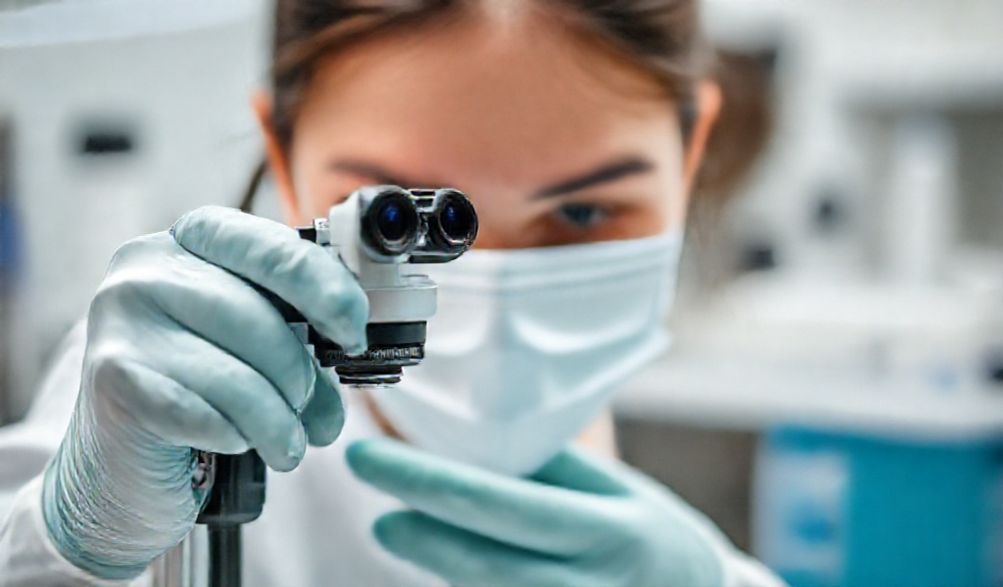
The Ultimate Guide to Hygiene Loupes: Enhancing Precision, Ergonomics, and Patient Safety
You’re halfway through a complex composite restoration, your shoulders are creeping up toward your ears, and a dull ache is settling into your cervical spine. You lean in closer, squinting slightly to discern a subtle margin. This familiar scenario of eye strain, neck pain, and the nagging worry of a missed detail is a daily reality for countless dental and medical professionals. We accept it as an occupational hazard, but what if the root cause wasn’t the profession itself, but the tools we use to practice it? Could the right optical tool be the solution to not only enhancing what you see but also preserving how you feel?
The answer is a resounding yes. This comprehensive guide moves beyond the basic concept of “magnifying glasses for dentists” to explore the specialized world of hygiene loupes. These are not mere accessories; they are engineered systems designed for the clinical environment. We will dissect their critical, threefold role in эргономика, procedural precision, and uncompromising cross-contamination control. Choosing the right loupes is a decision that directly impacts your long-term musculoskeletal health, the quality of your clinical outcomes, and the safety of your patients.
Our purpose is to provide evidence-based, practical information to help you make an informed investment in your practice and well-being. The insights herein are synthesized from peer-reviewed ergonomic studies, industry best practices, and foundational infection control guidelines from bodies like the CDC and OSHA.
What Are Hygiene Loupes? Beyond Simple Magnification
At first glance, hygiene loupes may resemble the surgical loupes used in operating rooms. However, a closer inspection reveals a paradigm shift in design philosophy. While both provide magnification, hygiene loupes are built with a primary, non-negotiable focus: to be cleanable, sealable, and inherently resistant to contamination.
Core Definition and Key Differentiators
Hygiene loupes are Galilean (multi-lens) or prismatic (high-power, through-the-lens) magnification systems where the optical and frame design is fundamentally centered on infection prevention. The core differentiator lies in their construction. Unlike standard loupes, which may have vents for airflow, exposed screw heads, complex hinges, and porous frame materials, hygiene loupes are designed with smooth, monolithic housings, minimal seams, and sealed optics.
The goal is to eliminate crevices where blood, saliva, aerosols, and pathogens can accumulate. Every material, from the lens coatings to the temple coatings, is selected for its compatibility with repeated, aggressive chemical disinfection without degrading, fogging, or cracking. In essence, they are designed not just to help you see your work, but to survive the rigorous cleaning required between patients.
The Critical Components: Optics, Frame, and Hygiene Design
To understand hygiene loupes, it’s essential to break down their components:
- Optical System: This includes the magnification level (e.g., 2.5x, 3.5x), working distance (the optimal distance from your eyes to the patient’s mouth), field of view (the area you can see clearly), and depth of field (the range of distance that remains in focus). These factors determine что you see and how you must position yourself to see it.
- Hygiene-First Frame Design: This is the hallmark. Key features include:
- Sealed Optics: The lens barrels are completely sealed to prevent fluid ingress into the internal prisms or lenses.
- Smooth, Non-Porous Surfaces: Frames are made of advanced polymers or coated metals that can be wiped down thoroughly without trapping debris.
- Minimalist Architecture: Designs avoid unnecessary grooves, textures, or seams. Hinges are often protected or of a simple, cleanable design.
- Removable Lens Systems: Some models allow the entire optical barrel to be detached from the frame, enabling separate, meticulous cleaning or even autoclaving in some cases.
The Multifaceted Benefits: Why Hygiene Loupes Are Essential
Investing in hygiene loupes is an investment with a triple-tiered return: for your compliance, your body, and your patients.
Uncompromising Infection Control and Compliance
In a post-pandemic world, infection control is the bedrock of clinical practice. Hygiene loupes are engineered to support strict adherence to guidelines from the CDC, OSHA, and other regulatory bodies regarding the reprocessing of semi-critical and critical devices.
Standard loupes present a significant challenge. Their complex surfaces are difficult to clean effectively, potentially harboring pathogens and acting as fomites—objects that can transfer disease. Hygiene loupes mitigate this risk by enabling reliable, validated disinfection protocols between every patient. This design directly reduces the potential for Healthcare-Associated Infections (HAIs), protecting both the patient in the chair and the practitioner from cross-contamination. They provide documented, defensible compliance, turning a potential infection control weak point into a strength.
Foundational Ergonomic Support for Long-Term Health
Chronic neck and back pain are epidemic among dental professionals. The primary culprit is sustained, non-neutral posture—the constant forward head tilt and cervical flexion required to get close to the operative field.
Hygiene loupes, when properly fitted, are a powerful ergonomic intervention. By bringing a magnified image of the work to you, they allow you to sit or stand upright with your spine in a neutral, aligned position. Your visual axis is directed downward through the lenses (via the declination angle), but your head remains level. This reduces the compressive forces on your cervical spine by up to 80% according to some ergonomic studies.
The literature is clear: consistent use of properly aligned magnification is linked to a marked decrease in the incidence and severity of musculoskeletal disorders (MSDs). They are not just a tool for seeing better; they are a vital piece of personal protective equipment for your musculoskeletal system, helping to ensure a long, healthy, and pain-free career.
Enhanced Clinical Precision and Improved Patient Outcomes
Magnification fundamentally changes what is possible in clinical practice. The human eye has limitations, and fine details—a hairline crack in an enamel wall, the subtle distinction between stained and carious dentin, a subgingival calculus remnant—can be invisible without aid.
Hygiene loupes transform your diagnostic and procedural capabilities:
* Diagnostic Accuracy: Early detection of pathology, from incipient caries to oral mucosal lesions, becomes significantly more reliable.
* Restorative Excellence: Margin adaptation, contouring, and finishing of restorations achieve a higher standard. You work with greater confidence and accuracy.
* Periodontal & Surgical Precision: Complete debridement of root surfaces and meticulous soft tissue handling improve surgical outcomes and healing.
This enhanced precision is not about technical prowess for its own sake; it translates directly to higher-quality, more predictable, and more durable patient outcomes. It elevates the standard of care you provide.
Selecting the Right Hygiene Loupes: A Practitioner’s Checklist
Choosing hygiene loupes is a personal and professional decision. This checklist will guide you through the critical considerations.
Assessing Your Clinical Needs and Environment
Begin with introspection. What types of procedures do you perform most often? A periodontist may prioritize a different working distance and field of view than a pediatric dentist. Consider your average procedure duration and the specific infection control protocols in your practice. Do you need loupes that can withstand immersion cleaning or specific chemical disinfectants?
Key Technical Specifications to Compare
- Magnification & Working Distance: Start with lower magnification (2.0x-2.5x) to adapt, moving to higher powers (3.5x-4.5x+) for specialized work. Working distance is measured from your eye to the patient and is critical for maintaining posture. A professional fitting is essential to determine this.
- Optical Quality & Declination Angle: Never compromise on lens clarity. Look for sharp, edge-to-edge focus with minimal distortion. The declination angle—the angle of the optical barrels—is paramount for ergonomics. It must be custom-set so you look straight ahead at your patient while viewing the magnified field below.
- The Hygiene-First Design: This is your checklist:
- IP Rating: An Ingress Protection rating (e.g., IP54) certifies resistance to dust and water jets.
- Chemical Compatibility: The manufacturer should provide a list of approved disinfectants.
- Autoclave Compatibility: For the highest level of sterilization, some models are autoclavable.
- Гарантия: Ensure the warranty explicitly covers damage from standard clinical disinfectants.
The Non-Negotiables: Fit, Comfort, and Light Integration
An improper fit renders the best loupes useless and can cause more harm than good. Professional fitting is non-negotiable. This ensures correct working distance, interpupillary distance, and declination angle.
Furthermore, magnification is only half the visual equation. Shadow-free illumination is the other. Integrating a high-quality, color-accurate LED headlight with your hygiene loupes creates a synergistic effect, reducing eye strain and revealing true tissue morphology and color. Consider systems where the light is coaxial (aligned with your line of sight) to eliminate shadows entirely.
Protocol for Care: Maintaining Your Hygiene Loupes
To preserve their performance, longevity, and hygienic integrity, a disciplined care routine is essential.
Daily Cleaning and Disinfection: A Step-by-Step Guide
- Pre-Clean: After each patient, gently rinse or wipe away any visible debris with water or a mild detergent.
- Disinfect: Using a soft, lint-free cloth or wipe pre-moistened with a manufacturer-approved disinfectant, thoroughly wipe all surfaces of the frame and lenses. Pay attention to areas that contact the face (nose bridge, temples).
- Dry: Allow the loupes to air dry completely or gently pat them dry with a clean, soft cloth. Never use harsh chemicals, abrasive cloths, or alcohol-based solutions unless explicitly approved, as they can degrade anti-reflective and anti-fog coatings.
Periodic Deep Cleaning and Maintenance
- Lens Cleaning: Use a dedicated lens cleaning solution and microfiber cloth. Always spray the cloth, not the lens, to avoid liquid seeping into seals.
- Inspect Seals and Hinges: Regularly check for any wear, cracking, or loss of integrity in the seals around the optics and frame hinges.
- Профессиональное обслуживание: Schedule an annual check-up with your supplier to ensure optical alignment and overall integrity.
Safe Storage and Handling to Prevent Contamination
Always store your loupes in a dedicated, clean, hard-shell case when not in use. Develop the habit of never placing them on a countertop, bracket table, or other potentially contaminated surface. This simple practice is a final, critical step in the infection control chain.
Frequently Asked Questions (FAQ) About Hygiene Loupes
Q: Are hygiene loupes significantly more expensive than regular surgical loupes?
О: The initial investment for high-quality hygiene loupes is often higher due to their specialized materials and sealed construction. However, they should be evaluated on total value and cost of ownership. Their durability in a harsh disinfection environment reduces replacement frequency. More importantly, they are an investment in preventing costly work-related injuries and ensuring regulatory compliance, protecting your practice from risk. View them as essential, long-term capital equipment for your health and your practice’s safety.
Q: Can I simply disinfect my standard loupes with wipes?
О: This is not recommended and may be ineffective or even damaging. Standard loupes are not designed for this. Fluids can penetrate vents and seams, trapping pathogens inside the optical path where they cannot be reached. Furthermore, common disinfectants can degrade frame materials, lens coatings, and adhesives, leading to premature failure and clouding. Hygiene loupes are engineered and tested to withstand validated disinfection protocols.
Q: How do I know if the declination angle is correct for me?
О: You cannot guess this. It is determined during a professional fitting session. When correct, you will be able to sit with your back straight and your head upright, looking directly at your patient. The operative field will be perfectly visible through the loupes without any need to bend your neck forward. An incorrect angle forces compensatory postures that defeat the ergonomic purpose.
Q: What is the typical lifespan of a pair of hygiene loupes?
О: With proper care, maintenance, and professional servicing, a high-quality pair of hygiene loupes can last 5 to 10 years, often longer. The sealed optics protect the internal components from environmental damage, and the robust frame construction is designed to endure thousands of cleaning cycles. Their longevity justifies the initial investment.
Заключение
Hygiene loupes represent a fundamental evolution in clinical magnification. They are far more than a visual aid; they are a sophisticated piece of professional equipment that sits at the critical intersection of clinical excellence, personal well-being, and rigorous infection prevention. They empower you to see more, work with less strain, and practice with greater safety.
When selecting your system, evaluate every option through these three essential lenses. Prioritize a reputable supplier who offers comprehensive professional fitting services and can provide clear documentation on the device’s compatibility with standard disinfection protocols. Don’t settle for a tool that merely magnifies; choose a system that is designed to integrate seamlessly into the high-stakes, hygiene-conscious environment of modern healthcare.
In an era defined by precision medicine and unwavering safety standards, hygiene loupes are no longer a luxury for the few—they are a proactive, essential investment for any serious healthcare professional committed to sustainable practice, superior patient care, and the highest possible clinical standards.
p>