
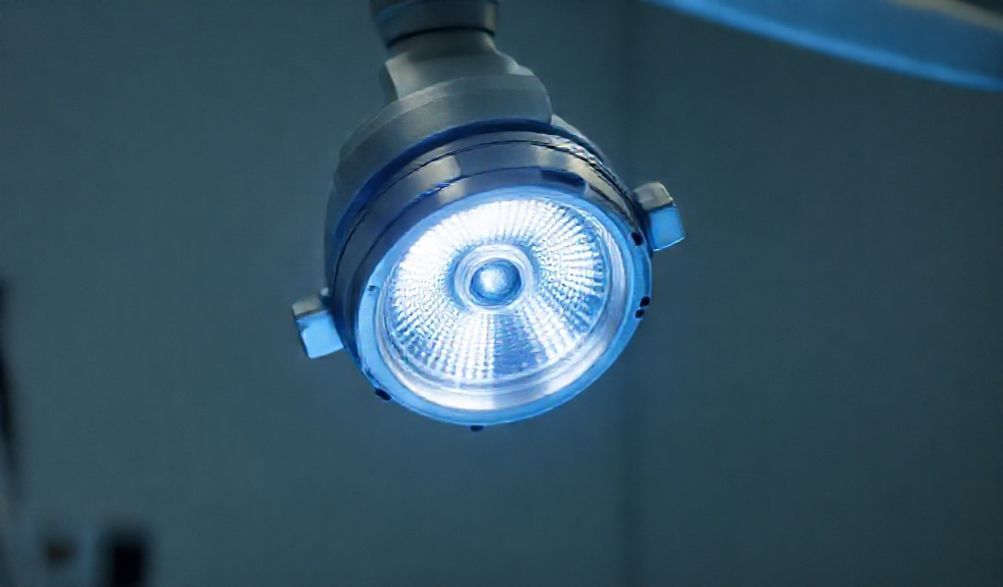
Illuminating Precision: The Complete Guide to LED Surgical Headlights for Medical Professionals
Introduction
In the intricate world of modern surgery, where millimeter precision can define success, the surgeon’s most fundamental tool is not held in their hand but perceived by their eye: clear, accurate, and reliable illumination. The operative field must be a canvas of clarity, where subtle tissue differentiation, delicate vasculature, and critical anatomical planes are revealed without shadow or distortion. For decades, surgical lighting has evolved in pursuit of this ideal, culminating in a transformative technology that is now the standard of care: the LED surgical headlight.
More than just a simple light source, the modern LED хирургический налобный осветитель is a sophisticated, ergonomic system designed to augment a surgeon’s natural vision. It represents a paradigm shift from the bulky, hot, and inefficient systems of the past, offering a blend of brilliance, comfort, and reliability that directly impacts procedural outcomes and surgeon well-being. This guide delves deep into the critical role of LED surgical illumination, tracing its evolution, unpacking its tangible benefits for safety and precision, and providing a comprehensive, evidence-based framework for selecting the optimal system. Drawing from medical device literature and surgical best practices, this resource is crafted to empower healthcare professionals to make informed decisions that enhance both their practice and patient care.
What Are LED Surgical Headlights and How Do They Work?
At its core, a surgical headlight is a personal illumination system that projects a focused beam of light directly into a surgical cavity, independent of the overhead operating lights. This co-axial illumination—where light shines along the surgeon’s line of sight—is crucial for eliminating shadows cast by the surgeon’s head and hands, providing unparalleled visual access to deep and narrow fields.
Core Components and Light Source Technology
A modern LED surgical headlight system is an integrated assembly of key components:
- The LED Light Source: The heart of the system. Unlike traditional bulbs, a Light Emitting Diode (LED) is a semiconductor device that emits light when an electrical current passes through it. For surgery, high-performance white LEDs are used, often combining multiple diode chips to achieve the required intensity and quality. The light produced is notable for its spectral properties, offering a high Color Rendering Index (CRI) and adjustable color temperature to mimic natural daylight.
- Light Transmission: The light must travel from its source to the surgeon’s forehead.
- Fiber Optic Cable: In traditional and many current systems, light is generated in a separate control box and transmitted via a flexible fiber optic cable. This cable contains thousands of glass fibers that guide the light with minimal loss.
- Cable-Free (Battery-Powered): The most advanced systems integrate the LED and a rechargeable battery pack directly into the headlight assembly or a small belt-pack, eliminating the tether of a fiber optic cable entirely. This offers maximum mobility and eliminates cable management issues.
- The Headband and Mount: Designed for all-day comfort during long procedures. Modern headbands are lightweight, adjustable, and often feature padded, moisture-wicking materials. The light source is attached via a swivel or ball-joint mount, allowing for precise positioning of the beam angle.
- Focusing Mechanism: A critical feature that allows the surgeon to adjust the beam from a wide, flood-like field for general dissection to a tight, intense spot for microsurgical tasks. This is typically achieved via a manual slider or dial that moves an optical lens.
The Evolution of Surgical Lighting: From Halogen to LED
The journey to LED illumination highlights a story of continuous improvement:
- Halogen & Xenon: For years, these were the gold standards. Halogen bulbs were inexpensive but produced a yellowish light, generated significant heat, and had a short lifespan. Xenon bulbs offered a brighter, whiter light closer to daylight but were extremely hot, energy-inefficient, and had a high cost of ownership due to frequent, expensive bulb replacements.
- The LED Revolution: LEDs addressed the core shortcomings of their predecessors. They provide a cooler light (minimal infrared/heat emission), exceptional energy efficiency, and a dramatically longer lifespan—often tens of thousands of hours. Furthermore, LED technology allows for precise control over цветовая температура (measured in Kelvin), enabling surgeons to select a light that best enhances tissue contrast, such as a cooler, bluer light for visualizing vasculature or a warmer light for general procedures.
Key Benefits and Advantages of LED Surgical Illumination
The adoption of LED technology is driven by a compelling array of benefits that directly impact surgical performance, patient safety, and operational efficiency.
Enhanced Visual Acuity and Reduced Eye Strain
Fatigue and visual error often stem from poor illumination. LED headlights combat this by:
* Superior Color Rendering Index (CRI): A measure of a light’s ability to reveal the true colors of objects. LEDs with a high CRI (90+) provide exceptional tissue differentiation, making it easier to distinguish between arteries, veins, nerves, and different tissue types.
* Adjustable Intensity & Focus: The ability to dial in the exact brightness and beam size needed for a specific task reduces glare and pupil constriction, minimizing surgeon eye strain and fatigue during multi-hour procedures.
* Shadow-Reduced Illumination: By placing the light source on the surgeon’s forehead, the beam follows their gaze, illuminating the depths of a wound without obstructive shadows, thereby improving depth perception and spatial awareness.
Improved Patient Safety and Surgical Outcomes
Better visualization translates directly to safer, more effective surgery:
* Increased Precision: Enhanced detail allows for more accurate dissection, reducing the risk of iatrogenic injury to vital structures.
* Reduced Operative Time: With a clearer view, surgeons can work more confidently and efficiently, potentially shortening procedure times.
* Minimized Thermal Risk: The “cool” nature of LED light significantly reduces the risk of accidental tissue drying or thermal damage at the surgical site, a notable risk with hot halogen/xenon beams.
Durability, Efficiency, and Cost-Effectiveness
While the initial investment may be higher, the Total Cost of Ownership (TCO) for an LED system is typically lower:
* Long Lifespan: An LED module can last 20,000-50,000 hours, compared to 50-500 hours for a halogen bulb. This means years of use without replacement.
* Энергоэффективность: LEDs consume a fraction of the power required by halogen or xenon bulbs, leading to lower energy costs and longer battery life in wireless units.
* Low Maintenance: With no fragile filaments or bulbs to replace routinely and robust solid-state construction, LED systems require less downtime and incur fewer consumable costs.
Critical Factors for Choosing a Surgical Headlight System
Selecting the right system is a strategic decision. Here are the key evidence-based factors to evaluate:
Assessing Lumen Output, Beam Focus, and Field of View
These technical specs must be understood in practical terms:
* Lumen Output: A measure of total visible light. While more lumens often seem better, the need varies by specialty.
* High-Output (40,000+ lux): Essential for deep-cavity work (e.g., spinal, thoracic, bariatric surgery) and microsurgery.
* Standard-Output (20,000-40,000 lux): Suitable for most general, plastic, ENT, and dental procedures.
* Beam Focus & Field of View: A variable focus system is non-negotiable. Assess the range from the widest field (for overview) to the smallest, most intense spot size (for micro work). The adjustability should be smooth and intuitive.
Comfort and Ergonomics for Long Procedures
A headlight that causes discomfort will not be used effectively.
* Распределение веса: The system should feel balanced on the head. Wireless models shift weight but eliminate cable drag.
* Headband Design: Look for adjustable, padded bands that accommodate different head sizes and shapes without pressure points.
* Heat Management: The headpiece should remain cool to the touch, even after hours of use—a key advantage of LED technology.
Compatibility and Integration with Other Equipment
The headlight should fit seamlessly into your existing workflow:
* Loupes Compatibility: Most surgeons use magnification. Ensure the headlight offers a compatible mount (e.g., a clip, bracket, or integrated frame) that aligns the light beam co-axially with your line of sight through the loupes.
* Documentation & Teaching: Some systems offer beam-splitters or camera mounts to integrate a video camera for recording procedures or broadcasting to monitors for teaching.
* OR Integration: For cabled systems, consider the length and manageability of the fiber optic cable and the footprint of the power supply/control box.
Applications Across Surgical Specialties
The versatility of modern LED headlights makes them indispensable across the surgical spectrum.
Demanding Fields: Neurosurgery, Ophthalmology, and Microsurgery
In these specialties, the margin for error is virtually zero.
* Neurosurgery: Requires extremely high, focused illumination to see into deep, narrow corridors. Cool light is critical to avoid heating sensitive neural tissue.
* Ophthalmology & Microsurgery: Precision is measured in microns. A bright, homogenous beam with perfect color rendition is needed to distinguish translucent tissues and fine sutures under high magnification.
High-Volume and General Surgery: ENT, Dental, and Plastic Surgery
Here, ergonomics, mobility, and color accuracy are paramount.
* ENT & Dental: Surgeons work in confined oral and nasal cavities. A bright, shadow-free light is essential, and wireless systems offer exceptional freedom of movement.
* Пластическая и реконструктивная хирургия: True color representation is critical for assessing skin flaps, graft viability, and aesthetic outcomes. The adjustable color temperature of LEDs is a significant advantage.
Maintenance, Safety, and Best Practices
Proper care ensures longevity, safety, and consistent performance.
Routine Care, Cleaning, and Sterilization Protocols
Always adhere to the manufacturer’s specific Instructions for Use (IFU). Общие принципы включают:
* Disinfection: The headband, casing, and light cable (if present) can typically be wiped down with a hospital-grade disinfectant wipe between procedures.
* Очистка: The optical lens should be cleaned gently with a soft, lint-free cloth and the recommended solution (often alcohol-based) to avoid smudges that scatter light.
* Стерилизация: Some components (like certain metal mounts) may be autoclavable. Never immerse the core LED light source, battery pack, or control box in any fluid.
Understanding Safety Certifications and Standards
Compliance with international standards is a non-negotiable indicator of quality and safety. Look for:
* Regulatory Marks: FDA clearance (USA), CE marking (Europe), and other regional approvals.
* Менеджмент качества: Сертификат ISO 13485, который устанавливает требования к системе менеджмента качества при проектировании и производстве медицинских изделий.
* Электробезопасность: Certifications like IEC 60601-1, which covers basic safety and essential performance of medical electrical equipment.
Часто задаваемые вопросы (ЧЗВ)
Q1: How long does the battery typically last on a wireless LED headlight?
О: Battery life varies by model and brightness setting, but modern systems typically offer 4-8 hours of continuous use on a single charge, sufficient for most surgical procedures. Always check the manufacturer’s specifications and have a backup charging plan.
Q2: Can LED surgical headlights be used with surgical loupes?
A: Yes, most are designed for compatibility. Many systems offer custom mounts that attach directly to loupe frames. It’s crucial to ensure the specific headlight model and mount are compatible with your loupe brand and magnification.
В3: Действительно ли светодиодные налобные осветители холоднее традиционных галогенных ламп?
О: Значительно. Светодиоды излучают очень мало инфракрасного излучения, что означает, что сам световой луч является “холодным”. Это предотвращает высыхание тканей и термическое повреждение в области хирургического вмешательства, а также значительно снижает тепловой дискомфорт для хирурга, использующего осветитель.
В4: Каков типичный срок службы светодиодного источника света в таких системах?
О: Светодиодные модули часто имеют срок службы от 20 000 до 50 000 часов, что значительно превышает показатели традиционных ламп. Это означает многие годы типичного клинического использования до возможного снижения светового потока, обеспечивая большую надежность и более низкие долгосрочные затраты.
В5: Как правильно очищать и дезинфицировать мой хирургический налобный осветитель?
О: Всегда следуйте конкретным Инструкциям по применению (IFU) производителя. Как правило, оголовье и корпус можно протирать дезинфицирующим средством больничного класса. Разъем кабеля осветителя и линзу необходимо аккуратно очищать рекомендованными растворами. Никогда не погружайте основной источник света или аккумуляторный блок в жидкость.
Заключение
— это не просто улучшение освещения; это фундаментальное усовершенствование самого критически важного инструмента хирурга — его зрения. Благодаря непревзойденной цветопередаче, бестеневому освещению и эргономичному комфорту эта технология напрямую способствует хирургической точности, снижает утомляемость во время операции и способствует положительным результатам для пациента. Переход от галогенных к светодиодным осветителям — это не просто смена оборудования, а стратегические инвестиции в клинические результаты и профессиональное благополучие. LED surgical headlight Хирургический налобный осветитель эволюционировал от удобного аксессуара до фундаментальной основы современной хирургической практики. Он представляет собой критически важное вложение в точность, преобразуя то, как хирурги видят операционное поле и взаимодействуют с ним. Обеспечивая яркое, холодное и надежное освещение, синхронизированное с направлением взгляда хирурга, эти системы напрямую повышают точность, снижают утомляемость и способствуют улучшению результатов лечения пациентов. Решение о внедрении или переходе на светодиодную систему должно приниматься на основе тщательной оценки технических характеристик, эргономичного дизайна и соответствия высочайшим стандартам безопасности. В конечном итоге, выбор правильного светодиодного хирургического осветителя — это вложение в хирургическое мастерство, позволяющее медицинским специалистам работать на пике своих возможностей и освещая путь к лучшему уходу за каждым пациентом.
p>