
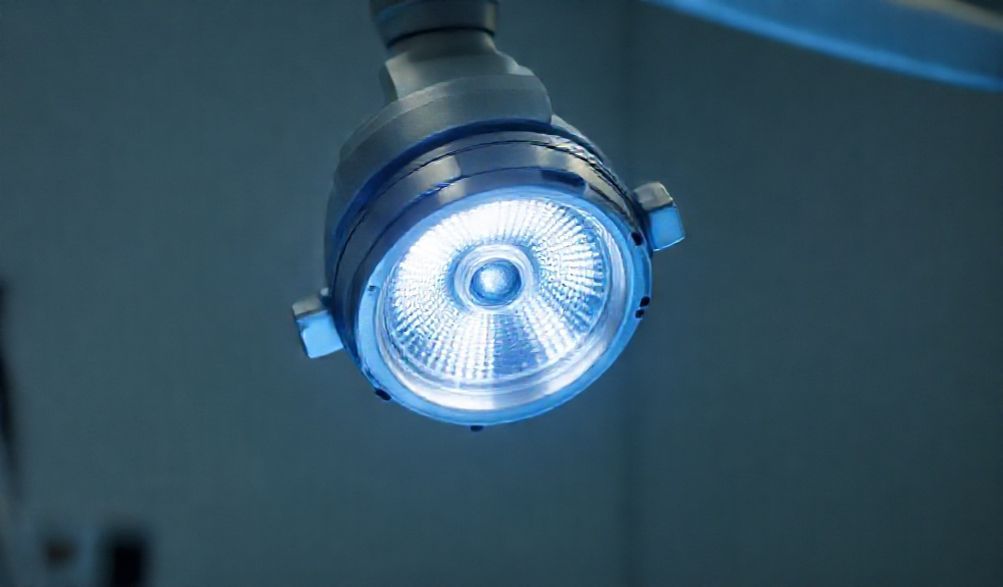
Illuminating Precision: The Complete Guide to LED Surgical Headlights for Medical Professionals
Introduction
In the high-stakes theater of modern surgery, where a millimeter can define the boundary between success and complication, one element remains non-negotiable: perfect visibility. It is the foundation upon which precision, safety, and efficiency are built. For generations, surgeons relied on the intense, hot light of halogen and xenon bulbs, but today, a technological revolution has redefined the standard. Light Emitting Diode (LED) technology has emerged as the unequivocal gold standard in surgical illumination, transforming not just what surgeons see, but how they see it.
This comprehensive guide is crafted by a team with deep expertise in medical device technology and surgical ergonomics. We have synthesized data from clinical studies, analyzed manufacturer specifications, and incorporated insights from practicing surgeons to create a definitive, trustworthy resource. Whether you are a veteran surgeon considering an upgrade, a hospital procurement officer evaluating capital equipment, or a medical student preparing for a future in the operating room, this guide will illuminate the critical features, tangible benefits, and essential selection criteria for LED surgical headlights. Our goal is to empower you to make an informed decision—a decision that enhances patient outcomes, preserves surgeon well-being, and optimizes operational workflow.
What Are LED Surgical Headlights and How Do They Work?
At its core, a хирургический налобный осветитель is a personal illumination system that projects a bright, focused beam of light directly into the surgical field, coaxial with the surgeon’s line of sight. Unlike overhead surgical lights, which provide ambient illumination, a headlight offers targeted, shadow-free light that moves intuitively with the surgeon’s head. The shift from traditional light sources to LED represents a fundamental leap in quality, reliability, and performance.
Core Technology: From Halogen to LED Innovation
For decades, halogen and xenon bulbs were the mainstays. While powerful, they came with significant drawbacks:
* Excessive Heat: They operated at very high temperatures, often radiating uncomfortable heat onto the surgeon’s forehead and adding unwanted thermal load to the surgical site.
* Poor Color Fidelity: Their light spectrum could distort tissue color, making it harder to accurately differentiate between arterial blood, venous blood, and various tissue types.
* Short Lifespan and Fragility: Bulbs had limited operational lives (often just 50-100 hours) and were prone to sudden failure, causing disruptive and costly delays.
светодиодные технологии addresses these limitations at its foundation. An LED is a semiconductor device that emits light when an electrical current passes through it. This principle offers transformative advantages for surgery:
* Эффективность: LEDs convert a much higher percentage of energy into visible light rather than heat (infrared radiation).
* Spectral Precision: LEDs can be engineered to produce a specific, consistent color temperature, typically in the 4500K to 5500K range—mimicking natural daylight, which is optimal for human visual acuity.
* Controllability & Longevity: Solid-state design means no fragile filaments. LEDs are incredibly durable and can offer lifespans exceeding 20,000 hours, essentially making them “lifetime” components for the device.
Key Components of a Surgical Headlight System
Современная LED surgical headlight is an integrated system of several key components:
-
The Light Source: This is the LED engine. Critical specifications include:
- Luminosity: Measured in lumens (total light output) or, more importantly, люксах (illuminance at a specific distance). High-performance systems can deliver over 100,000 lux.
- Color Temperature: Expressed in Kelvin (K). A “daylight” range of 4500K-5500K is preferred for its neutral, white light that enhances tissue contrast.
- Индекс цветопередачи (CRI): A measure (up to 100) of how accurately a light source reveals the true colors of objects. A CRI >90 is essential for surgery.
-
The Delivery System: How light travels from the source to the headpiece.
- Fiber Optic Systems: A remote light generator houses the LED, and light is transmitted via a flexible fiber optic cable. This keeps the headpiece very light but involves managing a cable.
- Integrated LED Arrays: The LEDs are mounted directly on the headpiece, powered by a cable connected to a battery pack. This offers excellent light quality and eliminates the fiber cable but can make the headpiece slightly heavier.
-
The Headpiece: The wearable component. Design focuses on:
- Распределение веса: Balancing the light source and optics to minimize neck strain.
- Регулируемость: Precise vertical and horizontal aiming mechanisms to align the beam perfectly.
- Безопасность: Padded headbands (strap or crown style), breathable materials, and secure, non-slip fit.
-
The Power Source: Typically a rechargeable lithium-ion battery pack worn on a belt or waistband. Key considerations are operational lifespan per charge (often 4-8 hours) and the presence of a clear battery level indicator.
Critical Benefits of LED Lighting in Surgical Procedures
The technical superiority of LED хирургические налобные осветители translates directly into measurable advantages in the operating room, impacting visual performance, physical comfort, and institutional efficiency.
Enhanced Visual Accuracy and Tissue Differentiation
This is the most significant clinical benefit. The high CRI and optimal color temperature of LED light provide a truer, more consistent color representation. This allows surgeons to make more confident and accurate distinctions between subtle tissue variations—differentiating necrotic tissue from viable tissue, identifying small vasculature, and recognizing pathological changes. Furthermore, the even, focused beam minimizes distracting shadows and “hot spots” that can cause eye strain and fatigue during marathon procedures, helping to maintain peak visual performance from the first incision to the final suture.
Improved Ergonomics and Surgeon Comfort
Surgery is physically demanding. Modern LED headlights are engineered with ergonomics as a priority. Lightweight designs, often weighing less than 200 grams for the headpiece, significantly reduce the load on cervical and upper back muscles over long procedures. The cool operation of LEDs eliminates the “hot spot” on the forehead associated with halogen systems, a major source of discomfort. A well-balanced, comfortable headlight promotes better posture and reduces fatigue, allowing the surgeon to focus entirely on the procedure.
Operational Efficiency and Cost-Effectiveness
From an operational standpoint, LEDs are a smart investment. The extraordinary lifespan (20,000-50,000 hours) means the elimination of frequent, costly bulb replacements and the associated downtime. Their high efficiency lowers power consumption. Perhaps less obvious but equally important is the reduction in radiant heat directed at the surgical site, which can help minimize tissue desiccation. Over time, the reliability, low maintenance, and energy savings of an LED surgical headlight system offer a compelling total cost of ownership compared to legacy technologies.
How to Choose the Right LED Surgical Headlight: A Buyer’s Guide
Selecting the ideal system requires matching technical capabilities with your specific procedural needs and personal preferences. Here are the critical factors to evaluate.
Assessing Technical Specifications: Lumens, Spot Size, and Depth of Field
Don’t just look at the biggest lumen number. Context is everything.
* Brightness & Lux: A dermatologist performing superficial procedures may need 40,000 lux, while a neurosurgeon working in a deep cranial cavity may require 150,000 lux or more. Understand the illuminance at your typical working distance (e.g., 14-18 inches).
* Spot Size & Depth of Field: The ability to adjust the beam from a wide field for overview to a small, intense spot for deep cavity work is crucial. A good LED surgical headlight offers adjustable focus to maintain a sharp, uniform circle of light across different depths.
* Beam Pattern: The beam should have a smooth, uniform transition from center to edge without a harsh, blinding central hotspot or distracting rings.
Evaluating Comfort and Usability Features
If it’s not comfortable, it won’t be used effectively.
* Headband Design: Test different styles. A padded, adjustable crown distributes weight evenly, while a strap-style band may feel more secure for those with loupes. Look for quick-release mechanisms for easy donning/doffing.
* Организация кабелей: A poorly routed cable can be a persistent nuisance. Look for systems with secure, low-profile cable connectors and routing clips that keep the cable behind your shoulder.
* Совместимость: Ensure the headlight mount is compatible with your surgical loupes, safety glasses, or magnification systems. The combined weight and balance must be assessed.
Considering System Durability and Support
Your headlight is a critical tool that must perform reliably.
* Build Quality: Look for robust, medical-grade materials. Some systems offer ingress protection (IP) ratings against fluids and dust.
* Гарантия и поддержка: A strong warranty (3-5 years is common for premium systems) reflects manufacturer confidence. Consider the supplier’s reputation for responsive technical support, service availability, and loaner equipment policies.
* Trial Period: Whenever possible, request a clinical trial. Use the system in your own OR during a typical procedure. There is no better test than hands-on experience.
Applications Across Medical and Surgical Specialties
The versatility of modern LED surgical headlights makes them indispensable across a wide spectrum of medical fields.
Demanding Fields: Neurosurgery, ENT, and Plastic/Reconstructive Surgery
These specialties often involve deep, narrow cavities where overhead light cannot reach.
* Neurosurgery: Requires intense, shadow-free illumination at significant depth to visualize delicate neural structures. Adjustable spot size and extreme depth of field are paramount.
* Оториноларингология (ЛОР): Procedures in the sinuses, throat, and ears demand precise, coaxial light. The ability to maintain a bright, focused beam in a confined space is critical.
* Plastic/Reconstructive Surgery: Accurate color rendition is essential for assessing tissue viability, flap perfusion, and skin tone matching. High CRI lighting supports these nuanced visual judgments.
High-Precision Procedures: Dentistry, Ophthalmology, and Microsurgery
Here, magnification and light must work in perfect harmony.
* Стоматология и челюстно-лицевая хирургия: LED headlights provide brilliant, white light that reduces eye strain during detailed restorative work and oral procedures, often integrated directly with dental loupes.
* Офтальмология: While microscopes are primary, headlights are vital for periocular procedures, lacrimal surgery, and minor office-based interventions.
* Microsurgery (Hand, Vascular): Surgeons using high-power loupes or microscopes still rely on headlights for initial dissection, positioning, and supplementary illumination, requiring a perfectly focused, high-intensity beam.
Emerging and Outpatient Settings: Veterinary Surgery, Aesthetics, and Mobile Clinics
The benefits of LEDs extend beyond the human OR.
* Veterinary Surgery: Portable, battery-powered LED headlights offer excellent illumination in varied veterinary OR settings, from large animal to exotic pet surgery.
* Aesthetic Medicine: For procedures like filler injections, thread lifts, and minor excisions, a comfortable, bright headlight provides the precision needed for optimal cosmetic outcomes.
* Mobile Clinics & Field Medicine: The portability, long battery life, and durability of LED systems make them ideal for use in non-traditional settings, including military field hospitals and humanitarian missions.
Часто задаваемые вопросы (ЧЗВ)
Q1: Are LED surgical headlights significantly better than older halogen models?
О: Absolutely. The difference is substantial. LEDs provide superior, daylight-quality color accuracy (high CRI), generate minimal heat, have lifespans hundreds of times longer (eliminating bulb changes), and are far more energy-efficient. This translates to better visual conditions, improved surgeon comfort, and lower long-term operating costs.
Q2: What is a good brightness (lumen output) for most procedures?
О: Сосредоточьтесь на люксах (освещенности в рабочей зоне), а не только на люменах. Для многих общих хирургических, ортопедических и гинекологических процедур отличным показателем является 80 000–120 000 люкс на стандартном рабочем расстоянии. Для специальностей, работающих с глубокими полостями, таких как нейрохирургия или хирургия позвоночника, может потребоваться 150 000 люкс или более. Всегда обсуждайте ваши конкретные потребности с компетентным поставщиком.
В3: Как правильно обслуживать и чистить мой светодиодный хирургический налобный осветитель?
О: Строго следуйте инструкциям производителя по очистке и дезинфекции. Как правило, оголовье и корпус осветителя можно протирать салфеткой с дезинфицирующим средством больничного класса. Оптоволоконные кабели следует проверять на наличие перегибов или повреждений и аккуратно очищать одобренным раствором. Никогда не погружайте световой модуль или аккумуляторный блок в жидкость. Храните систему в защитном футляре.
В4: Могу ли я использовать хирургический налобный осветитель с моими существующими лупами?
О: В большинстве случаев — да. Большинство современных LED surgical headlights осветителей разработаны с универсальными или адаптируемыми креплениями, которые можно зафиксировать на оправе ваших хирургических луп. Крайне важно убедиться, что крепление надежно, а общий вес и баланс комфортны для вас во время длительной процедуры.
В5: Сколько обычно работает аккумулятор и как понять, когда его нужно заряжать?
О: Полностью заряженный высокоемкий литий-ионный аккумуляторный блок обычно обеспечивает от 4 до 8 часов работы в зависимости от установленной яркости. Большинство профессиональных систем оснащены четкими индикаторами состояния заряда, такими как ряд светодиодов или цифровой дисплей на самом аккумуляторном блоке, которые показывают низкий уровень заряда и необходимость подзарядки.
Заключение
— это не просто улучшение освещения; это фундаментальное усовершенствование самого критически важного инструмента хирурга — его зрения. Благодаря непревзойденной цветопередаче, бестеневому освещению и эргономичному комфорту эта технология напрямую способствует хирургической точности, снижает утомляемость во время операции и способствует положительным результатам для пациента. Переход от галогенных к светодиодным осветителям — это не просто смена оборудования, а стратегические инвестиции в клинические результаты и профессиональное благополучие. LED surgical headlight При оценке систем смотрите дальше базовых спецификаций. Отдавайте приоритет сочетанию оптического совершенства, настраиваемого комфорта и надежной поддержки, которое соответствует уникальным требованиям вашей специальности и практики. Мы настоятельно рекомендуем консультироваться с опытными специалистами по медицинскому оборудованию и, что наиболее важно, пользоваться возможностями практических испытаний. Ощутите разницу, которую может создать настоящее высококачественное хирургическое освещение. В стремлении к совершенству в операционной важна каждая деталь, а свет — это та деталь, которая делает все остальное видимым.
Хирургический налобный осветитель.
p>