
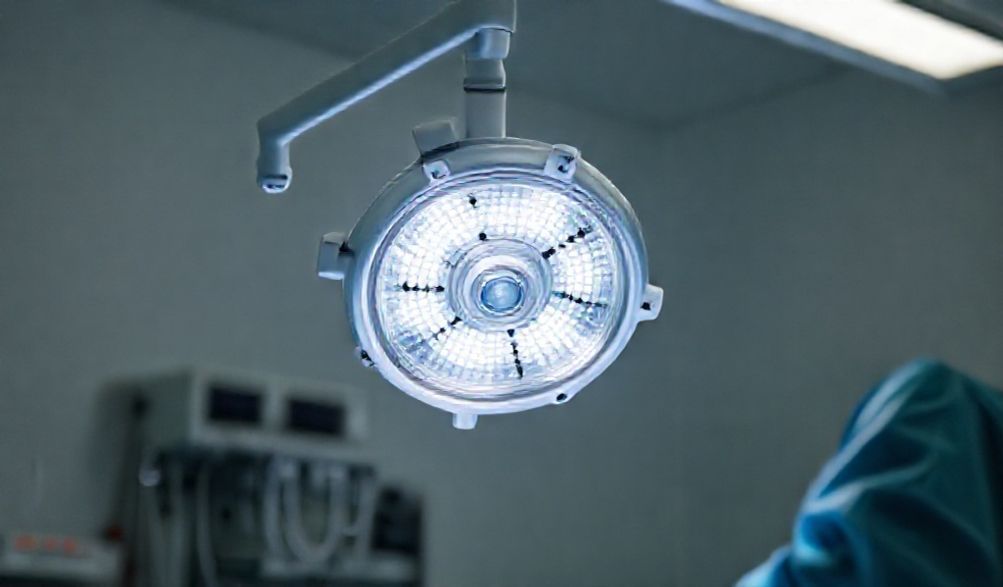
Mobile Surgical Lights: A Comprehensive Guide to Portable Operating Room Illumination
Imagine a critical trauma patient rushed into a crowded emergency room. The main operating suites are occupied. Or picture a sudden, total power outage in the middle of a complex orthopedic procedure. In these high-stakes moments, the quality, direction, and reliability of light are not mere conveniences—they are fundamental determinants of a surgeon’s ability to see, differentiate, and operate effectively. This is where the traditional paradigm of fixed, ceiling-mounted surgical lighting reaches its limit.
mobile surgical lights have emerged as a powerful solution to these challenges. Far from being mere backup options or secondary tools, modern mobile surgical lights are sophisticated, essential instruments that enhance surgical precision, procedural flexibility, and, ultimately, patient outcomes across a vast spectrum of healthcare settings. This comprehensive guide synthesizes insights from leading surgical equipment manufacturers, peer-reviewed studies on surgical ergonomics and visual performance, and established clinical best practices. Our aim is to provide a trustworthy, detailed resource that helps surgeons, clinical engineers, and hospital administrators understand, evaluate, and implement mobile lighting solutions effectively. We will explore the different types of mobile lights, their critical features, undeniable benefits, practical selection criteria, and essential protocols for proper use.
What is a Mobile Surgical Light? Defining Portable OR Illumination
At its core, a mobile surgical light is a self-contained, fully maneuverable lighting system engineered to deliver high-intensity, shadow-reduced illumination directly onto a surgical field. Unlike its fixed counterpart, it is not attached to the ceiling or wall but stands independently on a mobile base, offering unparalleled freedom of placement.
Core Definition and Primary Function
The primary function of any surgical light—mobile or fixed—is to provide brilliant, white light that penetrates deep into body cavities while minimizing distracting shadows cast by the surgeon’s head and hands. A mobile light achieves this with the same advanced optical principles (which we’ll detail later) but packages them into a unit that can be rolled to any location, positioned at virtually any angle, and stored away when not in use. It is a complete illumination system in a single, movable package.
The Evolution from Fixed to Mobile Systems
Surgical lighting has evolved dramatically from the simple mirrors and focused sunlight of centuries past. The advent of electric overhead lights in the early 20th century standardized the operating room. For decades, the large, ceiling-mounted “pendant” light was the undisputed centerpiece of OR illumination.
The shift toward mobile systems gained momentum with the rise of minimally invasive surgery and the development of hybrid operating rooms. These environments demand extreme flexibility; equipment and personnel must often be repositioned rapidly. A fixed light, once the patient is draped and the C-arm is in place, can become an obstacle. The mobile light, conversely, can be seamlessly integrated and adjusted. This evolution reflects a broader trend in healthcare: the move toward adaptable, patient-centric, and multi-purpose environments.
Key Differences Between Mobile and Fixed Surgical Lights
The choice between mobile and fixed lighting isn’t about which is universally “better,” but which is most appropriate for the specific need. Here’s a quick comparison:
| Feature | Mobile Surgical Light | Fixed (Ceiling-Mounted) Surgical Light |
| :— | :— | :— |
| Portability | High. Can be moved between rooms, departments, or facilities. | None. Permanently installed in one location. |
| Installation | Minimal. Often just requires unpacking and charging. | Complex. Requires structural ceiling support, electrical wiring, and professional installation. |
| Upfront Cost | Generally lower per unit. | Generally higher, including installation costs. |
| Ideal Use Cases | Emergency rooms, labor & delivery, ICU, outpatient clinics, field hospitals, backup, supplemental lighting. | Primary illumination in high-volume, dedicated main operating theaters. |
| Flexibility | Excellent for positioning around other equipment and for unconventional angles. | Excellent for broad, overhead coverage in a standardized setup. |
Critical Applications and Use Cases for Mobile Surgical Lights
The versatility of mobile surgical lights makes them indispensable across the healthcare continuum.
Emergency and Trauma Surgeries
In the chaotic environment of an Emergency Department or trauma bay, speed and adaptability are paramount. Mobile lights can be instantly deployed to a bedside for emergency procedures like chest tube insertion, central line placement, or wound exploration. They are equally vital in disaster response scenarios and military field hospitals, where a reliable, self-contained power source and rapid setup are non-negotiable.
Supporting Specialized Procedures
Many procedures occur outside the traditional OR, yet demand the same quality of light:
* Labor & Delivery: For Cesarean sections and other obstetric procedures, a mobile light provides focused, adjustable illumination directly over the surgical field.
* Intensive Care Units (ICU): For bedside surgical procedures like tracheostomies or percutaneous endoscopic gastrostomy (PEG) tube placements.
* Dental and Oral Surgery: Provides intense, focused light for intricate work within the oral cavity.
* Ветеринария: Essential in veterinary ORs where table and patient sizes vary widely.
Enhancing Flexibility in Main Operating Theaters
Even within a well-equipped main OR, mobile lights play a crucial role. They serve as:
* Primary Backup: An immediate, high-quality fallback during a ceiling light failure or power outage.
* Supplemental Lighting: For complex surgeries requiring illumination from multiple angles (e.g., spinal surgeries from both anterior and posterior), a mobile light can provide the secondary light source without the need for a second fixed pendant.
Low-Resource and Field Medicine Settings
In remote clinics, medical missions, and mobile surgical units, infrastructure is limited. Mobile surgical lights, especially those with long-lasting battery power, become the primary source of surgical illumination, enabling life-saving procedures to be performed safely anywhere in the world.
Essential Features to Evaluate in a Mobile Surgical Light
Not all mobile lights are created equal. When evaluating options, consider these critical performance and design characteristics.
Light Quality and Performance Metrics
This is the most important category. The light must enable perfect visualization.
* Lux/Lumen Output: Lux measures light intensity at the surgical surface. While needs vary, general surgery often requires 40,000 to 160,000 lux at the center of the light field. Deep-cavity procedures demand higher intensities. Ensure the light can deliver adequate, adjustable brightness for your intended use.
* Индекс цветопередачи (CRI): A CRI of >90 (out of 100) is essential. This metric indicates how accurately the light reveals the true colors of tissues, allowing surgeons to distinguish between arterial blood, venous blood, fat, and fascia—a critical factor in patient safety.
* Shadow Reduction Technology: Look for systems using multiple LED point sources or sophisticated reflector designs. These technologies ensure that when a surgeon’s hand or instrument obstructs one light source, the others fill in the shadow, maintaining a consistently illuminated field.
* Depth of Illumination: The light beam must provide consistent color temperature and intensity not just on the surface, but deep into a wound or body cavity, often up to 15-25 cm.
Mobility and Ergonomics
If the light is difficult to position, its brilliant output is wasted.
* Maneuverability: Assess the wheel design (locking casters are a must), the overall weight, and the stability of the base to prevent tipping.
* Arm Reach and Articulation: The light head should be mounted on a multi-jointed arm (often with 3-4 segments) that provides a wide range of motion. Smooth, counterbalanced movement and positive locking mechanisms are vital for precise, stable positioning without drift.
Safety and Durability
This equipment must withstand a harsh clinical environment.
* Heat Management: Modern светодиодные технологии is superior to old halogen bulbs. LEDs produce significantly less radiant heat at the surgical site, reducing tissue desiccation risk. They also run cooler at the light head itself.
* Sterilization and Cleanability: The entire unit, especially the light head and handles, must have a seamless, non-porous design that can withstand frequent wiping with harsh hospital-grade disinfectants without degrading.
* Battery Life & Power Options: Look for a battery runtime that exceeds your typical longest procedure (often 4-8 hours). The unit should operate seamlessly on AC power, with an automatic, uninterrupted switch to battery if power is lost. A clear battery charge indicator is essential.
How to Choose the Right Mobile Surgical Light: A Buyer’s Checklist
Selecting the right light requires a structured assessment of your needs.
Assessing Your Clinical Needs and Environment
- What specific procedures will it be used for? (Superficial vs. deep cavity)
- Will it be a primary light source or a backup?
- How many different rooms or departments will share it?
- What are the physical space constraints (doorway widths, storage space)?
3. Бюджетирование: первоначальная стоимость против совокупной стоимости владения
The sticker price is just the beginning. Consider:
* Long-term savings from LED: A 50,000-hour LED lifespan versus a 1,000-hour halogen bulb means decades of use without bulb replacement costs or downtime.
* Energy consumption: LEDs are far more energy-efficient.
* Maintenance contracts and part availability.
Compatibility and Integration Considerations
Does the light offer accessories like sterile handle covers or camera/video attachment points? If used as supplemental light in an OR, does its color temperature match your existing fixed lights to avoid visual confusion?
Vendor and Support Evaluation
This is where E-E-A-T (Experience, Expertise, Authoritativeness, Trustworthiness) becomes critical. Choose a vendor with:
* A proven track record and clinical evidence supporting their technology.
* Comprehensive warranties and readily available service from certified biomedical engineers.
* Robust training programs for your clinical staff on proper operation and safety.
Best Practices for Operation and Maintenance
Proper use ensures performance, longevity, and safety.
Proper Positioning and Adjustment Techniques
- Position the light at a 60-75 degree angle relative to the surgical field to optimize depth of illumination and minimize glare reflected into the surgeon’s eyes.
- Adjust the focus/spot size so the light field comfortably encompasses the entire incision area.
- Always use the handles or sterile drapes designed for adjustment; never push on the light head itself.
Протоколы регулярной очистки и дезинфекции
- Follow the manufacturer’s instructions precisely for compatible disinfectants.
- After every procedure, thoroughly wipe down all touch points: handles, control panels, arms, and the base.
- Ensure no liquid pools around joints or electrical components.
Scheduled Maintenance and Safety Checks
- Ежедневно/перед использованием: Check battery indicator, arm movement and locking, and overall cleanliness.
- Ежемесячно/ежеквартально: Inspect wheels/casters, check for any damage to the housing or cables, and verify light output intensity and color (if possible with a meter).
- Ежегодно: Schedule a full preventive maintenance check by a qualified biomedical technician to inspect electrical safety, calibrate systems, and test battery health.
Staff Training and Competency
Operating a surgical light is a clinical skill. All potential users—surgeons, nurses, surgical techs—should receive formal training on its features, optimal positioning, and safety protocols to ensure it contributes positively to patient outcomes.
Frequently Asked Questions (FAQ) About Mobile Surgical Lights
Q1: Are mobile surgical lights as bright and effective as fixed ceiling-mounted lights?
A: Modern high-end mobile lights with advanced LED technology can match or exceed the performance of many fixed lights in terms of lux intensity, color quality (CRI), and shadow reduction. The key is comparing specifications. For dedicated, high-volume main ORs, fixed lights offer seamless integration. For versatility and high performance across multiple locations, top-tier mobile lights are exceptionally effective.
Q2: What is the typical battery life, and what happens if the power fails during surgery?
A: Battery life varies by model and intensity setting, typically ranging from 2 to 8+ hours on a full charge. High-quality lights are designed to operate while plugged into AC power. They contain circuitry that provides an automatic, instantaneous, and uninterrupted switchover to the internal battery if mains power fails—a critical safety feature that prevents a blackout in the surgical field.
Q3: Can mobile surgical lights be used for sterile procedures?
A: Yes, absolutely, but they must be designed for it. Key features to look for include the ability to attach a sterile, disposable handle cover over the adjustment handle. Some models allow the entire light head to be enclosed in a sterile drape. The surfaces must be easily cleanable to maintain the sterile field.
Q4: How do I know if the light intensity is correct for a specific procedure?
A: While there are recommended lux level guidelines (e.g., 40,000-100,000 lux for general surgery), the ultimate judge is the surgical team’s visual assessment. The light should be bright enough to see minute details without causing glare or eye fatigue. Staff training should emphasize adjusting the light to achieve optimal tissue visualization, using manufacturer guidelines as a starting point.
В5: Каковы основные преимущества светодиодных ламп перед галогенными?
О: Светодиодная технология теперь является стандартом по веским причинам:
* Срок службы: 50 000+ часов работы против ~1 000 часов у галогенных.
* Тепловыделение: Значительно меньше лучистого тепла в области хирургического вмешательства.
* Эффективность: Более низкое энергопотребление.
* Рабочие характеристики: Мгновенное включение на полную яркость с постоянной цветовой температурой на протяжении всего срока службы диода.
* Стоимость владения: Исключает частую, дорогостоящую замену ламп и связанные с этим простои.
Заключение
Мобильные хирургические светильники представляют собой жизненно важный столб современного хирургического освещения, предлагая непревзойденную гибкость, надежность и высококачественный свет в различных клинических условиях — от оживленного отделения неотложной помощи до удаленной полевой клиники. Решение о приобретении такого светильника должно приниматься на основе тщательной оценки показателей световых характеристик (индекс цветопередачи CRI, освещенность в люксах, контроль теней), практической мобильности и эргономики, встроенных функций безопасности и долгосрочной поддержки от надежного поставщика.
Как мы подчеркивали на протяжении всего этого руководства, выбор правильного хирургического оборудования — это, в основе своей, инвестиция в безопасность пациента и эффективность хирургических вмешательств. Мы рекомендуем использовать представленную здесь информацию в качестве основы для дальнейших консультаций с клиническими инженерами, проверенными поставщиками медицинского оборудования и рецензируемой литературой, соответствующей вашей хирургической специализации. Правильный мобильный хирургический светильник — это не просто оборудование; это динамичный партнер в создании оптимальных визуальных условий и, как следствие, достижении наилучших результатов для пациента.
Готовы сделать следующий шаг? Рекомендуем загрузить подробный контрольный список технических характеристик, связаться с надежным поставщиком для организации практической демонстрации в вашем учреждении или изучить клинические случаи, которые подчеркивают влияние мобильного освещения в вашей конкретной области практики.
p>