
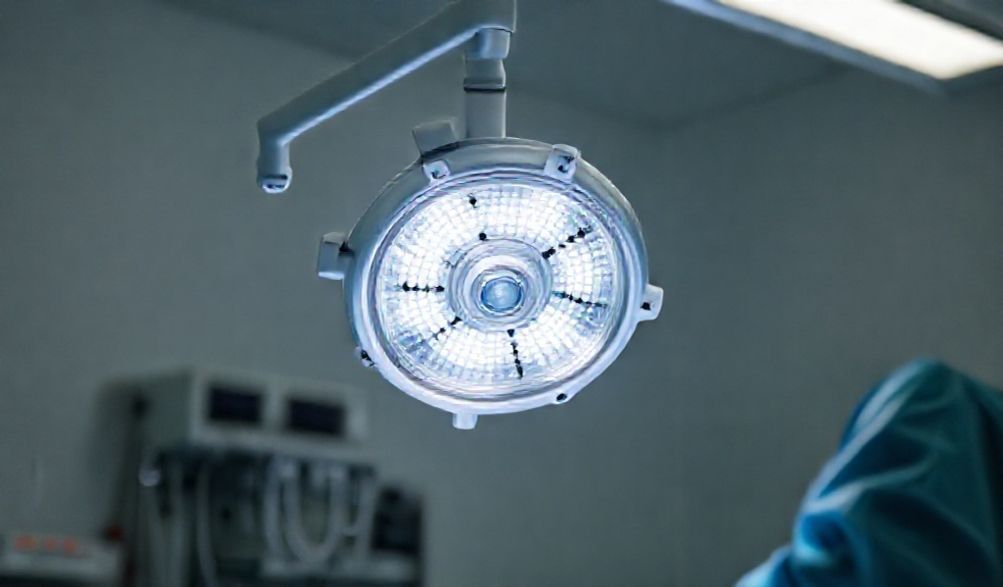
Mobile Surgical Lights: A Comprehensive Guide to Portable Operating Room Illumination
Imagine a trauma patient rushed into a crowded emergency room. The surgical team needs immediate, clear access to a deep abdominal injury, but the fixed ceiling light is obstructed by equipment and cannot be angled correctly. Precious seconds tick by as shadows obscure the surgical field, complicating the life-saving procedure. This scenario, while stressful, highlights a critical vulnerability in rigid operating room setups and underscores the indispensable value of a flexible, powerful solution: the mobile surgical light.
This guide serves as an authoritative resource on mobile surgical lights, detailing their advanced technology, diverse applications, key selection criteria, and tangible benefits for modern healthcare teams. Our purpose is to provide expert, evidence-based information to help surgeons, clinical directors, procurement officers, and facility managers make thoroughly informed decisions. The content herein is grounded in industry standards, clinical literature, and fundamental engineering principles. Whether you are researching to purchase, seeking to understand complex specifications, or comparing solutions for your facility, this article promises a clear, unbiased, and comprehensive overview.
What Are Mobile Surgical Lights? Defining Portable OR Illumination
Mobile surgical lights, also known as portable surgical lights or surgical light on a stand, are self-contained, movable units designed to provide high-quality, surgical-grade illumination wherever it is needed. Unlike their fixed, ceiling-mounted counterparts, these systems are mounted on a mobile base with a multi-articulating boom, offering unparalleled flexibility. They are engineered to deliver the intense, shadow-reduced, and color-accurate light required for precise visualization during surgical procedures, but with the freedom to be deployed across multiple rooms or in spaces without permanent installations.
Core Technology and How They Work
The modern mobile surgical light is a marvel of medical engineering, centered on Light Emitting Diode (LED) technology.
- LED Arrays & Color Quality: Contemporary lights utilize arrays of high-output, medical-grade LEDs. Two critical metrics define their light quality:
- Color Temperature: Measured in Kelvin (K), surgical lights typically operate in the 4000K to 4500K range. This “neutral white” light mimics daylight and is crucial for rendering true tissue color, allowing surgeons to accurately distinguish between arteries, veins, nerves, and different tissue states.
- Индекс цветопередачи (CRI): A CRI value (on a scale of 0-100) indicates how accurately a light source reveals the true colors of objects compared to natural light. For surgery, a CRI greater than 90 is essential. A high CRI ensures that subtle differences in tissue color—a key diagnostic cue—are not masked.
- Optical Systems for Precision: The light’s optical design is what transforms raw LED output into a usable surgical field.
- Depth of Field: This refers to the vertical distance within which the light remains in focus and sufficiently intense. A good depth of field (often 15-25cm or more) means the surgeon can move instruments in and out of the wound without constantly refocusing the light.
- Shadow Reduction: Advanced systems use multi-point source technology, where light is emitted from hundreds of points within a single lamp head or from multiple, slightly offset LED modules. This design causes shadows cast by the surgeon’s hands or instruments to be dramatically diluted and softened, rather than creating a single, obstructive dark spot.
- Равномерность освещения: A uniform, “flat” light field without hot spots (excessively bright centers) or dim edges is vital to prevent eye strain and ensure consistent visibility across the entire operative site.
Key Differences from Fixed Ceiling-Mounted Lights
The choice between mobile and fixed lights is not about one being universally superior, but about selecting the right tool for the environment and need.
- Portability and Flexibility: This is the defining advantage. A mobile light can be wheeled into any room, positioned at any angle its boom allows, and easily stored when not in use. It liberates surgical illumination from a single, fixed point in the OR ceiling.
- Use-Case Scenarios: This flexibility makes mobile lights ideal for:
- Non-Dedicated ORs: Emergency rooms, ICU procedure rooms, labor & delivery suites.
- Flexible-Care Facilities: Ambulatory Surgery Centers (ASCs), outpatient clinics, and dental suites where room usage varies.
- Resource-Limited or Temporary Settings: Veterinary clinics, military field hospitals, pop-up surgical centers, and medical mission deployments.
- Supplemental Lighting: In main ORs, they can provide additional illumination for complex multi-site procedures or optimal lighting for assistants.
Critical Applications and Use Cases for Mobile Surgical Lights
The versatility of mobile surgical lights allows them to meet critical illumination needs across a wide spectrum of healthcare delivery.
Primary Clinical Environments
- Emergency Rooms and Trauma Centers: Speed and adaptability are paramount. Mobile lights can be instantly deployed to any bay, positioned around other vital equipment, and provide brilliant light for emergency procedures like chest tube insertions, crash laparotomies, or complex wound debridement.
- Ambulatory Surgery Centers (ASCs) and Outpatient Clinics: ASCs prioritize efficiency and cost-effectiveness. A few high-quality mobile lights can service multiple procedure rooms, eliminating the need for expensive fixed installations in each one. They are perfect for specialties like ophthalmology, orthopedics (e.g., hand surgery), plastic surgery, and pain management.
- Veterinary Operating Rooms: Veterinary practices benefit greatly from the flexibility and lower infrastructure cost. A mobile light can be adjusted for procedures on animals of vastly different sizes, from a cat to a Great Dane, in the same room.
- Military and Field Medical Units: In deployable medical units (e.g., Forward Surgical Teams), robustness, battery operation, and quick setup are non-negotiable. Mobile surgical lights are core equipment, providing OR-grade illumination in tents, buildings, or on naval vessels.
Supplementary and Specialized Uses
- Backup Illumination: In main hospital ORs, a mobile light serves as an essential backup in case of a fixed light failure, ensuring a procedure is never halted.
- Specialized Procedure Angles: For disciplines like podiatry (foot surgery), dentistry, or head and neck surgery, the ability to position the light from unconventional, low angles is often necessary and easier with a mobile unit.
- Teaching and Observation: The light head can be easily tilted to illuminate the surgical field for observers, students, or camera systems without disrupting the surgeon’s primary view.
How to Choose the Right Mobile Surgical Light: A Buyer’s Checklist
Selecting a mobile surgical light requires a careful balance of clinical performance and practical operability. Use this checklist to evaluate your options.
Technical Specifications to Evaluate
- Illumination Quality:
- Intensity: Ищите люксах (or foot-candle) output at a standard working distance (e.g., 1 meter). A minimum of 40,000 lux is common for minor procedures, while major surgery may demand 100,000 lux or more.
- Light Field Diameter: Ensure the adjustable field is large enough for your typical procedures (e.g., from a focused 10cm spot to a broad 25cm field).
- Depth of Penetration: A deeper depth of field (≥15cm is good) reduces the need for constant refocusing during surgery.
- Maneuverability:
- Boom Reach and Articulation: The boom should have a sufficient horizontal and vertical reach to cover your operating tables from various positions. Smooth, multi-jointed articulation is key.
- Ease of Movement & Stability: The base should roll easily on locking casters but become rock-solid when the brake is engaged. The system must not drift or sag after positioning.
- Hygiene & Safety:
- Герметичная конструкция: The light head and handles must have a smooth, seamless, and sealed exterior that can withstand repeated cleaning with harsh hospital disinfectants.
- Heat Management: LED lights emit very little infrared (IR) radiation. Confirm low thermal output to prevent drying of tissue or discomfort for the surgical team.
- Сертификации: Mandatory certifications include разрешение FDA 510(k) (U.S.), маркировка CE (Europe), and compliance with IEC 60601-1 (safety for medical electrical equipment). ISO 9680 specifics for surgical lighting performance are a plus.
Operational and Practical Considerations
- Battery Life and Power Options: For true mobility, battery performance is critical. Seek 4-8 hours of runtime at typical intensities. Understand recharge times (2-8 hours) and if “hot-swappable” batteries are an option. A “power-failure safe” mode that maintains light at a lower intensity if unplugged is a valuable feature.
- Ergonomics and Ease of Use: Test the controls. Are adjustment handles intuitive and placed for aseptic access by a scrubbed nurse? Is the control panel simple, with clear feedback for intensity and battery status?
- Общая стоимость владения (TCO): Look beyond the sticker price. Consider:
- Initial Investment: Purchase price.
- Обслуживание: Service contract costs and availability of local technicians.
- Срок службы: LED modules often last 50,000+ hours, virtually eliminating bulb replacement costs.
- Прочность: A robustly built light will have lower long-term repair costs.
The Tangible Benefits: Why Invest in a Mobile Surgical System?
The investment in a high-quality mobile surgical light yields significant returns across clinical, operational, and financial domains.
Enhancing Surgical Outcomes and Team Performance
- Improved Visual Clarity & Precision: Superior illumination with high CRI and homogeneity allows for exceptional visualization of anatomical structures. This directly contributes to surgical precision, reduces the risk of error, and can potentially shorten procedure time.
- Снижение утомляемости хирурга: Eye strain from poor lighting—glare, shadows, or incorrect color—is a real factor in long procedures. Optimal lighting minimizes this fatigue, helping to maintain surgeon focus and performance.
- Adaptability to Complexity: The ability to dynamically reposition the light for optimal angles during different stages of a complex procedure is a significant intraoperative advantage.
Increasing Operational Efficiency and Facility Flexibility
- Maximizes Room Utility: A single mobile light can support procedures in multiple rooms (e.g., an OR, a procedure room, and an ER bay), dramatically increasing facility flexibility without capital construction.
- Rapid Deployment for Emergencies: It provides instant surgical-grade lighting anywhere, turning any prepared space into a viable procedural area within minutes.
- Cost-Effective Scalability: For growing clinics or ASCs, adding mobile capacity is far more economical than building new ORs with fixed lights. It allows for scalable expansion of surgical services.
Maintenance, Safety, and Best Practices
To ensure longevity, reliability, and safety, a disciplined maintenance regimen is essential.
Routine Care and Cleaning Protocols
- Daily/Post-Procedure Cleaning: After each use, the entire unit—especially the light head, handles, and boom arms—should be wiped down with a hospital-grade, low-level disinfectant (e.g., a quaternary ammonium compound or diluted bleach solution). Always follow the manufacturer’s specific instructions for compatible cleaning agents to avoid damaging seals or finishes.
- Регулярный осмотр: Clinical staff should routinely check the integrity of the light head cover, the smooth operation of all joints and casters, the security of handles, and the condition of the power cord.
Ensuring Long-Term Reliability and Safety
- Scheduled Professional Servicing: Engage a qualified biomedical technician or the manufacturer’s service team for annual or bi-annual inspections. This should include checking electrical safety, mechanical tension in the arms, battery health diagnostics, and calibration of light intensity sensors.
- Уход за аккумулятором: Follow guidelines for battery cycling. Avoid consistently draining the battery to 0%. If the light will be stored for extended periods, consult the manual for proper long-term storage charge levels.
- Запасные части OEM для ремонта: Настаивайте на использовании оригинальных запасных частей от производителя оборудования (OEM) для любых замен. Неоригинальные запчасти могут ухудшить производительность, нарушить герметичность или соответствие нормативным требованиям.
Раздел Часто задаваемых вопросов (ЧАВО)
В1: Каков типичный срок службы батареи мобильной хирургической лампы и сколько времени занимает её зарядка?
О: Большинство современных светодиодных моделей обеспечивают от 4 до 8 часов непрерывной работы при стандартной хирургической интенсивности на полном заряде. Время зарядки обычно составляет от 2 до 8 часов в зависимости от технологии аккумулятора (например, литий-ионного) и конструкции зарядного устройства. Время работы может быть меньше при использовании на максимальной яркости.
В2: Можно ли стерилизовать мобильные хирургические лампы?
О: Они предназначены для высокоуровневой дезинфекции, но методы стерилизации различаются. Корпус световой головки имеет герметичные гладкие поверхности для протирания дезинфицирующими средствами для больниц, зарегистрированными в Агентстве по охране окружающей среды (EPA). Ручки часто являются съёмными и автоклавируемыми (пригодными для паровой стерилизации). Крайне важно точно следовать инструкциям производителя, чтобы избежать повреждений. В3: Так ли ярки и эффективны мобильные лампы, как стационарные потолочные?.
Да, современные высококлассные мобильные хирургические лампы теперь соответствуют или превосходят стационарные по ключевым показателям, таким как интенсивность (люкс), цветопередача (CRI) и контроль тени. Компромисс заключается не в качестве света, а в способе его подачи: удобство предустановленных потолочных позиций против ручной гибкости мобильного устройства.
О: В4: Какие сертификаты являются наиболее важными?.
Основными сертификатами являются
О: (для рынка США), разрешение FDA 510(k) знак CE (для Европы) и подтверждённое соответствие серии стандартов IEC 60601-1 по безопасности и основным рабочим характеристикам медицинского электрооборудования. Они обязательны для безопасности пациентов и персонала. В5: Как организовать провода питания и обеспечить безопасность в загруженной операционной?.
Выбирайте модель с интегрированной системой управления кабелями вдоль стрелы. Лучшей практикой является полная зарядка аккумулятора перед процедурой для беспроводного использования. Если лампа подключена к сети, закрепите шнур питания вдоль колонны до основания и используйте напольный кабельный канал или крепкую ленту для прокладки к розетке, чтобы исключить риск споткнуться.
О: Мобильные хирургические лампы превратились из простых резервных устройств в сложные основные источники хирургического освещения, обеспечивающие гибкость в здравоохранении. Они доставляют высококачественный свет, необходимый для точной хирургии, практически в любое место — от оживлённых отделений неотложной помощи до полевых условий.
Заключение
Оптимальный выбор — это тот, который безупречно сочетает бескомпромиссные клинические характеристики (интенсивность, точность цветопередачи и уменьшение теней) с практическими реалиями рабочего процесса вашего учреждения, эргономикой для персонала и бюджетными соображениями. Это решение — инвестиция в безопасность пациентов, хирургическую точность и оперативную гибкость.
Мы настоятельно рекомендуем проконсультироваться с клиническими инженерами, привлечь хирургический персонал к оценке и, что наиболее важно, организовать.
практические демонстрации продукции в вашем собственном учреждении перед окончательной покупкой. Убедитесь, как лампа работает в вашем пространстве и как ваша команда взаимодействует с ней. Готовы осветить ваши хирургические возможности?.
Свяжитесь с авторитетным поставщиком медицинского оборудования сегодня, чтобы запросить подробный технический паспорт и назначить живую демонстрацию передовой мобильной хирургической лампы в вашей клинической среде. Contact a reputable medical equipment supplier today to request a detailed specification sheet and schedule a live demonstration of a leading mobile surgical light in your clinical environment.
p>