
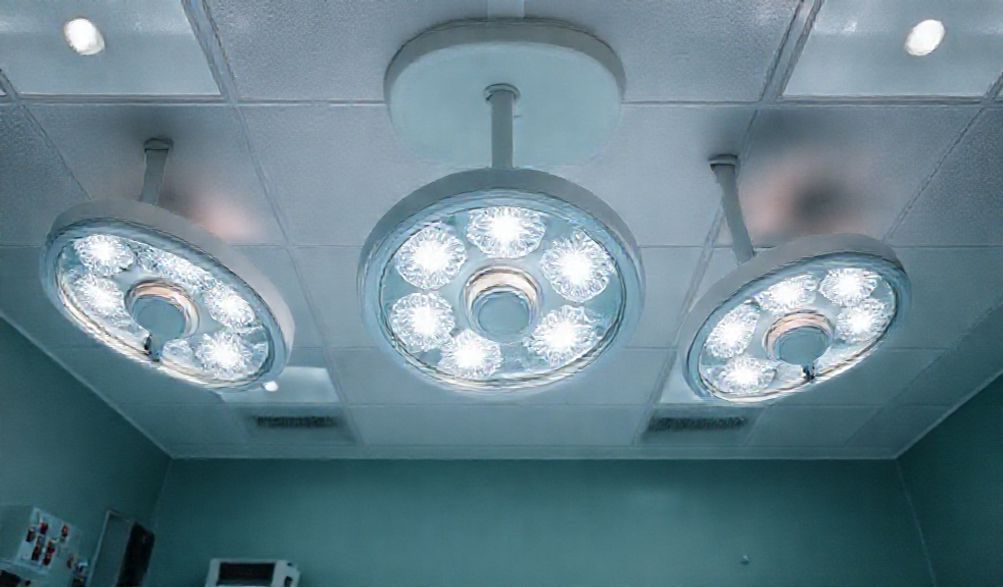
Operating Room Lights: A Comprehensive Guide to Surgical Lighting Technology
Introduction
В напряженной обстановке операционной важен каждый нюанс. Однако один критический фактор часто упускают из виду до тех пор, пока он не выйдет из строя: освещение. Представьте себе: Journal of Clinical Anesthesia suggests that up to 30% of a surgeon’s time during complex procedures can be spent adjusting for inadequate visualization. In a field where a millimeter can mean the difference between success and complication, lighting is not a utility—it is a pivotal surgical instrument. The precision required to differentiate a nerve from a blood vessel, to identify subtle tissue changes, or to suture a microvascular anastomosis is utterly dependent on the quality, intensity, and clarity of the light illuminating the surgical field.
This guide serves as an authoritative, expert-driven resource for medical professionals, hospital procurement teams, biomedical engineers, and students. Our purpose is to demystify the sophisticated technology behind modern operating room lights, providing a clear framework for evaluation, selection, and maintenance. We will move beyond basic specifications to explore how advanced surgical lighting directly impacts patient safety, surgeon performance, and procedural outcomes. This post will systematically cover the core technology, essential features, stringent compliance standards, procurement strategies, and future trends, ensuring you have a comprehensive understanding of this foundational OR technology.
Whether you are researching a capital purchase, specifying equipment for a new surgical suite, or seeking to deepen your clinical knowledge, this guide is designed to be your trusted, in-depth resource on the critical role of operating room illumination.
The Critical Role of Surgical Lighting in Patient Safety
Surgical lighting’s primary mandate is to create an optimal visual environment that enhances the surgeon’s ability to perform safely and effectively. It is a direct contributor to patient safety protocols.
How Lighting Directly Impacts Surgical Precision and Outcomes
The human eye and brain rely on specific visual cues to interpret depth, texture, and color. Advanced OR lights are engineered to maximize these cues:
- Depth Perception & Shadow Management: Unlike a single light source that creates harsh, obscuring shadows, surgical lights are designed to provide homogeneous, multi-source illumination. This minimizes the shadows cast by surgeons’ heads and hands, allowing for clear, three-dimensional visualization of tissue planes and anatomical structures. The ability to see на a cavity, rather than just across it, is fundamental.
- Color Rendition: Accurate color representation is non-negotiable. Differentiating between arterial blood (bright red), venous blood (darker red), fatty tissue (yellow), and healthy vs. ischemic or necrotic tissue requires a light source with a high Color Renditing Index (CRI). Poor color fidelity can lead to misinterpretation, potentially delaying critical decisions.
- Tissue Differentiation & Contrast: The light’s spectral quality and intensity must provide sufficient contrast between adjacent tissues. This is crucial in specialties like neurosurgery, biliary surgery, or plastic reconstruction, where identifying subtle differences in texture and color is paramount for preserving function and achieving optimal results.
Mitigating Surgeon Fatigue: Ergonomic Benefits of Advanced OR Lights
Surgeon well-being is intrinsically linked to patient safety. Fatigue leads to decreased concentration and increased error rates. Modern lighting systems address ergonomic stressors:
- Glare Reduction: Intense light reflecting off moist tissue or instruments can cause disabling glare and temporary “flash blindness.” Advanced lights incorporate anti-glare filters and optical systems that deliver high illumination without creating reflective hotspots, reducing eye strain over long procedures.
- Thermal Management: Older halogen and xenon lights emitted significant infrared radiation, generating heat that could dry out exposed tissues and discomfort the surgical team. LED-based systems produce minimal heat, maintaining a cooler surgical field and a more comfortable environment.
- Consistent Illumination: Flicker or gradual dimming forces the surgeon’s eyes to constantly readjust. Stable, consistent light output reduces cognitive load and visual fatigue, supporting sustained focus during marathon surgeries.
Core Technology & Components of Modern OR Lights
The shift from traditional halogen and xenon bulbs to Light Emitting Diode (LED) technology represents the most significant evolution in surgical lighting in decades.
LED Technology: The Standard for Efficiency and Performance
LEDs have become the undisputed standard, offering transformative advantages:
- Cool Light Output: LEDs emit very little infrared radiation, drastically reducing the heat directed at the surgical site and the surgical team.
- Exceptional Longevity: With lifespans often exceeding 50,000 hours, LEDs outlast halogen bulbs by a factor of 20 or more, virtually eliminating the risk of a bulb failure mid-procedure and reducing replacement costs and downtime.
- Consistent Color Temperature: LEDs maintain a stable color temperature throughout their lifespan, unlike halogen bulbs which yellow as they age. This ensures consistent tissue color representation from the first minute of a surgery to the 50,000th.
- Энергоэффективность: LEDs consume significantly less power for the same or greater light output, leading to substantial energy savings and lower operational costs for the hospital.
Understanding Key Technical Specifications
Evaluating OR lights requires fluency in their technical language:
- Illuminance (Lux): This measures the intensity of light falling on a surface. Surgical lights typically range from 40,000 to over 160,000 lux at the center of the field. Higher lux values are needed for deep-cavity or microsurgery. It’s crucial that this intensity is maintained evenly across a defined field diameter (e.g., 30cm).
- Индекс цветопередачи (CRI): A scale from 0-100 that measures a light source’s ability to reveal the true colors of objects compared to natural light. For surgery, a CRI >90 (often Ra >90) is considered essential for accurate tissue discrimination.
- Color Temperature (Kelvin, K): This describes the “warmth” or “coolness” of the light. Surgical lights are typically in the 4000K to 5000K range—a neutral to slightly cool white that enhances contrast and reduces the sedative effect of warmer tones.
- Depth of Field: This refers to the light’s ability to maintain focused illumination even when the distance from the light head to the surgical site changes (e.g., when moving from a superficial to a deep cavity). A good depth of field means less frequent manual adjustment is needed.
The Anatomy of a Surgical Light Head
The light head is the business end of the system, and its design dictates performance:
- Optical/Reflector System: This is the heart of shadow control. Systems use complex multi-faceted reflectors or lens systems to channel light from multiple LED modules, creating overlapping beams that fill in shadows.
- LED Modules: An array of individual LED chips, often arranged in concentric rings. Redundancy is built-in; if one module fails, the others compensate, preventing a total blackout.
- Filters and Coatings: Modern lights feature:
- Anti-Glare Filters: Laminated or coated lenses that diffuse light to eliminate harsh reflections.
- Anti-Microbial Coatings: Sealed, smooth surfaces and sometimes silver-ion coatings to inhibit bacterial growth and facilitate cleaning.
- Handle System: Sterilizable handles allow for easy, precise repositioning without breaking the sterile field. Ergonomic design and intuitive movement are key.
Essential Features for Selecting Operating Room Lights
Beyond core specs, these features determine how well the light integrates into real-world surgical workflow.
Shadow Management and Penetration: Optical System Design
Two primary optical systems dominate:
- Parallelogram (Telescopic) Systems: Use a series of linked arms and a central light source. They are robust but can create a more defined central shadow that moves with the light head.
- Multi-reflector/Lens Systems: The industry standard for high-end lights. Hundreds of small reflectors or lenses guide light from multiple LED sources to create a homogeneous field with exceptionally low shadow diffusion. Even when a surgeon’s head obstructs part of the light head, the remaining reflectors continue to illuminate the field effectively.
Maneuverability and Sterility: Positioning Systems and Design
- Варианты крепления: Ceiling-mounted booms offer the greatest range of motion and keep the floor clear. Wall-mounted units can be a cost-effective solution for smaller rooms or specific applications. Single vs. Multi-Arm: Dual independent light heads on one boom provide backup and allow for lighting from two angles to further reduce shadows.
- Articulation: The system should move smoothly, stay precisely in position without drift, and be easy to manipulate with a sterile handle. Counterbalanced arms are essential for effortless positioning.
- Возможность очистки: The entire assembly, especially the light head, must have a seamless, sealed design with no crevices where biological matter can accumulate. Materials should withstand frequent cleaning with harsh disinfectants.
Integration and Compatibility: The Smart OR Ecosystem
The modern OR is a networked environment. Lighting is becoming an integrated component:
- Control Interfaces: Options include touchscreen panels, sterile touch handles, voice control, and integration into the OR’s central control system. The ability to save and recall light settings for specific procedures or surgeons enhances efficiency.
- Видеоинтеграция: Lights often have built-in or attachable 4K camera systems for recording, streaming, or teaching. Seamless integration is key.
- Подключение данных: Future-ready systems may connect to hospital networks for remote diagnostics, usage tracking, and integration with patient data or augmented reality systems.
Guidelines, Standards, and Compliance
Operating room lights are Class IIa or IIb medical devices and are subject to rigorous international standards.
Navigating International Standards (IEC 60601-2-41)
The benchmark standard is IEC 60601-2-41, which specifies safety and essential performance requirements for surgical luminaires. Key mandates include:
* Safety from Excessive Radiation: Limits on UV and IR emissions.
* Механическая безопасность: Requirements for stability, strength of arms, and secure mounting.
* Электробезопасность: Protection against shock and electromagnetic interference.
* Performance Requirements: Defines test methods for illuminance, field diameter, depth of field, and color rendering. Compliance with this standard is a minimum requirement for any credible OR light.
Hospital Protocols: Installation, Calibration, and Preventive Maintenance
Post-purchase protocols ensure sustained performance:
* Профессиональная установка: Must be performed by certified technicians to ensure structural integrity and electrical safety.
* Первоначальная калибровка: The light’s output should be verified against the manufacturer’s specifications upon installation.
* Preventive Maintenance (PM): A scheduled PM program should include measurement of central and peripheral lux levels, verification of CRI and color temperature, inspection of mechanical movement and balance, and checks of all controls and safety features. This is typically performed annually or biannually.
Evaluating and Procuring OR Lighting Systems
A structured approach prevents costly mistakes and ensures the selected system meets clinical needs.
Creating a Requirements Checklist for Your Facility
- Clinical Specialties: Does the hospital specialize in cardiac (deep cavity), neuro (high precision), orthopedic, or minimally invasive surgery? Each has different lighting needs.
- OR Room Dimensions and Layout: Ceiling height, table position, and room size dictate boom length and mounting style.
- Budget Constraints: Differentiate between capital budget (purchase) and operational budget (maintenance, energy).
- Future-Proofing: Consider plans for robotic surgery, hybrid ORs, or other technologies that may require integrated lighting solutions.
Total Cost of Ownership (TCO) Analysis
Look beyond the sticker price. A cheaper halogen system may have a lower upfront cost but a far higher TCO due to:
* Frequent bulb replacements (cost and labor).
* Higher energy consumption.
* Increased HVAC load to remove excess heat.
* Higher risk of failure during surgery.
An LED system’s higher initial investment is often justified over a 5-10 year period.
Questions to Ask Manufacturers and Vendors
- “What is the warranty period and what does it cover?”
- “What is your average response time for technical service in our region?”
- “Can you provide clinical studies or white papers on the impact of your shadow reduction technology?”
- “Is the system upgradeable (e.g., to add cameras or new control interfaces)?”
- “What training do you provide for our clinical engineering and OR staff?”
Maintenance, Care, and Troubleshooting
Proper care preserves performance and protects the investment.
Daily and Periodic Cleaning Protocols for Infection Control
- Ежедневно/После каждой процедуры: Wipe down handles, arms, and light head exteriors with a hospital-grade, low-level disinfectant. Avoid abrasive pads or harsh chemicals that can damage coatings.
- Periodic Deep Clean: Follow the manufacturer’s instructions for cleaning the optical glass/plastic. Typically, a mild soap solution and soft cloth are used. Never spray disinfectant directly onto the light head; spray the cloth first to prevent liquid from seeping into vents or electrical components.
Common Issues and Diagnostic Steps
- Мерцание/затемнение: Check connections at the ceiling plate and light head. Could indicate a failing power supply or LED driver. Requires technical service.
- Нестабильное или затрудненное движение: Inspect for visible damage to arms or joints. Check the balance/calibration of the arms. May require lubrication or spring adjustment by a technician.
- Color Shift or Reduced Output: This is often a sign of aging (in halogens) or failing LED modules/drivers. Verify with a light meter. Schedule service.
- Общее правило: For any electrical or mechanical issue beyond basic cleaning, involve your clinical engineering department or the manufacturer’s service team immediately.
The Future of Surgical Lighting
The frontier of surgical lighting involves intelligence and specialization.
Adaptive and Augmented Reality (AR) Integration
- Adaptive Lighting: Systems using sensors to automatically adjust intensity and spot size based on the distance to the surgical field or the reflectivity of the tissue.
- AR Projection: Imagine a light that can project pre-operative MRI scans, tumor margins, or vital signs directly onto the patient’s anatomy, perfectly aligned and in the surgeon’s line of sight, creating a true “heads-up display” for surgery.
Advances in Photobiology and Specialized Procedures
- Therapeutic Lighting: Lights with specific wavelengths for activating photosensitive drugs in photodynamic therapy for cancer treatment.
- Enhanced Visualization: Narrow-band imaging (NBI) or other spectral enhancement technologies built into the light source to highlight vascular patterns or specific tissue types, moving beyond what the naked eye can see.
Раздел Часто задаваемых вопросов (ЧАВО)
Q: What is the typical lifespan of LED operating room lights?
О: High-quality LED modules are typically rated for 50,000 to 100,000 hours of use. In practical terms, with average OR usage, this can translate to 15-20 years of service before a significant drop in output, far exceeding traditional bulbs.
Q: How often should surgical lights be inspected or recalibrated?
О: A comprehensive inspection and performance verification (measuring lux, CRI, color temp) should be part of a scheduled preventive maintenance program, usually annually or biannually. Visual checks for cleanliness and smooth operation should be done daily.
В: Можно ли модернизировать старые галогенные системы освещения до светодиодных?
О: Sometimes. Some manufacturers offer retrofit kits to replace halogen modules with LED ones in existing light heads and arms. However, a full assessment is needed, as the older mechanics, wiring, and cooling systems may not be optimized for LED technology. A complete system replacement is often more effective.
Q: What is the difference between central and peripheral illumination?
О: Central illuminance is the maximum light intensity at the very center of the field. Peripheral illuminance is the intensity at the edge of the defined field (e.g., at a 30cm diameter). A quality light maintains a high peripheral illumination (often >60% of the central value) to ensure an even, wide field of view without a “hotspot” only in the middle.
Q: How do we ensure our OR lights comply with the latest safety standards?
О: Purchase from reputable manufacturers who provide a Declaration of Conformity stating compliance with IEC 60601-2-41 and other relevant regional standards (like FDA 510(k) clearance in the US). This documentation should be part of your procurement file.
Вопрос 5: Существуют ли специальные светильники, рекомендуемые для малоинвазивной или роботизированной хирургии?
О: Yes. For laparoscopic/endoscopic surgery, overhead lighting is less critical as the camera provides internal illumination. However, for port placement and any open conversion, good lighting is still needed. For robotic surgery, where the surgeon is at a console, lights with excellent shadow reduction and wide fields are crucial for the bedside assistant team. Lights with integrated or compatible video systems are also a major benefit for both.
Заключение
Operating room lights have evolved from simple illumination devices into sophisticated, intelligent medical instruments that are foundational to patient safety and surgical excellence. Selecting the right system is a strategic decision that impacts clinical outcomes, operational efficiency, and long-term financial performance. It requires a careful balance of understanding core technologies like LED performance and optical design, evaluating essential features for workflow integration, and adhering to stringent international standards.
We strongly recommend a collaborative procurement process. Involve not only procurement and clinical engineering but also the surgeons and nurses who will use the lights daily. There is no substitute for an on-site demonstration or trial, where the clinical team can assess shadow control, maneuverability, and light quality in a realistic setting.
В конечном счете, современное хирургическое освещение — это критически важная инвестиция в современную высокотехнологичную операционную. Оно является ключевым фактором точности, средством снижения рисков и незаметным помощником в стремлении к улучшению результатов лечения пациентов и прогрессу в хирургической помощи.
Готовы оценить потребности вашей операционной в освещении? Загрузите наш подробный контрольный список технических требований к операционному освещению, чтобы использовать его на следующем заседании закупочного комитета.
p>