
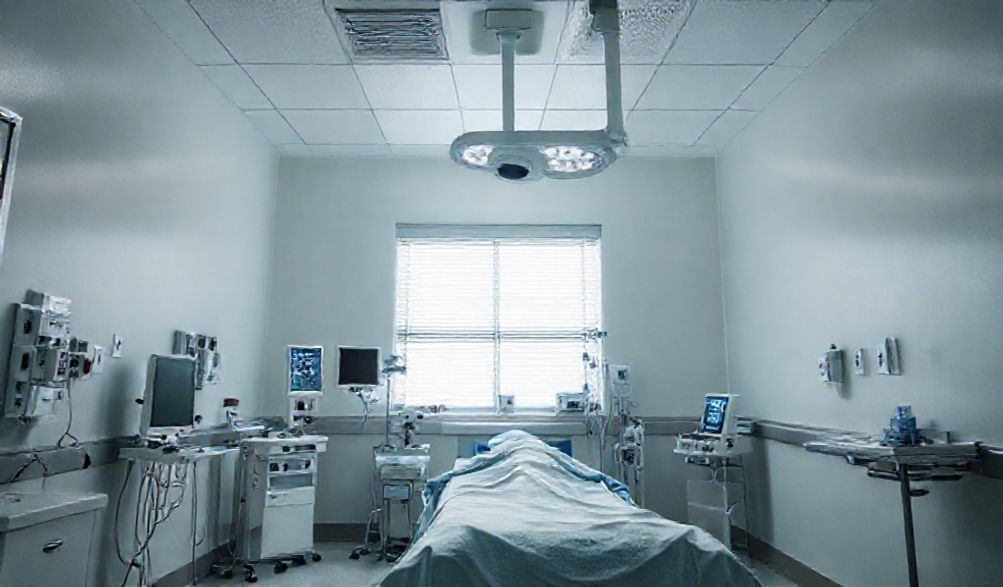
Optimizing Patient Room Lighting: A Guide to Healing Environments & Best Practices
We intuitively understand the power of light. A sunny morning energizes us, while a dim, warm room invites relaxation. This connection between illumination and our inner state isn’t just poetic—it’s biological. In healthcare settings, where the body is healing and the mind is often under duress, this relationship becomes critically important. The sterile, often harsh fluorescent glow of the traditional hospital room is increasingly recognized not just as unpleasant, but as an impediment to recovery.
This guide explores why patient room lighting is a critical component of healthcare design, affecting recovery rates, staff efficiency, and overall well-being. Moving beyond simple visibility, modern patient room lighting is a therapeutic tool. We will synthesize insights from clinical research, architectural design principles, and patient-centered care standards to provide actionable insights for facility managers, designers, and families supporting loved ones in care. We’ll cover the biological effects of light on healing, break down the types of lighting systems, discuss practical implementation strategies, and look at emerging trends shaping the future of healthcare environments.
The Science Behind Lighting and Patient Recovery
To design effective lighting, we must first understand its profound impact on the human body and mind. This evidence-based rationale forms the core of any expert approach to healthcare design.
Circadian Rhythms and Hospital Stays
At the heart of our biological functioning is the circadian rhythm—the roughly 24-hour internal clock that regulates sleep-wake cycles, hormone release, body temperature, and other vital processes. The primary cue that synchronizes this clock is light, specifically the blue-wavelength light abundant in daylight.
In a hospital, patients are often deprived of natural light cycles. Constant, low-level artificial light, especially at night, sends confusing signals to the brain’s suprachiasmatic nucleus (the body’s master clock). The consequences are significant:
* Sleep Disruption: The production of melatonin, the sleep hormone, is suppressed by light exposure at night. This leads to fragmented, poor-quality sleep, which is endemic in hospitals.
* Increased Delirium: Sleep deprivation and circadian disruption are major risk factors for hospital-acquired delirium, particularly in elderly patients. This acute state of confusion lengthens stays, worsens outcomes, and increases caregiver burden.
* Slowed Healing: Quality sleep is when the body performs critical repair work. Disrupted circadian rhythms can directly slow wound healing and weaken immune response.
Psychological and Emotional Impacts
Lighting profoundly influences mood and perception. The clinical environment is inherently stressful; lighting can either exacerbate or alleviate this.
* Mood Regulation: Studies have shown that exposure to bright light, particularly in the morning, can help reduce symptoms of depression and anxiety in patients. A well-lit room that mimics the dynamic quality of daylight can foster a more positive outlook.
* Perception of Pain and Stress: Harsh, glaring light can increase perceived pain and anxiety. Conversely, environments with warm, adjustable lighting that patients can control are associated with lower stress levels. The ability to create a personal, comfortable space provides a sense of autonomy in a setting where it is often lost.
Enhancing Visual Acuity for Safety and Care
While patient comfort is paramount, lighting must also serve practical clinical needs.
* Clinical Accuracy: Medical staff require excellent visual acuity to perform tasks ranging from reading charts and medication labels to assessing wound color and a patient’s skin tone (pallor, cyanosis, jaundice). Inadequate or color-distorting light can lead to errors.
* Patient Safety: This is a dual concern. For staff, proper lighting ensures safe movement and procedure performance. For patients, especially the elderly or mobility-impaired, lighting is crucial for fall prevention. Shadows, glare on floors, and poor contrast between surfaces can create hazardous conditions. Consistent, even illumination is key to navigating the room safely.
Key Types of Patient Room Lighting Systems
A therapeutic lighting scheme is not monolithic; it is a layered system where each type serves a distinct purpose. Understanding these layers demonstrates the technical expertise required for effective design.
Ambient (General) Lighting: The Foundation
This is the base layer that provides overall, uniform illumination to the room, minimizing shadows and creating a comfortable visual field.
* Purpose: To eliminate dark corners and provide a safe, navigable environment without causing visual strain or glare.
* Technologies: Modern designs favor indirect LED lighting, where light is bounced off ceilings or walls, creating a soft, diffuse glow that mimics daylight. Recessed LED downlights with wide beam angles and deep baffles to control glare are also common. The goal is to move away from the direct, overhead fluorescent troffer that defined older hospitals.
Task Lighting: Precision for Care
This layer provides high-quality, focused light for specific activities requiring visual precision.
* Exam Lights: Often ceiling-mounted on a track or arm, these provide intense, shadow-reduced, and color-accurate light over the patient bed for examinations and procedures. They typically have a high Color Rendering Index (CRI) and adjustable color temperature.
* Overbed Lights & Reading Lights: These give the patient direct control for personal activities like reading or eating. They should be dimmable, directional, and produce minimal glare for someone in a supine position. Integrated bedside systems often combine this function with nurse call buttons and other controls.
Accent & Therapeutic Lighting
This layer addresses psychological and emotional well-being, transforming a clinical space into a more human-centric one.
* Decorative Elements: Wall sconces, coves, or integrated architectural details can add visual interest, reduce the institutional feel, and create a calmer, more residential atmosphere.
* Therapeutic Technologies: This is the cutting edge of patient room lighting. Virtual windows use high-definition screens or LED panels to simulate a view of nature with a dynamic sky, proven to reduce stress. Dawn simulators gradually increase light intensity in the morning to support natural waking. Tunable white LED systems allow the color temperature and intensity to be programmed throughout the day to actively support circadian rhythms—cool, bright light during daytime hours and warm, dim light in the evening.
Implementing Patient-Centric Lighting Controls
The most sophisticated lighting system fails if it doesn’t empower the user. Control is where the patient’s experience is directly shaped.
The Need for Individualized Control
In an environment where personal autonomy is severely limited, control over one’s immediate surroundings is a powerful tool. Research consistently shows that when patients can adjust their own lighting:
* Stress and anxiety levels decrease.
* Perceived pain can be reduced.
* Overall satisfaction with care increases dramatically.
* A sense of dignity and personal agency is restored.
Control System Options
Systems can range from simple to highly integrated:
* Simple & Intuitive: Bedside dimmer switches or rockers for overhead and reading lights are a fundamental minimum. They must be easy to locate and operate for someone who may be weak, medicated, or visually impaired.
* Advanced Digital Panels: Touchscreen or button-based panels allow control over multiple light layers and often include pre-programmed “scenes.” A “Reading” scene might brighten the task light and dim the ambient. A “Sleep” scene would turn off all lights except a very dim nightlight. An “Exam” scene would bring all lights to full, clinical brightness for staff.
* Integrated Smart Systems: The most advanced systems integrate lighting controls with the nurse call system (e.g., a gentle nightlight path to the bathroom activates when the bed exit alarm is disarmed), room temperature, and even motorized window shades. They can also be tied into the Building Automation System (BAS) for facility-wide energy management and lighting schedules.
Best Practices for Selecting and Maintaining Lighting
Turning principles into practice requires attention to technical details and practical realities.
Technical Specifications to Consider
- Color Temperature (CCT): Measured in Kelvins (K). Warmer tones (2700K-3500K) are generally recommended for ambient and accent lighting as they promote relaxation. Cooler tones (4000K-5000K) are beneficial for task and exam lighting where alertness and visual acuity are paramount. Tunable systems that can adjust between these ranges offer the greatest flexibility.
- Индекс цветопередачи (CRI): A measure of a light source’s ability to reveal the true colors of objects compared to natural light. In healthcare, a CRI of 90 or higher is essential for accurate clinical assessment of skin tone, tissue health, and bodily fluids.
- Glare Reduction: Glare causes visual discomfort and fatigue. Use fixtures with lenses, louvers, or baffles. Position lights carefully to avoid direct sightlines from a patient’s bed or a staff member’s typical working position. Indirect lighting is a highly effective strategy.
Safety, Hygiene, and Maintenance
- Контроль инфекций: In patient rooms, all lighting fixtures should be sealed to prevent dust and pathogen accumulation. Surfaces should be smooth, non-porous, and designed for frequent cleaning with hospital-grade disinfectants.
- Durability & Cleaning: Fixtures must withstand regular cleaning. Avoid designs with crevices, grilles, or fragile materials. Robust construction is non-negotiable.
- Lifecycle & Reliability: LED technology is now the unequivocal standard. While the initial cost may be higher, LEDs offer superior energy efficiency, extremely long lifespans (reducing maintenance disruptions), minimal heat output (improving patient comfort), and full compatibility with digital control systems. The total cost of ownership is significantly lower than fluorescent or halogen sources.
Часто задаваемые вопросы (ЧЗВ)
What is the best color temperature for a patient room?
A tunable system that can change from cool white during the day to warm white at night is ideal for supporting health. For a fixed system, a warm white (3000K) is generally best for ambient light to promote calm, with a separate, cooler task light for reading.
Can lighting really help a patient sleep better in the hospital?
Yes, absolutely. By reinforcing the body’s natural circadian rhythm—providing bright, blue-enriched light exposure during daytime hours and ensuring darkness or very warm, dim light at night—lighting design can significantly improve sleep quality and duration, which is foundational to healing.
How important is it for the patient to control their own light?
Extremely important. Personal control is a cornerstone of patient-centered care. It reduces stress, increases feelings of autonomy and satisfaction, and has been shown in numerous studies to positively impact the perception of care and even clinical outcomes.
Are there specific lighting considerations for elderly patients or those with dementia?
Yes. Key considerations include: Enhanced, even ambient light to minimize shadows that can be misinterpreted (reducing fall risk and confusion). High contrast between critical surfaces (e.g., toilet seat vs. floor). Elimination of glare from floors or walls. Circadian-supporting lighting can also help regulate sleep-wake cycles and reduce “sundowning” agitation.
What are the most energy-efficient lighting options for healthcare facilities?
LED fixtures are the most energy-efficient and practical option. They consume far less power than traditional sources, have a very long lifespan reducing waste and maintenance labor, produce little heat (lowering HVAC costs), and are integral to smart control systems that automatically dim or turn off lights in unoccupied areas.
Заключение
Patient room lighting has evolved from a mere utility to a recognized therapeutic tool with a direct impact on recovery, safety, and the human experience of healthcare. As we’ve explored, successful design requires a holistic balance: it must meet the precise visual needs of clinical staff, actively support the patient’s biological and psychological well-being, and operate efficiently for the facility.
The principles discussed here—respecting circadian science, implementing layered systems, prioritizing patient control, and selecting the right technical specifications—provide a framework for improvement. Whether you are a facility manager planning a renovation, a designer drafting specs, or a family member seeking to improve a loved one’s temporary space, start by auditing the current environment against these ideas.
For any major project, consulting with specialists in evidence-based healthcare design is invaluable. By investing in thoughtful, human-centered lighting, we invest in faster healing, greater comfort, and a more dignified healthcare journey for all. The goal is clear: to harness the power of light not just to see, but to truly heal.
p>