
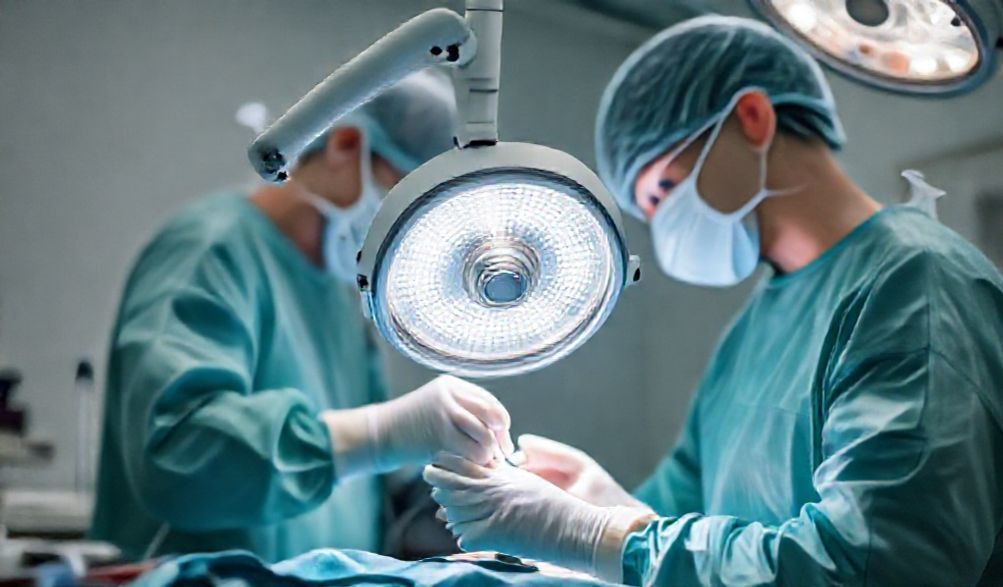
Portable Surgery Lights: A Comprehensive Guide to Mobile Medical Illumination
Imagine a critical trauma case arriving at a remote rural clinic, miles from a fully-equipped hospital. Or a field hospital hastily assembled in the wake of a natural disaster. Perhaps it’s a busy outpatient center where a dermatologist needs perfect illumination for a delicate excision. In each scenario, one element is non-negotiable for a successful outcome: brilliant, reliable, and precise surgical light. This is where the portable surgery light transitions from a piece of equipment to a lifeline.
Portable surgery lights are self-contained, mobile medical illumination systems engineered to deliver operating-room-quality light anywhere it’s needed. They are the definitive solution for performing procedures outside the traditional, fixed operating theater, bringing vital surgical capability to the point of care. This guide serves as an authoritative, expert-driven resource for surgeons, nurses, procurement officers, and healthcare administrators tasked with evaluating and deploying these critical tools. The stakes could not be higher; proper illumination is intrinsically linked to surgical precision, reduced error rates, and improved patient outcomes, demanding a selection process grounded in deep Опыт and technical Экспертиза.
What Are Portable Surgery Lights? Core Features and Design
At their core, portable surgery lights are sophisticated medical devices designed to provide shadow-reduced, high-intensity, color-accurate illumination for surgical procedures. Unlike their massive ceiling-mounted counterparts in main operating rooms, these systems are defined by their mobility and self-sufficiency, integrating the light source, power supply, and support structure into a single movable unit.
Key Components of a Portable System
Understanding the anatomy of a portable surgery light is the first step in informed evaluation:
- The Light Head: The heart of the system. Modern units exclusively use LED arrays due to their efficiency, longevity, and cool operation. Key attributes include luminous intensity (measured in lux or lumens), the quality of light diffusion for shadow control, and optical design for depth of field.
- The Power Source: This is what defines portability. Integrated rechargeable lithium-ion battery packs are standard, offering hours of cord-free operation. Performance is measured by время работы от аккумулятора at various intensity levels and recharge cycle times. Many systems feature hot-swappable batteries for uninterrupted use during long procedures.
- The Mounting System: This provides stability and positioning flexibility. Common options include:
- Floor Stands: Wheeled bases with adjustable, often counterbalanced, arms for precise positioning over the surgical site.
- Ceiling Tracks: Mobile units that suspend from a ceiling-mounted rail, saving floor space in dedicated procedure rooms.
- Wall/Cart Mounts & Clamps: For fixed installation in small rooms or attachment to existing medical carts.
- Control Mechanisms: User interface is critical. Look for intuitive, sterilizable controls for dimming intensity and, in advanced models, adjusting color temperature (measured in Kelvin). This allows surgeons to tailor the light to the specific tissue or procedure.
The Evolution from Traditional to Portable Lighting
Surgical lighting has evolved dramatically. For decades, the domain was ruled by large, fixed overhead lights—powerful but immobile, expensive, and reliant on halogen or metal halide bulbs that generated significant heat. The need for surgical capability in ambulances, disaster zones, and outpatient settings drove the initial development of mobile lights, but they were often compromises in power and runtime.
The transformative leap came with the integration of solid-state светодиодные технологии. LEDs provided a perfect storm of benefits for portability: dramatically lower power consumption (enabling longer battery life), minimal heat emission (increasing patient and staff comfort), instant full brightness, exceptional longevity (tens of thousands of hours), and superior control over light color and quality. This technological shift is what made today’s high-performance portable surgery lights possible, bringing OR-grade illumination truly anywhere.
Critical Benefits and Applications of Portable Surgical Lighting
The value of portable surgical lights is realized through their direct impact on care delivery and surgical Опыт. Their benefits extend far beyond simple mobility.
Enhancing Surgical Outcomes
The primary function of any surgical light is to enable the surgeon to see. Portable lights achieve this through advanced engineering:
- Superior Shadow Reduction & Depth of Field: Through multi-point LED arrays and specialized diffusers, high-quality portable lights minimize the obstructive shadows cast by surgeons’ hands and instruments. A deep depth of field keeps the entire wound cavity in clear focus, reducing eye strain and the need for constant refocusing.
- True Tissue Color Rendering: This is arguably the most critical technical feature. The Color Rendering Index (CRI) measures a light’s ability to reveal the true colors of objects compared to natural light. For surgery, a high CRI (≥90, with ≥95 being ideal) is essential. It allows for accurate differentiation between arterial and venous blood, healthy and necrotic tissue, and subtle variations in organ color, which is vital for precise dissection and diagnosis.
Maximizing Healthcare Flexibility and Access
Portability unlocks a wide spectrum of applications, expanding surgical access and facility efficiency:
- Emergency Rooms & Trauma Centers: For urgent bedside procedures, trauma bays, or when main ORs are occupied. They provide immediate, high-quality light without delay.
- Field Hospitals, Disaster Response, and Military Medicine: The quintessential use case. These lights are foundational for deployable surgical units, functioning independently of unreliable local power grids.
- Rural and Low-Resource Clinics: They enable life-saving surgeries in communities without the infrastructure or budget for a full operating suite, democratizing access to essential surgical care.
- In-Office Minor Procedures: Specialists in dermatology, dentistry, podiatry, plastic surgery, and ophthalmology use them to turn examination rooms into efficient procedure suites, enhancing practice revenue and patient convenience.
- Veterinary Surgery Applications: From equine field surgery to small animal clinics, veterinary medicine relies on the same principles of sterile, high-quality illumination.
How to Choose the Right Portable Surgery Light: An Expert Buying Guide
Selecting the correct system requires moving beyond marketing claims to a forensic evaluation of specifications and real-world usability. This is where procurement Экспертиза is paramount.
Technical Specifications to Evaluate
Create a comparison matrix based on these non-negotiable metrics:
- Luminance Intensity and Adjustability: Измеряется в люксах (illuminance at the surgical site). A common benchmark is 40,000 to 160,000+ lux at a typical working distance (e.g., 1 meter). Ensure it is dimmable over a wide range for different procedural needs.
- Color Temperature and CRI: Adjustable color temperature (e.g., 3000K-5000K) allows tuning from warm to cool light. The CRI must be 90 or higher, with 95+ being the gold standard for critical visualization.
- Depth of Illumination (Field Diameter): The light should provide a wide, uniformly bright field (e.g., 15-25 cm diameter at 1m) with a deep focal depth so the entire cavity remains illuminated.
- Battery Life and Power Options: Assess battery life at 100% and 50% intensity. Look for 4-8 hours of runtime for full-day flexibility. Options for AC power operation and hot-swappable batteries are major advantages.
- Sterilization and Cleanability: The light head must withstand rigorous cleaning. Look for a high Ingress Protection (IP) rating (e.g., IP54 or higher) indicating resistance to dust and fluid ingress. Surfaces should be seamless and compatible with hospital-grade disinfectants.
Usability and Practical Considerations
Specs on paper must translate to performance in practice:
- Maneuverability and Setup: Is the floor stand stable yet easy to move? Can it be positioned quickly with one hand? Setup time should be under a minute.
- Heat Dissipation: A key LED advantage. The light head should remain cool to the touch even after hours of use, protecting patient tissue and improving staff comfort.
- Durability and Warranty: Look for robust construction from medical-grade materials. A comprehensive warranty (3+ years) reflects manufacturer confidence.
- Общая стоимость владения: Look beyond the purchase price. Factor in battery replacement costs, bulb/LED module lifespan (LEDs should last for years), and service requirements. A slightly higher initial investment in a quality, durable system often yields a far lower long-term cost.
Safety, Standards, and Best Practices for Use
Adherence to stringent standards is non-negotiable, establishing the Авторитетность и Trustworthiness of both the device and your clinical practice.
Compliance with Medical Device Regulations
Ensure any device under consideration carries the necessary certifications:
* IEC 60601-1: The international standard for the basic safety and essential performance of medical electrical equipment.
* Regional Approvals: FDA Clearance (Class I or II medical device in the US) or маркировка CE (for the European market) indicating conformity with health, safety, and environmental protection standards.
* Менеджмент качества: Manufacturer certification to ISO 13485. is a strong indicator of a reliable quality management system specific to medical devices.
Operational Safety and Maintenance
Proper use is critical for patient and staff safety:
* Позиционирование: The light should be positioned to maximize the field of view without obstructing the surgeon or anesthesiologist. The stand base must be securely locked.
* Routine Inspection & Battery Care: Implement a schedule for checking mechanical integrity, cable condition, and battery performance. Follow manufacturer guidelines for battery charging/storage to maximize lifespan.
* Cleaning & Disinfection: This is a primary infection control measure. After every procedure, clean the light head and handles with a recommended disinfectant wipe. Avoid harsh chemicals or excessive moisture that could damage electronics. Strict protocols prevent Healthcare-Associated Infections (HAIs).
Addressing Common Concerns and Misconceptions
Building Trust means proactively addressing the doubts that arise during the evaluation process.
“Are portable lights as powerful as fixed operating lights?”
Yes, modern LED portable lights can rival or exceed the performance of many older fixed systems. While the largest ceiling-mounted lights in advanced ORs offer immense field sizes and integration capabilities, the latest high-end portable LEDs achieve lux levels and CRI scores that meet or exceed the requirements for a vast majority of surgical procedures. The gap has closed significantly, making them fully capable as primary lights in many settings.
“Is battery-powered light reliable for critical procedures?”
Absolutely, thanks to modern battery technology and smart design. Lithium-ion batteries offer predictable, long runtimes. Professional-grade systems incorporate multiple fail-safes: battery charge indicators, low-power warnings, and the ability to plug into AC power instantly if needed. The option for hot-swappable batteries provides a seamless, uninterrupted power supply for even the longest surgeries.
“The cost seems high for a mobile device.”
This requires a Return on Investment (ROI) analysis. Consider what the light enables: performing billable procedures in an existing room instead of a costly-to-build/maintain OR suite; expanding service offerings in a clinic; or providing critical care in austere environments where building an OR is impossible. The portable light is not just a light; it’s a surgical capacity multiplier. When viewed through this lens, the investment is often justified by increased revenue, improved patient access, and significant capital avoidance.
Раздел Часто задаваемых вопросов (ЧАВО)
Q: What is the typical battery life of a portable surgery light?
О: Battery life varies by model and usage. A typical range is 4 to 8 hours at moderate intensity settings. Always check the manufacturer’s specifications at 100% and 50% brightness. Many professional models feature hot-swappable batteries for indefinite runtime.
Q: Can portable surgery lights be used for major surgeries?
О: Yes, for many major procedures, particularly in resource-limited or field settings where they serve as the primary light source. In fully-equipped hospitals, they are invaluable as backup lights or for specific phases of surgery. Their suitability depends on the procedure’s complexity and the specific light’s performance specifications (lux, field size, CRI).
Q: How do I properly clean and disinfect the light head?
О: Always follow the manufacturer’s instructions. Generally, use a soft cloth with a mild, hospital-grade, non-corrosive disinfectant. Avoid abrasive cleaners or spraying liquid directly onto the light head to prevent moisture ingress, referencing the device’s IP rating for specific fluid resistance guidelines.
Q: What is the most important feature to look for?
О: While all features are important, the non-negotiable combination is sufficient luminance (high lux at the working distance) and excellent color rendering (CRI ≥90). Power without accurate color can be misleading, and perfect color without enough brightness is ineffective. These two factors together are fundamental for safe tissue differentiation and surgical accuracy.
Q: Are there different types of portable lights for different specialties?
О: Yes, while many are general-purpose, variations exist. Dental lights often have smaller, focused fields. Lights for veterinary large-animal surgery may have different mounting options. Some lights for neurosurgery or ENT offer exceptionally deep cavity illumination. Consider the primary use case when evaluating focal distance and light field size.
Заключение
Portable surgery lights represent a transformative force in modern healthcare, fundamentally expanding the boundaries of where safe, effective surgery can be performed. They are no longer just backup options but are primary tools enabling flexibility, resilience, and greater access to surgical care.
Решение об инвестировании в данную технологию должно определяться приверженностью клинической эффективности и безопасности пациентов. Следует уделять приоритетное внимание качеству света — его интенсивности, цветопередаче и управлению тенями — наряду с надежными сертификатами безопасности, а не только цене. В качестве заключительного экспертного рекомендации: привлеките хирургический персонал, который будет ежедневно использовать освещение. Практическая оценка, имитирующая реальные условия процедуры, является лучшим способом оценить эргономику, интуитивное управление и общую эффективность, которую Опыт обеспечивает система.
В перспективе будущее портативного хирургического освещения выглядит многообещающим: тенденции указывают на более интеллектуальную интеграцию с камерами и системами визуализации, улучшенную связь для интеграции хирургических данных и еще более совершенное управление батареями и тепловым режимом. Делая взвешенный выбор сегодня, медицинские учреждения прокладывают путь к более адаптивным, доступным и устойчивым хирургическим услугам завтрашнего дня.
p>