
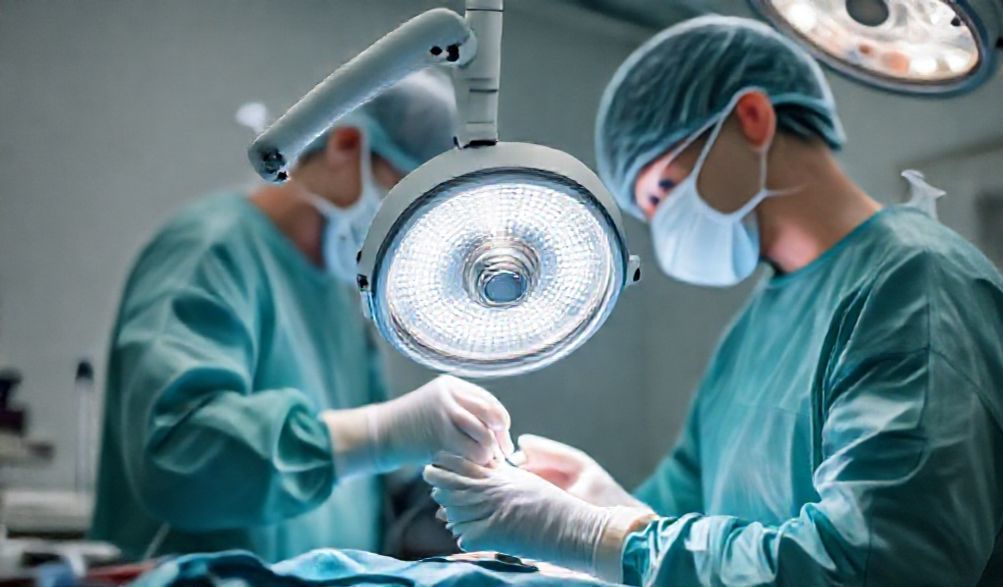
Portable Surgery Lights: A Comprehensive Guide to Mobile Medical Illumination
Imagine a roadside emergency after a natural disaster, a remote village clinic hundreds of miles from the nearest hospital, or a sudden power outage in the middle of a critical procedure. In these high-stakes moments, the difference between a successful intervention and a tragic outcome can literally come down to one factor: light. The ability to see—with clarity, precision, and accuracy—is the foundation of all surgery. When the controlled environment of a traditional operating room is not an option, the need for reliable, high-quality illumination becomes paramount.
This guide serves as an authoritative resource on portable surgery lights, , mobile medical illumination systems designed to bring operating-room-quality light anywhere it’s needed. We will detail their vital importance, dissect their key technical features, explore their diverse applications, and provide a clear framework for selection. Compiled from industry specifications, clinical insights, and the expertise of medical equipment specialists, this post is designed to be a trustworthy source of information. By the end, you will have a comprehensive understanding of the technology, benefits, and critical factors involved in choosing the right portable surgical light for your clinical needs.
What Are Portable Surgery Lights and Why Are They Essential?
Defining Portable Surgical Lighting
A portable surgery light is a self-contained, mobile lighting system engineered specifically for surgical procedures conducted outside the fixed infrastructure of a traditional operating suite. Unlike their massive, ceiling-mounted counterparts, these units are integrated systems typically comprising a light head with advanced optics, an adjustable stand or arm, and an internal or external power source. They are designed for easy movement, quick setup, and stable operation in diverse environments, from ambulances and field tents to multi-purpose clinic rooms.
The Critical Role of Lighting in Surgical Outcomes
surgical lighting is not merely about “brightness”; it’s about creating an optical environment that enables peak human performance. Studies and surgical guidelines consistently emphasize that proper illumination directly impacts:
* Precision: Inadequate or poorly colored light can obscure fine anatomical details, increasing the risk of error.
* Depth Perception: High-quality surgical lights are designed to minimize shadows and provide uniform depth illumination, allowing surgeons to accurately perceive the three-dimensional surgical field.
* Surgeon Fatigue: Glare, “hot spots,” and low color rendering cause eye strain and cognitive fatigue, which can compromise concentration over long procedures.
In essence, the quality of light is inextricably linked to procedural safety and efficacy.
Key Advantages of Portability
The mobility of these systems unlocks a world of surgical possibilities:
* Expanding Access to Care: They enable life-saving procedures in remote locations, mobile army surgical hospitals (MASH), and during disaster response where fixed infrastructure is absent or damaged.
* Ensuring Continuity of Care: They act as an essential backup in main operating rooms during power failures, preventing dangerous procedure interruptions.
* Maximizing Facility Flexibility: For outpatient surgery centers, veterinary clinics, and hospitals with multi-purpose rooms, a single portable surgery light can service multiple locations, optimizing resource utilization and capital expenditure.
Core Technical Features and Specifications to Evaluate
Light Source and Color Temperature
Modern portable surgery lights are almost exclusively LED-based, and for good reason. LEDs provide:
* Cool, White Light: They emit minimal infrared radiation, reducing tissue drying and heat discomfort for both patient and surgical team.
* Exceptional Color Rendering: — это не просто улучшение освещения; это фундаментальное усовершенствование самого критически важного инструмента хирурга — его зрения. Благодаря непревзойденной цветопередаче, бестеневому освещению и эргономичному комфорту эта технология напрямую способствует хирургической точности, снижает утомляемость во время операции и способствует положительным результатам для пациента. Переход от галогенных к светодиодным осветителям — это не просто смена оборудования, а стратегические инвестиции в клинические результаты и профессиональное благополучие. Индекс цветопередачи (CRI) is critical. A CRI >90 (with 100 being perfect sunlight replication) ensures true-to-life color representation, which is vital for distinguishing between tissues, such as arteries, veins, and nerves, and identifying subtle changes in tissue health.
* Shadow Control: Advanced designs use multiple LED arrays and optical diffusers to create a uniform field of light with significantly reduced shadows from the surgeon’s head and hands.
Luminosity and Adjustability
- Lux/Lumen Requirements: Surgical lighting is measured in lux (illuminance on the surface). While needs vary, major procedures often require 40,000 to 160,000 lux at the center of the field. It’s crucial to match the light’s output to your intended procedures.
- Dimming and Focus: Smooth, continuous dimming allows for adjustment to different procedural stages and surgeon preference. The ability to adjust the spot size (from a focused beam to a wide field) adds to the system’s versatility.
Power Source and Operational Duration
This is a defining feature of portability.
* Battery Technology: Lithium-ion (Li-ion) batteries are standard, offering high energy density, relatively light weight, and no memory effect. Key specifications to check are voltage (e.g., 24V) и capacity (Ah).
* Run-Time: Always consider the runtime at maximum intensity. A high-quality light should offer several hours of operation on a single charge, sufficient for multiple or lengthy procedures.
* Power Flexibility: The best units offer dual power—operating seamlessly from both their internal battery and an AC/DC mains connection, often with automatic switchover if power is interrupted.
Physical Design and Ergonomics
- Maneuverability: Consider the total weight, the presence of wheels (and their locking mechanism), and the ease of positioning the light head. The stand should be stable at full extension.
- Варианты крепления: Common configurations include floor stands, ceiling rail mounts, and wall or bed clamps, allowing for integration into various spaces.
- Возможность очистки: The light head and arms should have a seamless, sealed design compatible with hospital-grade disinfectants to maintain sterility in the surgical field.
Основные области применения и варианты использования
Military and Disaster Response Medicine
The quintessential use case. Portable surgery lights are integral to deployable field hospitals, combat support hospitals, and disaster medical assistance teams (DMATs), providing critical illumination where no fixed infrastructure exists.
Rural and Remote Healthcare
For clinics in low-resource settings or geographically isolated areas, these lights enable surgical services that would otherwise require risky and costly patient transfers. They bring essential surgical capability to the point of need.
Veterinary Surgery
Veterinary practices benefit immensely from the flexibility. A single portable surgical light can be moved between different-sized procedure rooms, adapted for various animal sizes, and positioned to overcome the challenges of non-standard operating tables.
Hospital-Based Flexible Use
Within hospitals, they are invaluable in:
* Emergency Departments: For urgent procedures at the bedside.
* Minor Procedure Rooms: For biopsies, laceration repairs, and other outpatient surgeries.
* Labor & Delivery: For emergency episiotomies or repairs.
* ICU/CCU: For bedside surgical interventions.
How to Choose the Right Portable Surgery Light: A Buyer’s Checklist
Assessing Your Clinical Requirements
Start by defining the primary use: What types of procedures (minor/major)? What is the typical environment (ambulance, tent, clinic room)? Who will be the primary user? Answering these questions will frame your technical requirements.
Comparing Brands and Models with Trusted Reviews
Do not rely solely on marketing materials. Seek out:
* Peer-reviewed comparisons in medical engineering journals.
* Feedback from professional associations for surgeons or biomedical engineers.
* Verified purchaser testimonials from facilities with similar profiles to yours.
Budgeting and Total Cost of Ownership
Look beyond the initial purchase price. Consider the long-term costs of battery replacement (and their availability), potential bulb/LED module lifespan, warranty coverage, and the availability of local service support.
Безопасность и соответствие нормативным требованиям
This is non-negotiable. A portable surgery light is a medical device. For patient and staff safety, you must select a unit that carries the appropriate regulatory clearances for your region—such as FDA 510(k) clearance in the US or CE marking in the EU. Always purchase from authorized dealers who can provide the necessary certification documents. This guide provides educational information; final device selection must be made in consultation with qualified clinical and biomedical engineering professionals.
Maintenance, Safety, and Best Practices
Routine Cleaning and Inspection Protocols
Follow the manufacturer’s instructions for cleaning (typically with mild, non-abrasive disinfectants). Regularly inspect the light head for dust accumulation on lenses, check all arms and joints for smooth movement and stability, and examine cables for wear.
Battery Care and Storage for Longevity
To maximize Li-ion battery life: avoid complete discharges when possible, store the unit partially charged if it will not be used for extended periods, and adhere to the recommended charging cycles. Keep spare batteries charged and in rotation.
Распространённые советы по устранению неисправностей
- Light won’t turn on: Check main power connection, battery charge, and circuit breakers/fuses.
- Dimming is erratic: Could indicate a failing control board or potentiometer.
- Мерцание: Often related to a poor power connection or a failing LED driver.
Ensuring Patient and Staff Safety
- Always ensure the stand base is fully deployed and locked before extending the arm.
- Position the light to avoid casting shadows from the surgical team.
- Be mindful of cords and hoses to prevent tripping hazards.
- Never use an uncertified or damaged light for a surgical procedure.
Часто задаваемые вопросы (ЧЗВ)
Q1: What is the typical battery life of a portable surgery light?
A: On a full charge at high intensity, modern LED lights typically offer 2 to 6+ hours of runtime, with many providing 4+ hours—enough for most major procedures. Always check the specific model’s specifications.
Q2: Can portable surgery lights truly provide enough light for major surgery?
A: Yes. Modern high-end LED-based models are engineered to meet or exceed the lux requirements for a wide range of major surgical procedures, provided the correct model is selected for the task.
Q3: How do I ensure the light I purchase is medically certified?
A: Always request the device’s official FDA 510(k) clearance number and summary or its CE Certificate of Conformity directly from the manufacturer or supplier. Purchase only from authorized distributors to guarantee you receive a genuine, certified product.
Q4: Are portable surgery lights suitable for permanent installation?
A: While they can be used as a primary light in a low-volume setting, they are fundamentally designed for mobility and flexibility. For a high-volume, permanent operating room, a fixed overhead system is generally recommended for optimal, hands-free stability and performance.
Q5: How important is the Color Rendering Index (CRI)?
А: Чрезвычайно важно. Высокий индекс цветопередачи (CRI 90 и выше, при этом 95+ является идеальным для хирургии) имеет решающее значение для точной дифференциации тканей. Это позволяет хирургам видеть истинные цвета, что жизненно необходимо для идентификации анатомических структур, оценки жизнеспособности тканей и контроля кровотечения.
Заключение
Portable surgery lights представляют собой революционную технологию в современном здравоохранении, принципиально расширяющую доступ к безопасному хирургическому вмешательству. Они больше не являются просто запасным вариантом, а представляют собой сложные, необходимые инструменты для военной медицины, оказания помощи в удалённых районах, ветеринарной практики и повышения гибкости работы больниц. Понимание их ключевых характеристик — от технологии LED и высокого CRI до времени автономной работы и эргономичного дизайна — является залогом раскрытия их полного потенциала.
Как мы уже подчеркивали, инвестиции в надлежащее сертифицированное медицинское оборудование являются основополагающим аспектом безопасности пациента и клинической эффективности. Выбор хирургического света имеет огромное значение. Мы настоятельно рекомендуем использовать предоставленный контрольный список, консультироваться с биомедицинскими инженерами и специалистами по клиническим закупкам, а также взаимодействовать с авторитетными производителями. Ваши следующие шаги должны включать загрузку детальных технических спецификаций, запрос живых демонстраций и изучение примеров внедрения из учреждений, схожих с вашими по потребностям. В таком критически важном деле, как хирургия, правильный свет не просто освещает операционное поле — он освещает путь к успешному результату.
p>