
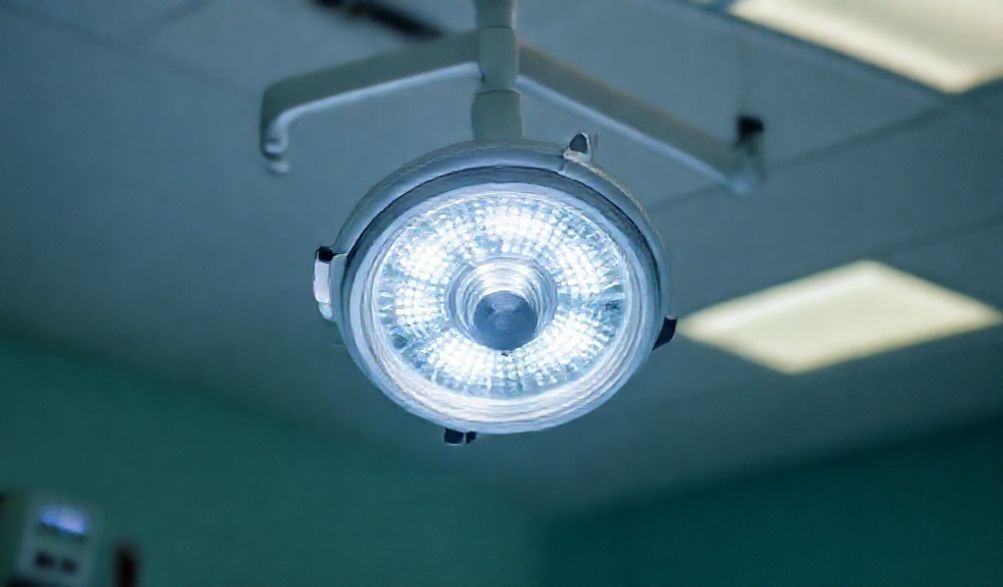
Procedure Lights: A Comprehensive Guide to Types, Uses, and Safety Standards
In the high-stakes environments of an operating room, a dental clinic, or an industrial inspection bay, success hinges on one fundamental element: visibility. For medical professionals, facility managers, and technicians, the search for reliable “procedure light” information is a quest for more than just a bulb and a stand. It’s about finding a precision tool that enhances accuracy, ensures safety, and improves outcomes. This definitive guide is crafted to be your authoritative resource, blending detailed technical breakdowns with practical insights into safety protocols. We will demystify what procedure lights are, explore their indispensable role across various fields, and provide a clear framework for selecting the right system for your specific needs.
What Are Procedure Lights? Defining Their Critical Role
At its core, a procedure light is not merely an illumination source; it is a sophisticated medical or technical device engineered to meet rigorous demands. Understanding their fundamental purpose is the first step in appreciating their complexity and importance.
Core Function and Importance
Procedure lights are specialized, high-intensity lighting systems designed to deliver exceptional clarity to a defined work area, known as the surgical or procedural field. Their primary objective is to create an environment where practitioners can see minute details with absolute precision. This is achieved through a combination of features:
* High, Adjustable Intensity: Providing ample, focused light to penetrate cavities and illuminate deep tissue without causing visual fatigue.
* Minimal Shadow Creation: Advanced optical systems with multiple LED points or reflectors work to “fill in” shadows cast by hands and instruments, a feature often called shadow reduction or dilution.
* Reduced Heat Emission: Critical in medical settings, modern lights minimize infrared radiation to prevent tissue desiccation (drying) and enhance patient comfort.
* Optimal Color Quality: Rendering colors accurately is non-negotiable for differentiating between tissues, identifying pathology, and ensuring accurate suturing.
In essence, a procedure light transforms a workspace, reducing practitioner eye strain and mental load while directly contributing to procedural accuracy and patient safety.
Primary Applications and Industries
While most synonymous with surgery, procedure lights serve a diverse range of critical applications:
* Hospital Operating Rooms: The most demanding application, requiring the highest standards of illumination, sterility, and reliability for major and minor surgeries.
* Dental Clinics: Focused on illuminating the oral cavity with precision, requiring excellent ergonomics and compact design to work around the patient and dental team.
* Veterinary Practices: Must be versatile and durable enough to accommodate a wide range of animal sizes, often requiring enhanced intensity for larger body cavities.
* Industrial Inspection & Laboratories: Used in quality control, assembly, and diagnostic settings where identifying defects, soldering tiny components, or analyzing samples requires flawless, shadow-free light.
Key Types of Procedure Lights and Their Specific Uses
The term “procedure light” encompasses a family of devices, each optimized for its environment. Selecting the right type is the first critical decision.
Surgical Overhead Lights
The cornerstone of the modern operating room, these ceiling-mounted systems are marvels of medical engineering. Key considerations include:
* Color Temperature: Typically between 4000K and 5000K (cool white), which provides a neutral, daylight-like quality that allows for true tissue color differentiation.
* Depth of Illumination: The ability to provide consistent, deep-cavity illumination without “hot spots” or dim areas is paramount for procedures like abdominal or thoracic surgery.
* Sterilization & Infection Control: Surfaces must be seamless and easy to clean. Many feature sterilizable handles or, increasingly, touchless control via gesture or voice recognition.
* Redundancy & Safety: High-end lights often have multiple, independent LED modules so that if one fails, the procedure can continue without catastrophic loss of light.
Dental Procedure Lights
Designed for the unique dynamics of dental work, these lights prioritize flexibility and focused delivery.
* Эргономика: They are typically mounted on a dental chair or ceiling boom, allowing for easy, no-touch positioning directly over the patient’s mouth.
* Compact, Focused Beam: The light field is concentrated to illuminate the oral cavity without blinding the patient or creating glare for the dentist.
* LED Dominance: LED technology is nearly universal here, thanks to its cool operation (preventing patient discomfort) and long life.
Veterinary Procedure Lights
Veterinary medicine presents unique challenges, and the lights reflect this.
* Durability and Power: Built to withstand a busy practice environment, they often offer higher maximum intensity to handle the greater depth of field needed for larger animals.
* Гибкость: Articulating arms or mobile floor stands are common to accommodate everything from a cat on a table to a horse in a standing procedure.
* Ease of Cleaning: Resistant to hair, dander, and frequent chemical disinfection is a must.
Portable and Examination Lights
These mobile units provide vital flexibility.
* Applications: Ideal for minor procedure rooms, emergency departments, bedside procedures, triage areas, and general physical examinations.
* Mobility: They feature sturdy wheeled bases or lightweight hand-held designs.
* Battery Operation: Many are rechargeable, ensuring functionality during patient transport or power outages.
Essential Features and Technical Specifications to Consider
Moving beyond the basic type, evaluating these technical specifications is crucial for making an informed, performance-driven purchase.
Illumination Quality
This is about the character of the light, not just its brightness.
* Lux/Lumen Output: Lux measures illuminance (light falling on a surface). surgical lights typically deliver 40,000 to 160,000 lux at the center of the light field. Ensure the output is adequate for your deepest/common procedures.
* Light Field Diameter: The size of the illuminated area, often adjustable. A larger, homogeneous field is better for major surgery; a smaller, focused field suits dental or minor procedures.
* Shadow Reduction: The gold standard. Look for lights that advertise “deep-cavity illumination” with minimal shadow, achieved through multi-source optics that allow light to “bend” around obstacles.
Индекс цветопередачи (CRI)
Perhaps the most critical spec for medical use. CRI measures a light source’s ability to reveal the true colors of objects compared to natural light.
* Почему это важно: A low CRI can make arterial blood look venous, mask tissue cyanosis (blueness), or make it hard to distinguish subtle tissue variations. This can directly impact diagnostic and surgical decisions.
* The Standard: For any medical procedure, a CRI of 90 or higher is essential. Top-tier surgical lights achieve a CRI of 95 or above.
LED Technology Benefits
The shift to LED is complete for good reason. Key advantages include:
* Cool Light Operation: LEDs emit minimal infrared and UV radiation, drastically reducing heat transfer to the surgical site and improving staff comfort.
* Long Lifespan: Rated for 50,000 to 60,000 hours, LEDs eliminate frequent bulb changes, reducing downtime and maintenance costs.
* Энергоэффективность: They consume significantly less power than traditional halogen or metal halide lamps.
* Instant On/Off & Dimming: No warm-up time and smooth, flicker-free dimming from 100% down to low levels for contrast adjustment.
Ergonomics and Maneuverability
A light that is difficult to position is a hindrance, not a help.
* Достижимость и подвижность: The system should have a sufficient range of motion to cover every potential table position and surgical approach without impeding the sterile field.
* Ease of Positioning: Smooth, fluid movement with minimal effort. Counterbalanced arms are standard.
* Control Interfaces: Look for intuitive controls—whether sterilizable handles, touch panels, or touchless systems—that allow for easy adjustment without breaking sterility.
Safety Standards, Regulations, and Compliance
Procedure lights are regulated medical devices. Compliance isn’t optional; it’s a fundamental requirement for patient and staff safety.
International Electrotechnical Standards (IEC 60601-1)
This is the general safety standard for all medical electrical equipment. It covers basic safety aspects like electrical shock protection, mechanical hazards, and unacceptable risks.
Specific Compliance for Surgical Lights (IEC 60601-2-41)
This collateral standard is dedicated specifically to surgical luminaires and examination lights. It dictates stringent requirements:
* Temperature Control: Limits the temperature rise on the light head surface and, crucially, the heat irradiance delivered to the surgical site to prevent tissue damage.
* Light Field Homogeneity: Defines requirements for the evenness of illumination across the light field, preventing dark spots or excessive glare.
* Backup Systems: Specifies requirements for a secondary light source (like battery-powered handles or redundant LED modules) in case of primary power failure.
Facility Guidelines Institute (FGI) and CDC Recommendations
While not law, these guidelines are the benchmark for facility design and infection control.
* FGI Guidelines: Provide recommendations on the installation, placement, and number of lights per operating room based on room size and function.
* CDC Recommendations: Inform protocols for cleaning and disinfection of environmental surfaces, including procedure lights, to prevent healthcare-associated infections (HAIs).
Selection Guide: How to Choose the Right Procedure Light
Armed with knowledge of types and specs, follow this practical framework to select the ideal system.
Assessing Your Procedure Needs
Start with a clear needs analysis:
* Type of Procedures: Major surgery, laparoscopic, dental, veterinary, or general examination?
* Room Size & Layout: Ceiling height, table locations, and potential obstacles?
* Primary Users: Surgeon preferences, typical team size, and workflow?
3. Бюджетирование: первоначальная стоимость против совокупной стоимости владения
Самый дешёвый вариант с точки зрения первоначальных затрат редко оказывается наиболее экономичным.
* Первоначальные затраты: Стоимость приобретения светильника и его установки.
* Общая стоимость владения (TCO): Учитывайте срок службы 10+ лет. Светодиодные лампы, хотя изначально могут стоить дороже, обеспечивают значительную экономию на энергопотреблении, замене ламп и связанных с этим простоях на оплату труда. Надёжный сервисный контракт также позволяет прогнозировать расходы на техническое обслуживание.
Соображения по установке и техническому обслуживанию
- Установка: Требуется профессиональная оценка несущих конструкций (для потолочных креплений), электропроводки и интеграции с другими системами помещения.
- Обслуживание: Строго соблюдайте инструкции производителя по очистке и дезинфекции во избежание повреждений. Планируйте ежегодное профессиональное обслуживание для калибровки светового потока, проверки механических компонентов и обеспечения постоянного соответствия стандартам безопасности.
Распространённые вопросы о хирургических светильниках
В: Каков типичный срок службы светодиодного хирургического светильника?
О: Высококачественные светодиодные модули, как правило, рассчитаны на 50 000–60 000 часов работы. При нормальном хирургическом использовании это может означать 10–15 лет и более до значительного снижения светового потока, что обеспечивает огромную долгосрочную ценность.
В: Как часто следует обслуживать или калибровать хирургические светильники?
О: Производители обычно рекомендуют проводить комплексное профессиональное обслуживание не реже одного раза в год. Это гарантирует исправность всех функций безопасности, соответствие светового потока спецификациям и плавность движения механических частей. Ежедневная очистка и визуальная проверка должны быть частью протоколов работы клинического персонала.
В: Можно ли использовать стандартные светодиодные светильники для медицинских процедур?
О: Категорически нет. Хирургические светильники являются регулируемыми на федеральном уровне медицинскими изделиями класса I или II. Они сконструированы со специальными, валидированными оптическими системами, управлением тепловыделением, стерилизуемыми поверхностями и резервированием систем безопасности, которых полностью лишены стандартные коммерческие светодиоды. Использование несоответствующего светильника создаёт серьёзные риски термического повреждения тканей, диагностических ошибок и нарушений инфекционного контроля.
В: Какая характеристика является самой важной для хирургического светильника?
О: Хотя высокий индекс цветопередачи (CRI), холодная работа и надёжность крайне важны, наиболее критической характеристикой является превосходное снижение тени. Способность поддерживать глубокое, однородное освещение даже при перекрытии светового пути головами и руками является основой для визуальной чёткости и безопасности операции. Это в сочетании с CRI >90, формирует не подлежащий обсуждению фундамент.
Заключение
Хирургический светильник — это нечто гораздо большее, чем просто оборудование для помещения; это жизненно важное расширение чувств специалиста и прямой фактор успеха процедуры. От напряжённой концентрации хирурга, накладывающего швы на микрососудистый лоскут, до тщательного осмотра стоматолога, выявляющего ранний кариес, — качество света определяет качество помощи. Выбор правильной системы требует тщательного баланса между пониманием конкретных клинических потребностей, требованием безупречных технических характеристик и настаиванием на неукоснительном соответствии установленным стандартам безопасности. Эти инвестиции — не просто в устройство, а в повышенную точность, улучшенную эффективность и, в конечном счёте, в превосходные результаты лечения пациентов. При принятии такого важного решения всегда консультируйтесь с сертифицированными биомедицинскими инженерами или авторитетными, опытными поставщиками медицинского оборудования, чтобы ваш выбор был обоснованным, надёжным и правильным для будущего вашего учреждения.
p>