
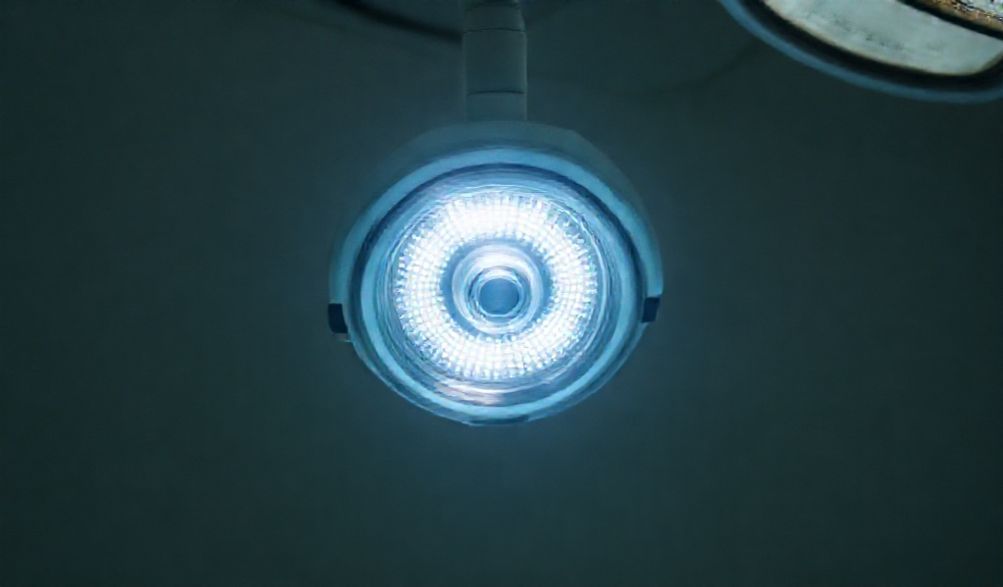
Illuminating Precision: The Essential Guide to Surgical Lights for Optimal Outcomes
In the high-stakes environment of the operating room, where millimeters can determine outcomes, a surgeon’s most fundamental tool is not held in their hand—it is the quality of their vision. The ability to see the surgical field with absolute clarity, true color, and without obstruction is not a mere convenience; it is a direct determinant of patient safety and procedural success. At the heart of this visual acuity lies a piece of technology so foundational it is often taken for granted: the хирургический светильник.
Far more than a simple lamp, the modern surgeon light is a pinnacle of medical engineering, designed to replicate the ideal conditions of natural daylight deep within the human body. Its evolution from incandescent bulbs to today’s sophisticated LED systems mirrors the advancement of surgery itself—towards greater precision, efficiency, and control. This guide serves as a comprehensive, authoritative resource for surgeons, hospital procurement teams, and medical facility managers. We will dissect the critical features, tangible benefits, and essential selection criteria for contemporary surgical lighting, synthesizing insights from clinical studies, manufacturer specifications, and industry best practices to empower your most informed decisions.
Why Surgical Lighting is a Cornerstone of Patient Safety
The correlation between optimal lighting and positive surgical outcomes is well-documented. A surgeon light is not an overhead fixture; it is an active participant in the procedure, influencing everything from the surgeon’s stamina to the minutiae of tissue dissection. Its role in patient safety is multi-faceted and profound.
Reducing Visual Fatigue and Enhancing Surgeon Performance
Complex surgeries can last for many hours, demanding intense, unwavering visual focus. Poor lighting—characterized by glare, inconsistent intensity, or harsh shadows—forces the ocular muscles to work harder, leading to eye strain, headaches, and premature fatigue. This cognitive and physical drain can subtly degrade decision-making and motor skills over time. Modern surgical lights combat this by providing:
* снижение тени: Through multi-source point technology (like parabolic reflectors), light is delivered from numerous angles to fill in shadows cast by hands and instruments.
* Superior Color Rendering: High-fidelity color accuracy prevents the eye from straining to interpret tissue hues.
* Intensity Stability: Advanced regulation ensures the light output does not flicker or dim, providing a constant, reliable field of illumination that minimizes pupil adjustment and associated strain.
Minimizing Surgical Errors and Improving Precision
At its core, surgery is a visual discipline. The ability to discern subtle differences is paramount.
* Depth Perception: Effective surgical lighting creates a three-dimensional effect, allowing the surgeon to accurately judge the depth and topography of the surgical cavity—critical for maneuvers in neurosurgery or deep abdominal procedures.
* True Tissue Color Visualization: Distinguishing between arterial and venous blood, identifying a bile duct, or spotting the subtle pallor of ischemic tissue relies on the light’s ability to render the full spectrum of colors accurately. A misrepresented color can lead to misidentification.
* Eliminating Obstructive Shadows: In procedures like microvascular anastomosis or spinal surgery, a single shadow can obscure a suture line or a nerve root. Homogeneous, deep-cavity illumination ensures the entire field of view is actionable.
The Role in Infection Control and Wound Healing
The contribution to asepsis and tissue health is often overlooked.
* Heat Management: Traditional halogen lights emitted significant infrared radiation, which could dry out (desiccate) exposed tissues, potentially impairing healing. Modern LED surgeon lights produce minimal radiant heat, focusing energy on visible light and protecting tissue viability.
* Cleanable Design: Surgical lights are designed with seamless, smooth surfaces and minimal crevices to harbor pathogens. They are constructed from materials that can withstand rigorous cleaning and disinfection protocols, integral to maintaining the sterile field.
Key Technologies and Features of Modern Surgical Lights
Understanding the “why” necessitates a deep dive into the “what.” The performance of a surgeon light is the sum of its advanced technological components.
LED Dominance: Efficiency, Lifespan, and Cool Light
The shift to Light Emitting Diode (LED) technology has been revolutionary. Compared to their halogen and xenon predecessors, LED surgical lights offer:
* Exceptional Energy Efficiency: Consuming up to 80% less power, significantly reducing hospital operating costs and environmental footprint.
* Extraordinary Lifespan: Offering 50,000 to 60,000 hours of service, LEDs effectively eliminate the cost and operational disruption of frequent bulb replacements.
* Minimal Radiant Heat: As mentioned, the “cool light” property of LEDs directs energy away from heat and into pure, bright illumination, enhancing patient and staff comfort.
Understanding Color Temperature and Rendering Index (CRI)
These two metrics define the quality of the light.
* Color Temperature (measured in Kelvins, K): This describes the hue of the white light. Surgical lights typically operate in the 4000K to 5000K range—a neutral, cool white that mimics midday sunlight. This temperature is chosen for its clarity and contrast, reducing the blue-tint fatigue associated with higher temperatures.
* Индекс цветопередачи (CRI): This is the critical metric. CRI measures a light source’s ability to reveal the true colors of objects compared to natural light (rated on a scale of 0-100). For surgery, a CRI of ≥90 is essential, with high-end systems offering ≥95 or even 97+. A high CRI is non-negotiable for accurately assessing tissue perfusion, organ health, and subtle pathological changes.
Depth of Illumination and Field Coverage
A key challenge is illuminating deep, narrow cavities. This is solved through optical engineering.
* Depth of Illumination: This refers to how effectively light penetrates into a cavity without a significant drop in intensity. It is achieved through precise reflector and lens systems that collimate (make parallel) the light beams.
* Field Diameter & Homogeneity: The light should provide a consistently bright, uniform circle of light that can be adjusted in size. Multi-spot systems (e.g., with 3, 5, or 7 LED modules) are overlapped to create this uniform field and eliminate the central shadow often found in single-spot designs.
Ergonomic Design and Maneuverability
Technology means nothing if the light is difficult to use. Ergonomics are vital.
* Sterile Handle Controls: Surgeons must be able to adjust focus, intensity, and field size without breaking sterility, using easy-grip handles that can be autoclaved.
* Perfect Balance Systems: Counterbalanced arms allow the heavy light head to be moved into position with a gentle touch and remain stably in place, even at extreme angles, without drift.
* Configuration Options: Choices include ceiling-mounted single or multi-arm pendants, track-mounted systems for greater lateral movement, and mobile floor stands for flexibility in minor procedure rooms or hybrid ORs.
How to Select the Right Surgical Light for Your Operating Room
Selecting a surgeon light is a strategic investment. The decision should be driven by clinical need, not just technical specifications.
Assessing Surgical Specialty Requirements
One size does not fit all.
* General & Orthopedic Surgery: Require broad, deep illumination for open cavities. Multi-arm systems are preferred.
* Neurosurgery & Spinal Surgery: Demand exceptional depth of illumination for narrow corridors and high homogeneity to eliminate shadows around delicate neural structures.
* Cardiac & Thoracic Surgery: Need high-intensity, focused light for deep chest cavities, often with a preference for a slightly warmer color temperature to better distinguish myocardial tissue.
* Endoscopy/Minimally Invasive Surgery (MIS): While monitors provide the primary view, overhead lighting remains crucial for port placement, instrument handling, and any conversion to open procedure. Lights with minimal glare on screens are key.
* Trauma & Emergency: Benefit from robust, mobile lights or highly maneuverable ceiling systems that can adapt to unpredictable patient positioning.
Evaluating OR Layout and Integration
The light must fit the room.
* Ceiling Height & Clearance: Ensure the light’s vertical travel range covers the height from its stored position to the surgical plane over a raised OR table.
* Boom vs. Single Pendant: Multi-articulated booms offer independent light heads for primary and assistant surgeons. Single pendants with multiple integrated heads offer a different range of motion. The choice depends on workflow.
* Hybrid OR Compatibility: In rooms with advanced imaging (CT, MRI, angiography), the light must have radiolucent components to avoid imaging artifacts and produce minimal electromagnetic interference (EMI).
Total Cost of Ownership (TCO) Analysis
Смотрите дальше ценника.
1. Purchase Price: The initial capital outlay.
2. Потребление энергии: LED systems offer dramatic savings here.
3. Техническое обслуживание и запчасти: With LEDs, bulb replacement costs vanish. Consider the cost and frequency of servicing mechanical arms, handles, and control electronics.
4. Durability & Warranty: A well-built light should last 10-15 years. A comprehensive warranty is a sign of manufacturer confidence.
Compliance and Certification Standards
Safety is paramount. Ensure any surgeon light under consideration carries essential certifications:
* ISO 13485: Quality management for medical devices.
* IEC 60601-1: The international standard for safety and essential performance of medical electrical equipment.
* Regional Market Approvals: FDA clearance (USA), CE Marking (Europe), and other local regulatory approvals.
The Future of Surgical Illumination: Trends and Innovations
The future of the surgeon light is one of integration and intelligence.
Integration with Imaging and Augmented Reality (AR)
The light is becoming a sensor platform.
* Built-in 4K/8K Cameras: For recording procedures, streaming for education, or providing a secondary, overhead view integrated with endoscopic feeds.
* AR Overlays: Lights could project navigational data, tumor margins, or vital anatomical landmarks directly onto the surgical field, viewed through the surgeon’s headset or a microscope.
Smart Lighting and OR Integration
Connectivity is key to the modern “digital OR.”
* Preset Scenarios: Lights that recall specific intensity and color settings for different procedure types at the touch of a button.
* Voice Control & Network Integration: Hands-free adjustment and synchronization with other OR systems (e.g., dimming when the imaging system is activated).
* Data Logging: Tracking usage patterns for predictive maintenance and operational efficiency analysis.
Advances in Sterility and Design
Expect continued innovation in materials that are even more resistant to microbial adhesion, fully sealed optical assemblies that cannot harbor contaminants, and advanced nano-coatings to reduce glare and repel dust and fluids.
Раздел Часто задаваемых вопросов (ЧАВО)
В: Каков типичный срок службы светодиодного хирургического светильника?
О: Modern LED surgical lights often have lifespans of 50,000 to 60,000 hours of operation. This translates to over a decade of typical clinical use, significantly reducing long-term maintenance costs and operational disruptions compared to traditional halogen or xenon bulbs.
В: Насколько важен индекс цветопередачи (CRI) для хирургии?
О: Extremely important. A high CRI (≥90, and often ≥95 for premium systems) is critical for the accurate differentiation of tissue types, identifying subtle color changes in organs, and assessing blood perfusion and oxygenation. It directly impacts surgical decision-making and precision.
Q: Can surgical lights be used in hybrid operating rooms?
О: Yes, but specific models are designed for this purpose. When selecting a surgeon light for a hybrid OR, look for features like minimal electromagnetic interference (EMI), radiolucent materials in the light head and arms that won’t obstruct imaging, and highly flexible positioning to work around large equipment like C-arms and CT scanners.
Q: What is the primary maintenance required for a surgical light?
О: The most critical routine task is thorough cleaning and disinfection according to the manufacturer’s protocols. For the light itself, LED systems require minimal maintenance—primarily periodic checks of mechanical arms, joints, and sterile handles for smooth operation. Scheduled professional servicing is recommended to ensure electrical safety and optical calibration.
Q: How many lights are typically needed in one operating room?
О: This is highly dependent on the surgical specialty and OR design. A standard major operating room will typically have a primary light source, often a multi-arm pendant (with 3-5 heads) to cover the main surgical field. A secondary, single-arm light is common to provide additional coverage for an assistant or to illuminate a second area. The final design should be based on a workflow analysis of the planned procedures.
Заключение
The surgeon light stands as a testament to the principle that in modern medicine, foundational tools evolve to become catalysts for excellence. It is a vital investment in clinical efficacy, team performance, and ultimately, patient outcomes—not merely a piece of infrastructure. The choice of lighting system should be a deliberate decision, driven by a synergy of surgical need, technological capability, user ergonomics, and intelligent lifecycle cost analysis.
We encourage all decision-makers to engage in a collaborative process: consult with the surgical teams who will use the lights daily, involve experienced biomedical engineers who understand integration, and partner with reputable manufacturers who can provide clinical evidence and hands-on trial opportunities. By doing so, you illuminate more than just the surgical field; you illuminate the path to higher standards of care. As technology continues to converge, the future of surgical lighting promises to further empower surgical teams, enhancing their natural vision with digital insights and solidifying its role as a silent, indispensable partner in healing.
p>