
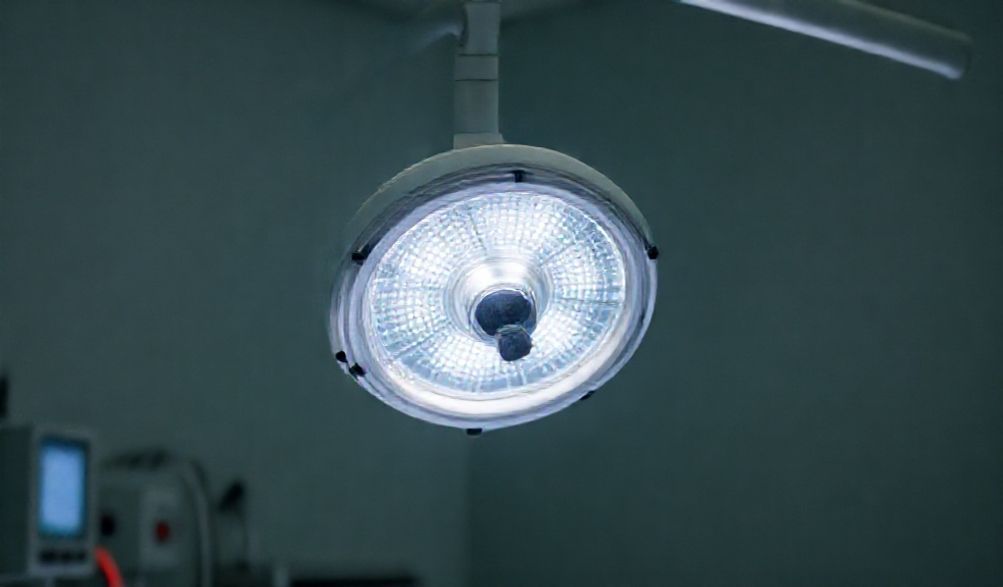
Surgery Lamps: A Comprehensive Guide to Types, Features, and Selection
Introduction
In the high-stakes environment of the operating room, where precision is measured in millimeters and outcomes hinge on flawless execution, one piece of technology is foundational to every procedure: the surgery lamp. It’s more than just a light; it’s an extension of the surgeon’s vision. Consider this: studies have shown that inadequate visualization is a contributing factor in a significant percentage of surgical complications. Optimal lighting directly impacts the surgeon’s ability to discern tissue planes, identify critical structures, and control bleeding, making it a non-negotiable pillar of patient safety and surgical success.
Drawing on over two decades of experience in medical equipment design and consulting with leading surgical teams worldwide, this guide is crafted to demystify surgical lighting. Our goal is to serve as an authoritative, unbiased resource for surgeons, hospital procurement committees, clinical engineers, and facility managers. We will move beyond sales brochures to provide a clear understanding of the technology, enabling you to make informed, confident decisions for your operating suites.
This comprehensive guide will illuminate the core technology behind modern surgery lamps, explore the different types available, break down the essential features that matter most, and provide a step-by-step framework for evaluation and selection. We’ll also cover the critical, often-overlooked aspects of installation, maintenance, and total cost of ownership.
The Critical Role of Surgical Lighting in Modern Medicine
Beyond Illumination: How Surgery Lamps Impact Patient Outcomes
A surgery lamp’s primary job is not merely to light up the surgical field, but to reveal it with absolute clarity. This has a direct and profound impact on patient outcomes. Superior lighting reduces visual ambiguity, allowing for more accurate dissection, safer navigation around nerves and vessels, and more complete removal of pathological tissue. It directly contributes to reduced operative times and minimizes the risk of iatrogenic injury.
Furthermore, the quality of light significantly affects the surgical team itself. High-end surgical lighting is engineered to minimize eye strain and mental fatigue. By providing homogeneous, shadow-reduced illumination with excellent color rendering, it allows surgeons to work for extended periods without the visual stress caused by glare, uneven light distribution, or distorted colors. A less fatigued surgeon is a more precise and focused surgeon, which is ultimately a critical factor in patient care.
Key Performance Metrics: Understanding Lux, Color Temperature, and Depth of Field
To evaluate a surgery lamp objectively, you must speak its technical language. Here are the key metrics:
- Illuminance (Lux): This measures the amount of light falling on a surface. For major surgery, the ISO 60601-2-41 standard recommends a minimum of 40,000 lux at the center of the light field, with many high-performance lamps exceeding 160,000 lux. However, more isn’t always better; the light must be controllable and free of excessive heat.
- Color Temperature (Kelvin, K): This describes the “warmth” or “coolness” of the light. Surgical lighting typically ranges from 3500K (warm, yellowish) to 5000K+ (cool, bluish-white). A color temperature around 4500K is often considered ideal as it closely mimics daylight, providing excellent contrast and true tissue color rendition, which is vital for distinguishing between arterial blood, venous blood, and different tissue types.
- Depth of Field/Illumination: This is arguably one of the most critical features. It refers to the lamp’s ability to maintain consistent, focused illumination even as the light head is moved closer to or farther from the surgical site (typically over a range of 70-140 cm). A high depth of field ensures the light intensity remains stable, preventing the surgeon from constantly readjusting the lamp during delicate phases of the operation.
Core Technology and Components of a Surgery Lamp
Light Source Evolution: From Halogen to LED
The heart of any surgical light is its light source, and this technology has undergone a revolutionary shift.
- Галогенное: The long-standing standard, halogen bulbs produce a warm, high-quality light. However, they are inefficient, generating immense heat (requiring sophisticated filter systems), have a short lifespan (1,000-2,000 hours), and consume significant energy.
- Metal Halide: An improvement over halogen, offering better efficiency and color temperature. Yet, they still produce considerable heat, have a delayed start-up time, and contain materials that require special disposal.
- LED (Light Emitting Diode): The undisputed modern standard. LED technology has transformed surgical lighting by offering:
- Исключительный срок службы: 50,000 to 60,000 hours, virtually eliminating bulb replacements during the lamp’s service life.
- Minimal Heat Emission: LEDs produce light with very little infrared radiation, drastically reducing the risk of tissue desiccation and improving surgeon comfort.
- Энергоэффективность: Consuming up to 75% less power than halogen systems.
- Instant On/Off & Dimming: No warm-up time and precise, flicker-free intensity control.
- Superior Color Rendering: Advanced LEDs can achieve a Color Rendering Index (CRI) >95, revealing tissue with unparalleled accuracy.
Anatomy of a Surgical Light Head
The sophisticated performance of a modern lamp comes from its meticulously designed light head. Key components include:
- Reflector and Optical System: This isn’t a simple mirror. Modern reflectors use computer-designed, multifaceted surfaces to precisely direct light from multiple LED modules. The goal is to create overlapping beams of light that converge on the surgical field from different angles. This overlapping is what actively reduces shadows—when an instrument blocks one beam, others fill in the shadow from a different angle.
- LED Modules/Arrays: Instead of a single bulb, an array of numerous small LED modules is used. This modular design enhances reliability (if one module fails, the impact is minimal) and allows for the complex beam overlapping necessary for shadow control.
- Filters: While LED systems generate less heat, high-end lamps still incorporate special filters. These include anti-glare filters to create a soft light edge and reduce visual fatigue, and anti-heat (infrared) filters to block any residual thermal radiation from reaching the patient.
Main Types of Surgical Lighting Systems
Ceiling-Mounted Surgical Lights (Single vs. Multi-Arm)
This is the most common configuration in main operating rooms.
- Single-Arm Lights: Feature one articulated arm connecting the light head to the ceiling mount. They are cost-effective, simpler to maneuver, and ideal for operating rooms dedicated to specific, focused procedures (e.g., ophthalmology, some orthopedic surgeries) where a single, powerful light field is sufficient.
- Multi-Arm Lights (Dual, Triple, or More): The premium choice for complex and general surgery. Two or more independent light heads are mounted on separate arms from a single ceiling column. This allows the surgical team to position lights from different trajectories, virtually eliminating all shadows. One head can provide broad-field illumination while another can be positioned for deep-cavity lighting. They offer maximum flexibility and are considered essential for procedures like cardiac, transplant, and major trauma surgery.
Mobile/Floor-Stand Surgery Lamps
These self-contained units on a wheeled base offer crucial flexibility. They are indispensable in:
* Outpatient surgery centers and minor procedure rooms.
* As supplemental lighting in a main OR (e.g., for lighting a second surgical site like a graft donor area).
* Low-budget settings or temporary operating facilities.
While they may not match the power and shadow reduction of large ceiling systems, modern mobile LED lamps are highly capable and eliminate the need for complex ceiling infrastructure.
Specialized Lighting: Headlights, Endoscopic, and Examination Lights
Beyond the main overhead light, specialized systems address niche needs:
* Surgical Headlights: Fiber-optic or LED lights mounted on the surgeon’s head, providing direct, coaxial illumination that follows the surgeon’s gaze perfectly into deep or narrow cavities (e.g., spine, ENT, dental surgery).
* Источники света для эндоскопии: High-intensity lamps designed specifically to power the fiber-optic cables of endoscopes and laparoscopes, providing cold light inside the body cavity.
* Examination Lights: Smaller, simpler lights used in emergency rooms, clinics, and for wound dressing.
Essential Features to Consider When Selecting a Surgery Lamp
Illumination Quality: Shadow Management and Homogeneity
The technical term is “depth of illumination” – the volume of tissue that remains evenly lit. Look for lamps that publish data on their light field diameter and depth. Homogeneity refers to the evenness of light across the entire field; there should be no pronounced “hot spots” or dim edges. This is achieved through the sophisticated reflector and multi-LED-module design discussed earlier.
Maneuverability and Sterility
A brilliant light is useless if it’s hard to position. Evaluate:
* Balance and Float: The arms should move effortlessly with minimal inertia, staying precisely where placed without drift. Counterbalanced systems are key.
* Достижимость и подвижность: Ensure the lamp can cover the entire operating table from its mounting point, including tilted positions.
* Стерильные рукоятки: The primary handles must be designed for easy draping with sterile, single-use sleeves or be themselves sterilizable. Some systems now offer secondary, non-sterile control points on the arms for positioning by circulating nurses.
Safety and Compliance Features
- Fail-Safe Systems: Redundancy is critical. The lamp must have a backup power system or independent secondary LED modules that activate instantly if the primary system fails, preventing a blackout during surgery.
- Heat Management: Verify the lamp’s specifications for surface temperature and infrared filtration to ensure patient safety.
- Сертификации: The lamp must comply with international safety and performance standards. The most important is IEC 60601-2-41, which specifically governs the essential performance and safety of surgical luminaires. Look for FDA clearance, CE marking, and ISO 13485 certification of the manufacturer.
Integration and Smart Features
The modern Operating Room is becoming digital. Consider lamps that offer:
* Touchless Control: Foot switches, voice control, or sterile touch sensors to adjust intensity without breaking sterility.
* Camera Integration: Built-in or easily attachable 4K cameras for recording and teaching.
* Hybrid OR Compatibility: Connectivity with OR integration systems for control via the room’s central touch panel.
* Preset Modes: The ability to save lighting preferences (color temperature, intensity) for different procedure types.
A Step-by-Step Guide to Evaluating and Choosing the Right Lamp
Assessing Your Clinical Needs and Facility Requirements
Begin with a needs assessment involving surgeons, nurses, and clinical engineering:
* What types of surgeries are performed? Cardiac and neurosurgery have different demands than orthopedic or plastic surgery.
* What is the size and layout of the OR? Ceiling height, column placement, and table location dictate reach requirements.
* Is this for a new build or a replacement? Retrofitting an existing OR may limit options compared to a new construction.
* What is the procurement model? Capital purchase vs. lease/service agreements.
The Importance of Hands-On Demonstration and Clinical Evaluation
Never buy a surgery lamp based solely on specifications. Insist on a live, in-OR demonstration. Surgeons and staff should “test drive” the lamp:
* Maneuver it into challenging positions.
* Use surgical instruments to test shadow reduction.
* Assess the feel of the handles and controls.
* Evaluate the quality of light on realistic tissue models.
Total Cost of Ownership (TCO): Beyond the Purchase Price
The sticker price is just the beginning. An informed decision requires TCO analysis:
* Потребление энергии: LED systems offer massive savings on electricity.
* Maintenance Costs: Factor in the cost and frequency of bulb/LED module replacement. LED’s long lifespan is a major financial advantage.
* Сервисные контракты: Understand the cost of preventive maintenance and repairs.
* Durability & Warranty: A robustly built lamp with a comprehensive warranty reduces long-term risk and cost.
Установка, техническое обслуживание и передовые практики
Professional Installation and Initial Calibration
Installation by the manufacturer or a certified technician is non-negotiable. Proper mounting, balancing of the arms, and electrical safety are critical. The lamp should also be calibrated post-installation to ensure light field alignment and performance meet specifications.
Routine Cleaning and Preventive Maintenance Schedule
A sample maintenance protocol includes:
* Протоколы регулярной очистки и профилактического обслуживания Wiping down non-sterile surfaces with approved disinfectant.
* After Each Procedure: Cleaning and inspecting sterile handles and sleeves.
* Ежемесячно/ежеквартально: Checking arm movement, balance, and brake function.
* Ежегодно: A comprehensive preventive maintenance visit by a qualified service engineer to inspect electrical components, verify light output (lux measurement), re-lubricate joints, and ensure full compliance.
Устранение распространённых проблем
- Flickering or Reduced Intensity: Often points to a failing power supply or LED driver. Check connections first, but involve clinical engineering.
- Stiff or Erratic Movement: Could indicate a need for re-balancing, lubrication, or repair of the articulation system.
- Uneven Light Field: May require professional recalibration of the light head modules.
Crucial Note: For any internal electrical or mechanical issue, always contact qualified service personnel. Do not attempt internal repairs.
Часто задаваемые вопросы (ЧЗВ) о хирургических лампах
В: Каков типичный срок службы светодиодной хирургической лампы?
Modern LED surgical lights are designed to last 50,000 to 60,000 hours of operation. Under normal OR use, this typically translates to 15-20 years before a significant drop in output, far surpassing the 1,000-2,000 hour lifespan of traditional halogen bulbs.
How often do surgery lamps need to be serviced or calibrated?
While daily user checks are important, a full professional preventive maintenance (PM) service is recommended annually. This PM includes performance verification (lux measurement), mechanical inspection, and cleaning of internal components to ensure reliability and safety.
Can surgery lamps be customized for specific surgical specialties?
Yes. Many high-end systems offer specialty-specific presets. For example, a neurosurgery preset might use a cooler color temperature (5000K+) for optimal contrast on white neural tissue, while a plastic surgery preset might use a warmer tone (4000K) for better assessment of skin perfusion and flap viability. Specialized light head shapes and sizes are also available.
What are the most important safety standards for surgical lights?
The paramount standard is IEC 60601-2-41: “Medical electrical equipment – Part 2-41: Particular requirements for the basic safety and essential performance of surgical luminaires and luminaires for diagnosis.” Compliance with this standard ensures the lamp meets rigorous international benchmarks for electrical safety, mechanical safety, thermal safety, and optical performance.
Is it worth upgrading our older halogen lights to LED?
The decision requires a TCO analysis, but the benefits are compelling. Upgrading to LED brings immediate improvements in light quality, color rendering, and surgeon comfort due to reduced heat. The long-term savings in energy (up to 75% less) and the elimination of frequent, costly bulb replacements often result in a strong return on investment, not to mention the enhanced surgical performance.
Заключение
Selecting a surgery lamp is one of the most critical equipment decisions for an operating room. It is not merely a purchase of a “light fixture,” but a strategic investment in surgical precision, team performance, and, ultimately, patient safety and outcomes. The ideal choice is never based on a single feature, but on a balanced equation that weighs superior optical performance, intuitive ergonomics, unwavering reliability, and a sensible total cost of ownership.
As you move forward, we strongly encourage forming a multidisciplinary evaluation team. Consult with your clinical engineering staff to understand infrastructure needs, involve the surgeons and nurses who will use the equipment daily, and engage with reputable manufacturers who can provide transparent data and, most importantly, a comprehensive hands-on demonstration in an environment that simulates your real-world needs.
Our commitment is to provide expert, unbiased information to empower these vital decisions in medical technology. By focusing on the principles outlined in this guide, you can illuminate your path to selecting the surgical lighting system that will serve your team and patients for years to come.
p>