
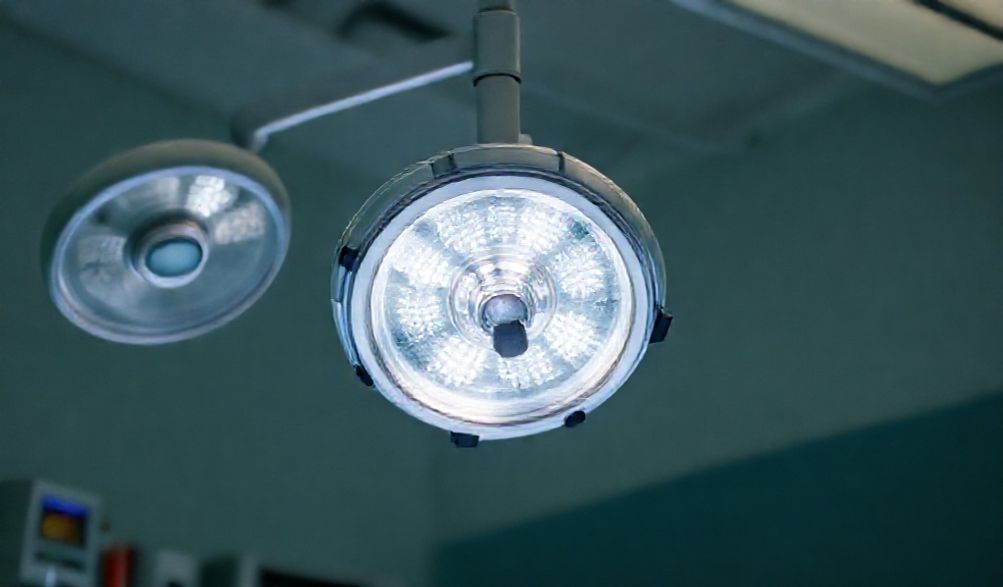
Surgery Lights: A Comprehensive Guide to Types, Features, and Selection for Optimal Outcomes
What if the single most important tool in an operating room isn’t wielded by a surgeon’s hand, but hangs silently above them? While scalpels, imaging, and skilled personnel rightfully capture attention, the quality of illumination is a foundational, non-negotiable pillar of surgical success. Inadequate or poorly managed light can obscure critical anatomy, accelerate surgeon fatigue, and compromise patient safety. This guide moves beyond viewing the surgery light as mere infrastructure, positioning it instead as a precision medical device integral to clinical outcomes.
This post is built upon a synthesis of industry standards (such as DIN EN 60601-2-41), clinical requirements from surgical protocols, and technical engineering principles. It draws from manufacturer whitepapers, peer-reviewed studies on surgical ergonomics, and guidelines from authoritative bodies like the American College of Surgeons and the Association for the Advancement of Medical Instrumentation (AAMI). Our objective is strictly educational: to empower surgeons, hospital procurement teams, and surgical center administrators with the knowledge to make informed decisions. We do not promote specific brands. By the end of this guide, you will understand the critical technology, key evaluation features, and selection criteria for surgical lighting systems that ensure both patient safety and procedural efficiency.
The Critical Role of Surgical Lighting in Patient Safety and Procedure Success
A surgery light does far more than just “light up the room.” It is a critical component of the surgical ecosystem, directly influencing the surgeon’s performance and, by extension, patient outcomes.
Beyond Illumination: How Lighting Directly Impacts Clinical Outcomes
The connection between light and surgical performance is quantifiable. First, surgeon visual fatigue and eye strain are directly linked to poor lighting conditions. Flicker, glare, and inadequate illuminance force the ocular muscles to work harder, leading to headaches, decreased concentration, and slower reaction times over long procedures. A high-quality хирургический светильник provides stable, homogenous light that minimizes this cognitive and physical drain.
Second, shadow management is paramount for procedural accuracy, especially in minimally invasive and deep-cavity surgeries. The presence of shadows can obscure bleeders, mask tissue planes, or hide critical structures. Modern surgery lights are engineered to eliminate the surgeon’s own shadow from the immediate field, a feature essential for precision in disciplines like neurosurgery and microsurgery. The ability to see clearly and accurately is the first step in any successful intervention.
Key Performance Metrics: Lux, Color Temperature, and Shadow Management
To evaluate a surgery light, one must speak the language of its key performance indicators:
- Illuminance (Lux): This measures the amount of light falling on the surgical field. While extremely high lux values (e.g., 160,000+ lux at center) are possible, the critical factor is homogeneity—how evenly that light is distributed across the entire field. A rapid fall-off in intensity at the edges can create a “tunnel vision” effect. Equally important is depth of illumination, the light’s ability to maintain intensity and color quality deep within a body cavity without causing thermal damage at the surface.
- Индекс цветопередачи (CRI): Perhaps the most clinically vital metric, CRI measures a light source’s ability to reveal the true colors of objects compared to natural light. In surgery, distinguishing between arterial blood (oxygenated) and venous blood, identifying subtle tissue pathologies, and differentiating between similar-looking structures requires a CRI of 90 или выше.. A low CRI can make tissues appear washed out or artificially tinted, risking misdiagnosis or error.
- Коррелированная цветовая температура (CCT): Measured in Kelvin (K), CCT describes the perceived “warmth” or “coolness” of white light. Surgical lighting typically ranges from 4000K (neutral white) to 5000K (cool, daylight white). A cooler CCT is often preferred as it provides a brighter, more alert visual perception and enhances contrast, which can be less fatiguing over time.
Types of Surgery Lights: Understanding the Technology
Not all surgical lights are created equal. The technology and configuration must align with the procedural needs of the operating room.
LED vs. Halogen: A Modern Comparison
The shift from halogen to LED is the defining technological evolution in surgical lighting.
- Halogen Lights: The traditional standard, halogen bulbs produce light via a heated filament. They offer excellent color rendering but generate significant radiant heat at the surgical site, which can desiccate tissue. Their lifespan is short (typically 1,000-2,000 hours), leading to frequent, costly bulb changes and operational downtime.
- LED (Light Emitting Diode) Lights: Now the undisputed standard for new installations, LEDs offer transformative benefits:
- Холодная работа: They emit minimal infrared radiation, drastically reducing heat at the tissue plane.
- Longevity & Consistency: With lifespans of 50,000 to 60,000 hours, LEDs virtually eliminate bulb replacement during the light’s service life, maintaining consistent light output over time.
- Энергоэффективность: They consume up to 80% less power than halogen systems.
- Общая стоимость владения: While the upfront cost may be higher, the savings in energy, maintenance, and bulb replacement make LED systems more economical over their lifespan.
Surgical Light Head Configurations: Single, Dual, and Multi-Section
The design of the light head determines its shadow-reduction capability.
- Single Dome Lights: Feature one large, central light source. They are cost-effective and suitable for minor procedure rooms or offices where shadow control is less critical.
- Dual and Multi-Section Lights: The standard for major operating rooms. These lights consist of two or more independent LED arrays arranged in a ring. By projecting light from multiple slightly offset angles, they effectively “fill in” shadows created by the surgeon’s hands and instruments. This is known as shadow dilution. Furthermore, multi-section designs offer built-in redundancy; if one section fails, the others continue to provide adequate illumination to safely conclude the procedure.
Specialized Lighting for Different Surgical Disciplines
Surgical needs vary, and lighting systems can be tailored accordingly.
- Lights for General and Orthopedic Surgery: These procedures often require высокая интенсивность and exceptional depth of illumination to penetrate deep into abdominal or joint cavities. Lights with large field diameters and adjustable focus are common.
- Lights for Neurosurgery and Ophthalmic Surgery: Precision is everything. Lights for these fields prioritize minimal heat emission to protect sensitive neural or ocular tissues. They often feature extremely high, homogeneous lux levels and may integrate with surgical microscopes or offer built-in coaxial illumination for enhanced surface detail.
- Lights for Endoscopic/Laparoscopic Procedures: Here, the primary visual feedback comes from the monitor, not the open field. The role of the overhead surgery light shifts to providing optimal ambient illumination for the surgical team to move safely around the room and handle instruments, without causing glare on the monitor screens. Dimmability and indirect lighting modes are key features.
Essential Features to Evaluate When Selecting Surgery Lights
Beyond core performance metrics, several practical features determine how well a хирургический светильник integrates into the sterile workflow of the OR.
Sterility and Infection Control: Handling, Draping, and Cleanability
— это не просто улучшение освещения; это фундаментальное усовершенствование самого критически важного инструмента хирурга — его зрения. Благодаря непревзойденной цветопередаче, бестеневому освещению и эргономичному комфорту эта технология напрямую способствует хирургической точности, снижает утомляемость во время операции и способствует положительным результатам для пациента. Переход от галогенных к светодиодным осветителям — это не просто смена оборудования, а стратегические инвестиции в клинические результаты и профессиональное благополучие. surgery light is a frequent point of contact in a sterile environment. Its design must support infection control protocols.
* Sealed Surfaces: The light head should have a smooth, seamless canopy with no crevices where contaminants can lodge.
* Возможность очистки: Materials must withstand aggressive, frequent cleaning with hospital-grade disinfectants without degrading.
* Draping Compatibility: For certain procedures, the light must be fully drapable with a sterile cover. The design should facilitate easy, secure draping without compromising balance or maneuverability.
Maneuverability and Ergonomics: Ease of Positioning
A light that is difficult to position is a hazard. Surgeons and nurses need to adjust the field quickly and precisely without breaking sterility.
* Balance Systems: Sophisticated counterbalance mechanisms allow the heavy light head to be moved effortlessly with a fingertip touch and remain securely in position, even at full extension.
* Достижимость и подвижность: The ceiling mount or boom must provide sufficient range of motion to cover the entire OR table from multiple angles, accommodating different patient positions and surgeon preferences.
* Sterile Control: Options include sterile handles on the light head itself or touchless control via foot pedals or voice activation, allowing for intraoperative adjustment without contaminating the field.
System Reliability and Safety: Redundancy and Fail-Safes
In the middle of a life-saving procedure, light failure is not an option.
* Redundant Light Sources: As mentioned, multi-section LED heads provide inherent redundancy.
* Резервное питание: The system should have a battery backup that automatically engages during a mains power failure, providing sufficient light to safely terminate the surgery.
* Thermal Management: Built-in sensors and cooling systems should prevent the light head from overheating, protecting both the device and the patient.
The Procurement Process: A Step-by-Step Guide for Healthcare Facilities
Выбор surgical lighting system is a major capital investment. A structured procurement process ensures the technology meets clinical needs and provides long-term value.
Conducting a Needs Assessment for Your OR Suite
Begin by defining your requirements. Create a checklist:
* Профиль выполняемых операций: What specialties are performed (e.g., cardiac, ortho, neuro)?
* Room Specifications: Ceiling height, room size, column placements.
* Workflow: Number of daily surgeries, typical team size, and common table positions.
* Future-Proofing: Are you planning to adopt new robotic or hybrid imaging technologies?
Interpreting Specifications and Comparing Vendor Quotes
Move beyond marketing claims to hard data.
* Create a Technical RFP: Your Request for Proposal should mandate specific, measurable performance data (e.g., “Minimum 100,000 lux at 1m, CRI ≥95, homogeneous field diameter of 30cm”).
* Prioritize Clinical Utility: Request live demonstrations or loaner units. Have surgeons from key disciplines test the lights in a simulated environment. How does it feel in a real-world scenario?
* Evaluate Total Cost: Compare upfront price, warranty terms, expected service costs, and energy consumption projections over a 10-year period.
Installation, Calibration, and Staff Training Considerations
The best light is ineffective if poorly installed.
* Certified Installation: Ensure installation is performed by certified technicians familiar with medical-grade electrical and mounting requirements.
* Первоначальная калибровка: После установки световое поле должно быть профессионально откалибровано для обеспечения соответствия фокусной точки, однородности и цветовой температуры заводским и клиническим спецификациям.
* Комплексное обучение: Обучение хирургов, медсестер и сотрудников биомедицинской службы имеет решающее значение. Каждый должен понимать основы эксплуатации, правила асептической обработки, протоколы очистки и этапы устранения неисправностей.
Часто задаваемые вопросы (ЧЗВ) о хирургических светильниках
В: Каков типичный срок службы светодиодного хирургического света и что включает его обслуживание?
О: Высококачественные светодиоды surgery lights имеют срок службы 50 000–60 000 часов, что часто эквивалентно 15+ годам нормальной эксплуатации. Обслуживание в основном включает регулярную очистку купола в соответствии с больничным протоколом и периодическую (обычно ежегодную) профессиональную проверку биомедицинским техником для подтверждения рабочих характеристик и, при необходимости, повторной калибровки. В отличие от галогенных систем, здесь не требуется регулярная замена ламп.
В: Как мы можем убедиться, что наши хирургические светильники соответствуют действующим нормам для медицинского оборудования?
О: Покупайте у авторитетных производителей, которые могут предоставить четкую разрешительную документацию. В США ищите разрешение FDA 510(k). На других рынках, маркировка CE в соответствии с Регламентом о медицинских изделиях (MDR) является обязательной. Соответствие международному стандарту безопасности IEC 60601-2-41 (для хирургических светильников) — это базовое требование. Всегда запрашивайте и храните Сертификат соответствия.
В: Можно ли модернизировать существующие галогенные системы до светодиодных?
О: Некоторые производители предлагают комплекты для модернизации под светодиоды для определенных галогенных моделей. Однако часто рекомендуется полная замена системы. Новая светодиодная система включает не только световую головку, но и современную электронику, системы балансировки и функции безопасности, которые комплект для модернизации может не обеспечить. Новая система также поставляется с полной гарантией и изначально спроектирована для оптимальной работы светодиодов.
В: Что такое “индекс цветопередачи” и почему он критически важен в хирургии?
О: Индекс цветопередачи (CRI) — это показатель (по шкале от 0 до 100) того, насколько точно источник света передает истинные цвета объектов по сравнению с естественным дневным светом. В хирургии критически важен CRI 90 или выше , поскольку он позволяет хирургической команде точно различать типы тканей, определять оксигенацию сосудов, распознавать тонкие изменения цвета, указывающие на патологию, и дифференцировать структуры, которые при плохом освещении могут выглядеть схоже. Это прямая характеристика, влияющая на безопасность пациента.
В: На какую сумму больнице следует планировать бюджет для новой системы хирургического освещения?
О: Стоимость слишком сильно варьируется, чтобы назвать конкретную цифру, и зависит от типа (однокупольный vs. многокупольный), технологии, сложности потолочного крепления и требований к установке. Один светильник для основной операционной с усовершенствованным потолочным креплением может иметь очень широкий ценовой диапазон. Ключевой момент — планировать бюджет, исходя из ценности в течение жизненного цикла, а не только из первоначальной стоимости. Учитывайте совокупную стоимость владения за 10 лет, включая энергию, обслуживание и потенциальное влияние на эффективность хирургических операций и их результаты. Запросите детальные коммерческие предложения у нескольких поставщиков на основе вашего конкретного технического задания.
Заключение
Выбор surgery light — это решение, которое отзывается на каждой процедуре, выполняемой под ним. Это не просто элемент оснащения, а основополагающее медицинское устройство, которое напрямую влияет на точность хирургических вмешательств, утомляемость команды и, в конечном счете, на безопасность пациента. Информированный выбор требует тщательного баланса между строгими техническими характеристиками, потребностями клинического workflow и бескомпромиссными стандартами безопасности.
Дальнейший путь — это путь тщательного исследования и вовлечения клинических специалистов. Проконсультируйтесь с командой клинических инженеров, которые понимают технические аспекты. Запросите живые демонстрации или пробные установки , чтобы получить практические отзывы от вашего хирургического персонала. Наконец, используйте информацию из этого руководства, чтобы составить детальный документ, основанный на требованиях , который отражает уникальные потребности ваших хирургических служб, гарантируя, что ваши инвестиции будут обеспечивать оптимальные результаты в течение многих лет.
p>