
Surgical Lamps: A Complete Guide to Technology, Selection, and Safety
Imagine a cardiac surgeon poised to perform a delicate coronary artery bypass. The patient’s chest is open, revealing the intricate, life-sustaining structures within. The surgeon’s hands are steady, their skill unparalleLED. But what if, at that critical moment, the light fails? What if a shadow falls across the surgical field, obscuring a vital vessel? The stark reality is that in the high-stakes environment of the operating room (OR), illumination is not a convenience—it is a fundamental component of patient safety and surgical success.
This comprehensive guide is designed to be an authoritative resource for surgical professionals, hospital procurement teams, clinical engineers, and medical students. Our purpose is to move beyond basic specifications and delve into the science, selection criteria, and best practices surrounding modern surgical lighting systems. The information herein synthesizes data from leading manufacturer specifications, clinical studies on visual performance, and established operating room protocols. By the end of this article, you will understand how to evaluate, select, and maintain surgical lamps to optimize patient outcomes, enhance OR team efficiency, and make informed, long-term investments for your healthcare facility.
The Critical Role of Surgical Lighting in Modern Medicine
A surgical lamp is far more than a simple light fixture. It is a precision optical instrument, engineered to create a controlled environment where human vision can perform at its peak under demanding conditions. Its role extends far beyond basic visibility.
Beyond Illumination: How Light Quality Impacts Surgical Outcomes
The quality of light in the surgical field has a direct and measurable impact on procedural outcomes. Key aspects include:
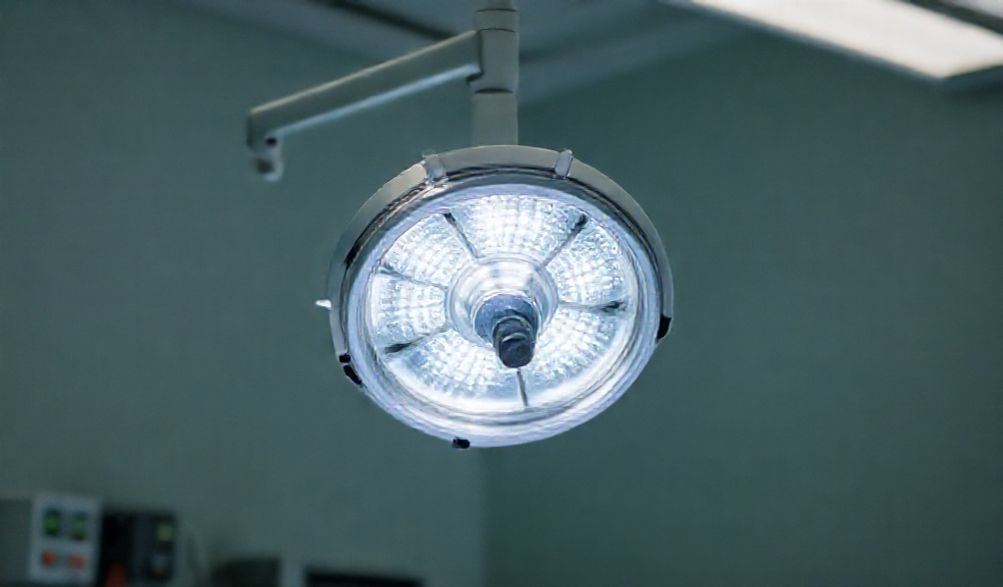
- Shadow Reduction and Depth Perception: Unlike a single-point light source that creates harsh, obstructive shadows, modern surgical lighting systems use multiple LED point sources arranged to project overlapping beams. This technology, often called “shadow dilution,” ensures that the surgeon’s head or hands do not cast a complete shadow, maintaining a consistently illuminated field even in deep cavities. This is crucial for depth perception and spatial awareness.
- Color Rendering and Tissue Differentiation: Accurate color representation is vital. Distinguishing between arterial blood (bright red) and venous blood (darker red), identifying subtle variations in tissue health, or recognizing the pale hue of a nerve requires light that renders the full spectrum of colors faithfully. A high Color Rendering Index (CRI) is essential for this visual discrimination, directly affecting precision and reducing the risk of iatrogenic injury.
- Thermal Management: Traditional halogen and incandescent operating room lights emitted significant infrared radiation, which could dry out exposed tissues, cause patient discomfort, or even lead to thermal injury. Modern systems prioritize cool light delivery, focusing luminous efficacy while minimizing heat transfer to the surgical site.
A Brief History: From Sunlight to LED
The quest for optimal surgical illumination is as old as surgery itself. This evolution underscores the technology’s critical importance:
- The Early Era: Surgeons originally relied on natural sunlight, positioning operating tables near windows. This was, of course, inconsistent and weather-dependent.
- The Incandescent Age: The invention of the incandescent bulb brought light indoors but offered poor color quality and intense heat.
- Halogen Dominance: Halogen lamps became the standard for decades, providing brighter, whiter light than their predecessors. However, they were energy-inefficient, had short lifespans, and generated substantial heat, necessitating complex filter systems.
- The LED Revolution: The advent of Light Emitting Diode (LED) technology has fundamentally transformed surgical lighting. LEDs offer unparalleled control over light quality, intensity, and color temperature, with dramatic improvements in energy efficiency, lifespan, and thermal management. They represent the current gold standard.
Key Technologies and Features of Modern Surgical Lamps
Understanding the core technologies behind today’s surgical lamps is key to making an informed selection.
LED Technology: The New Gold Standard
LED technology is not just an upgrade; it’s a paradigm shift. Its advantages are rooted in solid-state physics and offer tangible benefits:
- Исключительный срок службы: LED surgical lights typically offer 50,000 to 60,000 hours of operation, drastically reducing the frequency and cost of bulb replacements compared to halogen systems (which lasted ~1,000 hours).
- Энергоэффективность: LEDs convert a much higher percentage of electrical energy into visible light, consuming up to 75% less power than halogen equivalents. This significantly reduces a hospital’s operational costs and environmental footprint.
- Minimal Heat Emission: LEDs emit very little infrared radiation. The light is “cool,” directing luminous energy to the surgical field without the associated risk of tissue desiccation or patient burns.
- Consistent Color Temperature: LEDs provide stable, consistent color temperature (measured in Kelvin) throughout their entire lifespan, unlike halogen bulbs which yellow and dim over time. This ensures predictable and reliable illumination for every procedure.
Understanding Essential Lighting Metrics
Evaluating a surgical lamp requires fluency in its key performance indicators:
- Lux / Illuminance: This measures the intensity of light falling on a surface. For major surgery, standards (like ISO 9680) recommend a minimum of 40,000 lux to 160,000 lux at the center of the light field. Sufficient lux is fundamental for visualizing fine detail.
- Индекс цветопередачи (CRI): CRI is a scale from 0 to 100 that measures a light source’s ability to reveal the true colors of objects compared to natural light. For surgery, a CRI of 90 or above is considered excellent, with some high-end systems achieving a CRI of 97+ for exceptional tissue differentiation.
- Depth of Illumination: This refers to the light’s ability to penetrate deep into body cavities (e.g., during pelvic or spinal surgery) without a significant drop in intensity or color quality at the periphery. It is a critical factor for specialized procedures.
- Shadow Management: As mentioned, this is achieved through multi-point source optics. The design and alignment of these point sources determine how effectively shadows are “filled in,” providing uniform illumination even when obstructed.
Ergonomic and Functional Design Elements
Technology must be paired with intuitive design:
- Sterility and Cleanability: Lights feature seamless, smooth housings and sterile handles that can be easily wiped down between cases. Some handles are removable and autoclavable.
- Maneuverability: Balanced arms with gas springs or counterweights allow for smooth, effortless positioning with a single touch. The light should stay precisely where placed, without drift.
- Интеграция: Modern surgical lamps are often mounted on sophisticated ceiling booms that also carry other utilities (suction, gases, power, cameras). This integration reduces floor clutter and improves OR workflow.
How to Choose the Right Surgical Lamp: A Procurement Guide
Selecting a new surgical lighting system is a significant capital investment. The decision should be driven by clinical need, total cost analysis, and safety compliance.
Assessing Your Surgical Specialty’s Needs
A one-size-fits-all approach does not work. Consider the specific visual demands:
* General & Orthopedic Surgery: Require broad, deep fields of high-intensity light for open procedures.
* Neurosurgery & ENT: Demand extremely high lux levels and superb shadow control for working in small, deep, and critical anatomical areas.
* Cardiac Surgery: Need a combination of broad-field illumination and the ability to focus intensely on the coronary vessels.
* Minimally Invasive Surgery (MIS): While reliant on endoscopic cameras, still benefit from high-quality overhead lighting for port placement, instrument handling, and monitoring the patient.
Evaluating Total Cost of Ownership (TCO)
The purchase price is just the beginning. A true financial analysis includes:
* Потребление энергии: Calculate the annual cost difference between LED and legacy systems.
* Lamp Replacement: Factor in the cost and labor of replacing halogen bulbs every 6-12 months versus LED modules lasting over a decade.
* Обслуживание и время простоя: Reliable systems with longer service intervals reduce OR downtime and repair costs.
* Disposal Costs: Halogen bulbs require special disposal; LEDs have a longer lifecycle, reducing waste.
Compliance and Safety Standards
Patient and staff safety is paramount. Any surgical lamp must comply with stringent international standards:
* IEC 60601-2-41: The primary international standard for the basic safety and essential performance of surgical luminaires и operating room lights. It covers electrical safety, mechanical safety, and radiation hazards (like excessive heat).
* ISO 9680: Specifies the performance requirements and test methods for the optical and mechanical characteristics of surgical lights.
* Fail-Safe Features: Look for systems with backup light sources (redundant LED arrays) and battery-powered emergency lights that activate during a power failure.
Установка, техническое обслуживание и передовые практики
Proper implementation and care are essential to realizing the full benefits of your investment.
Proper Installation for Optimal Performance
Installation should be planned by a team including clinical engineers, surgeons, and facilities managers:
* Ceiling Height and OR Layout: The light’s mounting height and reach must suit the room dimensions and table positioning.
* Integration with Booms and Infrastructure: Ensure the light and its boom do not interfere with other equipment, such as imaging systems or anesthesia workstations.
* Pre-Use Calibration: After installation, the light head must be calibrated to ensure the multiple point sources are perfectly aligned for optimal shadow management and field homogeneity.
Routine Maintenance and Cleaning Protocols
- Ежедневная очистка: After each procedure, the light handle and exterior surfaces should be wiped down with a hospital-grade disinfectant compatible with the materials.
- Периодическая проверка: Biomedical engineering teams should perform scheduled inspections (per manufacturer guidelines, often annually) to check for mechanical wear, electrical integrity, and optical performance (lux output, alignment).
- Filter Replacement: Some lights have cooling filters that require regular cleaning or replacement to prevent overheating.
Устранение распространённых проблем
- Мерцание или снижение яркости: This often indicates a power supply issue or the end of an LED module’s life. Consult the biomedical department.
- Poor Alignment/Shadowing: If shadows become pronounced, the optical alignment may be off. This requires recalibration by a trained technician.
- Жёсткое или дрейфующее движение: This points to a problem with the arm’s balancing mechanism or bearings, necessitating a service call.
Always adhere to the manufacturer’s service manual and involve your certified biomedical engineering team for any repairs or adjustments.
Frequently Asked Questions (FAQ) About Surgical Lamps
Q1: What is the typical lifespan of an LED surgical lamp?
О: Высококачественные светодиоды surgical lamps are designed for 50,000 to 60,000 hours of operation. Under typical OR use (approximately 2,000 hours per year), this translates to a functional lifespan of 25-30 years before a significant drop in light output (lumen depreciation) may occur.
Q2: How often should a surgical light be serviced or calibrated?
О: Manufacturers generally recommend a comprehensive preventive maintenance and calibration check by a qualified biomedical technician at least once per year. Daily cleaning and visual inspections by OR staff are also crucial. Always follow the specific schedule outlined in your device’s service manual.
Q3: Can surgical lamps be used in other procedures besides surgery?
О: Absolutely. The principles of high-intensity, shadow-reduced, color-accurate illumination are critical in many settings. They are commonly used in emergency rooms for trauma assessments, in delivery wards for obstetrical procedures, in specialized procedure rooms for endoscopy or wound care, and in veterinary operating rooms.
В4: Какие факторы наиболее важны при замене старых хирургических светильников?
О: Сосредоточьтесь на этих четырёх основных аспектах: 1) Технология: Настаивайте на современных LED-системах для обеспечения производительности и низкой совокупной стоимости владения. 2) Качество света: Убедитесь, что показатели освещённости (люкс), индекса цветопередачи (CRI) и контроля тени соответствуют потребностям вашей специализации. 3) Общая стоимость владения: Анализируйте долгосрочные затраты на энергопотребление, обслуживание и замену, а не только первоначальную цену. 4) Совместимость: Убедитесь, что новая система интегрируется с физической планировкой вашей операционной и существующей инфраструктурой (консоли, системы управления).
Заключение
A surgical lamp Хирургический светильник — это не просто навесное оборудование; это критически важная, спасающая жизнь технология, которая расширяет зрение хирурга и защищает пациента. От революционной эффективности LED-технологии до точной науки управления тенями и цветопередачи — каждая деталь спроектирована для обеспечения оптимальных клинических результатов.
Осознанный выбор, основанный на клинической необходимости, глубоком понимании метрик освещения и трезвой оценке совокупной стоимости владения, — это инвестиция в безопасность пациента, эффективность работы хирургической команды и рациональное управление ресурсами больницы. Мы рекомендуем использовать это руководство как основу для дальнейшего изучения вопроса. Проконсультируйтесь с командой клинических инженеров, изучите последние рецензируемые исследования по визуальной эргономике в хирургии и, что наиболее важно, запросите практические демонстрации у авторитетных производителей. Оцените качество света и эргономику непосредственно, чтобы принять наилучшее решение для вашей операционной и пациентов, которые зависят от неё.
p>