
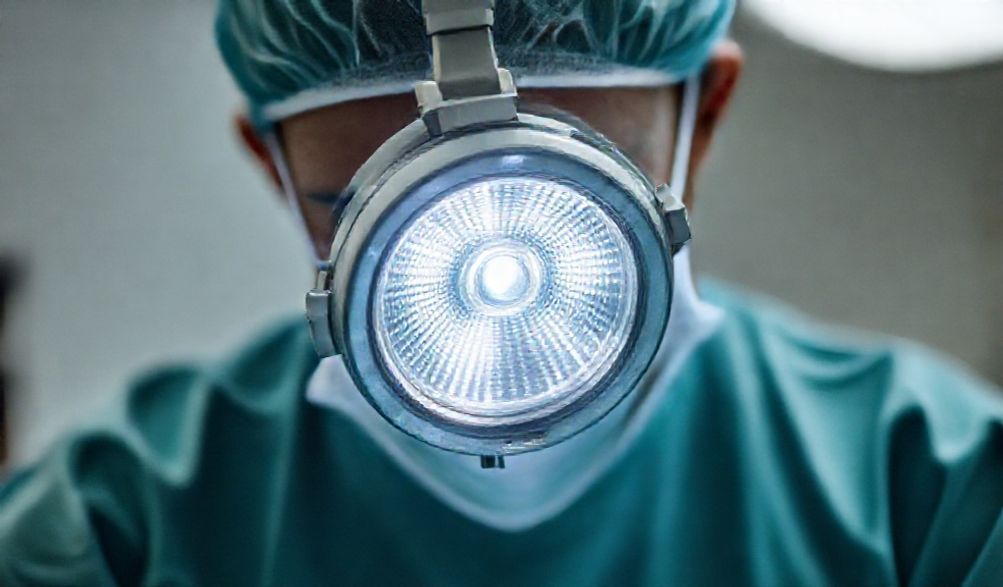
The Essential Guide to Surgeon Headlights: Enhancing Precision, Safety, and Outcomes
What if the single most important tool for a surgeon isn’t a scalpel, but the light that illuminates the surgical field? While instruments are extensions of a surgeon’s hands, vision is the foundation of their decision-making. In the intricate landscape of the human body, where millimeters matter and tissue planes must be discerned with absolute clarity, optimal illumination is non-negotiable. The journey from the shadow-casting, glare-prone overhead lights of the past to today’s sophisticated personal illumination systems represents one of the most significant ergonomic and technological advances in the operating room.
The challenge is clear: poor lighting leads to eye strain, forces surgeons into awkward postures to “chase the light,” and can cast deceptive shadows that obscure critical anatomy. This compromises not only the surgeon’s comfort but, more importantly, patient safety and surgical precision. Enter the modern surgeon headlight—a purpose-built tool designed to deliver brilliant, focused, and shadow-free light directly into the surgical field, coaxial with the surgeon’s line of sight.
This comprehensive guide will explore surgeon headlights in depth—demystifying their technology, enumerating their key benefits, and providing a practical framework for selection. Our goal is to empower surgeons, dentists, and all procedural specialists with the knowledge to make an informed decision, enhancing patient outcomes, procedural efficiency, and their own long-term professional well-being. We adhere to the principles of E-E-A-T (Experience, Expertise, Authoritativeness, Trustworthiness), grounding this information in established technical and clinical principles.
What is a Surgical Headlight System? Core Components and Function
A surgical headlight system is an integrated personal illumination device, typically worn on the head, that provides a powerful, focused beam of light. It is a system of interconnected components, each playing a vital role in performance and usability.
The Light Source: LED Technology and Beyond
The heart of any headlight is its light source. Today, Light Emitting Diode (LED) technology is the unequivocal gold standard, having largely replaced older halogen and xenon bulbs. The reasons are compelling:
* Cool Operation: LEDs produce minimal infrared radiation, meaning the light delivered is “cool” and does not heat up the surgical site or the surgeon’s forehead, a critical factor in long procedures.
* Longevity & Reliability: An LED source can last for tens of thousands of hours, far outliving traditional bulbs, which reduces maintenance costs and the risk of failure mid-procedure.
* Efficiency & Intensity: LEDs provide exceptionally high light output (measured in lux) with lower power consumption, enabling brighter, longer-lasting cordless systems.
When evaluating a light source, three key metrics are paramount:
1. Lux: This measures illuminance, or the amount of light falling on a surface. For deep-cavity work (e.g., spinal, ENT), systems offering 40,000 to 200,000+ lux at a standard working distance are often recommended. Higher lux provides greater clarity in deep, narrow fields.
2. Color Temperature: Measured in Kelvin (K), this describes the “warmth” or “coolness” of the light. A daylight spectrum (4500K to 5500K) is preferred in surgery as it provides neutral, white light that allows for true tissue color discrimination, crucial for identifying structures, assessing perfusion, and detecting subtle changes.
3. Beam Pattern: The light can be focused into a tight spot for deep, targeted illumination or a wider flood for a broader field. The best systems offer adjustable or hybrid beams to suit different procedural phases.
The Power and Control Unit
This component fuels and manages the light source. There are two primary configurations:
* Battery Packs: These are lightweight, rechargeable lithium-ion packs typically worn on a belt or waistband. They offer complete mobility and freedom from cords that could snag. Key considerations are battery life (4-8 hours on high is common), weight, and charge time.
* Wall-Mounted Systems: These are plugged into a central power source in the OR. They provide unlimited runtime but tether the surgeon to a cable, which some find restrictive. The control unit, whether on a battery pack or wall console, should offer intuitive, tactile controls for adjusting brightness without breaking sterility.
The Delivery System: Fiberoptic Cables vs. Direct Source
How does light travel from the source to the surgical field?
* Fiberoptic Systems: Here, a powerful “light box” (often wall-mounted) generates light, which is then channeled through a flexible fiberoptic cable to a lightweight headpiece. The cable transmits cool light, but it can be delicate, may degrade over time, and adds a tether.
* Direct Source/Integrated LED Systems: In these modern designs, the LED module itself is mounted directly on the headband, connected by a thin wire to a waist-worn battery. This eliminates the bulky fiberoptic cable, reducing weight on the head and removing a potential point of failure. The light is often brighter and more responsive.
The choice involves a trade-off: fiberoptic systems often provide extremely high, cool light from a powerful remote source, while integrated LED systems prioritize mobility, simplicity, and reduced headpiece weight.
Key Benefits of Using a High-Quality Surgeon Headlight
Investing in a superior headlight system yields tangible returns across multiple dimensions of surgical practice.
Unparalleled Visualization and Surgical Precision
This is the primary benefit. A high-quality headlight delivers coaxial illumination—light travels along the same axis as your vision, virtually eliminating shadows cast by your own hands and instruments. This creates a “shadow-free” field that reveals true depth and anatomy.
* Deep Cavity Illumination: It lights recesses that overhead lights cannot reach, which is indispensable in specialties like neurosurgery, spinal surgery, and otolaryngology.
* True Color Rendition: Accurate color temperature allows for precise differentiation between arterial and venous blood, healthy and necrotic tissue, and subtle inflammatory changes.
* Enhanced Accuracy: This level of visual fidelity translates directly to finer dissection, more accurate suturing, and greater confidence in complex microsurgical tasks, from vascular anastomoses to nerve repairs.
Enhanced Surgeon Ergonomics and Reduced Fatigue
As noted by a veteran orthopedic surgeon, “Before I used a headlight, I was constantly craning my neck, tilting my head, and squinting—all to get a better view. The fatigue was cumulative and real.” A personal headlight changes this dynamic.
* Reduced Eye Strain: Proper, glare-free illumination reduces the pupil’s constant dilation and constriction, minimizing photostress and headaches.
* Improved Posture: The surgeon can maintain a neutral, comfortable head and neck position instead of contorting to align with a fixed overhead light. This mitigates chronic neck, shoulder, and back pain.
* Long-Term Career Health: By reducing physical strain, a good headlight system is an investment in career longevity, helping to prevent the musculoskeletal disorders that are sadly common among surgeons.
Improved Patient Safety and Surgical Outcomes
Better visualization is intrinsically linked to safer surgery. When a surgeon sees clearly, they can operate with greater confidence and control.
* Reduced Risk of Error: Clear visualization of anatomy lowers the chance of inadvertent injury to nerves, vessels, or critical structures.
* More Complete Procedures: In fields like oncology or debridement, ensuring the entire target area is well-lit can lead to more thorough excision or cleaning.
* Efficiency: Less time spent repositioning overhead lights or struggling to see can contribute to streamlined procedure times, which has positive implications for patient recovery and OR throughput. While specific outcome studies are complex, the principle that optimal visualization reduces operative risk is a cornerstone of surgical practice.
How to Choose the Right Surgeon Headlight: A Buyer’s Guide
Selecting a headlight is a personal and clinically significant decision. A systematic approach ensures you find the tool that best fits your practice.
Assessing Your Surgical Specialty’s Needs
Different disciplines have unique illumination requirements:
* Neurosurgery & Spinal Surgery: Require the highest lux outputs (often 100,000+) and deep, focused spot beams to illuminate narrow, deep corridors.
* ENT & Dentistry: Need a blend of spot and flood for working in oral/nasal cavities, often with integration for dental loupes.
* Plastic & Reconstructive Surgery: Benefit from a wide, even flood beam with excellent color rendering to assess skin flaps and tissue viability.
* General/Vascular Surgery: May prioritize a versatile, adjustable beam for both open cavity and more superficial work.
* Veterinary Surgery: Similar needs scaled for different anatomies, with durability being a key factor.
Consider your typical working distance (how far your eyes are from the field) and whether you require seamless integration with magnification loupes.
Critical Technical Specifications to Compare
When comparing models, focus on these tangible features:
* Intensity & Beam: Seek a system that meets or exceeds the lux requirement for your deepest work. Adjustable spot size (e.g., from 3cm to 10cm at a given distance) offers invaluable flexibility.
* Weight & Balance: The headpiece should be lightweight (often under 200 grams) and well-balanced to prevent neck strain. The center of gravity is as important as the total weight.
* Comfort & Fit: Look for a fully adjustable, padded headband (often a 4- or 5-point suspension system) made of moisture-wicking material. It must fit securely with your loupes, glasses, and surgical loupes.
* Durability & Maintenance: Inquire about the IP rating for dust/fluid resistance, the robustness of cables and connectors, and the warranty period. Understand the cleaning protocol—can the headband withstand hospital-grade disinfectants?
Budget Considerations and Total Cost of Ownership
Headlight systems range from a few hundred to several thousand dollars. Look beyond the sticker price:
* Upfront Cost vs. Long-Term Value: A more expensive LED system with a 50,000-hour lifespan may have a lower total cost of ownership than a cheaper system requiring frequent, costly bulb replacements.
* Battery Replacement: Factor in the cost and lifespan of rechargeable battery packs.
* Service & Support: A reputable manufacturer with strong customer and technical support provides long-term value, ensuring your system remains operational.
Integrating Your Headlight into Surgical Practice
Proper setup and care are essential to realizing your headlight’s full potential.
Proper Setup and Calibration for Optimal Use
- Fit the Headband: Adjust all straps so the headband sits securely but comfortably, with the light module positioned centrally on your forehead. The goal is a stable platform that doesn’t shift during movement.
- Balance the System: Ensure the battery pack is securely positioned (on your belt or waistband) without pulling the headpiece backward or forward.
- Focus the Beam: Before scrubbing, aim the beam at a surface at your typical working distance. Adjust the focus (if available) to achieve the desired spot size and sharp edge.
Maintenance, Cleaning, and Sterilization Protocols
Adherence to manufacturer guidelines and institutional infection control policy (like AORN standards) is mandatory.
* Headband & Casing: Wipe down thoroughly with a hospital-grade disinfectant wipe after each use. Avoid submerging.
* Lens: Clean gently with a soft, lint-free cloth. Avoid abrasive cleaners.
* Fiberoptic Cables: They cannot be heat-sterilized. They must be kept out of the sterile field or covered with a long, sterile disposable sheath during procedures.
* Batteries: Follow charging cycles to maximize lifespan. Have a charged backup available.
Combining with Surgical Loupes and Cameras
Modern systems are designed for integration. Many headlight frames have built-in loupe mounts, allowing you to attach your magnification loupes directly, ensuring the light beam is perfectly aligned with your magnified view. Furthermore, video camera attachments are increasingly common, enabling recording for documentation, teaching, tele-proctoring, or patient education. This turns the headlight into a powerful platform for clinical documentation.
FAQ Section
Q: What is the typical battery life for a cordless surgical headlight?
A: Most modern LED systems offer 4 to 8 hours of runtime on the highest intensity setting, with many featuring rapid-charge capabilities. It is considered best practice to always have a fully charged backup battery available for longer procedures.
Q: Can surgeon headlights be used with prescription glasses or loupes?
A: Absolutely. Most high-quality systems are designed with adjustable mounts and sufficient clearance to accommodate both prescription safety glasses and surgical magnification loupes. It is crucial to verify compatibility, and ideally test the fit, before purchasing.
Q: How do I clean and sterilize my surgical headlight?
A: The non-sterile components (headband, light casing) are typically cleaned by wiping with an EPA-registered hospital disinfectant. The lens should be cleaned gently with a soft cloth. Critically, fiberoptic cables cannot be sterilized with steam or heat and must be protected with a sterile sheath during procedures. Always follow the specific manufacturer’s Instructions for Use (IFU).
Q: Are surgeon headlights only for surgeons?
A: Not at all. They are essential for any professional requiring hands-free, high-quality illumination: dentists, periodontists, ENT specialists, veterinarians, aesthetic practitioners (for precise injections), and even jewelers or electronics repair technicians.
Q: What’s the difference between a $500 and a $5,000 headlight system?
A: The differences are found in core performance and build quality: light intensity and color accuracy, weight and comfort of the headpiece, durability of materials and cables, reliability and lifespan of the battery system, length and comprehensiveness of the warranty, and the level of expert support from the manufacturer. The right choice balances your specific clinical demands with a realistic budget for a long-term tool.
Conclusion
A surgeon headlight is far more than a simple accessory; it is a fundamental pillar of modern procedural practice. It directly bridges the gap between a surgeon’s skill and the physical reality of the surgical field, enhancing visualization, safeguarding the surgeon’s own health, and elevating the standard of patient care.
The final recommendation is to prioritize clinical need over price alone. Seek out hands-on trials or demonstrations whenever possible. Consult with experienced colleagues and reputable, knowledgeable equipment suppliers. Consider the total cost of ownership, not just the initial investment. Choosing the right headlight is an investment in your craft, your comfort, and your patients’ well-being—a decision that will illuminate your work for years to come.
p>