
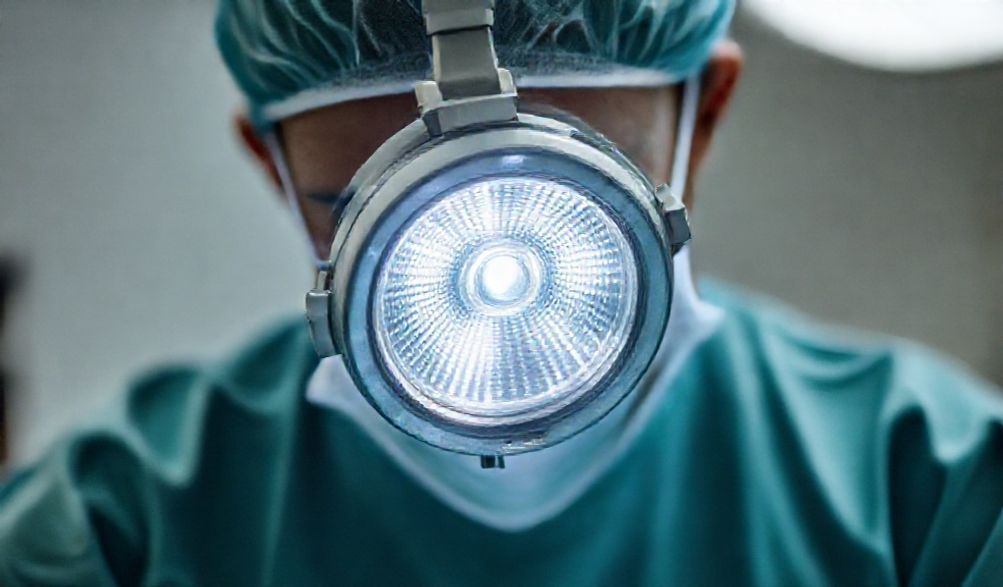
The Ultimate Guide to Surgeon Headlights: Enhancing Precision, Safety, and Outcomes
In the high-stakes theater of surgery, where millimeters matter and anatomy holds its secrets, one principle reigns supreme: you cannot treat what you cannot see. Visualization is the cornerstone of surgical precision, the critical link between a surgeon’s skill and a patient’s outcome. A moment of obscured vision—a shadow falling across a critical nerve, a glare obscuring a subtle tissue plane—can be the difference between a routine procedure and a complication. While technological marvels like robotic assistants and advanced imaging capture headlines, there remains a fundamental, often underappreciated tool that directly governs this visual clarity: the surgeon headlight.
Far more than a simple lamp, a modern surgical headlight is a sophisticated optical system engineered to become a seamless extension of the surgeon’s senses. It addresses the inherent limitations of the operating room environment, providing controlled, personal illumination that moves with the surgeon’s gaze. This guide serves as a comprehensive, evidence-based resource for surgeons across all specialties, surgical residents building their armamentarium, and medical procurement specialists tasked with equipping their teams. We will illuminate the critical role of surgical lighting, dissect the technology behind modern headlights, outline the essential features to consider, and provide a practical framework for selection and maintenance. In a field driven by evidence and expertise, choosing the right headlight is not an accessory decision; it is an investment in precision, safety, and ergonomic sustainability.
Why Illumination is Critical in Modern Surgery
The relationship between optimal lighting and successful surgical outcomes is not merely anecdotal; it is a principle supported by the very logic of the craft. Inadequate illumination is a known contributor to surgical error, fatigue, and prolonged operative times.
The Direct Link Between Visualization and Surgical Outcomes
Superior visualization directly enhances a surgeon’s ability to identify anatomical structures, differentiate between tissue types, and control bleeding with accuracy. As noted in discussions on surgical ergonomics and performance, consistent, high-quality light reduces visual strain and cognitive load, allowing the surgeon to maintain focus during lengthy procedures. This is exponentially critical in two key areas:
- Minimally Invasive Surgery (Laparoscopic, Endoscopic): Here, the surgeon’s view is already mediated through a camera. The headlight is essential for external port sites, ensuring clear vision for instrument handling, suturing, and managing any unforeseen open conversion needs.
- Deep-Cavity and Microsurgery (Neurosurgery, ENT, Spinal, Ophthalmic): These specialties involve working in narrow, recessed anatomical spaces where overhead lights simply cannot penetrate. Coaxial illumination—light aligned perfectly with the surgeon’s line of sight—is non-negotiable for illuminating the depths of a wound without shadows cast by instruments or the surgeon’s own head.
Limitations of Overhead Operating Room Lights
The traditional overhead surgical light, while powerful, has intrinsic limitations that a headlight is designed to overcome:
- Shadowing: The surgeon’s head, hands, and instruments constantly cast shadows directly into the operative field, requiring constant repositioning of the overhead lights.
- Obstruction: Colleagues assisting around the table can inadvertently block the light path.
- Lack of Coaxial Illumination: Overhead lights provide oblique lighting, which can cause glare and reflective hotspots on tissues and fluids. A headlight provides light from the same viewpoint as the surgeon’s eyes, revealing true texture, depth, and detail without shadow or glare. It is, in essence, personal, portable, and perfectly aligned illumination.
Understanding Surgeon Headlight Technology
The journey from a simple headlamp to today’s advanced systems reflects a significant technological evolution, primarily centered on the light source itself.
Light Source Evolution: Halogen vs. Xenon vs. LED
The heart of any headlight is its lamp. The shift from traditional bulbs to solid-state technology has been transformative.
- Halogen: The longstanding standard, halogen bulbs produce a warm, yellow-hued light. They are inexpensive upfront but have significant drawbacks: they generate intense heat, have a short lifespan (typically 50-100 hours), consume more power, and their brightness and color temperature degrade over time.
- Xenon: An improvement over halogen, xenon bulbs produce a whiter, brighter light with a better Color Rendering Index (CRI). They are still used in some high-intensity applications. However, they share halogen’s disadvantages of high heat output, limited lifespan (around 500 hours), and gradual dimming.
- LED (Light Emitting Diode): LED is the unequivocal modern standard for surgical headlights. LEDs offer superior benefits:
- Brightness & Efficiency: They produce exceptional luminous intensity (measured in lumens) with very low power consumption.
- Cool Operation: LEDs generate minimal heat, enhancing surgeon comfort during long cases.
- Longevity: An LED light source can last 20,000-50,000 hours—effectively the lifetime of the headlight system.
- Consistent Output: LEDs maintain their brightness and color temperature from the first use to the last.
- High CRI: Advanced LEDs can achieve a CRI of 95+, crucial for tissue discrimination.
Key Components of a Surgical Headlight System
A typical system consists of three main components:
- Light Source/Generator: This is the power unit. It can be a console box that plugs into an outlet, often offering the maximum power output, or a portable battery pack worn on the waist or belt, prioritizing mobility and freedom from cords. Many modern systems offer both options.
- Light Guide: This is the pathway that delivers light from the source to the head. There are two primary types:
- Fiber Optic Cable: Used with halogen/xenon generators and some LED systems. Light travels through a bundle of optical fibers. These cables are flexible but can degrade, yellow, or break with rough handling, leading to dimming.
- LED-on-Head (Integrated LED): The LED emitter is mounted directly on the headlight itself, powered by a thin electrical cable. This is the most efficient design, eliminating light loss through a fiber cable and offering a lighter, more robust setup.
- Headband & Mounting System: Comfort is paramount. A good headband is adjustable, well-padded, and designed to distribute weight evenly across the head and often the back of the skull (a counterbalance strap). The mounting bracket should allow for precise, tool-free adjustment of the light position and angle. Loupes Integration is a critical feature for many; the headlight must be compatible with your magnification system, either via a dedicated clip-on attachment or an integrated rail system.
Essential Features to Consider When Choosing a Surgeon Headlight
Beyond the basic technology, specific performance characteristics define a headlight’s utility in the OR.
Brightness and Intensity Control
Brightness is measured in lumens (total light output) and lux (light intensity on a surface). A headlight should offer sufficient peak brightness for deep, dark cavities but, just as importantly, variable intensity control. The ability to dim the light is essential for matching illumination to the task—higher for deep spine work, lower for superficial soft tissue dissection—and for reducing eye strain. A dial or slider on the generator or a remote control on the headband itself is a valuable ergonomic feature.
Field of View and Spot Size
This refers to the area illuminated at a standard working distance.
* Focused Spot (Small Field): Provides a small, intense circle of light ideal for microsurgery, dentistry, or procedures requiring high illumination in a very confined area.
* Wide Field: Illuminates a larger area, beneficial for general surgery, orthopedic procedures, or any case where a broader anatomical context is needed. Some advanced headlights offer a variable field, allowing the surgeon to adjust the spot size.
Color Temperature and Color Rendering Index (CRI)
- Color Temperature (measured in Kelvin, K) describes the “warmth” or “coolness” of the light. Surgical headlights typically range from 4500K (warm white) to 6000K (cool, daylight white). Personal preference plays a role, but cooler temperatures are often preferred for their perceived brightness and contrast.
- Color Rendering Index (CRI) is arguably more critical. Measured on a scale of 0-100, it indicates how accurately a light source reveals the true colors of objects compared to natural sunlight. In surgery, a high CRI (90+) is essential. It allows for precise differentiation between arterial blood (bright red), venous blood (dark red), fatty tissue (yellow), nervous tissue (glossy white), and pathological tissue. A low CRI light can make these critical distinctions difficult or misleading.
Ergonomics and Comfort for Long Procedures
A headlight is worn for hours. Ergonomics directly impact surgeon fatigue and performance.
* Weight & Balance: The system should be as light as possible, with the weight balanced to avoid neck strain. LED-on-head systems typically excel here.
* Headband Design: Look for wide, padded bands with secure, easy-to-adjust mechanisms. A forehead pad and a rear stabilizer are key.
* Heat Management: As mentioned, LED systems run dramatically cooler than halogen/xenon, a major comfort advantage.
* Cable Management: A lightweight, flexible cable that doesn’t tug or get in the way is important for user experience.
A Step-by-Step Guide to Selecting the Right Headlight
Choosing a headlight is a personal and professional decision. Follow this framework to find your optimal match.
Assessing Your Surgical Specialty’s Needs
Your specialty dictates your primary requirements:
* Neurosurgery, Spine, Deep ENT: Prioritize maximum brightness, a focused or variable spot, and deep-cavity penetration. Coaxial alignment is critical.
* Plastic, Reconstructive, General Surgery: Look for a balanced system with good brightness, a wider field, and excellent CRI for tissue work. Comfort for long cases is key.
* Dentistry & Oral Surgery: Often prefer a very focused spot, lightweight design, and integration with dental loupes. Portability is a plus.
* Orthopedics: Need a wide field to illuminate larger areas (e.g., a knee or shoulder), robust brightness, and a system that can withstand the OR environment.
Budgeting: Initial Cost vs. Total Cost of Ownership
Do not look at the sticker price alone. Consider the Total Cost of Ownership:
* Upfront Cost: LED systems have a higher initial price than basic halogen kits.
* Replacement Lamps/Bulbs: Halogen and xenon require frequent, costly bulb replacements. LEDs have no bulb to replace.
* Battery Life/Power: Consider the cost and lifespan of replacement battery packs for portable units.
* Warranty & Service: A longer, comprehensive warranty indicates manufacturer confidence and protects your investment.
Trying Before Buying: The Importance of Demos
This is non-negotiable. Contact reputable medical suppliers (e.g., Enova, Sunoptic, Orascoptic, Heine) and request a demonstration unit. Wear it with your loupes, if applicable. Test it in a realistic setting—a simulation lab, an empty OR, or your clinic. Assess:
* Comfort after 30 minutes of wear.
* Ease of adjustment and achieving coaxial light.
* The quality of the light on various objects (assess CRI subjectively).
* The intuitiveness of the controls.
Best Practices for Using and Maintaining Your Surgical Headlight
Proper use and care ensure peak performance and longevity.
Proper Setup and Alignment Techniques
Achieving true coaxial illumination is a skill. Follow these steps:
1. Mount the light source securely on the headband.
2. Hold a pen or instrument tip at your typical working distance (e.g., 14-18 inches).
3. Close one eye and position the tip where you want it illuminated.
4. Without moving your head, adjust the light beam until the bright hotspot is centered directly on the tip.
5. Open your closed eye. The light should now be aligned with your binocular vision. The “shadow” of the instrument should appear directly behind it, confirming coaxial alignment.
Cleaning, Sterilization, and Care Protocols
Always follow the manufacturer’s specific instructions. General guidelines include:
* Disinfection: The headband and light casing can typically be wiped down with hospital-grade disinfectant wipes (check compatibility).
* Sterilization: Some components (like certain light guides or mounts) may be autoclavable or compatible with low-temperature sterilization (e.g., STERRAD). Never autoclave a component unless explicitly stated by the manufacturer.
* Fiber Optic Cable Care: Avoid sharp bends, kinks, or crushing. Store loosely coiled.
* Lens Cleaning: Use only a soft, lint-free cloth (microfiber) to gently clean the output lens. Avoid abrasive materials or harsh chemicals.
* Battery Care: Follow charging instructions. For long-term storage, maintain a partial charge (40-80%).
Troubleshooting Common Issues
- Dimming Light: For fiber optic systems, check the cable for damage or the bulb for end-of-life. For LED, ensure the battery is charged or the power source is connected.
- Flickering: Usually indicates a loose connection at the generator, headlight, or in the cable. Check all connections.
- No Power: Check the power switch, battery charge, outlet, and fuse (if applicable).
- Overheating: Ensure vents on the generator are not blocked. If using halogen/xenon, this may be normal; ensure it is not too close to the surgeon or patient.
FAQ Section
Q1: What is the average battery life for a modern LED surgeon headlight?
A: Battery life varies by brightness setting. On a medium-high setting, a high-quality lithium-ion battery pack typically lasts 4-8 hours on a single charge, easily covering most surgical procedures.
Q2: Can I use my surgical headlight with my existing loupes?
A: In most cases, yes. Reputable manufacturers design universal mounting brackets or offer specific adapters for popular loupe frames (e.g., Designs for Vision, Orascoptic, SurgiTel). Always verify compatibility during a demo.
Q3: How important is the Color Rendering Index (CRI), and what is a good value?
A: Extremely important. A high CRI is vital for accurate tissue discrimination. Aim for a CRI of 90 or higher. Many premium LED headlights now offer a CRI of 95+, which is considered excellent for surgical applications.
Q4: What is the typical warranty for a high-quality surgical headlight system?
A: Warranties can range from 1 to 5 years, often with longer coverage for the LED light source itself (e.g., 5 years on LEDs, 2 years on other components). A longer warranty is a strong indicator of product reliability.
Q5: Are there specific headlights recommended for microsurgery or deep cavity work?
A: Yes. For these applications, look for systems that advertise “high-intensity” or “deep cavity” illumination, offering very high lumen output (e.g., 100,000+ lux) and often a more focused spot size to concentrate that light into a small, deep field.
Q6: How do I properly clean the lens and light guide to maintain optimal output?
A: For the lens, use a dry, soft microfiber cloth. If needed, lightly moisten the cloth with distilled water or an approved lens cleaner. Never spray liquid directly onto the lens. For fiber optic cables, wipe gently with a soft cloth dampened with a mild disinfectant. Avoid alcohol-based wipes on fiber optic ends unless specified, as they can damage coatings.
Conclusion
A surgeon’s headlight is far more than a piece of equipment; it is a fundamental pillar of modern surgical practice, directly enabling precision, safeguarding patient safety, and preserving the surgeon’s own physical well-being during long hours at the table. Selecting the right system requires careful consideration of your specialty’s unique demands, balanced against the core pillars of optical performance (brightness, CRI, field of view), ergonomic comfort, and long-term reliability.
The most informed choice comes from combining technical knowledge with hands-on experience. We encourage you to consult with trusted colleagues about their preferences and to engage with reputable medical equipment suppliers for comprehensive demonstrations. Remember, in the pursuit of surgical excellence, the right illumination does more than just light the way—it clarifies, defines, and ultimately, empowers you to perform at your very best. Make it a priority to see the difference for yourself.
Ready to illuminate your practice? Contact a reputable medical supplier specializing in surgical optics to schedule a personal demonstration and experience the impact of superior illumination firsthand.
p>