
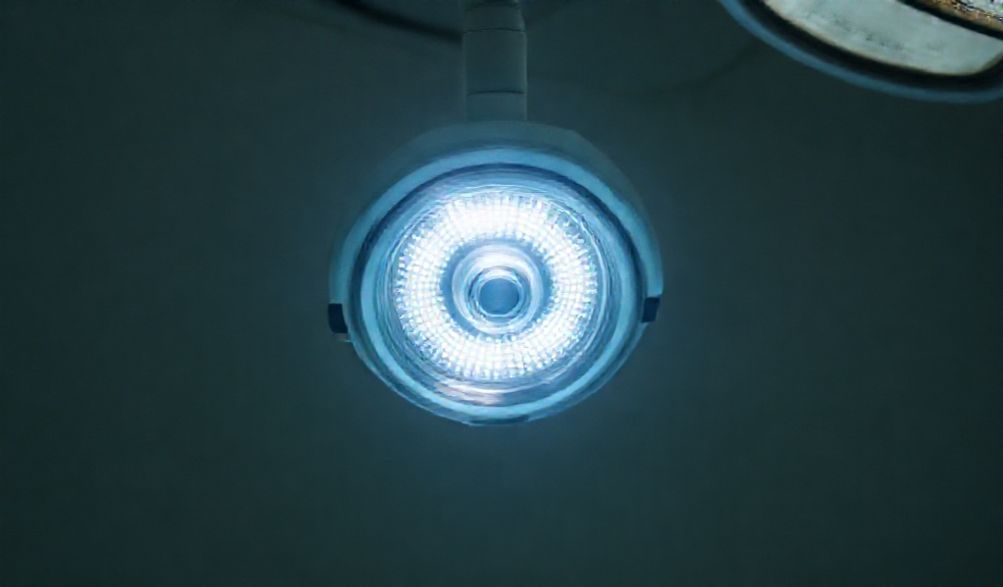
Illuminating Precision: The Ultimate Guide to Surgical Lights & Their Impact on Patient Outcomes
Introduction
Consider this: a study published in the Journal of the American College of Surgeons suggests that up to 30% of surgical errors can be attributed, in part, to inadequate visualization. In the high-stakes environment of the operating room, where a millimeter can mean the difference between success and complication, visibility is not a luxury—it is the foundation of safety and precision. This brings us to a piece of technology so fundamental it’s often taken for granted: the surgeon light.
A surgical light, or operating light, is far more than a simple lamp. It is a sophisticated, engineered system that serves as a fundamental pillar of modern surgical care. Its quality directly influences a surgeon’s ability to perform intricate tasks, impacts the rate of post-operative complications, and affects the long-term well-being of the surgical team. Choosing the right system is a critical decision that resonates through every procedure.
This guide is designed to be your definitive resource. We synthesize information from surgical instrument manuals, peer-reviewed studies on ergonomics and clinical outcomes, and the rigorous standards of biomedical engineering. Our goal is to move beyond marketing jargon and provide a trustworthy, evidence-based framework. By the end, you will have a clear understanding of the different types of surgeon lights, the key performance features that matter, practical selection criteria, and essential maintenance protocols. Whether you are a hospital administrator, a clinical engineer, or a practicing surgeon, this knowledge will empower you to make an informed decision that enhances patient safety and operational excellence.
Why Surgical Lighting is a Cornerstone of Modern Medicine
Beyond Illumination: The Link Between Light Quality and Surgical Success
The primary function of a surgeon light is to create an optimal visual field. But what constitutes “optimal”? It’s a precise combination of factors that work in concert to support the surgeon’s vision and cognitive processing.
- shadow reduction & Depth of Illumination: Unlike a single spotlight that creates harsh, obstructive shadows, modern surgical lights use multiple point sources and specialized reflectors to fill cavities with homogeneous light. This “shadow dilution” is crucial for seeing around instruments and into deep anatomical sites, such as during spinal or pelvic surgery. The ability to illuminate depth without hotspots or dark spots allows for better identification of tissue planes and critical structures like nerves and blood vessels.
- Color Rendering Index (CRI): This is arguably one of the most critical yet overlooked specifications. CRI measures a light’s ability to reveal the true colors of objects compared to natural light. In surgery, accurate color differentiation is vital. A high CRI (≥90, with 95+ being ideal) allows a surgeon to confidently distinguish between arterial blood (bright red) and venous blood (darker red), identify subtle tissue changes like ischemia (bluish pallor), and recognize bile or other fluids. Poor color rendering can lead to misinterpretation and error.
- Intensity & Adjustability: Sufficient illuminance, measured in lux, is necessary to see fine detail. However, more is not always better. Excessive, unadjustable brightness can cause glare and visual fatigue. The best systems offer a wide, dimmable range, allowing the intensity to be matched to the specific task—higher for microsurgical anastomosis, lower for wound closure.
Clinical evidence supports this focus on quality. Research has correlated optimal surgical lighting with reduced operative times, decreased rates of surgical site infections (due to better visualization for thorough cleaning and closure), and lower overall complication rates. The light is a silent partner in every successful outcome.
Ergonomics & Surgeon Well-being: Reducing Fatigue and Strain
The impact of the surgeon light extends beyond the patient to the surgical team. Long procedures under poor lighting are a significant source of occupational strain.
- Combating Visual Fatigue: Glare, flicker (virtually eliminated in modern LEDs), and poor color contrast force the surgeon’s eyes to constantly adjust. This leads to eye strain, headaches, and decreased concentration over time—a direct threat to procedural safety.
- Physical Strain and Positioning: A light that is difficult to position, has a small focal spot, or creates shadows may force the surgeon into awkward, static postures—craning the neck, hunching the back—to “chase” the light. Over a career, this contributes to a high incidence of musculoskeletal disorders among surgeons.
- Enhancing Depth Perception: Good surgical lighting enhances stereoscopic vision (depth perception). By providing even, shadow-reduced illumination with high color fidelity, it helps the brain accurately judge spatial relationships in a three-dimensional cavity, a key factor in delicate dissections.
Modern lights are designed with ergonomics as a core principle. Smooth, effortless maneuverability with intuitive controls allows the surgeon to position the perfect light field without breaking sterility or wasting time, reducing physical and cognitive load.
Anatomy of a Surgical Light: Key Features & Technologies
Core Performance Metrics: Lux, Color Temperature, and CRI
Understanding these technical terms is essential for evaluating any surgeon light.
- Illuminance (Lux): This measures the amount of light falling on a surface. For major surgery, a minimum of 40,000 to 160,000 lux at the center of the light field is typical. However, the value at the periphery and, more importantly, at depth (e.g., 20cm inside a cavity) is a more telling metric of real-world performance.
- Color Temperature (Kelvin, K): This describes the “warmth” or “coolness” of the light’s appearance. Surgical lights are typically in the 4000K to 5000K range, mimicking cool, neutral daylight. This temperature is chosen because it promotes alertness and provides good contrast. Many systems now offer adjustable color temperature, allowing surgeons to tailor the light to personal preference or specific tissue types.
- Color Rendering Index (CRI): As discussed, a CRI of 90 or above is the benchmark for surgery. Some manufacturers use an enhanced metric called the Tissue Illumination Index (TII) or a similar measure that specifically evaluates how well the light spectrum renders the colors of human tissue and blood.
Advanced Technology Breakdown: LED vs. Halogen
The shift from halogen to LED represents the most significant technological leap in surgical lighting in decades.
-
The LED Revolution:
- Energy Efficiency & Lifespan: LEDs consume up to 75% less energy than halogen bulbs and have a lifespan of 50,000-100,000 hours, compared to 1,000-2,000 hours for halogen. This drastically reduces energy costs and the labor and cost of frequent bulb replacements.
- Minimal Heat Output: Halogen lights emit substantial infrared (IR) radiation, which can dry out exposed tissues (desiccation) and cause thermal injury. LED systems produce almost no IR in the light beam, significantly enhancing patient safety.
- Instant On/Off & Dimming: LEDs reach full brightness instantly and dim smoothly without color shift, offering superior control.
-
Understanding Halogen: While largely superseded, halogen technology is still found in some older installations and specific, low-cost applications. Its warm light quality is sometimes cited as a preference, but its disadvantages—heat, short lifespan, and high operating costs—make it a legacy technology.
Design Innovations: Shadow Control & Beam Shape
The mechanical and optical design is what transforms a cluster of LEDs into a precision surgical tool.
- Shadow Control: This is achieved through multi-point source lighting. A single light head contains dozens of small LEDs arranged in a ring or matrix, each paired with a parabolic reflector. These reflectors are precisely angled so that if an object (like a surgeon’s head) blocks some light points, the others fill in from different angles, virtually eliminating the formation of a true, obstructive shadow.
- Beam Shape & Focus: High-end lights allow the surgeon to adjust the diameter of the light field and its “focus.” A large, diffuse field is ideal for open abdominal surgery, while a small, intense spot is needed for deep cavity or microsurgery. This adjustability ensures the right light for every phase of a procedure.
Navigating the Different Types of Surgical Lights
Ceiling-Mounted Surgical Lights: The OR Standard
These are the workhorses of the main operating theater, offering sterile maneuverability and powerful illumination.
- Single-Arm Lights: A single, articulated arm suspends one light head. They are cost-effective and suitable for smaller ORs or minor procedure rooms but offer less coverage and shadow control than multi-arm systems.
- Double-Arm Lights: The most common configuration in general ORs. Two independent arms, each with a light head, provide exceptional flexibility. The heads can be used together to create a large, homogeneous field or separately to illuminate different areas (e.g., the primary site and a graft site).
- Multi-Arm/Cluster Lights: Three or more arms and heads on a single ceiling mount. These are used in complex specialties like cardiac, transplant, or trauma surgery where multiple surgical fields or a very large area (e.g., full torso) needs simultaneous, shadow-free illumination.
Specialized & Supplementary Lighting Solutions
Beyond the main overhead light, other systems address specific needs.
- Headlights and Loupe Lights: For maximal, focused illumination directly in the surgeon’s line of sight. Essential for specialties like neurosurgery, otolaryngology, plastic surgery, and dentistry. Modern LED headlights are lightweight, powerful, and often battery-operated for complete freedom of movement.
- Examination Lights & Portable Surgical Lights: These are used in minor procedure rooms, emergency departments, labor & delivery suites, and veterinary clinics. They may be wall-mounted, on a rolling stand, or attached to a procedure cart. While not always as powerful as major OR lights, they provide critical, high-quality task lighting for suturing, exams, and minor surgeries.
How to Choose the Right Surgical Light: A Buyer’s Checklist
Assessing Your Clinical Needs & Procedure Mix
Start with a clinical audit. The “best” light is the one that best fits your specific work.
* Specialties: What procedures dominate? Cardiac/Thoracic requires deep cavity penetration. Orthopedic needs broad, bright fields for large incisions and bone work. Neurosurgery demands exceptional shadow control and often supplementary headlights.
* Procedure Depth: Evaluate the required “depth of illumination.” Ask for demonstration data showing lux levels at 20cm or 30cm deep, not just at the surface.
* OR Workflow: How many people need visual access to the field? Do you frequently need dual-field lighting?
Evaluating Safety, Sterility, and Compliance
A surgeon light is a medical device and must be treated as such.
* Certifications: Ensure the system complies with relevant international standards (e.g., IEC 60601-2-41 for surgical lights) and carries marks like the CE Mark or FDA clearance.
* Infection Control Design: The physical design must support easy and effective cleaning. Look for sealed surfaces, minimal seams and crevices, and materials compatible with harsh hospital-grade disinfectants. The handle design should allow for easy draping.
Total Cost of Ownership (TCO): Beyond the Purchase Price
The initial price tag is only part of the financial picture.
* Initial Investment: Includes the light, ceiling mount, and professional installation.
* Energy Consumption: Calculate the annual cost difference between LED and halogen. LED savings are substantial.
* Maintenance & Parts: Factor in the cost and frequency of bulb/LED module replacement. LED systems have a clear advantage. Also consider service contract costs.
* Durability & Warranty: A robust warranty (e.g., 5+ years on LED engines) protects your investment and predicts lower long-term repair costs.
Installation, Maintenance, and Best Practices
Professional Installation & Calibration is Non-Negotiable
A surgeon light is a complex, ceiling-suspended device. Installation must be performed by certified biomedical technicians or the manufacturer’s authorized team. They ensure the mount is securely attached to the building structure, the arms are balanced for smooth, drift-free movement, and the light output is calibrated to specification. Improper installation risks device failure and, in worst-case scenarios, physical injury.
Daily & Periodic Maintenance Protocols
- Daily/Pre-Procedure Checks: OR staff should perform a visual inspection (for cleanliness, damage), test the maneuverability of all arms and joints, and verify that all light heads turn on, off, and dim correctly.
- Cleaning: After every procedure, all touch surfaces—especially handles and control panels—must be disinfected according to the manufacturer’s instructions using approved agents that will not damage seals or finishes.
- Periodic Professional Maintenance: Follow the manufacturer’s schedule. A typical regimen involves a comprehensive inspection by a biomedical engineer at least annually. This includes checking electrical safety, mechanical integrity, torque on fasteners, filter cleaning/replacement (to manage heat), and verifying light output metrics (lux, CRI).
Troubleshooting Common Issues
- Dimming or Flickering Lights: Often indicates a failing power supply or LED driver. Do not attempt internal repairs.
- Erratic or Stiff Movement: Could be due to failing bearings, gas springs, or internal cables. Forcing it can cause further damage.
- Overheating: Check and clean air intake filters, which are often located on top of the light head.
The universal rule for troubleshooting: When in doubt, take the light out of service and contact certified biomedical support. Never compromise on electrical or mechanical safety.
FAQ Section
Q1: What is the most important feature to look for in a surgeon light?
A: While all features are integrated, excellent shadow reduction combined with high Color Rendering Index (CRI >90) is paramount for accurate tissue differentiation and surgeon accuracy. These two factors most directly impact the quality of visual information.
Q2: How long do modern LED surgical lights typically last?
A: High-quality LED surgical lights can have a lifespan of 50,000 to 100,000 hours, significantly outperforming traditional halogen bulbs (1,000-2,000 hours). This translates to over a decade of typical OR use before a significant drop in output, leading to major long-term savings on replacements and labor.
Q3: Can surgical lights be too bright? Do they cause heat damage to tissue?
A: Yes, excessive, unadjustable brightness can cause glare and surgeon fatigue. Modern lights offer wide, dimmable intensity ranges. Crucially, LED lights emit minimal infrared radiation compared to halogens, drastically reducing the risk of incidental tissue drying (desiccation) or thermal injury during long procedures.
Q4: Are there specific lights for different surgical specialties?
A: Absolutely. For example, neurosurgery and deep-cavity abdominal procedures require lights with exceptional depth penetration and small, focused beam capabilities. Maternity wards use lights with special, low-heat modes for newborn exams. Vascular surgery benefits immensely from high CRI. The key is to match the light’s technical specifications to the procedural requirements.
Q5: How often should surgical lights be serviced?
A: Always adhere to the manufacturer’s specific schedule. A common industry standard is a full professional inspection and preventive maintenance at least once a year by a qualified biomedical engineer. This is in addition to the daily visual and functional checks performed by the OR staff.
Conclusion
Selecting a surgeon light is one of the most impactful decisions for an operating room’s ecosystem. It is a direct investment in clinical quality, influencing surgical precision, patient safety, procedural efficiency, and the long-term health of the surgical team. As we’ve explored, this decision must be grounded in technical data, clinical evidence, and stringent compliance standards—not merely on upfront cost or basic specifications.
The journey to the right light involves careful analysis of your clinical needs, a clear-eyed evaluation of Total Cost of Ownership, and a commitment to proper maintenance. We strongly encourage you to consult with clinical engineers, gather feedback from experienced surgeons across specialties, and engage with reputable manufacturers. Request live demonstrations in a simulated or clinical setting; see the shadow control, test the color rendering on tissue models, and feel the ergonomics for yourself. The right surgical light is more than equipment; it is an investment in clarity, safety, and ultimately, in every patient’s outcome.
p>