
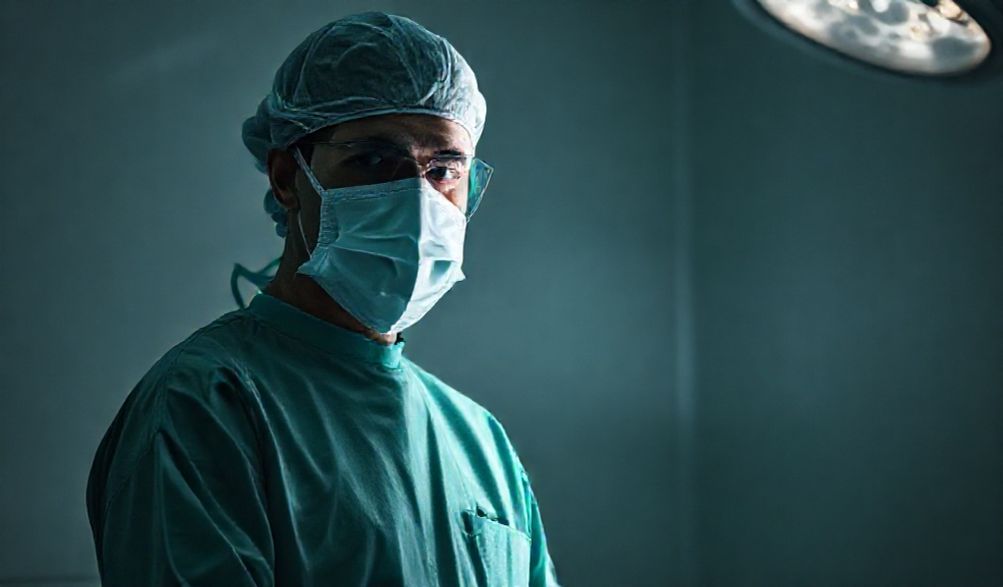
Illuminating Precision: The Ultimate Guide to Shadowless Surgeon Lights for Optimal Operating Room Visibility
Imagine a delicate cardiac procedure. The surgeon is meticulously dissecting tissue near a critical coronary artery. Their hand, holding a vital instrument, moves into the light path. In an older lighting system, a deep, obscuring shadow falls directly across the surgical site, momentarily concealing the precise anatomy. The surgeon hesitates, adjusts their angle, or worse, proceeds with reduced visual certainty. In that split second, the risk of a nick, a missed bleeder, or prolonged operative time increases. This scenario underscores the non-negotiable demand for flawless visualization in modern surgery, where lighting is not a utility but a foundational instrument for success.
This comprehensive guide is built on a foundation of engineering principles, clinical research, and surgical best practices. Whether you are a surgeon, an OR nurse, a clinical engineer, or a hospital administrator tasked with procurement, you are here seeking trustworthy, in-depth information to make a critical decision. We will demystify the technology behind the term “surgeon light no shadow,” explore the essential features that define high-performance systems, and provide a structured framework for selecting the optimal lighting solution for your specific surgical needs. The right illumination is a direct investment in precision, safety, and outcomes.
The Critical Role of Illumination in Modern Surgery
Surgical lighting has evolved far beyond simple room illumination. Today, it is a sophisticated, integrated system designed to become an extension of the surgeon’s senses, creating a visual environment where accuracy is maximized and fatigue is minimized.
Beyond Basic Lighting: Why Shadows are the Enemy
Shadows in the operative field are more than a mere nuisance; they are a direct threat to surgical precision and patient safety. Their impact is multifaceted:
- Eye Strain and Fatigue: The human eye must constantly adjust between bright and dark areas, leading to significant surgeon and assistant fatigue over long procedures. This cognitive load can reduce concentration and reaction time.
- Compromised Depth Perception: Shadows distort the three-dimensional understanding of tissue planes and anatomical structures. Accurate depth perception is crucial for dissecting the correct plane, avoiding vital structures, and achieving hemostasis.
- Obscured Critical Anatomy: A single dark shadow can hide a small blood vessel (a “bleeder”), a nerve, a duct, or a tumor margin. In specialties like neurosurgery, microsurgery, or oncology, missing such a detail can have profound consequences.
Research consistently links superior visualization to improved surgical outcomes, including reduced operative times, lower complication rates, and enhanced procedural accuracy. The primary goal of a modern surgical light is to eliminate these visual obstacles entirely.
Core Requirements of a Surgical Lighting System
To combat these challenges, an optimal surgical lighting system must deliver on several key technical parameters:
- Luminance: Often (and imprecisely) called brightness, luminance is the amount of light energy delivered to the surgical field, measured in lux. It must be high enough to illuminate deep cavities without causing glare or reflective “hot spots.”
- Homogeneity: This is the evenness of the light spread. A perfectly homogeneous light field has no bright center or dim edges, providing consistent illumination across the entire diameter. It is often expressed as a percentage (e.g., 90% homogeneity across a 20cm field).
- Color Rendering Index (CRI): A critical metric that measures a light source’s ability to reveal the true colors of objects compared to natural sunlight. A high CRI (≥90, with ≥95 being ideal) is essential for accurately distinguishing tissue types—differentiating between arterial blood and venous blood, identifying bile, or recognizing subtle changes in tissue health.
- Depth of Illumination: The light’s ability to maintain intensity and focus deep within a body cavity (e.g., during pelvic or cardiac surgery) without the surgeon having to constantly readjust the light head.
- Minimal Heat Emission: The light must deliver intense illumination without generating radiant heat that could dry out tissues or cause thermal injury to the patient.
The Science of Shadow Reduction: How “Shadowless” Lights Work
The term “shadowless” is a professional shorthand for lights engineered to radically minimize shadows. The technology is a sophisticated application of basic optical principles.
The Multi-Source Principle: Overcoming Obstructions
The fundamental concept is elegantly simple: a shadow is created when an object blocks a single point of light. If that object is illuminated from multiple points at different angles, the shadows cast by each individual source are filled in by the others. Modern surgical lights employ not two or three, but hundreds of individual light sources arranged in a specific matrix within the light head. When a surgeon’s hand or instrument enters the field, it blocks only a fraction of these sources. The remaining sources, hitting the area from surrounding angles, “fill in” the would-be shadow, rendering it faint, diffuse, or virtually imperceptible. This is the core mechanism behind achieving a surgeon light with no shadow.
Key Technologies in Practice
This multi-source principle is brought to life through advanced engineering:
- LED Arrays: Light Emitting Diodes have revolutionized surgical lighting. Their small size allows manufacturers to pack hundreds, even thousands, of individual LED chips into a single light head panel. This creates an exceptionally dense and configurable matrix of light sources, which is the hardware foundation for effective shadow reduction. LEDs are also cool, energy-efficient, and long-lasting.
- Reflector and Lens Systems: The LEDs alone are not enough. Sophisticated secondary optics—including precisely engineered reflectors and multi-faceted lenses—are placed over the LED array. These components blend the light from the individual chips into a single, seamless, and homogeneous beam. The quality of this optical system is what separates adequate lights from exceptional ones, determining the clarity, homogeneity, and depth of the final light field.
- Light Field Depth: Advanced systems use optical design to create a “deep focus” effect. Unlike a flashlight beam that diverges and weakens, these lights produce a columnated beam that maintains its intensity and diameter over a specified depth (e.g., 600mm to 1200mm), ensuring the surgical site is perfectly lit even at the base of a deep incision.
Essential Features of High-Performance Shadowless Surgical Lights
When evaluating a surgeon light no shadow system, look beyond marketing claims and assess these concrete features.
Optical Performance Metrics
- Lux & Light Field Diameter: Specifications will list a lux value at a certain distance over a given diameter (e.g., 160,000 lux at 1m over a 10cm field). Ensure the intensity is sufficient for your deepest procedures and that the field diameter is adaptable (often adjustable from a focused spot to a wide field).
- Color Rendering Index (CRI): Insist on a CRI of 90 or higher. For specialties like plastic surgery, oncology, or liver surgery, a CRI of 95+ is recommended for the most accurate tissue differentiation.
- Homogeneity: Request the homogeneity specification (e.g., “≥85% over a 20cm diameter at 1m”). A higher percentage means a more uniformly lit field with no distracting bright or dark zones.
Ergonomic and Functional Design
- Maneuverability: The light must be effortlessly positioned. Evaluate the reach and articulation of the suspension arms. The light head should be perfectly balanced, staying in place when released, even at extreme angles. Smooth, fluid movement is essential for maintaining a sterile field.
- Sterility: Look for sealed, cleanable surfaces that withstand harsh disinfectants. Touchless control systems (e.g., infrared or sterile-clad handles) prevent contamination. Sterilizable handles should be ergonomically designed for a secure, gloved grip.
- Safety: Redundant backup light modules ensure illumination never fails mid-procedure. The system must have electromagnetic compatibility (EMC) to not interfere with other OR equipment. Effective thermal management keeps the light head surface cool.
Integration and Smart Features
- Camera Integration: Dedicated ports and controls for integrating 4K or 3D surgical cameras are now standard, allowing for recording, streaming, and teaching without compromising light quality.
- Programmable Settings: Memory functions can store preferred light intensity, field size, and even color temperature settings for different procedures (e.g., a “cardiac” setting vs. a “superficial” setting), streamlining OR setup.
Choosing the Right System: A Procurement Checklist
Selecting a light is a strategic decision. Use this framework to guide your evaluation.
Assessing Surgical Specialty Needs
- Deep-Cavity Surgery (Cardiac, Pelvic, Bariatric): Prioritize lights with exceptional depth of illumination (≥1000mm), high intensity at depth, and often a smaller, more focused default field.
- Orthopedic/Trauma Surgery: Requires a very wide, homogeneous field to illuminate large anatomical areas like a full limb or the spine.
- Neurosurgery & Microsurgery: Demand the highest levels of homogeneity and shadow reduction, with intense, focused light for extreme detail. Co-observation for assistants is critical.
- General & Laparoscopic Surgery: Need versatile, wide-field lights with excellent color rendering for open procedures, plus seamless integration with endoscopic tower lighting.
Evaluating Total Cost of Ownership (TCO)
The sticker price is just the beginning. Calculate the TCO:
* Initial Cost: Purchase price of the light, arms, and control system.
* Energy Consumption: LED systems consume 50-70% less power than old halogen lights, leading to significant annual savings.
* Lamp/LED Lifespan: Quality LED modules last 50,000-100,000 hours (over a decade of typical use), eliminating the cost and hassle of frequent bulb replacements.
* Maintenance: LED systems have far lower maintenance costs. However, factor in periodic professional calibration and inspection.
Installation and Operational Considerations
- Infrastructure: Verify your OR ceiling can support the weight and track system. Assess room layout and workflow to determine the optimal number of lights and their placement.
- Training: Ensure the vendor provides comprehensive training for surgeons, nurses, and biomedical staff on operation, cleaning, and safety features.
- Warranty & Service: Scrutinize the warranty length (5+ years is standard for premium lights) and the responsiveness of the manufacturer’s local service network.
Addressing Common Concerns and Misconceptions
“Shadowless” vs. “Minimized Shadow”: Setting Realistic Expectations
It is vital to understand that no surgical light can create a perfectly shadow-free field in every conceivable scenario. If a large, opaque object completely fills the light field, some dimming will occur. The goal of a top-tier surgeon light no shadow system is radical shadow minimization—reducing the contrast and depth of a shadow to the point where it no longer obscures detail or causes visual fatigue. High-end lights achieve “shadow dilution” rates of over 95%.
LED Longevity and Color Stability Over Time
A common question is whether LEDs dim or shift color. High-quality medical-grade LEDs are designed for exceptional stability. While all LEDs experience very gradual lumen depreciation, premium systems are engineered to maintain over 70% of their initial output and a consistent CRI well beyond their rated lifespan (e.g., 50,000 hours). This is far superior to the rapid decay and color shift of halogen bulbs.
Balancing Intensity with Patient Safety
The intense light necessary for surgery must not harm the patient. Modern LED systems excel here. First, LEDs emit very little infrared radiation (heat) compared to halogen. Second, advanced heat sink designs and active cooling systems in the light head dissipate any generated heat away from the beam. Combined with the multi-source design that spreads energy across many points, the risk of tissue drying or thermal injury is exceedingly low when lights are used as intended.
FAQ Section
Q: What does “shadow reduction” typically mean in percentage terms for a quality light?
A: High-end surgical lights can achieve shadow dilution of over 95%, meaning a shadow cast by an instrument is almost completely filled in by surrounding light sources, leaving only a faint, non-obstructive penumbra.
Q: Are all LED surgical lights automatically good at reducing shadows?
A: No. The LED is simply the light source. Effective shadow reduction is primarily a function of the optical design—the number, arrangement, and focusing of the hundreds of individual LEDs combined with sophisticated reflector and lens systems. The quality of this engineering is paramount. A poorly designed LED light can still create significant shadows.
Q: How often do surgical lights need major maintenance or calibration?
A: Modern LED systems require minimal day-to-day maintenance. However, an annual professional inspection is recommended by most manufacturers. This check should include verifying mechanical balance and movement, calibrating light intensity and color temperature sensors, checking the integrity of seals for sterilization, and ensuring all safety systems are functional.
Q: Can older halogen or fluorescent surgical light systems be upgraded to shadowless LED?
A: Often, yes. Many manufacturers offer retrofit kits or complete LED head replacements designed to fit existing suspension arms and controls. This can be a cost-effective solution. A thorough analysis comparing the upgrade cost, warranty, and performance of the new LED head to the features of a brand-new, modern system is essential.
Q: Is there a significant difference in light for different surgical specialties?
A: Absolutely. While core principles apply, optimal configurations vary. Neurosurgery and deep-cavity surgery require lights with exceptional depth of illumination and smaller, more intense light fields. Orthopedic or trauma surgery benefits from very wide, homogeneous fields. Microsurgery demands the ultimate in homogeneity and shadow reduction. The best systems are adaptable to these diverse needs.
Conclusion
Selecting a surgeon light with no shadow capability is one of the most impactful technical decisions an operating room can make. It transcends simple equipment procurement; it is an investment in the fundamental tool of visualization that affects every procedure. The optimal choice is not merely the brightest light, but the system that masterfully combines superior homogeneous output, reliable and intelligent shadow reduction technology, robust ergonomics, and seamless integration into the surgical workflow.
This guide provides the framework for informed evaluation. We strongly encourage you to leverage this knowledge in consultations with clinical engineers, request live demonstrations in simulated or actual OR conditions, and review peer-reviewed evaluations of equipment. See the light in action, place your hands in the beam, and judge its performance for yourself. In the high-stakes environment of surgery, optimal illumination is non-negotiable—it is the bedrock of precision, safety, and excellence in patient care.
p>