
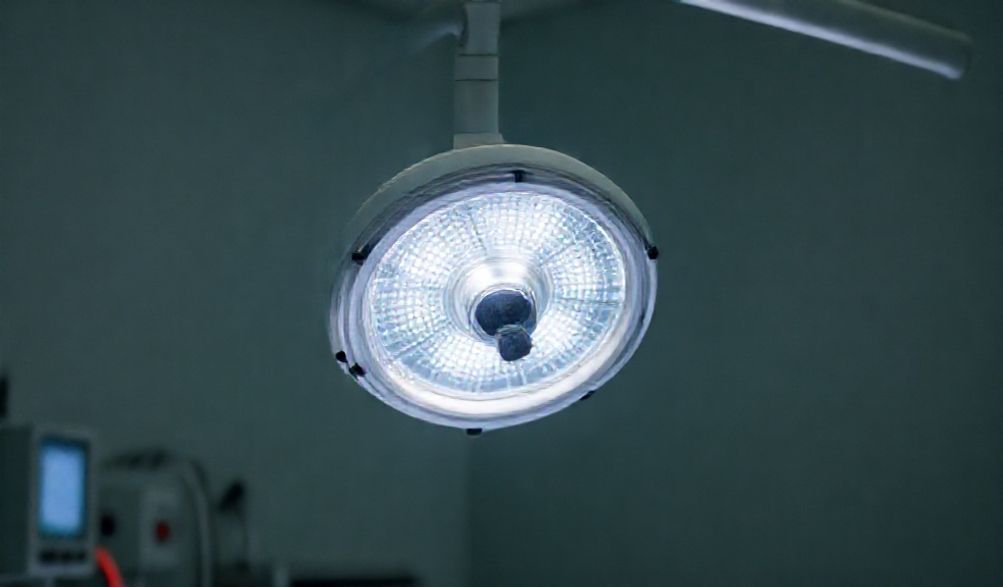
Surgery Lamps: A Comprehensive Guide to Types, Features, and Selection for Optimal Surgical Outcomes
Introduction
Imagine a cardiac surgeon attempting to suture a microscopic coronary artery or a neurosurgeon navigating the delicate structures of the brain. Now, imagine them doing it in dim, shadowy, or discolored light. The scenario underscores a fundamental truth in the operating room (OR): vision is the primary sense guiding surgical intervention. Studies consistently show that up to 90% of the information a surgeon processes during a procedure is visual. Poor illumination doesn’t just hinder—it directly compromises precision, prolongs operation time, and increases the risk of complications. The surgery lamp, therefore, is not a mere accessory; it is a critical, life-supporting instrument.
This guide is designed as a definitive, expert-driven resource for the medical professionals and administrators tasked with one of the OR’s most crucial decisions: selecting the right surgical lighting. Whether you are a surgeon advocating for better tools, a clinical engineer evaluating specifications, a hospital procurement officer managing budgets, or a medical student understanding OR dynamics, this article will illuminate the path. We will dissect the technology behind modern surgery lamps, break down the essential features that impact performance, provide a structured framework for selection, and outline best practices for maintenance, all with the singular goal of supporting optimal surgical outcomes.
The Critical Role of Surgical Lighting in Modern Medicine
Beyond simply “lighting up the room,” a high-performance surgery lamp fulfills a triad of critical functions: enabling precision, safeguarding the patient, and protecting the surgical team.
Impact on Surgical Precision and Patient Safety
The link between lighting quality and surgical success is direct and well-documented. A superior surgery lamp enhances visualization in three key ways:
- Shadow Reduction: Single-point light sources create deep, obscuring shadows from hands and instruments. Modern lamps use multiple LED modules or sophisticated reflector systems to produce overlapping light fields. This “shadow dilution” ensures the surgical site is illuminated from multiple angles, virtually eliminating disruptive shadows and revealing anatomical details in the wound cavity.
- True Color Rendering: Differentiating between arterial blood, venous blood, fatty tissue, and a nerve sheath relies on subtle color variations. The Color Rendering Index (CRI) measures a light’s ability to reveal true colors. A surgery lamp with a CRI >90 (where 100 is sunlight) is essential for accurate tissue identification, which is critical for tasks like controlling bleeding or avoiding unintended damage.
- Adjustable Intensity and Depth of Field: A shallow cavity requires different light than a deep abdominal or pelvic procedure. The best surgery lamps provide intense, focused illumination (often exceeding 160,000 lux at the center) that can penetrate deep into the body while maintaining a wide, even field at the surface. This “depth of field” ensures consistent visualization regardless of how far the surgeon is working inside the incision.
Research in journals like Surgical Endoscopy and The American Journal of Surgery has correlated improved lighting with reduced error rates, shorter procedure times, and enhanced patient safety profiles.
Reducing Surgeon Fatigue and Enhancing Ergonomics
An often-overlooked aspect of the surgery lamp is its impact on the surgical team’s well-being. Poor lighting—characterized by glare, uneven fields, or incorrect color temperature—forces the eye’s muscles to constantly adjust, leading to significant eye strain and headaches. Over a long, complex case, this visual fatigue can degrade concentration and performance.
Furthermore, a poorly balanced or hard-to-position lamp forces surgeons and assistants into awkward postures as they crane to see into the wound. Modern lamps are engineering marvels of ergonomics. They feature effortless, counterbalanced maneuverability that allows for single-finger repositioning without drift. This reduces musculoskeletal strain, contributing to a healthier OR environment and helping to extend a surgeon’s career longevity.
Understanding Surgery Lamp Technology and Types
The evolution from simple incandescent bulbs to today’s advanced systems represents a quantum leap in OR technology. Understanding the core technologies and configurations is the first step in making an informed choice.
LED vs. Halogen: A Technology Comparison
The dominant battle in surgical lighting has been decisively won by Light Emitting Diode (LED) technology, though halogen systems are still in use.
-
LED Surgery Lamps: The Modern Standard
- Advantages: LEDs are cool-running, emitting minimal infrared radiation. This dramatically reduces the “hot spot” over the surgical field, improving patient safety and surgeon comfort. They are highly energy-efficient, consuming up to 80% less power than halogen. Their most significant advantage is lifespan—typically 50,000 to 100,000 hours—which translates to over a decade of use without a bulb change, minimizing maintenance and downtime. They also offer exceptional control over color temperature (often adjustable between 3000K-5000K).
- Disadvantages: Higher initial purchase cost.
-
Halogen Surgery Lamps: The Traditional Choice
- Advantages: Lower upfront cost, and a light spectrum some surgeons historically preferred for its warmth.
- Disadvantages: They operate at extremely high temperatures, posing a burn risk and increasing OR cooling loads. Halogen bulbs have a short lifespan (1,000-2,000 hours), leading to frequent, costly replacements and potential mid-procedure failures. They are inefficient and offer less control over light quality.
| Feature | LED Surgery Lamp | Halogen Surgery Lamp |
| :— | :— | :— |
| Lifespan | 50,000 – 100,000 hours | 1,000 – 2,000 hours |
| Energy Use | Very Low (Highly Efficient) | High |
| Heat Emission | Minimal (Cool Light) | Very High (Significant IR Radiation) |
| Color Temp Control | Excellent (Often Adjustable) | Limited |
| Long-Term Cost | Lower (Minimal Maintenance) | Higher (Bulb & Energy Costs) |
Common Configurations and Mounting Systems
Surgery lamps come in various forms to suit different OR layouts and surgical needs.
- Single vs. Multi-Field Lamps: A single-field lamp provides one focused beam of light, ideal for deep-cavity work where maximum intensity and depth of field are needed (e.g., cardiac, pelvic surgery). A multi-field lamp (e.g., with 3, 4, or 5 LED modules) creates overlapping fields from slightly different angles. This is superior for shadow reduction and broad-area coverage, making it excellent for general, orthopedic, or trauma surgery. Many high-end systems now combine both, allowing the surgeon to switch between a unified single spot and multiple independent fields.
- Mounting Types:
- Ceiling-Mounted: The most common and space-efficient. Can be on a fixed arm or a track system that allows the lamp to be shared between adjacent ORs.
- Wall-Mounted: Used in smaller rooms or where ceiling infrastructure is limited.
- Mobile Floor Stands: Offer ultimate flexibility for minor procedure rooms, outpatient centers, or as supplementary lighting.
- Hybrid OR Integration: Specialty lamps are designed to work seamlessly with advanced imaging systems like fixed C-arms for angiography, often with enhanced articulation and reduced magnetic interference.
Key Features to Evaluate When Choosing a Surgery Lamp
Navigating product specifications requires knowing which metrics truly matter. Here are the non-negotiable features to scrutinize.
Illumination Quality Metrics
These are the quantitative measures of the light itself.
- Lux / Illuminance: This measures light intensity at the surgical field. General surgery requires a minimum of 40,000-50,000 lux, while highly specialized procedures like neurosurgery or microsurgery demand 100,000 lux or more. Ensure the lamp delivers the required intensity not just at the center, but consistently across the entire illuminated diameter (e.g., at 1m distance).
- Color Rendering Index (CRI): As mentioned, a CRI of ≥90 is the benchmark for accurate tissue differentiation. Some premium lamps now exceed CRI 95.
- Shadow Dilution: Look for specifications on how the lamp achieves this—through multiple light heads, concentric reflector rings, or prismatic lenses. The goal is a uniform field with no central “hole” or pronounced peripheral fall-off.
- Depth of Field: This indicates how well the light maintains focus and intensity as you move deeper into a cavity. It’s a function of optical design and is crucial for deep abdominal or thoracic procedures.
Sterility and Infection Control Design
The surgery lamp is a frequent point of contact in the sterile field. Its design must support aseptic protocol.
- Handles: The standard is a removable, single-use sterile handle cover. The handle receptacle should be designed for easy, secure attachment without compromising sterility.
- Surface Design: The entire lamp head should have a smooth, seamless, and non-porous surface (often anodized aluminum or high-grade polymer) that can withstand repeated cleaning with harsh hospital-grade disinfectants without degrading.
- Cleanability: There should be no cracks, crevices, or difficult-to-reach areas where blood or contaminants could accumulate and form biofilms.
Maneuverability and Safety
A lamp must be both easy to use and inherently safe.
- Balance and Articulation: The arm system should be perfectly counterbalanced, allowing effortless positioning that stays put until moved. It should have a wide range of motion to cover any patient position or surgeon stance.
- Safety Features: Look for mechanical or electronic positioning locks. For LED systems, a critical feature is redundancy—if one LED module fails, the others should remain fully operational with no dark spots. Emergency battery backup to maintain light during a power outage is a vital safety addition.
A Step-by-Step Guide to Selecting the Right Surgery Lamp
Moving from theory to practice requires a structured evaluation process.
Step 1: Assessing Your Surgical Department’s Needs
Begin with an internal audit. Ask:
* Specialties: What types of surgery are performed most frequently? (e.g., Laparoscopic, Orthopedic, Neurosurgery, Cardiac)
* Procedure Profile: What is the mix of deep-cavity vs. superficial procedures?
* OR Layout: What are the room dimensions, ceiling height, and infrastructure? Is there a need for track systems or hybrid OR compatibility?
* User Feedback: Interview surgeons and nurses about pain points with current lighting.
Step 2: Budgeting: Initial Cost vs. Total Cost of Ownership (TCO)
Do not focus solely on the purchase price. Calculate the TCO over a 7-10 year period:
* Initial Cost: Purchase price of the lamp and installation.
* Operational Cost: Energy consumption (LEDs save significantly here).
* Maintenance Cost: Bulb replacement costs (negligible for LEDs), service contracts, and parts. The reliability and long lifespan of LEDs often make them more economical in the long run despite a higher sticker price.
Step 3: Compliance and Certification Checklist
This is non-negotiable for patient and staff safety. Any surgery lamp must carry relevant medical device certifications:
* ISO 80601-2-41: The specific international safety and performance standard for surgical luminaires.
* Regional Approvals: FDA 510(k) clearance in the USA, CE Marking in Europe, etc.
* Electrical Safety: UL 60601-1 or equivalent.
Always verify certifications directly and ensure they are current.
Installation, Maintenance, and Best Practices
A world-class surgery lamp can be undermined by poor installation or neglect.
Professional Installation and Calibration
Installation is not a DIY task. It must be performed by the manufacturer’s certified technicians or highly qualified biomedical engineers. Proper installation ensures:
* Correct electrical and mechanical mounting for safety.
* Optimal calibration of balance and focus.
* Validation of performance metrics (lux, field diameter).
Routine Cleaning and Disinfection Protocols
Follow the manufacturer’s Instructions for Use (IFU) strictly, which should align with your hospital’s infection control policies. Typically, this involves daily and post-procedure wiping with approved disinfectants. Pay special attention to handles and frequently touched surfaces.
Scheduled Inspection and Servicing
Implement a preventive maintenance schedule:
* Daily/Pre-Use: Check for smooth movement, secure handles, and clean surfaces.
* Monthly/Quarterly: Inspect arms for wear, verify balance, and check for any flickering or dimming of light.
* Annually: A full performance check by a qualified technician, including verification of illuminance levels and electrical safety testing.
FAQ Section
Q: What is the typical lifespan of an LED surgery lamp?
A: High-quality LED modules are rated for 50,000 to 100,000 hours of operation. In a busy OR used 10 hours a day, this translates to 13-27 years before significant light degradation, with no bulb changes needed.
Q: Can surgery lamps be customized for specific procedures?
A: Absolutely. Many offer optional light filters (e.g., yellow/amber filters to reduce glare from jaundiced tissue, blue/green filters to enhance vascular contrast). Camera and video attachment points are also common for documentation and teaching.
Q: How important is the warranty and service agreement?
A: Critical. A comprehensive warranty (often 3-5 years on parts and labor) and access to a responsive, local service network are essential. OR downtime is extremely costly; ensure your vendor can provide prompt technical support.
Q: What are the emerging trends in surgical lighting?
A: The future points toward integration and intelligence. This includes lamps that automatically interface with overhead imaging monitors, systems with ambient light sensors that auto-adjust intensity, and the beginning of AI-driven lighting that can suggest optimal settings based on the procedure phase. Touchless, voice-activated, or gesture-based controls for enhanced sterility are also in development.
Conclusion
Selecting a surgery lamp is a strategic investment in clinical excellence, team welfare, and operational efficiency. It is a decision that reverberates through every procedure performed under its light. By understanding the core technology, prioritizing features that impact visualization and safety, and following a disciplined selection process, healthcare institutions can equip their ORs with a tool that truly illuminates the path to better patient outcomes.
We reinforce that this guide serves as an educational foundation. The final decision should be made in consultation with a multidisciplinary team: the surgeons who will use it daily, the clinical engineers who will maintain it, and the procurement specialists who will manage the investment. We encourage you to engage with reputable manufacturers, request live demonstrations in a simulated OR setting, and review clinical evidence and case studies. The right light not only reveals anatomy—it reveals a commitment to the highest standards of surgical care.
p>