
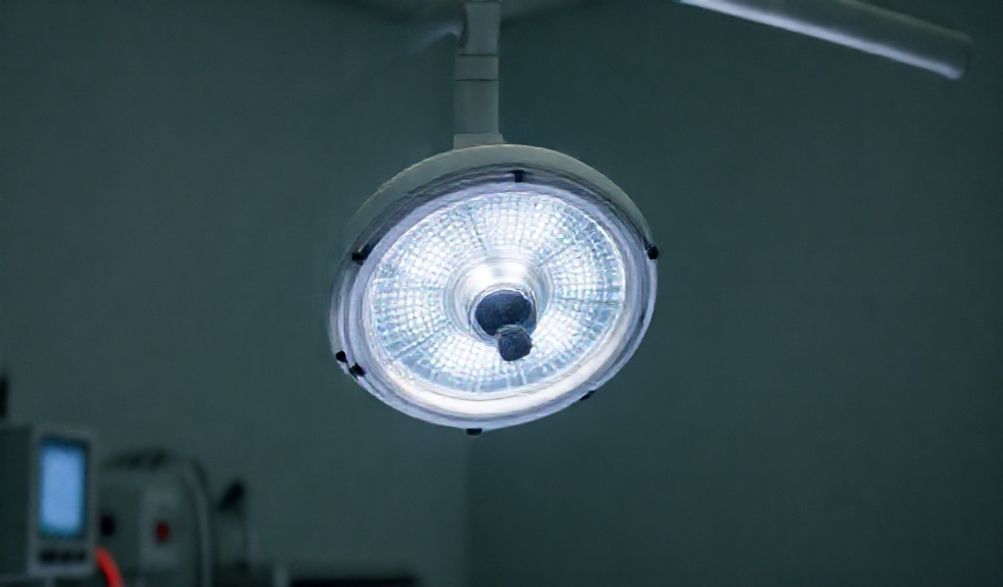
Surgery Lamps: The Complete Guide to Types, Features, and Selection for Optimal Illumination
In the high-stakes environment of an operating theater, every detail matters. Yet, one of the most fundamental—and often overlooked—elements is the quality of light. Consider this: studies have shown that inadequate surgical lighting can contribute to increased error rates, prolonged procedure times, and heightened surgeon fatigue. In a field where millimeter precision can define success, the surgical lamp is not just a piece of equipment; it is an extension of the surgeon’s vision and a critical pillar of patient safety.
For surgeons, clinical directors, and healthcare procurement teams, selecting the right surgery lamp is a complex, high-value decision. It requires balancing cutting-edge technology with clinical practicality, stringent budgets, and the diverse needs of various surgical specialties. With a market offering everything from traditional halogen systems to advanced LED arrays, navigating the specifications and claims can be daunting.
This guide is designed to cut through the complexity. Synthesizing insights from clinical environments, technical procurement specifications, and manufacturer data, we provide a comprehensive, authoritative resource. Our information aligns with key industry standards from bodies like the International Electrotechnical Commission (IEC) and the Association for the Advancement of Medical Instrumentation (AAMI). Our goal is trustworthiness: to deliver balanced, factual information that empowers you to make a confident, informed investment in a technology that directly impacts surgical outcomes and operational efficiency.
Let’s illuminate the path to choosing the optimal surgery lamp for your operating theater.
Why Surgical Lighting is Critical: Beyond Basic Illumination
Surgical lighting transcends simple brightness. It is a sophisticated tool engineered to create a visual environment where human anatomy is revealed with clarity, depth, and true color, enabling precision and minimizing risk.
Impact on Surgical Precision and Patient Safety
The core mission of a surgery lamp is to render the surgical site in a way that mimics natural daylight as closely as possible, but with enhanced control. Key aspects include:
- Depth of Field & shadow reduction: Unlike a standard spotlight, a high-quality surgical light provides a deep, homogeneous field of illumination. This means the light remains intense and uniform even as the surgeon’s hands or instruments enter the cavity, minimizing distracting shadows. Advanced systems use multiple light sources from slightly different angles (shadow dilution) to fill in these shadows, ensuring the target area is never obscured.
- Tissue Differentiation: Accurately distinguishing between arteries, veins, nerves, and different tissue types is paramount. This relies on the light’s ability to render color faithfully. Poor lighting can make tissues appear monochromatic, increasing the risk of inadvertent injury.
- Reducing Surgeon Fatigue: Eye strain and visual fatigue are real concerns during lengthy procedures. A lamp that produces glare, has a uneven light field, or causes color distortion forces the surgeon’s eyes to constantly adjust. Optimal lighting reduces this cognitive load, helping to maintain peak concentration and manual dexterity throughout the surgery.
Key Performance Metrics of a Quality Surgery Lamp
To evaluate a lamp objectively, you must understand its technical specifications:
- Illuminance (measured in Lux): This is the amount of light falling on the surgical field. While extremely high lux values (e.g., 160,000 lux) are often advertised, what matters more is usable lux—the intense, homogeneous light at a typical working distance (e.g., 100,000 lux at 1 meter). The light should remain strong even when dimmed for specific procedural phases.
- Color Rendering Index (CRI): Arguably the most critical metric after intensity, CRI measures a light source’s ability to reveal the true colors of objects compared to natural sunlight (which has a CRI of 100). For surgery, a CRI of 90 or above is essential. A high CRI ensures blood appears red, bile appears green, and tissues show their natural hues, allowing for accurate diagnosis and dissection.
- Light Field Diameter & Depth: The light field is the illuminated area. A good system allows adjustment of the spot size (from a focused small circle to a wide field). More importantly, it should maintain intensity and homogeneity across a significant depth (e.g., 15-25 cm), so the light doesn’t “wash out” as the surgeon works deeper in a cavity.
Types of Surgery Lamps: Technology and Applications
The core technology inside the lamp head defines its performance, efficiency, and long-term cost. Today, the market is dominated by two main types, with a clear trend toward one.
LED Surgery Lamps: The Modern Standard
Light Emitting Diode (LED) technology has revolutionized surgical lighting and is now considered the benchmark for new installations.
- Advantages:
- Energy Efficiency & Cool Operation: LEDs convert most energy into light, not heat. This drastically reduces thermal radiation onto the surgical site, enhancing patient safety and surgeon comfort.
- Exceptional Lifespan: LED modules typically last 40,000 to 60,000 hours, compared to a few thousand for halogen bulbs. This translates to a decade or more of use without a bulb change, minimizing downtime and maintenance costs.
- Superior Optical Performance: Modern LED systems consistently achieve CRIs above 95, offering exceptional color fidelity. They also allow for precise control of color temperature (e.g., shifting from a warm 4000K for general surgery to a cooler 5000K for neurosurgery).
- Considerations: The initial purchase price for a high-end LED system can be higher than halogen. It’s also crucial to select reputable brands, as the quality of the LED diodes and the heat-sink design can vary, affecting longevity and color stability.
Halogen Surgery Lamps: Traditional Reliability
Halogen lights were the workhorse of operating rooms for decades and are still found in many facilities.
- Advantages: They produce a warm, continuous light spectrum that is generally pleasing to the eye and have a lower upfront acquisition cost.
- Disadvantages: The significant drawbacks are driving their phase-out: they emit substantial infrared radiation (heat), which can dry out tissues and discomfort the surgical team. Halogen bulbs have a short lifespan (1,000-2,000 hours), leading to frequent, costly replacements and OR downtime. They are also far less energy-efficient.
Specialized Lighting Systems
Beyond the light source, the form factor is chosen based on the operating room’s design and surgical needs.
- Ceiling-Mounted: The most common and versatile. Single or dual lamp heads are mounted on a ceiling track or fixed boom, providing wide coverage and unobstructed floor space.
- Wall-Mounted or Column-Mounted: Ideal for smaller ORs, hybrid rooms, or where ceiling infrastructure is limited. They offer good maneuverability but have a more limited range of motion.
- Portable/Stand-Mounted: Mobile units on wheels used for minor procedures, emergency situations, or in multi-purpose rooms. They offer flexibility but have less power and coverage than major systems.
- Specialty Lights: These include high-intensity neurosurgery lamps with very deep field penetration, dental lights with compact, focused heads, and endoscopic light sources that provide illumination internally via a fiberoptic cable.
Essential Features to Evaluate When Choosing a Surgery Lamp
Once you’ve chosen the technology, these features determine how well the lamp will perform in daily use.
Optical Performance and Control
- Adjustable Intensity & Spot Size: Smooth, stepless dimming from 10% to 100% intensity is vital. The ability to adjust the diameter of the light field allows the surgeon to focus illumination precisely where needed.
- Homogeneous Light Field: The core beam should be free of rings, streaks, or hotspots, creating a uniform “pool” of light. Ask for demonstration data showing light distribution maps.
- Color Temperature Control: Some advanced LED systems allow surgeons to toggle between color temperatures to enhance contrast for specific tissues (e.g., cooler light for better visualization of red structures).
Ergonomic Design and Maneuverability
A lamp must be easy to position and keep sterile.
* Reach and Articulation: The arms should have a wide range of motion (typically 5+ joints) to position the light head anywhere over the surgical table without “droop” or drift. Counterbalanced arms allow for smooth, effortless movement with a single touch.
* Ease of Sterilization: All surfaces, especially the handle, must be designed for easy wiping with hospital-grade disinfectants. Seamless designs prevent the accumulation of contaminants.
* Touchless Control: Options like sterile voice control, foot pedals, or handles with integrated infrared sensors allow the surgeon to adjust settings without breaking sterility.
Safety, Sterility, and Compliance
- Heat Management: Even LED lamps generate some heat. Look for effective passive or active cooling systems that direct heat away from the lamp head and the surgical field.
- Sealed Optical Assembly: The lamp head should be completely sealed to prevent dust, fluids, or surgical smoke from entering and contaminating the internal optics or electronics.
- Regulatory Compliance: The device must carry the necessary medical device approvals for your region (e.g., FDA 510(k) in the USA, CE Mark in Europe). Compliance with the specific standard IEC 60601-2-41 for surgical luminaires is a key indicator of safety and performance validation.
The Procurement Checklist: How to Select the Right Lamp
Turning features into a decision requires a structured evaluation of your specific context.
Assessing Your Clinical and Facility Needs
Start with a clinical assessment:
* Procedure Types: What specialties use the OR? Cardiac and neurosurgery demand maximum depth and intensity. Pediatric or plastic surgery may prioritize exceptional color rendering.
* OR Layout and Size: Measure ceiling height, table position, and potential obstructions. Determine the required reach and whether a single light or a dual-head system is needed for multi-disciplinary use.
* Surgeon Preferences: Involve the end-users. Demo different systems and gather feedback on light quality, handle feel, and control preferences.
Budgeting: Total Cost of Ownership (TCO) Analysis
Look beyond the sticker price. A cheaper halogen lamp can cost far more over 5 years.
* Purchase Price: The cost of the lamp, installation, and any structural upgrades.
* Operating Costs: Calculate energy consumption (LEDs use ~50% less power than halogens).
* Maintenance Costs: Include the price and labor for bulb/LED module replacements. Factor in the cost of OR downtime for these changes. LED’s long lifespan offers massive savings here.
* Service Contracts: Consider the annual cost of a preventative maintenance contract.
Vendor and Service Considerations
The manufacturer and dealer are part of the product.
* Warranty: Look for comprehensive warranties covering parts, labor, and the light engine (often 3-5 years for LEDs).
* Service Network: Is there a certified, responsive service team available in your area? What is the average response time for repairs?
* Training and Support: Will the vendor provide thorough training for surgeons and biomedical staff on operation, cleaning, and safety checks?
Installation, Maintenance, and Best Practices
A perfect lamp underperforms if poorly installed or maintained.
Proper Installation for Optimal Performance
- Structural Assessment: Verify the ceiling can support the weight, especially for large dual-head systems on a track.
- Positioning: The primary lamp should be centered over the main surgical site. Secondary lamps are positioned for optimal shadow reduction. Ensure full, unobstructed travel over the entire table area.
- Integration: Coordinate with other OR systems (booms, imaging equipment, HVAC) to avoid conflicts.
Routine Maintenance and Cleaning Protocols
- Daily: Wipe down all external surfaces, especially handles, with approved disinfectant. Perform a functional check of movement, intensity control, and emergency battery backup (if equipped).
- Periodic: Follow the manufacturer’s schedule for deep cleaning of the lamp head’s exterior and inspection of the optical glass. Check arm tension and balance.
- Lifecycle Management: Track usage hours for halogen bulbs to preemptively schedule replacements. For LEDs, monitor for any gradual decline in output or color shift.
Troubleshooting Common Issues
- Flickering/Reduced Intensity: Often a sign of a failing bulb (halogen) or power supply issue. Check connections and power source.
- Stiff Movement or Drift: May indicate worn bearings or a need for re-balancing of the arms. Requires a service technician.
- Calibration Drift: If the light field becomes uneven or color temperature seems off, the system may need professional recalibration.
Frequently Asked Questions (FAQ) About Surgery Lamps
Q1: What is the typical lifespan of an LED surgery lamp compared to a halogen one?
A: LED lamp modules typically last 40,000-60,000 hours of operation. In contrast, halogen bulbs last between 1,000 and 2,000 hours. This means an LED light may operate for over a decade without a major component change, while a halogen bulb may need replacing multiple times per year, making LEDs vastly more cost-effective in the long run.
Q2: How often should a surgical light be serviced or calibrated?
A: Always adhere to the manufacturer’s recommended service interval, which is typically annually. This professional service includes checking electrical safety, mechanical function, and optical calibration. Additionally, clinical staff should perform a basic functional check (movement, intensity, battery) as part of daily OR setup.
Q3: Can surgery lamps be customized for different surgical specialties?
A: Absolutely. Many systems offer modularity. You can get light heads optimized for depth (neurosurgery/cardiac), add sterile handles of different shapes, or attach camera/video systems. Some allow for clip-on filters, such as yellow filters to reduce the visual impact of jaundice during liver surgery.
Q4: What does the Color Rendering Index (CRI) mean, and what is a good score for surgery?
A: The Color Rendering Index (CRI) is a scale from 0 to 100 that measures a light source’s ability to reveal the true colors of objects compared to a natural reference light. A higher CRI means colors look more accurate and vivid. For surgical applications, where differentiating between tissue types is critical, a CRI of 90 or above is the recommended minimum, with many premium LED systems offering a CRI of 95+.
Q5: Are there specific safety standards for surgical lighting?
A: Yes. The most important international standard is IEC 60601-2-41, which outlines particular requirements for the basic safety and essential performance of surgical luminaires and operating theatre lights. Compliance with this standard, along with general medical electrical equipment standards (IEC 60601-1) and your local national regulations (like UL in the USA), is mandatory for market approval and ensures the device meets stringent safety and performance benchmarks.
Conclusion
Selecting a surgery lamp is a strategic decision that extends far beyond a simple procurement task. It is an investment in surgical precision, staff well-being, and, most importantly, patient safety. The ideal choice balances advanced optical performance—high illuminance, exceptional color rendering, and deep, homogeneous fields—with practical ergonomics, robust safety features, and a favorable total cost of ownership.
As we’ve outlined, making this informed decision relies on trusted, expert information. It requires a clear understanding of your clinical needs, a critical evaluation of technology (with a strong preference for modern LED systems), and a partnership with a reputable vendor who offers reliable service and support.
Ready to illuminate your path forward? To turn this knowledge into action, we recommend you:
1. Consult directly with your surgical teams to document their specific needs and preferences.
2. Schedule live demonstrations with certified vendors to see and feel the difference in light quality and handling.
3. Engage your clinical engineering or facilities team to assess installation requirements and lifecycle costs.
By taking these steps, you ensure your operating theater is equipped with a lighting system that not only meets today’s demands but also serves as a foundation for excellence in surgical care for years to come.
p>