
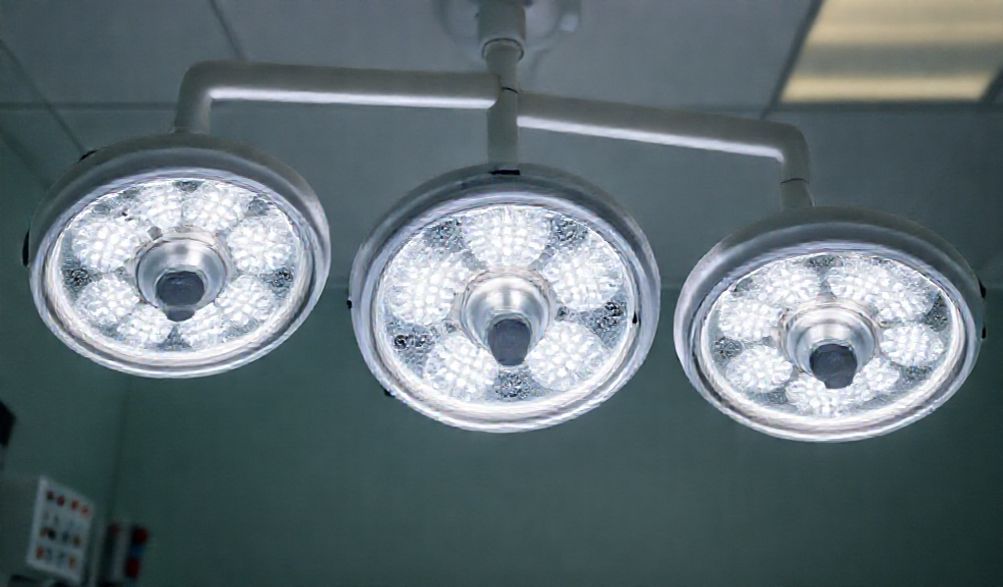
Your Complete Guide to Buying Surgery Lights for Sale: Quality, Safety, and Value
In the high-stakes environment of an operating room, a surgeon’s skill, training, and judgment are paramount. Yet, all these critical elements hinge on one fundamental factor: visibility. surgical lighting is not a passive piece of room furniture; it is an active, precision instrument that directly impacts procedural accuracy, surgical team fatigue, and, ultimately, patient outcomes. A dim, shadow-filled, or color-distorted field can turn a routine procedure into a challenging ordeal. If you’re reading this, you likely understand that investing in the right surgical lighting is investing in the core efficacy of your surgical services.
With over [Number] years in the medical equipment sector, our team has guided countless hospitals, ambulatory surgery centers, and specialized clinics through the complex process of sourcing and integrating reliable surgical technology. We understand that whether you’re a procurement officer managing budgets, a facility manager overseeing upgrades, or a surgeon advocating for better tools, you need clear, trustworthy information. Your goal isn’t just to find “surgery lights for sale”—it’s to make an informed, cost-effective, and safe purchase that will serve your team and patients for years to come.
This comprehensive guide is designed to cut through the technical jargon and sales hype. We will walk you through the essential features, critical safety considerations, and practical purchasing pathways for surgical lights. Our aim is to empower you with the knowledge to select equipment that meets stringent medical standards, enhances your surgical workflow, and delivers undeniable long-term value.
Understanding Surgical Lighting: More Than Just a Bright Light
To make a smart purchase, it’s crucial to move beyond thinking of a surgical light as simply a “very bright lamp.” Modern surgical illumination is a sophisticated fusion of optics, ergonomics, and sterile design. Understanding the core science behind it is the first step in evaluating your options.
Core Principles: Illumination, Shadow Control, and Color Rendering
Three fundamental principles define high-quality surgical lighting:
- Illumination (Intensity & Depth): Measured in lux or lumens, this is the amount of light that reaches the surgical site. However, raw brightness isn’t enough. Depth of illumination is critical—the light must penetrate deep cavities (like in abdominal or pelvic surgery) without a significant drop in intensity. A key spec to look for is the field diameter at a certain working distance (e.g., 200mm), which tells you the size of the well-lit area.
- Shadow Control: A single light source creates harsh, obstructive shadows. Premium surgical lights use a multi-LED or multi-reflector design to create what’s called “shadow dilution.” Light emanates from multiple points, so when a surgeon’s head or hand obstructs one point, the others fill in the gap, dramatically reducing problematic shadows.
- Color Rendering Index (CRI): This is arguably one of the most important yet overlooked specs. CRI measures a light source’s ability to reveal the true colors of objects compared to natural light. In surgery, accurate color differentiation between tissue types, arterial blood, venous blood, and subtle signs of pathology is vital. A CRI of >90 (with >95 being ideal) is the standard for ensuring tissues look natural, aiding in precise dissection and decision-making.
Types of Surgical Lights: Matching the Light to the Procedure
Not all operating rooms require the same lighting solution. The right choice depends on the surgical specialty and room function.
Ceiling-Mounted Major Surgery Lights
These are the workhorses of main operating rooms for deep-cavity and complex procedures (e.g., cardiac, neurosurgery, major orthopedic, and general surgery). They typically feature large diameters (up to 800mm or more), extremely high intensity and depth of illumination, and sophisticated multi-arm designs for exceptional positioning flexibility. They are designed to be the primary, uncompromising light source for critical operations.
Ceiling-Mounted Minor Procedure Lights
Ideal for outpatient surgery centers, endoscopy suites, labor & delivery, and minor procedure rooms. They are generally smaller, lighter, and often more cost-effective than major surgery lights. While still offering excellent shadow reduction and color rendering, they are optimized for surface-level or less deep-cavity work, providing superb lighting for procedures like cataract surgery, biopsies, or suturing.
Wall-Mounted & Mobile Stand Lights
These solutions offer ultimate flexibility. Wall-mounted lights save ceiling space and are perfect for emergency rooms, triage areas, or small treatment rooms. Mobile floor-standing lights provide portable, high-quality illumination that can be moved where needed, serving as excellent backup lights or primary sources in multi-purpose rooms. They are essential for clinics where room function may change daily.
Critical Features to Evaluate Before You Buy
When reviewing options for surgery lights for sale, a checklist of key features is essential. These elements are governed by international safety and performance standards, such as IEC 60601-2-41, which sets the benchmark for surgical luminaires. Ensuring your chosen light complies with such standards is non-negotiable for patient and staff safety.
LED Technology: The Modern Standard
Halogen and halogen-hybrid lights are largely obsolete. Light Emitting Diode (LED) technology is now the unequivocal standard, and for compelling reasons:
* Cool Light: LEDs emit minimal infrared radiation, drastically reducing heat transfer to the surgical site and the surgical team’s head.
* Long Lifespan: Rated for 40,000 to 60,000 hours, LEDs can last over a decade in normal use, slashing long-term replacement costs.
* Energy Efficiency: They consume significantly less power than older technologies, reducing operational costs.
* Instant On/Off & Dimming: No warm-up time and smooth, flicker-free dimming allow for immediate adjustment during procedures.
Sterility and Cleanability: A Non-Negotiable Requirement
The light’s physical design must support a sterile field. Look for:
* Sealed, Smooth Surfaces: The entire canopy and arms should be seamless and devoid of crevices where contaminants can lodge.
* Compatible Materials: Surfaces must withstand repeated cleaning with harsh, hospital-grade disinfectants without corroding or degrading.
* Sterilizable Handles: The handles used for positioning the light must be designed for easy removal and sterilization or be fully sealed for wipe-down disinfection.
Maneuverability and Ergonomics for the Surgical Team
A light that is difficult to position is a hindrance. Evaluate:
* Balance System: A perfectly balanced light should stay effortlessly in place once positioned, without drift.
* Reach and Articulation: Ensure the light’s arms provide sufficient range of motion to cover the entire operating table from its mounting point.
* Intuitive Controls: Handles should allow for easy, single-handed manipulation. Control panels for intensity and color temperature (if adjustable) should be accessible and simple.
Safety and Redundancy Features
Reliability is critical in an OR. Key safety features include:
* Backup Light System: In the event of a primary LED failure, a secondary set of LEDs should automatically illuminate to prevent a sudden blackout.
* Fail-Safe Brakes: The positioning system must have reliable brakes to prevent the heavy light head from falling.
* Electromagnetic Compatibility (EMC): The light must not emit electromagnetic interference that could disrupt nearby sensitive monitoring or diagnostic equipment.
Navigating Your Purchasing Options: New vs. Refurbished
One of the most significant decisions you’ll face is whether to invest in new or refurbished equipment. Both are valid paths, and the best choice depends on your budget, timeline, and specific clinical requirements. A trustworthy supplier will help you weigh these options transparently.
Purchasing New Surgery Lights
Advantages:
* Latest Technology: Access to the most advanced features, such as enhanced LED designs, integrated camera systems, or networking capabilities.
* Full Manufacturer Warranty: Typically includes comprehensive coverage for parts and labor for several years.
* Guaranteed Compliance: Assured adherence to the very latest international safety and performance standards.
* Customization: Options for specific finishes, handle types, or accessory integration from the factory.
Considerations:
* Higher Upfront Cost: This represents the largest capital outlay, though it may be offset by long-term reliability and efficiency.
Considering Refurbished or Certified Pre-Owned Lights
This can be an excellent way to acquire premium-brand equipment at a fraction of the new cost—if done correctly. The key term is “Properly Refurbished.” This is not synonymous with “used.”
A proper refurbishment by a certified medical equipment dealer involves:
1. Complete disassembly and inspection.
2. Replacement of all wear-and-tear parts (handles, joints, cables, fans).
3. Upgrading to modern LED modules if applicable.
4. Thorough cleaning and sterilization.
5. Comprehensive testing and calibration to original manufacturer specifications.
6. Certification and provision of a new warranty (often 1-2 years).
Advantages:
* Significant Cost Savings: Can be 40-60% less than equivalent new models.
* Proven Reliability: Many high-end surgical lights are built to last 15+ years; a refurbished unit from a quality brand offers exceptional value.
* Faster Availability: Often available from stock, avoiding long lead times.
* Warranty & Support: Reputable dealers provide warranties and service support.
Key Questions to Ask Any Refurbisher:
* What is your detailed refurbishment process?
* Which specific components were replaced?
* Can you provide a full certification and test report?
* What warranty do you offer, and what does it cover?
* Do you have the service manuals and parts access for ongoing maintenance?
A Step-by-Step Guide to the Procurement Process
Based on our experience facilitating countless successful installations, here is a practical checklist to guide your procurement journey for surgery lights for sale.
Step 1: Conduct a Thorough Needs Assessment
Before looking at a single product, define your requirements:
* Procedure Types: What specialties will use the room? (Cardiac needs deep illumination, plastics may prioritize color rendering).
* Room Dimensions: Note ceiling height, table position, and any potential obstructions.
* Clinical Workflow: How many surgeons typically need access? Is a secondary or backup light required?
Step 2: Research and Shortlist Reputable Suppliers
Look for companies with a proven track record in the healthcare industry. Manufacturers and established dealers with biomedical engineering expertise are preferable. Check for reviews, testimonials, and industry longevity.
Step 3: Request Detailed Quotes and Specifications
Ask for formal quotes that list not just price, but every relevant specification: Lux levels at various depths, CRI, field diameter, LED lifespan, warranty terms, and compliance certifications. This allows for true like-for-like comparison.
Step 4: Verify Certifications and Service Support
Do not proceed without proof. Request copies of FDA 510(k) clearance, CE Marking, or ISO 13485 certification. Equally important, discuss long-term service support, parts availability, and the potential for a service contract.
Step 5: Plan for Installation and Staff Training
Factor installation into your budget and timeline. Installation must always be performed by qualified technicians due to the weight and safety complexities. Ensure the supplier includes comprehensive operational training for your surgical and nursing staff.
Frequently Asked Questions (FAQ) About Surgery Lights
Q1: What is the typical lifespan of a modern LED surgery light?
A: Modern LED surgical lights are typically rated for 40,000 to 60,000 hours of use. Under normal surgical schedules, this translates to 10-15 years of service before a significant drop in illumination output necessitates module replacement or unit upgrade.
Q2: Can I install a surgery light myself?
A: No. Installation is a job for qualified, certified technicians. It involves safely handling heavy weights at height, ensuring secure ceiling structural support, precise electrical connections, and calibrating the delicate balance systems. Always use the manufacturer’s or an authorized dealer’s installation service.
Q3: Is buying a refurbished surgery light safe?
A: When purchased from a reputable and certified medical equipment dealer who provides full documentation of their refurbishment process, parts replacement, testing, and a solid warranty, it can be a very safe and cost-effective option. The critical factor is the vendor’s expertise and transparency.
Q4: How important is the color rendering index (CRI)?
A: Extremely important. A CRI >90 (with >95 being ideal) is crucial for accurate tissue differentiation. It allows surgeons to clearly distinguish between subtle variations in tissue color, assess blood oxygenation, and identify anatomical structures, directly impacting surgical precision and patient safety.
Q5: What ongoing maintenance do surgery lights require?
A: Maintenance includes: 1) Regular cleaning of all surfaces per the manufacturer’s infection control guidelines. 2) Periodic inspection of movement mechanisms, handles, and brakes by clinical staff. 3) Professional servicing every 1-2 years by a biomedical technician to check electrical safety, calibration, and mechanical integrity. A good supplier will offer a service contract to manage this proactively.
Conclusion
Selecting the right surgical lighting is a consequential decision that resonates through every procedure performed under it. It is an investment in clinical efficacy, patient safety, surgical team ergonomics, and your facility’s operational efficiency. The choice involves balancing cutting-edge performance features, unwavering compliance with safety standards, and a clear-eyed view of total cost of ownership.
This journey underscores the importance of partnering with knowledgeable, transparent suppliers who act as long-term advisors, not just one-time sellers. They should prioritize understanding your needs and providing ongoing support long after the sale is complete.
We hope this guide serves as a valuable checklist as you navigate the market for surgery lights for sale. Your surgical environment deserves illumination that is equal to the skill of the team using it. For a personalized assessment of your needs or to request detailed specifications and quotes tailored to your specific ORs, consult with a specialist you trust to light the way forward.
p>