
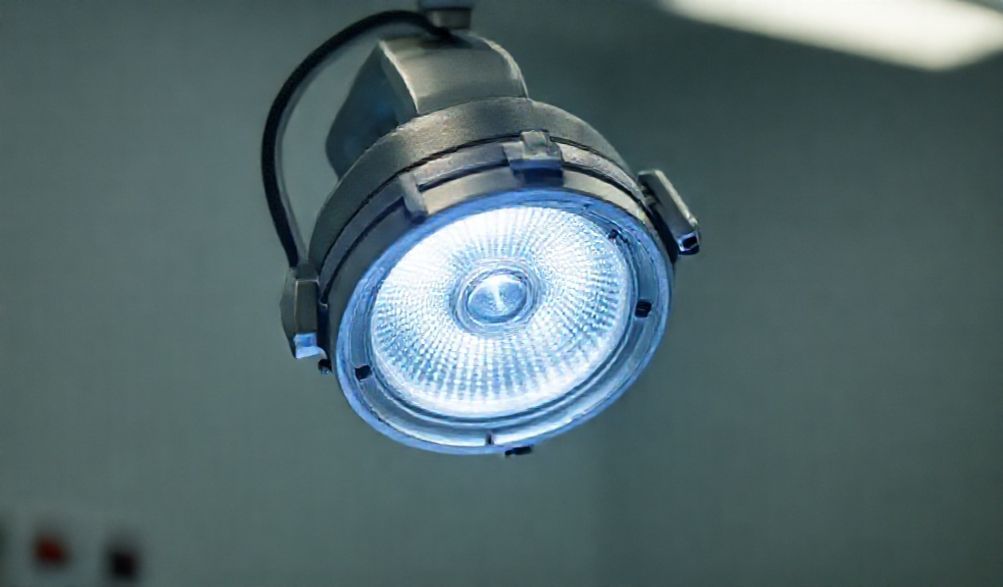
The Ultimate Guide to Surgical Head Lamps: Enhancing Precision in Modern Medicine
In the high-stakes theater of the operating room, where millimeters determine outcomes, visibility is not just a convenience—it is the foundation of precision. While overhead surgical lights provide general ambient illumination, the deep cavities, intricate structures, and subtle tissue planes of the human body often remain in shadow. Enter the surgical head lamp: a critical, personal illumination system that brings light directly to the point of action. This hands-free tool is a cornerstone of modern surgical practice, transforming a surgeon’s view and, by extension, their capabilities.
This comprehensive guide is crafted through a review of technical specifications from leading medical device manufacturers, established surgical protocols, and insights from practicing surgeons. Our aim is to provide an accurate, trustworthy, and detailed resource for medical professionals, surgical residents, and procurement specialists seeking to understand, select, and utilize this vital equipment. The information herein is built on verified technical data and established medical practices to support your informed decision-making.
What is a Surgical Head Lamp and Why is it Essential?
A surgical head lamp is a wearable illumination system designed to provide a surgeon with a powerful, focused, and shadow-free beam of light directly aligned with their line of sight. Unlike static overhead lights, it moves with the surgeon’s head, ensuring the surgical field is perfectly lit from the optimal angle at all times.
Core Function and Principle of Operation
The fundamental principle of a surgical head lamp is coaxial illumination—delivering light along the visual axis of the surgeon. This is typically achieved through one of two methods:
- Reflected Light Systems: A light source (often mounted on a belt or waist) generates light that travels through a flexible fiber-optic or liquid light guide cable. This cable connects to a reflector mounted on the surgeon’s headband. The reflector is precisely angled to project the light beam from a point just above the surgeon’s eyes, closely parallel to their line of sight.
- Direct LED-on-Head Systems: Modern systems increasingly feature compact, high-power LED modules mounted directly on the headset. These project light forward, often with adjustable beams, and are powered by a lightweight battery pack.
The result is a concentrated, “shadow-free” field of light that illuminates deep wounds and cavities without obstruction from the surgeon’s own hands or instruments, revealing critical anatomical details with exceptional clarity.
The Impact on Surgical Outcomes
The benefits of superior illumination translate directly into measurable improvements in patient care and surgical workflow:
- Enhanced Visual Acuity & Reduced Eye Strain: A bright, focused light reduces the effort required to see fine details, significantly decreasing surgeon fatigue during lengthy procedures. This sustained visual comfort helps maintain a high level of concentration.
- Improved Surgical Accuracy and Precision: The ability to clearly differentiate tissue types—distinguishing a nerve from a vessel, or identifying a tumor margin—is paramount. High-quality headlamps with excellent color rendering allow for more accurate dissection, suturing, and manipulation, minimizing iatrogenic injury.
- Increased Efficiency: With optimal visualization, surgeons can work more confidently and swiftly. Studies and standard surgical teachings suggest that improved lighting can contribute to reduced operative times, as less time is spent maneuvering for better light or clarifying ambiguous visual information.
- Potential for Reduced Complications: By enabling more precise surgical maneuvers and better identification of anatomical landmarks and pathological tissues, enhanced visualization is a key factor in lowering the risk of intraoperative complications and improving overall patient safety.
Key Features and Technical Specifications to Evaluate
Choosing a surgical head lamp requires careful consideration of its technical components. Here are the critical features to assess.
Light Source Technology: LED vs. Halogen
The light source is the heart of the system. While halogen was once standard, Light Emitting Diode (LED) technology is now the unequivocal leader.
-
LED (Modern Standard):
- Brightness & Efficiency: LEDs produce intense, cool light with high luminous efficacy (more lumens per watt).
- Color Temperature: Offers a range, often around 4500-6000K, providing a bright, daylight-like quality that reduces eye fatigue.
- Heat Emission: Generates very little infrared heat at the light source, preventing discomfort for the surgeon and thermal injury to patient tissues.
- Lifespan: Extremely long-lived (typically 50,000+ hours), effectively lasting the lifetime of the device with no bulb replacements.
- Power Consumption: Highly efficient, leading to longer battery life per charge.
-
Halogen (Legacy Technology):
- Brightness: Can be bright but less efficient than LED.
- Heat Emission: Produces significant heat, which can be uncomfortable and risky.
- Lifespan: Bulbs have a short lifespan (50-100 hours), requiring frequent and costly replacements.
- Color Rendering: Good, but the light tends to be yellower.
Verdict: LED technology is superior in virtually every aspect—longevity, safety, efficiency, and cost of ownership.
Optical Performance Metrics
These specifications determine how the light performs in practice.
- Field of View (FOV): The angular width of the illuminated area, measured in degrees. A wider FOV (e.g., 10°-25°) is good for general procedures, while a narrower FOV (e.g., 4°-8°) provides a more intense, focused spot for microsurgery.
- Depth of Field: The distance range over which the light remains in sharp focus. A greater depth of field is valuable in deep-cavity surgery (e.g., spinal, ENT).
- Focusability: The ability to adjust the light spot from a small, intense circle to a wider, more diffuse pattern adds versatility for different phases of a procedure.
- Light Spot Size & Uniformity: The diameter of the central bright spot at a given working distance. A uniform spot without dark rings or hot spots is essential for consistent illumination.
Ergonomics and Comfort Design
A head lamp is worn for hours; comfort is non-negotiable for performance.
- Weight Distribution: The system should feel balanced. Heavy battery packs are often belt-mounted to keep weight off the head.
- Headband Design: Look for padded, adjustable headbands that accommodate different head sizes and can be worn over surgical caps. A secure, non-slip fit is crucial.
- Heat Dissipation: The head-mounted components must remain cool, especially with direct-mounted LED systems.
- Cable Management: Light guide cables should be lightweight, flexible, and designed to minimize tugging or interference with movement.
Power Systems and Mobility
Reliable power is essential for uninterrupted surgery.
- Battery Type: Lithium-ion (Li-ion) batteries are standard, offering high energy density, no memory effect, and long cycle life.
- Battery Life: Modern LED systems typically offer 6 to 12+ hours of runtime on a medium setting. Always verify manufacturer specs.
- Charging: Systems often include dual batteries and a quick charger, allowing one battery to be used while the other charges.
- System Design: Belt-mounted battery packs are most common, offering long runtime without head weight. Integrated battery packs (on the headband) offer ultimate mobility but sacrifice runtime and may increase head weight and heat.
Primary Applications and Surgical Specialties
Different specialties have unique illumination needs.
Microsurgery and Neurosurgery
These fields demand the highest level of precision. Requirements include extremely bright, focused light with a small spot size and exceptionally high Color Rendering Index (CRI >90) to differentiate between subtle tissue types like grey and white matter or tiny vessels and nerves.
Dentistry and Oral Surgery
Dentists and oral surgeons require illumination that penetrates the oral cavity without obstruction. Headlamps are often used in conjunction with dental loupes. Key features include a focused beam to overcome lip and cheek shadows and a color temperature that accurately reveals tooth shades and soft tissue health.
ENT (Otolaryngology) and Plastic/Reconstructive Surgery
Both specialties involve deep, confined spaces and fine detail work. A head lamp with a long depth of field is critical for illuminating the back of the nasal cavity, sinuses, or deep tissue planes in reconstruction. Bright, shadow-free light is vital for identifying delicate structures like facial nerves or small cartilage grafts.
General Surgery and Emergency Procedures
Versatility and reliability are key. A head lamp with an adjustable focus and good field of view is ideal for a range of procedures, from open abdominal surgery to trauma interventions in less-than-ideal lighting conditions. Durability and simple, intuitive operation are paramount.
How to Choose the Right Surgical Head Lamp: A Buyer’s Checklist
Navigate the selection process with this structured approach.
Assessing Your Procedural Needs
Start with your most common surgeries. Do you need a laser-like spot for micro-anastomoses or a broader beam for laparotomy? Match the lamp’s FOV, spot size, and depth of field to your clinical reality. A neurosurgeon and a general surgeon will prioritize different specs.
Balancing Budget with Long-Term Value
Consider Total Cost of Ownership (TCO), not just the sticker price. A more expensive LED system with a 50,000-hour lifespan and efficient batteries will far outperform a cheaper halogen system requiring constant bulb replacements and yielding higher energy costs. Invest in reliability.
Compatibility with Existing Equipment
If you use surgical loupes, ensure the head lamp offers a compatible mounting system—either from the same manufacturer or via a universal adapter. Consider future needs, like integrating a camera system for recording or teaching.
Evaluating Manufacturer Support
Purchase from a reputable medical device company. A strong warranty (often 2-3 years), accessible service and repair network, availability of replacement parts (headbands, cables, batteries), and provision of training resources are all indicators of a quality partner.
Maintenance, Sterilization, and Safety Best Practices
Proper care ensures performance, longevity, and safety.
Routine Cleaning and Disinfection Protocols
- Between Patients: The headband, reflector/LED module, and cable (portion that may contact the sterile field) must be disinfected according to the manufacturer’s instructions for use (IFU) and hospital OR policy. Typically, this involves wiping with a hospital-grade disinfectant wipe.
- Lens Cleaning: Use only approved, lint-free wipes and lens cleaning solution to avoid scratching optical surfaces.
- Never immerse the light source, battery, or connectors in liquid unless explicitly rated as immersible.
Battery Care and Longevity Tips
- Follow the manufacturer’s charging instructions. For Li-ion batteries, avoid consistently draining to 0%.
- Store batteries partially charged (40-60%) if not in use for extended periods.
- Have a minimum of two batteries to rotate, ensuring one is always charged and ready.
Common Troubleshooting Issues
- Dimming/Flickering: Usually indicates a low battery. Check connections between the cable, light source, and battery. If persistent, the light guide cable may be damaged.
- Overheating: Ensure vents are not blocked. For halogen systems, this is common; for LEDs, it may signal a fault—discontinue use.
- No Light: Check all power connections, ensure the battery is charged, and verify the system is switched on.
Important Safety Considerations
- Use Only Medical-Grade Devices: Consumer headlamps do not meet the safety, electrical isolation, or optical standards required for surgery and pose a risk to patients and staff.
- Electrical Safety: Devices must be certified for use in the OR (e.g., IEC 60601-1 standard).
- Training: All users must be trained on proper donning/doffing, operation, and cleaning to prevent damage and ensure safe use.
Frequently Asked Questions (FAQ)
Q1: What is the typical battery life for a modern LED surgical headlight?
A: Modern LED systems typically offer 6 to 12+ hours of runtime on a single charge, depending on intensity settings. Always check the specific manufacturer’s specifications for the model you are considering.
Q2: Can surgical head lamps be used with magnification loupes?
A: Yes, most are designed for compatibility. Many systems offer modular mounts or adjustable light paths to align perfectly with surgical loupes. It’s crucial to ensure the specific headlight and loupe brands/models are compatible or use a universal adapter.
Q3: How often do the LED bulbs need to be replaced?
A: LED modules have an exceptionally long lifespan, often rated for 50,000 hours or more. They are generally not considered a user-replaceable consumable part like halogen bulbs and may last for the entire functional life of the device.
Q4: Are there wireless surgical head lamps available?
A: While some systems use a wireless controller, the primary light source itself usually requires a physical power cable for consistent, high-output illumination. Truly wireless, battery-on-head designs exist but may trade off significant brightness or heat management for mobility and are more common in specific low-light exam scenarios.
Q5: What does “color rendering index (CRI)” mean and why is it important?
A: CRI measures how accurately a light source reveals the true colors of objects compared to natural light. A high CRI (90+) is critical in surgery for accurately distinguishing between tissues, such as arteries, veins, nerves, and pathological structures, which is vital for precision and patient safety.
Conclusion
Selecting the optimal surgical head lamp is a significant decision that balances technical performance, ergonomic comfort, and clinical requirement. By prioritizing key features like LED technology with high CRI, appropriate optical performance for your specialty, and robust construction from a reputable manufacturer, you invest directly in surgical precision, team performance, and, ultimately, patient outcomes. We recommend consulting directly with equipment specialists, requesting hands-on demonstrations, and always adhering to strict maintenance protocols to ensure the safety, longevity, and reliability of this indispensable surgical tool. This guide, based on established medical device principles, is designed to be a trustworthy starting point for your research.
p>