
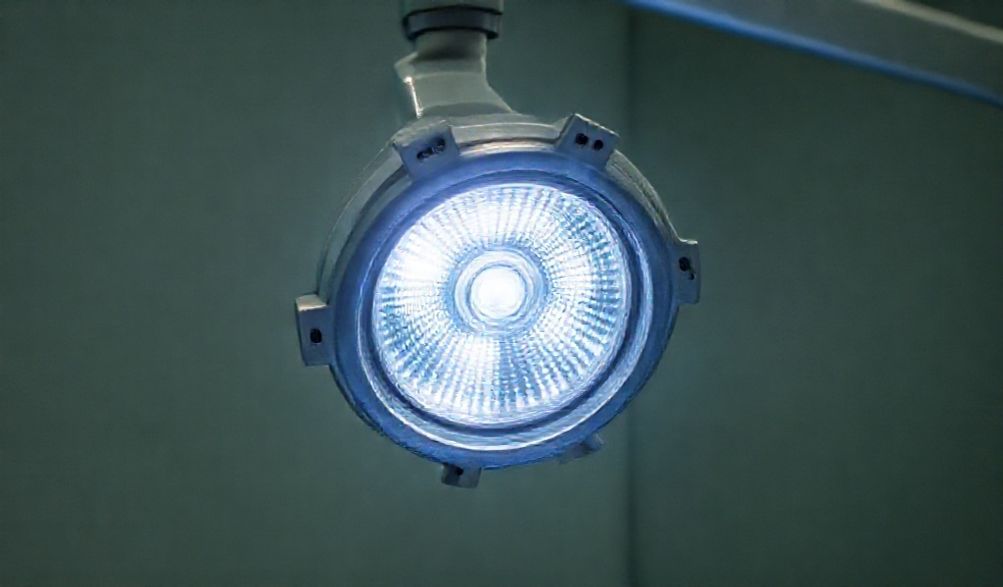
The Ultimate Guide to Surgical Headlights: Enhancing Precision in Modern Surgery
What if the single biggest factor in a successful surgery wasn’t just the surgeon’s skill, but their ability to see clearly? While a surgeon’s knowledge and dexterity are paramount, they are rendered less effective without one critical element: impeccable visibility. The intricate landscape of the human body demands not just light, but perfect, unwavering, and controlled illumination. For centuries, surgeons relied on the ambient light of windows, then progressed to large, cumbersome overhead lamps. Today, the standard of care has evolved to a more personal, precise solution—the surgical headlight.
Despite advancements in overhead lighting, inherent challenges persist. Surgeons constantly battle obstructive shadows cast by their own heads and instruments, glare from reflective surfaces, and the limited depth perception in deep cavities. These visual hurdles can lead to eye strain, neck fatigue from contorting to catch the light, and ultimately, increased procedural risk. The solution to these universal challenges is a tool that places a powerful, focused sun in the surgeon’s complete control.
This guide introduces the modern surgical headlight as an essential instrument of precision. Far more than a simple lamp, it is an ergonomic extension of the surgeon’s vision, designed to overcome the limitations of traditional lighting. Our purpose here is to provide a comprehensive, evidence-based resource for surgeons, surgical residents, hospital procurement teams, and all medical professionals. We will synthesize insights from clinical studies, manufacturer specifications, and surgical best practices to help you make an informed decision about this transformative technology.
What is a Surgical Headlight System? Core Components Explained
A surgical headlight system is a portable, personal illumination device worn by the surgeon. It typically consists of four interconnected components, each playing a vital role in delivering optimal light to the surgical field.
The Light Source: LED Technology and Beyond
The heart of any headlight is its light source. Today, Light Emitting Diode (LED) technology is the undisputed leader, having largely replaced older systems. LEDs offer a compelling combination of benefits crucial for surgery:
* Cool Operation: LEDs produce minimal infrared radiation, meaning the light beam is “cool” and won’t thermally damage delicate tissues or cause discomfort to the surgeon.
* Brightness & Efficiency: They provide exceptionally high luminous output (measured in lumens) while consuming less power, leading to longer battery life.
* Longevity: An LED source can last for tens of thousands of hours, far outlasting its predecessors.
* Color Accuracy: High-quality LEDs can achieve a superb Color Rendering Index (CRI), which we will explore later, allowing for true tissue differentiation.
For context, older systems used Halogen or Xenon bulbs. While Xenon offered very bright, white light, it generated significant heat and had a much shorter lifespan. Halogen was inefficient and hot. LED technology has effectively made these older sources obsolete for most surgical applications.
The Power System: Battery Packs and Cords
Mobility and freedom of movement are key advantages of a surgical headlight, and this is enabled by its power system. The most common configuration is a rechargeable lithium-ion battery pack. These are typically worn on a belt clip or a waistband, connecting to the headpiece via a lightweight cable. Key considerations include:
* Runtime: Battery life varies by model and light intensity, typically ranging from 2 to over 8 hours on a single charge.
* Weight & Balance: The battery pack should be lightweight and positioned to counterbalance the headpiece for optimal comfort.
* Wired Systems: Some operating rooms still utilize wired systems that plug into a console, eliminating battery concerns but restricting mobility.
The Delivery System: Fiberoptic Cables vs. Direct Source
This component refers to how light travels from the source to the surgical field.
* Fiberoptic Cables: In these systems, the light source (LED or older Xenon) is housed in the battery pack or a separate generator. The light is then channeled through a flexible fiberoptic cable to the headpiece. The cable is lightweight but can be delicate and may degrade over time, leading to diminished light output.
* Integrated/Direct Source: Modern LED systems often feature a compact, powerful LED module mounted directly on the headpiece itself. The “cable” is then just a power cord. This design is more robust, efficient (no light loss in a cable), and simplifies the setup.
The Headpiece: Comfort, Fit, and Adjustability
This is the component that interfaces directly with the surgeon. A poorly designed headpiece can negate the benefits of a brilliant light. Critical aspects include:
* Mounting Options: The most common is an adjustable fabric or elastic headband. For surgeons who wear surgical loupes, many systems offer integration, where the light clips directly onto the loupe frame, creating a unified, balanced unit. Less common are helmet-style mounts.
* Weight Distribution: The weight should be evenly distributed to prevent pressure points. A rear counterweight or a well-designed headband is essential.
* Materials: Components that contact the skin should be made of hypoallergenic, sweat-resistant, and easily cleanable materials for comfort during long procedures.
Key Benefits of Using a Surgical Headlight: Beyond Basic Illumination
Investing in a surgical headlight yields returns that extend far beyond simply “seeing better.” The benefits impact surgical outcomes, surgeon well-being, and operating room efficiency.
Unmatched Shadow Reduction and Deep Cavity Illumination
This is the primary and most immediate benefit. Overhead lights cast shadows whenever the surgeon’s head or hands intrude between the light source and the target. A surgical headlight, being mounted on the surgeon’s forehead, provides coaxial illumination—the light shines from the surgeon’s viewpoint directly along their line of sight. Where the surgeon looks, the light goes, virtually eliminating obstructive shadows. This is indispensable for deep-cavity work in specialties like spinal, ENT, or pelvic surgery, where overhead light cannot effectively penetrate.
Enhanced Visual Acuity and Tissue Differentiation
Modern surgical headlights offer more than just raw brightness. A high Color Rendering Index (CRI >90) means the light spectrum closely mimics natural sunlight, allowing colors to appear true and vibrant. This is critical for distinguishing between arterial and venous blood, identifying subtle changes in tissue pathology, and differentiating delicate neural structures. Adjustable intensity allows the surgeon to dial in the perfect amount of light for the task, preventing washout in shallow fields or providing enough power for deep work.
Improved Ergonomics and Reduced Surgeon Fatigue
The physical toll of surgery is significant. Constantly craning one’s neck to align a surgical site with a fixed overhead light leads to musculoskeletal strain. A personal headlight allows the surgeon to maintain a neutral, ergonomic head and neck posture. Furthermore, by eliminating eye strain from squinting into shadows or dealing with glare, the headlight reduces visual fatigue. This combination of physical and visual comfort can lead to greater endurance during long cases and may contribute to a longer, healthier surgical career.
Increased Procedural Efficiency and Safety
The culmination of these benefits is a more efficient and safer operating environment. With optimal, shadow-free visualization:
* Anatomy is identified more quickly and confidently.
* Dissection is more precise, potentially reducing blood loss and collateral tissue damage.
* Procedure times may be reduced as the surgeon spends less time repositioning or waiting for overhead light adjustments.
* The margin for error shrinks, directly enhancing patient safety. Studies have suggested a link between improved visualization and reduced complication rates.
How to Choose the Right Surgical Headlight: A Buyer’s Checklist
Selecting a surgical headlight is a personal and professional decision. This checklist will help you evaluate options based on objective criteria and your specific needs.
Assessing Technical Specifications: Lumens, Spot Size, and CRI
Don’t be dazzled by marketing alone. Look for these key specs:
* Lumens: Measures total luminous flux (brightness). For most procedures, 20,000 to 150,000+ lux (illuminance at the target) is a common range, which typically corresponds to a system output of 500 to 3,000+ lumens. More lumens are needed for deep cavity or microsurgery.
* Spot Size & Working Distance: The diameter of the light circle at a specific distance (e.g., “100mm spot at 400mm”). Ensure the spot size is appropriate for your specialty—a small, focused spot for microsurgery, a larger field for general surgery.
* Color Rendering Index (CRI): On a scale of 0-100, this measures color accuracy. Aim for a CRI of 90 or higher for superior tissue differentiation. This is a non-negotiable feature for critical visual tasks.
Evaluating Ergonomics and Comfort for Long Procedures
Specs mean little if the system is unbearable to wear. If possible, arrange a trial.
* Try it on with all your PPE: Wear it with your loupes, face shield, and mask. Is it stable?
* Assess the weight and balance: Does it feel front-heavy? Does the headband distribute pressure evenly?
* Check adjustability: Can you easily fine-tune the angle of the light and the fit of the headband mid-procedure?
Considering the Surgical Specialty: Needs by Discipline
Your specialty dictates your requirements:
* Microsurgery (Neurosurgery, Ophthalmology, Plastic): Prioritize extremely high intensity (lux), a very small and precise spot size, and the highest possible CRI. Integration with high-magnification loupes or microscopes is common.
* Deep Cavity (Spine, ENT, Bariatric, Colorectal): Focus on high lumen output and a light pattern that provides a wide, deep field of illumination to see into recesses.
* General & Laparoscopic Surgery: May require a versatile system with a good balance of spot size and intensity for open procedures, and which is comfortable for long durations.
Budgeting: Initial Cost vs. Total Cost of Ownership
A surgical headlight is an investment. Consider:
* Initial Cost: Systems can range from a few hundred to several thousand dollars.
* Durability & Warranty: A robust warranty (3-5 years is good) indicates manufacturer confidence.
* Battery Replacement Cost: Batteries degrade. Check the cost and expected lifespan of replacement battery packs.
* Compatibility: If you own loupes, does the manufacturer offer a compatible, integrated system? This can be more cost-effective than a universal setup.
Best Practices for Using and Maintaining Your Surgical Headlight
To ensure peak performance, longevity, and safety, proper use and maintenance are essential.
Proper Setup and Alignment for Optimal Illumination
- Don the Headpiece: Secure it comfortably and snugly, ensuring it won’t slip.
- Position the Light Source: For fiberoptic systems, ensure the cable is not kinked. For direct-LED, check the connection.
- Focus the Spot: Look at a flat surface at your typical working distance. Adjust the headpiece or the light module until the spot is centered in your field of view and is a crisp, even circle. The spot should move seamlessly with your head movements.
Cleaning, Sterilization, and Infection Control Protocols
Crucially, always follow the manufacturer’s specific instructions. Generally:
* Headbands & Cables: These are almost never sterilizable via autoclave. They are classified as “non-critical” devices and require cleaning with hospital-grade disinfectant wipes (e.g., CaviWipes) between procedures.
* Light Module/Output Lens: Gently wipe with a soft cloth dampened with an approved disinfectant. Avoid abrasive cleaners or submerging the unit.
* Battery Pack: Wipe down the exterior. Never immerse in liquid.
Battery Care and Maximizing Lifespan
- Use a Full Charge Cycle: For lithium-ion batteries, it’s best to use them down to ~20% before recharging, and avoid constantly keeping them at 100% charge for storage.
- Have a Rotation: For high-volume practices, having two batteries allows you to use one while the other charges, ensuring no downtime.
- Store Properly: If storing for extended periods, charge the battery to about 50-60% and store in a cool, dry place.
Troubleshooting Common Issues
- Dimming Light: Most likely a depleted battery. Could also be a failing fiberoptic cable (if applicable) or a failing LED.
- Flickering: Check all connections (headpiece, battery, cable). If persistent, it may indicate an internal electrical fault.
- Overheating: Ensure vents are not blocked. If an LED headpiece gets hot, it is defective—discontinue use.
Frequently Asked Questions (FAQ) About Surgical Headlights
Q: Are surgical headlights worth the investment for a general surgeon?
A: Absolutely. While they are indispensable for specialties like ENT and spine, general surgeons benefit profoundly in complex oncologic resections, emergency trauma surgeries with suboptimal overhead lighting, and deep pelvic or abdominal cases. The ergonomic advantages and improved visualization in any procedure justify the investment through enhanced precision, reduced fatigue, and potentially better patient outcomes.
Q: What is the typical battery life, and how many batteries do I need?
A: Runtime varies significantly by model and light intensity setting, typically ranging from 2 to over 8 hours. For surgeons running full-day surgery lists, the standard recommendation is to have two batteries—one in use and one charging. This provides a seamless workflow with no risk of power loss during a critical moment.
Q: Can I integrate a headlight with my existing surgical loupes?
A: In most cases, yes. Major loupe manufacturers (e.g., Designs for Vision, SurgiTel, Zeiss) offer dedicated headlight systems that mount directly and securely to their loupe frames, providing excellent balance and integration. There are also many universal headband systems designed to be worn comfortably over or under most loupe frames.
Q: How do I ensure the light provides true tissue color (high CRI)?
A: Look for the Color Rendering Index (CRI) specification on the product data sheet. Do not rely on marketing terms like “white light” or “natural light.” A CRI value of 90 or higher is the benchmark for a light source that will render tissue colors accurately and allow for confident differentiation between tissue types and states.
Q: What safety features should I look for?
A: Prioritize systems with: 1) Effective thermal management to ensure the headpiece remains cool, 2) Battery protection circuits to prevent overcharging, deep discharge, and short circuits, and 3) Compliance with medical electrical equipment standards (e.g., IEC 60601-1), which ensures the device meets international safety and performance requirements.
Conclusion
A surgical headlight is far more than an accessory; it is a fundamental precision tool that directly extends a surgeon’s capabilities. By eliminating the age-old problems of shadows and glare, it reveals anatomical truth. By enhancing color accuracy and detail, it empowers more confident decision-making. By promoting an ergonomic posture, it safeguards the surgeon’s most valuable asset: their own physical well-being.
Our final recommendation is to prioritize a hands-on trial or demonstration whenever possible. The subjective factors of comfort, balance, and the quality of the “light feel” are paramount and can only be assessed personally. Choose a system that represents the optimal balance of technical specifications (lumens, CRI, spot size), the specific demands of your surgical specialty, and, above all, a comfortable, ergonomic fit.
Investing in the right visualization technology is, unequivocally, an investment in surgical excellence, enhanced patient safety, and the sustainability of your career. We encourage you to consult with trusted clinical colleagues and reputable medical equipment providers who can offer personalized advice based on your unique practice.
Have you had an experience—positive or negative—with a particular surgical headlight system? What features are most important in your practice? Share your thoughts and questions in the comments below, or contact us for further resources on specific models or comparative reviews.
p>