
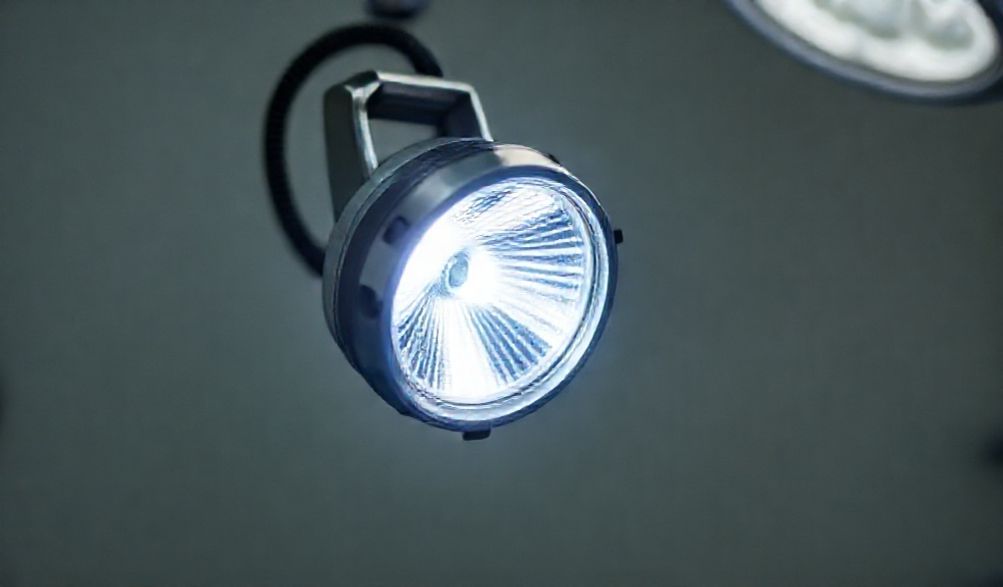
The Ultimate Guide to Cordless Surgical Headlights: Benefits, Selection & Best Practices
Picture this: you’re deep into a delicate microsurgical procedure, your focus absolute. Every movement is precise, every decision critical. Suddenly, you need to adjust your angle, to visualize a slightly different plane. You lean in, and you feel it—the subtle but unmistakable tug of the headlight cord. It pulls at your headpiece, disrupts your balance, and for a split second, breaks your concentration. In that moment, the cord transforms from a simple power conduit into a physical tether, a reminder of a limitation that feels increasingly archaic in a world of wireless technology.
This scenario, familiar to countless surgeons, dentists, and veterinarians, underscores a quiet revolution in the operating room and clinical suite: the shift to cordless surgical headlights. Moving beyond the constraints of traditional systems, cordless headlights promise not just convenience, but a fundamental improvement in ergonomics, sterility, and procedural flow. This guide serves as a comprehensive, unbiased resource for medical professionals evaluating this pivotal technology. Synthesizing information from detailed manufacturer specifications, peer-reviewed studies on surgical ergonomics, and direct clinical feedback, we will dissect the true value proposition of a surgical headlight cordless system. We’ll move beyond marketing claims to explore the tangible benefits, the critical technical factors you must consider before purchasing, and the best practices for seamless integration into your practice. Ultimately, this guide will empower you to make an informed decision that enhances both your comfort and your patient outcomes.
Why Choose a Cordless Surgical Headlight? Key Advantages
The transition from corded to cordless is more than a simple matter of cutting a wire. It represents a paradigm shift in how illumination is delivered in a procedural environment, addressing long-standing pain points with elegant, technological solutions.
Unparalleled Freedom of Movement and Ergonomics
The most immediate and profound benefit of a cordless system is the liberation of movement. The constant drag and pull of a cord—often routed over the shoulder or clipped to a gown—creates a persistent, low-level resistance. This forces the wearer’s cervical and shoulder muscles to work overtime to stabilize the head and counteract the pull, a phenomenon linked to increased physical strain and fatigue over long procedures.
Eliminating the cord removes this parasitic force. Surgeons can turn their head freely, lean in any direction, or reposition themselves around the surgical field without a second thought. This unimpeded mobility is particularly valuable in fields like dentistry, oral surgery, or veterinary medicine, where practitioner positioning is dynamic. Studies in surgical ergonomics consistently highlight how reducing static and unnatural postures can decrease the risk of work-related musculoskeletal disorders. A cordless surgical headlight directly contributes to this by restoring natural, unencumbered movement, allowing the professional to focus cognitive energy entirely on the procedure, not on managing their equipment.
Enhanced Sterility and Operating Room Safety
In an environment where asepsis is paramount, every element is scrutinized. A dangling cord presents a tangible, though often overlooked, risk. It can inadvertently sweep across non-sterile surfaces or become a contamination vector if handled incorrectly. By removing the cord from the equation, a cordless surgical headlight simplifies the sterile field. There’s no cable to drape, no connector at the waist that might breach the barrier, reducing potential points of contamination.
Furthermore, from a general safety perspective, operating rooms are labyrinths of vital equipment. A loose cord is a trip hazard for circulating staff and can be accidentally disconnected, plunging a critical moment into darkness. A cordless system inherently mitigates these risks, contributing to a cleaner, safer, and less cluttered workspace.
Simplified Setup and Operational Efficiency
Time in a surgical setting is a precious commodity. The setup ritual for a corded headlight often involves untangling cables, connecting to a battery pack (which itself needs charging), routing the cord under the gown, and ensuring it won’t snag. A cordless system transforms this into a simple, two-step process: don the headlight and turn it on.
Modern systems feature intuitive docking stations that charge the unit automatically when not in use, ensuring it’s always ready for the next procedure. This “plug-and-play” simplicity streamines pre-operative preparation, reduces frustration, and allows the surgical team to begin faster. The efficiency gain, while minutes per case, compounds significantly over a week or a year, translating into better OR turnover and scheduling flow.
Critical Factors When Selecting a Cordless Surgical Headlight
With the advantages clear, the next step is navigating the market. Not all cordless headlights are created equal. Your choice must be guided by a careful evaluation of specifications that directly impact clinical performance and user experience.
Battery Performance: Life, Runtime, and Charging
The battery is the heart of the cordless system, and its performance is non-negotiable. When reviewing specs, look beyond vague claims.
- Technology & Specifications: Lithium-ion (Li-ion) batteries are the standard for their high energy density, lack of memory effect, and relatively slow self-discharge. Pay attention to the voltage (V) and milliamp-hour (mAh) rating; a higher mAh generally indicates a larger capacity and longer runtime, all else being equal.
- Real-World Runtime: Advertised runtime is typically measured at a medium or low brightness setting. You must consider your actual usage. If you routinely perform 4-hour surgeries at maximum brightness, a headlight rated for “5 hours” may only deliver 3.5 in your hands. The golden rule: choose a system whose rated runtime comfortably exceeds the duration of your longest common procedure.
- Charging Solutions: Evaluate the charging ecosystem. A dedicated docking station is often the most convenient, serving as a storage and charging hub. Some systems offer hot-swappable batteries—allowing you to replace a depleted battery with a fresh one in seconds without powering down—a critical feature for long, unpredictable cases. Cable charging is simpler but less elegant.
Light Source and Optical Quality
Freedom of movement means nothing if the light itself is inadequate. The quality of illumination is paramount for accurate visualization and tissue differentiation.
- LED Technology: Modern headlights universally use Light Emitting Diodes (LEDs). They offer a “cool” light (minimal infrared/heat emission), exceptional longevity (often 50,000+ hours), and consistent color output over their lifespan.
- Key Metrics to Decode:
- Lux/Lumens: This measures brightness or light intensity at the target. While lumens measure total light output, lux measures how much of that light falls on a specific area. For surgical headlights, a high lux value at a given working distance (e.g., 40,000 lux at 400mm) is crucial for illuminating deep or narrow cavities.
- Color Temperature: Measured in Kelvin (K), this describes the hue of the white light. A range of 4500K to 5500K is considered “daylight white,” providing excellent contrast and true tissue color rendition, which is vital for distinguishing between subtle shades of red, yellow, and white.
- CRI (Color Rendering Index): This is arguably as important as brightness. A CRI of 90+ (on a scale of 0-100) indicates the light source accurately reveals the true colors of objects compared to natural sunlight. A high CRI is essential for identifying ischemic tissue, detecting subtle inflammation, or differentiating anatomical structures.
- Beam Characteristics: Adjustable spot size (from a focused circle to a wider flood) and a good depth of field (the range of distance that remains in clear focus) provide versatility for different procedures.
Comfort, Fit, and Weight Distribution
A headlight is a piece of personal protective equipment worn for hours. Comfort is a performance feature.
- Headband Design: Look for fully adjustable, padded headbands. Features like moisture-wicking padding, ratcheting or dial-fit adjustment systems, and a secure yet gentle grip are important. The band should distribute pressure evenly around the occiput and forehead.
- Weight & Balance: The inclusion of a battery adds weight, but smart engineering mitigates this. Assess where the battery is located. Is it integrated into the rear of the headband for counterbalance, or is it a separate module that can be clipped to a waistband? A well-balanced system will feel lighter than its spec sheet weight suggests. Always request a demo to assess the feel personally.
- Compatibility: Ensure the headlight design is compatible with your surgical loupes, face shields, or magnification systems. The last thing you need is equipment that conflicts.
Durability, Build Quality, and Warranty
This is a professional tool for a demanding environment. It must be built to last.
- Materials & Cleanability: The housing and headband should be made of medical-grade polymers that can withstand repeated cleaning and disinfection with hospital-grade wipes and solutions without degrading.
- Ingress Protection (IP Rating): An IP rating (e.g., IP54) indicates resistance to dust and fluids. A rating that protects against splashes is highly advisable for the surgical and dental environments.
- Warranty as an Indicator: A comprehensive warranty (often 2-3 years for the light engine, 1 year for the battery) reflects the manufacturer’s confidence in their product. Review the terms—does it cover both parts and labor? What is the service turnaround time?
Integrating a Cordless Headlight into Your Surgical Practice
Successfully adopting this technology requires more than just unboxing it. A thoughtful integration plan ensures reliability and maximizes your investment.
Developing a Reliable Charging and Battery Management Protocol
The fear of a “dead battery mid-surgery” is the primary concern for new adopters. A robust protocol eliminates this risk.
- The Two-Battery Minimum: At a minimum, own two batteries. The protocol should be: Battery A is in the headlight for the current procedure. Battery B is fully charged in the dock or on the charger. After the procedure, the used headlight is placed in the dock, immediately initiating a charge cycle, and the fresh battery is ready for the next case.
- Battery Care: Follow manufacturer guidelines. Avoid consistently draining the battery to 0%. For Li-ion batteries, partial discharges are better than full ones. Store batteries in a cool, dry place.
Maintenance and Cleaning for Longevity
Proper care protects your investment and ensures patient safety.
- Disinfection Protocol: After each use, clean and disinfect the headlight, headband, and all patient-facing surfaces according to the manufacturer’s specific instructions and your institution’s infection control policies. Never immerse the unit unless it is rated for immersion.
- Lens and Contact Care: Gently clean the objective lens with a soft, lint-free cloth to maintain optical clarity. Keep the electrical charging contacts on the headlight and dock free of debris or corrosion.
Training and Adjustment Period for Surgical Teams
Acknowledge that there will be a short adaptation period.
- Balance and Feel: The weight distribution will feel different from a corded system. Allow yourself time to acclimate to the new balance point.
- Control Familiarity: Practice using the on/off/dimming controls (often a button on the headlight or a remote) in a non-critical setting.
- Team Communication: Ensure circulating staff understand the charging protocol and battery management system so they can support seamless turnover.
Frequently Asked Questions (FAQ) About Cordless Surgical Headlights
Q1: Is the brightness of a cordless surgical headlight comparable to a corded model?
A: Absolutely. Thanks to advanced, high-efficiency LED technology, premium cordless headlights match or even exceed the brightness of their corded counterparts. The key is to compare the objective specifications: look for equivalent or superior Lux output and a high CRI (90+) to ensure both intensity and color accuracy are on par.
Q2: What happens if the battery dies mid-surgery?
A: This is the core concern, and it’s addressed through preparation and technology. First, select a model with a battery life that far exceeds your typical procedure length. Second, implement the two-battery management protocol described above. Many models feature hot-swappable batteries for instant replacement. Additionally, most units have clear, early low-battery warnings (e.g., a flashing indicator) well before shutdown, giving you ample time to swap or conclude the critical phase of the procedure.
Q3: Are cordless surgical headlights significantly heavier?
A: Not necessarily. While they incorporate a battery, designers use lightweight alloys and polymers and focus on ergonomic balance. The weight is often concentrated at the rear of the headband to counterbalance the front light source. Many users report that the elimination of cord drag makes a cordless system feel lighter overall, as the neck muscles are no longer fighting constant tension.
Q4: How do I ensure the system remains sterile?
A: Sterility is maintained at the interface point. The headlight unit itself (the part with the LEDs and housing) is designed to be cleaned and disinfected between patients per the manufacturer’s validated instructions. The battery pack and charging dock remain non-sterile, outside the sterile field. This is analogous to corded systems where a sterile sleeve covers the cord; the core principle of a cleanable device surface remains the same.
Q5: Are cordless headlights a cost-effective investment?
A: While the initial purchase price is often higher than a basic corded system, the total cost of ownership and return on investment (ROI) can be favorable. Consider the long-term value: reduced setup time increases procedural efficiency, improved ergonomics may contribute to less practitioner fatigue and longer career longevity, and you eliminate the recurring cost of replacing frayed or damaged cords. The investment should be evaluated on its ability to enhance clinical outcomes, workflow, and user well-being.
Conclusion
The evolution from corded to cordless surgical headlights represents more than a mere technical upgrade; it is a meaningful step toward a more ergonomic, efficient, and focused clinical environment. By eliminating the physical tether, these systems grant professionals unparalleled freedom of movement, reduce ergonomic strain, simplify the sterile field, and streamline operative setup. As we’ve explored, the key to a successful adoption lies in a discerning selection process—prioritizing verifiable battery performance, superior optical quality (high CRI and appropriate color temperature), all-day comfort, and robust build quality.
Let this guide serve as a foundation for your evaluation. The final decision should be driven by how the objective technical specifications align with the specific demands of your specialty and practice patterns. We strongly encourage seeking hands-on demonstrations or trial periods whenever possible. The subjective feel, balance, and interface are as critical as the spec sheet.
Cordless illumination is rapidly becoming the new standard in operative and procedural care. By embracing this technology, you are not just purchasing a tool; you are investing in an ecosystem designed to remove distractions, reduce physical burden, and empower you with the mobility and focus that modern, high-precision patient care demands.
p>