
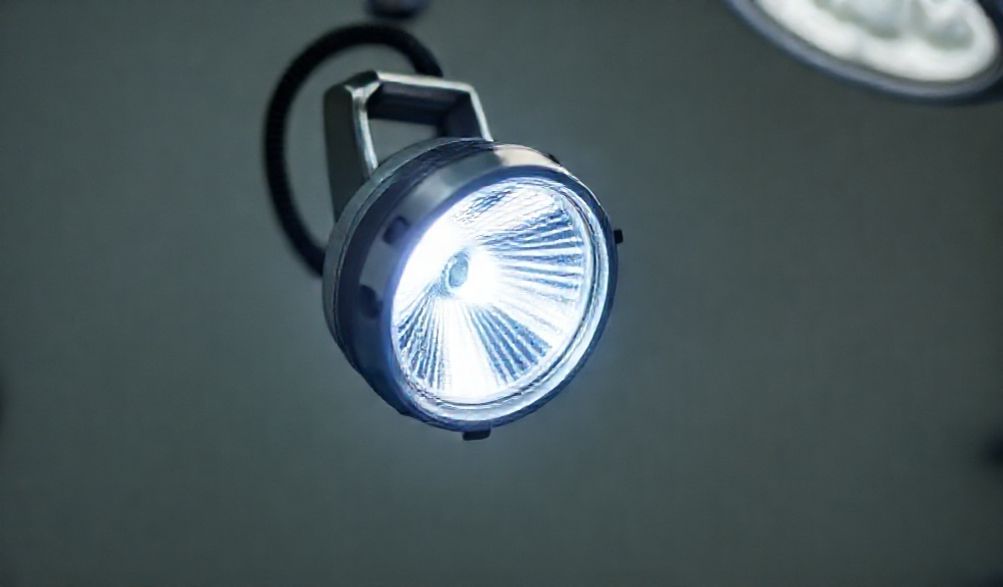
The Ultimate Guide to Cordless Surgical Headlights: Benefits, Features & How to Choose
Introduction
In the high-stakes, precision-driven world of surgery, optimal visualization is non-negotiable. It is the foundation upon which accurate dissection, identification, and repair are built. For decades, the surgical headlight—a marvel in its own right—came with a persistent tether: the cord. This cable, connecting to a bulky power box, was a necessary evil, often restricting movement, creating logistical hurdles, and introducing potential vectors for contamination.
Today, a quiet revolution is illuminating operating rooms worldwide. cordless surgical headlights represent a paradigm shift, moving beyond a simple gadget upgrade to a fundamental enhancement of the surgical environment. By cutting the cord, this technology offers surgeons unparalleled freedom, enhanced ergonomics, and consistently brilliant illumination, all while streamlining OR workflow.
This comprehensive guide is crafted by synthesizing deep analysis of industry specifications, firsthand surgeon testimonials, and principles of clinical ergonomics. We will illuminate the key benefits that make cordless systems transformative, dissect the critical features you must evaluate, and provide a practical framework for choosing the right system for your practice. Our goal is to empower you with the knowledge to make an informed decision—one that prioritizes superior patient outcomes, surgeon well-being, and operating room efficiency.
Why Cordless? The Transformative Benefits for Modern Surgery
The transition from corded to cordless is often described as “liberating.” But this freedom translates into concrete, measurable advantages that impact every aspect of a procedure. Let’s explore the core benefits that are driving adoption.
Unrestricted Mobility and Enhanced Ergonomics
The most immediate and profound impact is on the surgeon’s physical experience. A corded headlight exerts constant, subtle forces: the drag of the cable over the shoulder, the torque on the neck when turning, and the tug from a snagged line. Over the course of a multi-hour procedure, this contributes to significant fatigue and musculoskeletal strain.
A cordless surgical headlight eliminates this entirely. Surgeons can move their head naturally—looking up to a monitor, turning to an assistant, or shifting stance—without a single moment of resistance. This isn’t just about comfort; it’s about maintaining optimal posture and focus. The reduced physical stress can lead to less fatigue, potentially improving concentration and fine motor control during lengthy, complex cases. Furthermore, the absence of a dangling cord reduces the risk of it brushing against non-sterile surfaces and becoming a source of contamination, a subtle but critical point in maintaining aseptic technique.
Improved Operating Room (OR) Safety and Efficiency
The modern OR is a dense ecosystem of people, equipment, and technology. Every cable on the floor is a potential trip hazard for circulating nurses and anesthesiologists. By going cordless, you remove one of these hazards, contributing to a safer workspace for the entire team.
Efficiency gains are also substantial. Setup is simplified—no need to find an outlet, untangle cords, or position a power box. The headlight is donned and activated in seconds. Breakdown is equally swift. This reduces turnover time between cases. Additionally, the sterile field is less cluttered without a cable snaking across the drape, minimizing the chance of accidental contamination or entanglement with instruments.
Consistent, High-Quality Illumination
Corded systems rely on a power supply that can degrade over time, potentially leading to flickering or gradual dimming of the light—an unacceptable variable during delicate work. Cordless surgical headlights utilize advanced, regulated battery systems paired with modern LED technology.
These systems are engineered to deliver perfectly stable light output from the first minute to the last, maintaining consistent color temperature and intensity throughout the entire battery charge. There’s no worry about a loose wall plug or a fraying cable interrupting your light. The illumination is dependable, allowing surgeons to work with confidence, knowing their visual field will remain constant and true.
Key Features to Evaluate in a Cordless Surgical Headlight
Not all cordless systems are created equal. Informed selection requires a careful look under the hood. Here are the essential features to scrutinize.
Light Source and Beam Quality
This is the raison d’être of the device. Modern systems universally use LEDs, but their performance varies.
* Color Rendering Index (CRI): This is arguably the most critical spec. A CRI >90 (and ideally >95) is essential. It measures the light’s ability to reveal the true, subtle colors of tissue, differentiating between arterial blood, venous blood, fat, fascia, and nerve. Poor CRI can distort these hues, a significant risk.
* Color Temperature: Measured in Kelvin (K), this affects the “feel” of the light. Warmer light (~4500K) may be easier on the eyes for long procedures, while cooler, whiter light (~6000K) can enhance contrast. Some systems offer adjustable settings.
* Spot Size & Depth of Field: The beam should be adjustable from a focused, pinpoint spot for microsurgery to a wider flood for general procedures. A good depth of field keeps tissue in clear focus even as working distance changes slightly.
Battery System: The Heart of Cordless Performance
The battery is the core of the cordless promise. Its performance dictates practicality.
* Type & Runtime: Lithium-ion (Li-ion) is the standard for its high energy density and lack of memory effect. Runtime is paramount. Look for systems that guarantee 4-8 hours of maximum brightness on a single charge to comfortably cover major procedures. Always verify runtime claims under real-world conditions (i.e., at the brightness level you use).
* Charging & Swapping: Options include docking stations for convenient storage/charging or cable charging. The gold standard is a hot-swappable battery system. A depleted battery can be replaced with a charged one in seconds without powering down the light, enabling truly uninterrupted use for marathon surgeries.
* Indicators: Clear, intuitive battery life indicators (e.g., LED bars on the battery pack) are crucial for preventing mid-procedure power loss.
Comfort and Adjustability for Prolonged Use
A headlight that causes discomfort will be abandoned, no matter how bright.
* Headband Design: Look for hygienic, padded designs with easy-to-clean surfaces. Weight distribution is key—a well-balanced system feels lighter. Over-the-head, crown-style, or behind-the-head bands offer different fits; personal preference is major here.
* Balance & Weight: The battery’s location is crucial. Systems with a rear-mounted battery pack often provide superior balance by counterweighting the front light source, reducing neck strain compared to an all-front-loaded design.
* Adjustability: The light source should tilt and rotate smoothly and stay securely in position once set. The ability to fine-tune the angle without removing gloves is a valuable feature.
Durability and Sterilization Compatibility
The OR is a harsh environment. The device must withstand it.
* Build Quality & IP Rating: The housing should be robust. An Ingress Protection (IP) rating (e.g., IP54) indicates resistance to dust and moisture from cleaning sprays or accidental splashes.
* Sterilization Protocol: Always consult the manufacturer’s Instructions for Use (IFU). Typically, the lightweight headband and light module are designed to be wiped down with hospital-grade disinfectants. Some components may be steam-autoclave compatible. The main battery pack is almost always kept outside the sterile field and cleaned separately. A clear, validated sterilization pathway is non-negotiable for infection control.
How to Choose the Right Cordless Headlight for Your Practice
With the features in mind, the next step is applying them to your specific context.
Assessing Your Surgical Specialty’s Needs
Your specialty dictates your requirements.
* Microsurgery, Ophthalmology, Neurosurgery: Prioritize maximum CRI (>95), a very precise and adjustable spot size, and high lux intensity at a focused working distance. Comfort for extreme, motionless precision is vital.
* Plastic, ENT, Oral/Maxillofacial: A blend of spot and flood capability is useful. Excellent CRI for tissue differentiation and a comfortable design for procedures that involve frequent repositioning are key.
* General, Orthopedic, Vascular Surgery: Often benefit from a broader flood beam. Battery runtime and durability are paramount for longer cases. Ease of donning/doffing and cleaning for high-turnover settings is a plus.
Budgeting: Initial Investment vs. Total Cost of Ownership
The upfront cost of a quality cordless surgical headlight system is higher than a basic corded model. However, a true cost analysis looks deeper:
* Initial Investment: Includes headlight, battery(ies), and charger/dock.
* Total Cost of Ownership (TCO): Considers long-term savings: no more expensive halogen/xenon bulb replacements (LEDs last for tens of thousands of hours), no cable repair costs, and potential efficiency gains from faster setup. Factor in the cost of replacement batteries every few years. A robust system with a higher initial price but lower TCO is often the wiser investment.
Trying Before Buying: The Importance of Demos and Trials
This is the most critical step. Specifications on paper cannot convey feel.
* Request a Hands-On Demo: Wear the headlight for an extended period. Test its balance. Adjust the beam. Feel the weight on your head and neck.
* Conduct a Clinical Trial: If possible, use the system during a real or simulated procedure. Evaluate the light quality on tissue, the ease of use, and the battery indicator system. Does it integrate smoothly into your workflow? Your personal experience is the ultimate deciding factor.
Addressing Common Concerns About Cordless Technology
Transitioning to a new technology naturally brings questions. Let’s address them head-on.
“Will the Battery Last Through a Long Procedure?”
This is the top concern. As noted, leading systems are engineered for 4-8 hours of runtime—more than sufficient for the vast majority of surgeries. For exceptionally long cases (e.g., complex spinal reconstructions, transplant surgeries), the solution is the hot-swappable battery. Swapping a battery takes seconds, offering effectively unlimited runtime. Contrast this with a corded system dependent on a single wall outlet, which is also a potential point of failure.
“Is Cordless as Bright and Reliable as Corded?”
Absolutely. Modern LED technology in premium cordless headlights matches or exceeds the lumen output of traditional corded systems. The key differentiator is regulated output. A high-quality cordless system uses advanced electronics to maintain 100% brightness consistently until the battery is nearly depleted, at which point it will typically shut off. There is no gradual dimming. The reliability shifts from depending on OR wiring and power supplies to the proven technology of lithium-ion batteries and solid-state electronics.
“Maintenance and Care for Longevity”
Proper care ensures a long service life.
* Battery: Follow charging guidelines. Avoid consistently draining to 0%. For storage, a partial charge (40-80%) is ideal for battery health. Have a routine to check battery status before each case.
* Cleaning & Sterilization: Adhere strictly to the manufacturer’s IFU. Using improper chemicals or methods can damage seals, lenses, and housings.
* Storage: Use the provided dock or case. Protect the device from extreme temperatures and physical impact.
FAQ Section
Q: How long does the battery typically last on a single charge?
A: High-quality cordless surgical headlights typically offer 4 to 8 hours of runtime on a full charge at optimal brightness, easily covering most major procedures. Many systems feature hot-swappable batteries for uninterrupted use during marathon surgeries.
Q: Can cordless surgical headlights be fully sterilized?
A: This varies by model. Most are designed with a sterilizable headband and a light source module that can be wiped down with hospital-grade disinfectants. Some components may be autoclavable. The central battery pack is usually not sterilizable but is kept outside the sterile field. Always consult the manufacturer’s specific IFU (Instructions for Use) for validated sterilization protocols.
Q: Are cordless headlights significantly heavier than corded ones?
A: Modern designs prioritize balance and lightweight materials. While the battery adds weight, the elimination of the heavy cable and external power box often results in a system that is comparably weighted or, due to better balance, feels lighter and reduces neck strain.
Q: What is the typical lifespan of a cordless surgical headlight system?
A: With proper care, the LED light source can last for 50,000 hours or more—essentially the lifetime of the device. The primary consumable is the battery, which may see reduced capacity after 2-3 years of daily use, depending on charging cycles. Reputable manufacturers offer battery replacement programs.
Conclusion
The adoption of cordless surgical headlight technology is more than a mere equipment upgrade; it’s a strategic investment in surgical precision, team ergonomics, and operating room workflow. By liberating surgeons from the physical and logistical constraints of cords, these devices empower a higher degree of focus, control, and comfort where it matters most.
The choice to go cordless should be an informed one. Prioritize a balance of exceptional beam quality (high CRI), ergonomic comfort for prolonged use, reliable and long-lasting battery performance, and durable, OR-ready construction that fits your specific surgical demands. We encourage you to leverage the detailed criteria outlined in this guide, insist on hands-on demonstrations, and consult with peers who have made the transition.
Embracing this innovation is a clear step toward building a more efficient, comfortable, and advanced surgical practice, ultimately shining a better light on patient care.
p>