
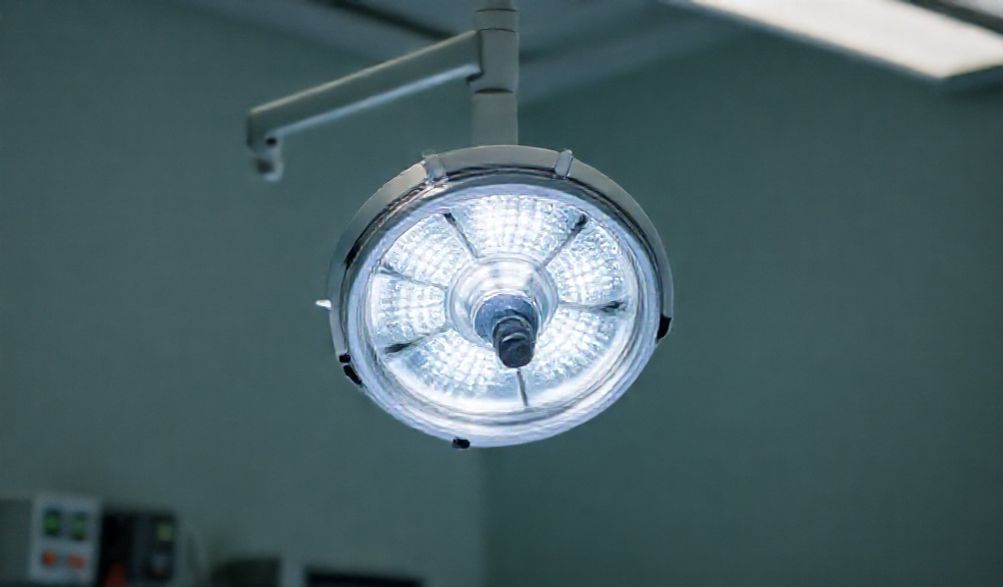
Surgical Lamps: A Comprehensive Guide to Technology, Safety, and Selection
Introduction
What is the single most important tool in an operating room? While the scalpel, sutures, and imaging systems are vital, there is a compelling argument for a more fundamental piece of technology: the surgical lamp. Without optimal illumination, even the most skilled surgeon’s precision is compromised. The quality of light directly influences the ability to discern critical anatomical structures, differentiate tissue types, and work for extended periods without debilitating eye strain. This guide is designed to be a trusted, expert-driven resource for surgeons, OR nurses, hospital procurement teams, and biomedical engineers. We will demystify the technology behind modern surgical lighting, translate key performance metrics, and provide a clear framework for selecting and maintaining the systems that form the visual foundation of every successful procedure. The information herein synthesizes manufacturer specifications, clinical studies, and industry best practices to empower you with knowledge.
The Critical Role of Surgical Lighting in Modern Medicine
Surgical lighting has evolved far beyond simply “lighting up the room.” It is a sophisticated medical device engineered to create a visual environment where safety and precision are paramount.
Beyond Illumination: How Lighting Impacts Surgical Precision and Patient Safety
The primary goal of a surgical lamp is to provide shadow-free, high-contrast illumination of the surgical site. This is not merely a convenience; it is a critical safety factor. Inadequate lighting can lead to:
* Increased Surgeon Fatigue: Poor color rendering or glare forces the eye to work harder, leading to strain, headaches, and decreased concentration during long procedures.
* Reduced Visual Acuity: In procedures like microsurgery, neurosurgery, or deep cavity work (e.g., pelvic or cardiothoracic surgery), the ability to see minute details—a small nerve, a tiny vessel, or a subtle tissue color change—is directly tied to patient outcomes. A high-quality lamp provides the depth of field and clarity necessary for such precision.
* Risk of Error: Shadows cast by the surgeon’s head or hands can obscure the field, potentially leading to inadvertent injury to surrounding structures.
Advanced lighting systems are therefore engineered to minimize these risks, directly contributing to reduced operative times and enhanced surgical accuracy.
A Brief Evolution: From Incandescent to LED Systems
Understanding the history of surgical lighting underscores the technological leaps made. Early 20th-century ORs relied on simple incandescent bulbs and natural light, which provided poor intensity and significant heat. The mid-century introduction of halogen lamps was a major step forward, offering brighter, more focused light. However, halogen systems generated intense radiant heat, potentially drying out tissues and causing discomfort for the surgical team.
The true paradigm shift arrived with the adoption of Light Emitting Diode (LED) technology. LEDs represented a revolution: they are cooler, far more energy-efficient, incredibly durable, and offer unparalleled control over light color and quality. This transition established LED as the uncontested gold standard in modern operating rooms.
Core Technologies & Features of Advanced Surgical Lamps
Today’s surgical lamps are marvels of optical and mechanical engineering. Understanding their core components is key to making an informed selection.
LED Illumination: The Gold Standard
Virtually all new surgical lighting systems are LED-based, and for good reason:
* Minimal Heat Emission: LEDs convert most energy into light, not infrared radiation. This is codified in standards like ISO 80601-2-70, which limits the temperature at the illuminated site to prevent tissue thermal injury.
* Exceptional Longevity: LED arrays can last 50,000 to 60,000 hours, drastically reducing the frequency and cost of bulb replacements compared to halogen.
* Energy Efficiency: They consume significantly less power, leading to lower operational costs and a reduced environmental footprint.
* High Luminosity & Stability: LEDs provide intense, consistent illumination without flicker, immediately at full power.
Understanding Key Performance Metrics
When evaluating a surgical lamp, look beyond the brochure and understand these critical specs:
* Illuminance (Lux) and Luminous Flux (Lumens): Lux measures the intensity of light falling on a surface (the surgical field). A higher lux value (typically 40,000 to 160,000+ lux at the center) ensures bright illumination. Lumens measure the total light output of the source. Depth of illumination—the ability to light deep cavities effectively—is a crucial related performance factor.
* Color Temperature (measured in Kelvin, K): This describes the “warmth” or “coolness” of white light. Surgical lamps often operate in the 4000K to 5000K range. “Cooler” light (higher Kelvin, more blue) can enhance contrast and visual acuity, while “warmer” light may be preferred for better tissue differentiation in some specialties.
* Color Rendering Index (CRI): Perhaps the most critical metric after intensity. CRI measures a light source’s ability to reveal the true colors of objects compared to natural light. A CRI of 90+ (out of 100) is essential for accurately distinguishing between arterial blood, venous blood, fatty tissue, and organ parenchyma. A low CRI can make tissues appear washed out or misleading.
Ergonomic Design and Maneuverability
A brilliant light is useless if it cannot be positioned perfectly. The mechanical design is crucial:
* Mounting: Ceiling-mounted systems (single or multi-head) are standard, offering a sterile field free of floor obstructions. Mobile floor stands are used in specific settings like minor procedure rooms or for supplemental lighting.
* Articulation: The lamp head is connected via a series of balanced arms with multiple joints. High-quality systems offer a large “reach” and can be positioned effortlessly with a light touch on a sterile handle, staying securely in place without drift.
* Sterile Handling: The handle or control panel must be designed for easy cleaning and draping to maintain aseptic technique.
Prioritizing Safety and Compliance in the Operating Room
As a Class I or Class II medical device, a surgical lamp must adhere to rigorous international safety standards.
Meeting Stringent Medical Device Regulations
Compliance is non-negotiable. Key standards include:
* IEC 60601-1: The general standard for the basic safety and essential performance of medical electrical equipment.
* ISO 80601-2-70: The particular standard for surgical lighting systems, specifying requirements for heat reduction, light field characteristics, and mechanical safety.
* Regional Certifications: Look for CE marking (Europe), FDA clearance (USA), and other relevant regional approvals, which indicate the device has been assessed for safety and performance.
Infection Control and Cleanability
The surgical lamp is a frequent point of contact in the OR. Its design must support infection control protocols:
* Sealed Housings: The lamp head should be completely sealed to prevent dust, fluids, and microbial ingress.
* Smooth, Non-porous Surfaces: All external surfaces, especially handles and control panels, should be made of materials that can withstand repeated cleaning with hospital-grade disinfectants without degrading.
* Minimal Seams and Joints: The design should have as few crevices as possible where contaminants could accumulate.
Fail-Safe Mechanisms and Redundancy
Reliability is critical in life-saving environments:
* Backup Light Systems: Many lamps have a secondary, independent LED array that activates automatically if the primary system fails.
* Emergency Battery Power: In the event of a power outage, integrated batteries should provide sufficient illumination (often at a reduced level) to allow for the safe conclusion or stabilization of a procedure.
* Thermal Management: Robust heat sinks and cooling systems prevent internal overheating, protecting electronic components and ensuring consistent performance.
How to Select the Right Surgical Lamp for Your Facility
Choosing a surgical lighting system is a significant capital investment. The decision should be driven by clinical need, not just technical specifications.
Assessing Clinical Specialties and Procedural Needs
A one-size-fits-all approach does not work. Consider the primary use case:
* General & Abdominal Surgery: Requires a large, homogeneous light field with excellent depth for deep cavity work.
* Neurosurgery & Orthopedics: Often benefits from higher color temperature and maximum intensity for detail work on bone or delicate neural structures. Multi-head systems can be advantageous for illuminating complex sites from multiple angles.
* Cardiothoracic & Vascular: Needs exceptional color rendering (CRI) to differentiate between tissue and vessel types.
* Hybrid ORs: Systems must be compatible with advanced imaging (C-arm, MRI). This requires materials that don’t interfere with imaging and designs that can be retracted or positioned out of the way.
The Procurement Checklist: Key Questions to Ask
Navigate the selection process with this practical list:
1. Clinical Requirements: What are the intensity, field diameter, and CRI needs of our most common procedures?
2. Physical Space: What is the ceiling height and load-bearing capacity? Does the lamp’s footprint and reach suit our OR layout?
3. Installation: What are the electrical and structural requirements? Who will handle installation and certification?
4. Total Cost of Ownership: Look beyond the purchase price. Consider expected lifespan, energy consumption, maintenance costs, and part replacement pricing.
5. Service & Support: What is the vendor’s service network response time? What are the terms of the warranty and recommended maintenance contract?
Integration with the Digital OR and Future-Proofing
Modern surgical lamps are becoming integrated components of the smart OR:
* Video & Imaging: Many systems offer built-in high-definition cameras for documentation, teaching, and telemedicine.
* Connectivity: Integration with OR control systems allows for preset lighting scenes and voice activation.
* Software Updates: A platform that allows for performance tuning or feature additions via software can extend the useful life of the investment.
Best Practices for Operation and Maintenance
Proper use and care maximize the performance, safety, and lifespan of your surgical lighting system.
Daily Use and Sterile Handling Protocols
- Always use the designated sterile handle to position the lamp. Avoid pushing on non-sterile parts of the arm or head.
- Move the arms smoothly and within their intended range of motion. Do not force joints or use excessive speed.
- After each procedure, thoroughly clean all accessible surfaces, especially handles, with an approved disinfectant according to hospital protocol.
Scheduled Maintenance and Performance Validation
- Regular Inspections: Biomedical engineering teams should perform scheduled checks. This includes verifying the security of ceiling mounts, testing the smoothness and balance of all arms, and inspecting cables for wear.
- Performance Calibration: At least annually, or as per manufacturer/accreditation body guidelines (like The Joint Commission), the light output should be measured. This validates that lux levels, color temperature, and CRI are within specified tolerances. A significant drop in output is a sign that maintenance or component replacement is needed.
- Professional Service: Always rely on factory-trained or certified technicians for repairs and major calibrations to maintain compliance and safety.
Frequently Asked Questions (FAQ)
Q1: What is the typical lifespan of an LED surgical lamp?
A: Modern LED surgical lamps typically have a rated lifespan of 50,000 to 60,000 hours. This equates to over a decade of normal use. Factors like operating temperature, power supply quality, and mechanical wear can influence actual longevity.
Q2: How often should a surgical light’s intensity and color be calibrated?
A: Manufacturers generally recommend an annual performance check and calibration. However, this interval should be aligned with your facility’s medical equipment management plan and the requirements of accreditation organizations, which often mandate at least an annual verification of safety and performance.
Q3: Can surgical lamps be used in hybrid ORs with advanced imaging?
A: Yes, but specific “imaging-compatible” models are required. These lamps use materials that minimize magnetic susceptibility (for MRI) and radiolucent components (for CT/C-arms) to avoid creating artifacts. Their design also allows for full retraction from the imaging field.
Q4: What are the most common causes of surgical lamp failure?
A: While LEDs themselves rarely fail, common issues include power supply unit (PSU) failures, wear and tear in the mechanical arm joints (leading to poor balance or drift), and failures in position sensors or control electronics. Consistent preventative maintenance is the best defense.
Q5: How do I choose between a single-head and multi-head lamp system?
A: A single-head lamp is often sufficient for standard procedures. A multi-head system (e.g., two or three independent lamps on one mount) provides superior flexibility for complex cases, allowing illumination from multiple angles to eliminate shadows in deep or confined surgical sites. The choice depends on OR caseload complexity, space, and budget.
Conclusion
Selecting a surgical lamp is a critical, long-term investment in the foundational infrastructure of patient safety and surgical excellence. It is a decision that impacts clinical outcomes, staff well-being, and operational efficiency for years to come. This guide has provided the framework to move from basic illumination to an informed understanding of technology, safety, and selection criteria. We encourage you to use this knowledge as a foundation for deeper consultation with your clinical engineering team, to insist on hands-on product demonstrations in a simulated OR environment, and to partner with vendors who provide robust clinical evidence and unparalleled technical support. Remember, the surgical lighting system is not just another piece of equipment; it is a pivotal pillar supporting the high-performance, safe operating room of today and tomorrow.
p>