
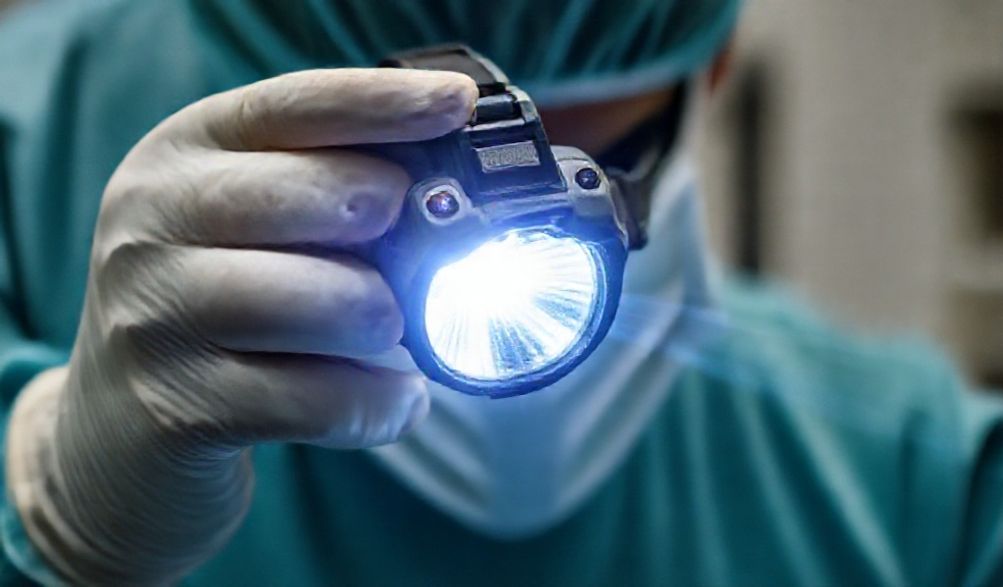
The Ultimate Guide to Surgical LED Headlamps: Enhancing Precision, Safety, and Outcomes
In the intricate world of surgery, where millimeters matter and anatomy is unforgiving, one factor underpins every successful procedure: visibility. The universal, unspoken challenge for surgeons is the relentless pursuit of clear, shadow-free, and intensely focused illumination, especially within the deep cavities and complex planes of the human body. overhead operating lights, while essential, have inherent limitations that can compromise precision and increase fatigue.
This comprehensive guide is designed to be your definitive resource on modern surgical LED headlamps. Compiled from an analysis of technical specifications, insights from surgeon testimonials, and a review of relevant clinical studies, it provides authoritative, detailed information for the discerning professional. Whether you are a surgeon, a medical resident honing your skills, or a procurement specialist tasked with equipping an OR, you are seeking more than a product brochure—you need evidence-based, practical knowledge to make a truly informed decision.
Our approach is grounded in the principles of Experience, Expertise, Authoritativeness, and Trustworthiness (E-E-A-T). We will move beyond listing features to explore the tangible clinical benefits, critical safety standards, and the practical selection criteria that matter in the operating room. This guide will detail the transformative technology behind modern surgical LED headlamps, their decisive advantages over traditional lighting, the essential features you must evaluate, and, ultimately, how to select the optimal system tailored to the unique demands of your surgical specialty.
Why Illumination is the Surgeon’s Most Critical Tool
A surgeon’s skill is paramount, but that skill is channeled through sight. Optimal illumination is not merely a convenience; it is a fundamental component of surgical performance, safety, and ergonomics.
The Limitations of Overhead OR Lights
Traditional overhead surgical lights are excellent for general field illumination but fall short in key scenarios. They create shadows when the surgeon’s head or hands obstruct the path of light, a constant issue in deep-wound or minimally invasive surgery. They can be obstructed by other staff or equipment, requiring constant repositioning that interrupts workflow. Furthermore, older halogen-based systems generate significant radiant heat, which can increase tissue desiccation and contribute to a warmer, less comfortable environment for both patient and team.
The Evolution from Halogen to LED
The shift from halogen and xenon bulbs to Light Emitting Diode (LED) technology represents a quantum leap in surgical lighting. LEDs are fundamentally more efficient, converting a higher percentage of energy into visible light rather than heat. This results in a “cooler” light source that minimizes thermal risk to tissue. Beyond efficiency, LEDs offer superior color quality and a lifespan measured in tens of thousands of hours—essentially eliminating the frequent bulb replacements and associated downtime of older systems.
Core Clinical Benefits of Superior Lighting
The advantages of a high-quality, personal LED headlamp translate directly into clinical and operational benefits:
- Enhanced Visual Acuity & Tissue Differentiation: A bright, focused beam provides direct, coaxial illumination (light travels along the surgeon’s line of sight), dramatically improving contrast and the ability to distinguish between subtle tissue types, vascular structures, and pathological margins.
- Reduced Surgeon Eye Strain and Fatigue: Struggling to see details in a shadowy or poorly lit field forces the eyes to work harder, leading to fatigue, headaches, and decreased concentration over long procedures. Consistent, shadow-free illumination reduces this cognitive load.
- Improved Surgical Precision and Procedural Speed: With optimal visualization, surgical movements become more confident and accurate. This can reduce operative time, as there is less hesitation and fewer adjustments needed to achieve the correct view.
- Potential Positive Impact on Patient Outcomes: While multifactorial, the cumulative effect of reduced surgeon fatigue, enhanced precision, and better tissue identification creates an environment conducive to safer, more efficient surgeries, which is a foundational element for positive patient outcomes.
Key Features to Evaluate in a Surgical LED Headlamp
Selecting a headlamp requires careful consideration of its core components. It’s not just about brightness; it’s about the quality, control, and compatibility of the light.
Light Source and Optics
This is the heart of the system.
* LED Type, Lumens, and Beam Pattern: Look for high-quality, medical-grade LEDs. Luminous flux (measured in lumens) indicates total light output, but beam pattern is crucial. A focused spot beam (e.g., 6-10°) is ideal for deep cavity work like neurosurgery or spine, while a wider flood beam (e.g., 15-25°) provides a broader, even field for plastic or general surgery. Many systems offer adjustable focus.
* Color Temperature & Color Rendering Index (CRI): Color temperature, measured in Kelvin (K), describes the light’s “warmth” or “coolness.” A range of 4500K to 5500K is often preferred, mimicking daylight for neutral, natural-looking tissue. CRI is arguably more critical. It measures the light’s ability to reveal the true colors of objects compared to natural light. A CRI above 90 (out of 100) is essential for accurately assessing tissue viability, inflammation, and perfusion—a non-negotiable in specialties like plastic and reconstructive surgery.
Ergonomics and Wearability
A headlamp is worn for hours; comfort is non-negotiable for performance.
* Weight Distribution and Headband Design: The system should feel balanced and secure. Look for padded, adjustable headbands that distribute weight evenly across the cranium, not just the forehead. Over-the-head or crown-style straps often provide superior stability, especially when looking down.
* Battery Pack Options: The power source significantly affects balance. Belt/waist packs move weight off the head, ideal for long procedures but add a cable. Head-mounted batteries offer ultimate freedom of movement and are often lighter but can make the headset front-heavy. The choice is highly personal and specialty-dependent.
Power and Runtime
Reliability is key—the light must last the entire procedure.
* Battery Technology and Runtime: Lithium-ion batteries are the standard, offering high energy density and no memory effect. Runtime varies by brightness setting; a quality system should provide 6-10 hours of operation on a medium setting on a single charge. Always verify real-world runtime specs, not just theoretical maximums.
* Brightness Adjustability: The ability to dim the light is essential. It allows for adaptation to different tissue depths and reduces glare and reflection off moist surfaces. Easy-to-use controls, often on the battery pack or a wired remote, are a must.
Durability and Maintenance
The OR is a demanding environment.
* IP Rating for Fluid Resistance: The Ingress Protection (IP) code indicates protection against solids and liquids. A rating of IP54 or higher is recommended, signifying protection against dust and splashes from any direction, crucial for withstanding irrigation and bodily fluids.
* Ease of Cleaning and Sterilization: Strictly adhere to the manufacturer’s Instructions for Use (IFU). Typically, the headband and certain non-electronic parts may be wipeable or even sterilizable. The light source/control module is usually only suitable for careful wiping with approved hospital-grade disinfectants. A design that facilitates easy, safe cleaning is a major advantage.
Matching a Headlamp to Your Surgical Specialty
The “best” headlamp is the one best suited to your specific procedural demands.
- Neurosurgery and Spine: Prioritize deep cavity penetration. This requires a high-intensity, very focused spot beam (narrow angle) to reach the depths of the surgical field without scatter. Excellent thermal management (cool light) is critical near sensitive neural structures.
- Plastic & Reconstructive Surgery: Color accuracy is paramount. Seek the highest possible CRI (95+) and a neutral daylight color temperature (5000-5500K) to accurately judge skin flaps, graft viability, and subtle tissue color changes. A wider, even flood beam is often preferred.
- ENT and Dental/Oral Surgery: Lightweight design and compatibility are key. The headlamp must work seamlessly with surgical loupes or microscopes without causing neck strain. A comfortable, stable headband and a bright, focused beam for working in confined spaces (sinuses, oral cavity) are essential.
- General, Vascular, and Laparoscopic Surgery: Focus on reliability and versatility. Long, variable-length procedures demand robust battery life and a durable build. An adjustable beam from spot to flood offers flexibility for both open and laparoscopic (where the headlamp can illuminate the external field during monitor work) procedures.
Beyond the Bulb: Safety, Standards, and Total Cost of Ownership
Investing in a surgical headlamp is a long-term decision with clinical and financial implications.
- Understanding Medical Device Regulations: Ensure the device carries the appropriate regulatory clearances for your region, such as FDA clearance in the United States or a CE Marking in Europe. This confirms the device has been assessed for safety and performance.
- Thermal Management: A key safety advantage of LEDs is reduced infrared emission. However, the electronic components still generate some heat. A well-designed headlamp will have effective heat dissipation pathways to ensure the housing remains at a safe temperature for both the surgeon and patient during prolonged use.
- Calculating Long-Term Value: Look beyond the initial purchase price. Consider Total Cost of Ownership (TCO):
- Battery Lifespan: Lithium-ion batteries have a finite number of charge cycles. What is the replacement cost and expected lifespan?
- Bulb Replacement: A major LED benefit: essentially no bulb replacements for the life of the device.
- Service and Support: What is the warranty period (2-3 years is standard for quality devices)? Is local technical support readily available? A slightly higher upfront cost from a manufacturer with excellent support often provides better long-term value.
Frequently Asked Questions (FAQ)
Q1: What is the typical battery life of a modern surgical LED headlamp?
A: Most high-quality systems with lithium-ion batteries offer between 6 to 10 hours of operation on a single charge at medium brightness settings. However, this varies significantly by model and the intensity level used. Always consult the manufacturer’s specifications for runtime graphs at different brightness levels.
Q2: Can surgical headlamps be used with surgical loupes?
A: Absolutely. Many headlamps are specifically designed for seamless integration with loupes. Look for models that offer compatible mounting brackets or are marketed as “loupe-mounted” systems. These are engineered to attach securely to the loupe frame, ensuring the light beam is perfectly aligned with your line of sight.
Q3: How do I properly clean and disinfect my surgical headlamp?
A: This is critical. Always follow the manufacturer’s specific Instructions for Use (IFU) to the letter. Generally, only the headband and certain non-electronic components may be suitable for low-temperature sterilization or immersion. The light source module and battery pack are almost always restricted to careful surface wiping with a recommended, hospital-grade disinfectant wipe. Improper cleaning can damage the device and void the warranty.
Q4: Is a higher lumen count always better?
A: Not necessarily. While sufficient output is needed, excessive brightness can cause uncomfortable glare and problematic reflections off wet tissue surfaces, potentially obscuring details. The optimal lumen level depends on your specialty and working depth. A light with excellent adjustability and a very high Color Rendering Index (CRI) is often more valuable than one with simply the highest maximum output.
Q5: What warranty and support should I expect?
A: Reputable medical device manufacturers stand behind their products with robust warranties, typically ranging from 2 to 3 years on the core components. Equally important is accessible, responsive technical and customer support. Before purchasing, inquire about the support process. This level of after-sales service is a key part of the value proposition for mission-critical operating room equipment.
Conclusion
Choosing a surgical LED headlamp is a significant professional decision. It is an investment in a tool that directly impacts your procedural efficacy, personal ergonomics, and ultimately, patient safety. As we have explored, the best choice is rarely the one with the most impressive-sounding specs on paper, but rather the system that most reliably, comfortably, and effectively meets the specific and often demanding requirements of your daily surgical practice.
Drawing on the principles of expertise and trustworthiness, we advise a thorough selection process: consult with experienced colleagues about their preferences, request hands-on demonstrations from reputable medical equipment suppliers, and prioritize devices backed by clear clinical design rationale and strong, responsive manufacturer support. The goal is to forge a partnership with a tool that feels like a natural, seamless extension of your own skill and vision—illuminating the path to superior surgical care.
Your Next Step: Contact a trusted medical equipment provider to schedule a trial with your shortlisted models. Experience the difference in a simulated or clinical setting firsthand, assessing not just the light, but the comfort, balance, and controls under conditions that mimic your real-world workflow.
p>