
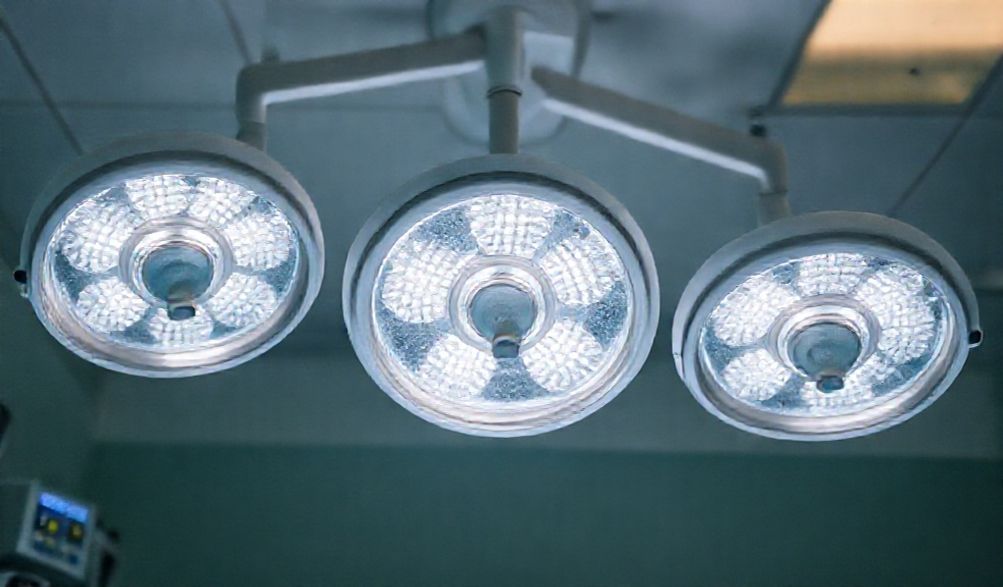
Surgical Lights: A Comprehensive Guide to Types, Technology, and Selection for Optimal Operating Room Outcomes
In the high-stakes environment of an operating room, where a millimeter can mean the difference between success and complication, one factor is fundamentally indispensable: light. More than mere visibility, optimal surgical illumination is a critical tool that directly impacts a surgeon’s precision, the procedure’s duration, and, most importantly, patient safety. A single shadow obscuring a vital structure, a glare reflecting off a moist surface, or inaccurate color rendering of tissue can compromise outcomes. For healthcare administrators, clinical directors, surgeons, and biomedical engineers, selecting the right surgical lighting system is not a simple procurement task—it’s a strategic investment in clinical excellence.
This comprehensive guide serves as an authoritative resource, synthesizing information from peer-reviewed medical journals, international medical device standards (such as IEC 60601-2-41), and technical data from leading manufacturers. Whether you are comparing LED versus legacy technologies, deciphering key specifications for a tender, budgeting for an OR upgrade, or ensuring regulatory compliance, this article will illuminate the path forward. We will explore the evolution of surgical lights, break down the core technology and features of modern systems, provide a practical procurement checklist, and glimpse into the future of OR illumination.
The Evolution of Surgical Lighting: From Sunlight to Smart LED Systems
The history of surgical lighting mirrors the history of surgery itself—a relentless pursuit of clarity, control, and improved conditions for healing.
Early Methods and the Advent of Electric Lights
For centuries, surgeons were constrained by the sun. Operating theaters were designed with large north-facing windows to maximize consistent, shadow-free natural light. When night or weather intervened, procedures relied on candles, oil lamps, and later, gas lamps—sources that were dim, flickering, hot, and dangerously flammable. The late 19th and early 20th centuries brought the first dedicated electric surgical lamps. These early units, often single-point sources with incandescent bulbs, were a revolution, but they created harsh shadows and generated immense radiant heat that could dry out tissues and discomfort the surgical team.
The Halogen Era and Its Limitations
The introduction of halogen bulb technology in the mid-20th century became the long-standing standard. Halogen lights offered brighter, whiter light compared to their incandescent predecessors. However, their limitations were significant. Over 90% of the energy they consumed was emitted as infrared radiation (heat), requiring complex filter systems to protect the surgical site. They were energy-inefficient, had a relatively short lifespan (typically 1,000-2,000 hours), and necessitated frequent, costly bulb replacements that also risked OR sterility.
The LED Revolution in the Operating Room
The advent of Light Emitting Diode (LED) technology has fundamentally transformed surgical illumination, much as it has other fields. LEDs represent a paradigm shift, offering:
* Cool Light: LEDs emit minimal infrared radiation, drastically reducing the heat directed onto the patient and surgical team, enhancing comfort and tissue viability.
* Energy Efficiency: They consume up to 75% less power than halogen systems, leading to substantial operational cost savings and a smaller environmental footprint.
* Exceptional Longevity: With lifespans often exceeding 50,000 hours, LED surgical lights can last for years without a bulb change, minimizing maintenance disruptions and long-term costs.
* Superior Color Rendering: Advanced LEDs can be tuned to produce light with a very high Color Rendering Index (CRI), crucial for accurate visual diagnosis.
Core Technology & Key Features of Modern Surgical Lights
Understanding the technical specifications of surgical lights is key to making an informed decision. It’s not just about brightness; it’s about the quality and controllability of light.
Understanding Light Quality Metrics
- Illuminance (Lux): This measures the intensity of light falling on the surgical field. While general surgery may require 40,000 to 160,000 lux, delicate specialties like neurosurgery or ophthalmic surgery often demand intensities at the higher end of that spectrum to illuminate deep, narrow cavities.
- Shadow Reduction: One of the most critical advances is multi-point source technology. Instead of one bulb, modern lights use an array of LEDs arranged in a ring or pattern. When a surgeon’s hand or instrument blocks one light source, the others fill in the shadow, creating a diffuse, uniform field of light with only a soft, penumbral shadow.
- Color Rendering Index (CRI): CRI measures a light source’s ability to reveal the true colors of objects compared to natural light. In surgery, a high CRI (≥90, where 100 is perfect sunlight) is non-negotiable. It allows surgeons to accurately distinguish between arterial and venous blood, identify subtle tissue variations, and recognize pathological changes.
- Depth of Field: This refers to the light’s ability to provide consistent, deep-cavity illumination without “hot spots” at the surface and darkness below. Good depth of field is achieved through optical lens systems that focus and project light evenly into wounds or anatomical cavities.
Primary Lighting Systems: Ceiling-Mounted vs. Surgical Headlights
- Ceiling-Mounted Systems: The workhorse of the main operating room. They are suspended on multi-articulated arms for maximum positioning flexibility. Pros include powerful, broad-field illumination, excellent shadow control, and hands-free operation. They are ideal for open procedures in general surgery, orthopedics, and trauma.
- Surgical Headlights: These are wearable systems, often integrated with loupes (magnification glasses). They provide a direct, coaxial light source that follows the surgeon’s gaze perfectly into deep or minimally invasive incisions. They are essential for specialties like spinal, ENT, and plastic surgery. The choice is not always either/or; many ORs use ceiling lights for general illumination supplemented by headlights for critical dissection.
Sterility and Integration: Handling Systems and Design
The surgical light is a major piece of equipment within the sterile field. Its design must prioritize infection control.
* Seamless Surfaces: Housings must be completely smooth, without crevices or joints where contaminants can lodge, and be easily wipeable with hospital-grade disinfectants.
* Sterile Handling: To prevent contamination, modern lights feature control systems that can be manipulated without breaking sterility. This includes sterile silicone sleeves over handles, touchless infrared or foot-pedal controls, and even voice activation.
How to Choose the Right Surgical Lighting System: A Procurement Checklist
Selecting a surgical light requires a balanced evaluation of clinical needs, technical performance, operational logistics, and financial impact.
Assessing Clinical Requirements by Surgical Specialty
Engage your surgical staff early. A cardiac team needs intense, deep-cavity light with excellent shadow control for sternotomies. An endoscopic suite may prioritize integration capabilities with camera systems. Neurosurgery demands exceptional depth of field and the option for cool, blue-tinted light to enhance contrast. Create a requirements list based on the most demanding procedures performed in the room.
Evaluating Technical Specifications & Performance
Use a comparative checklist during vendor evaluations. Here is a simplified example:
| Specification | Ideal Benchmark | Importance |
| :— | :— | :— |
| Illuminance (Lux) | 40,000 – 160,000+ (adjustable) | Core measure of brightness for the surgical field. |
| Color Rendering Index (CRI) | ≥ 90 (out of 100) | Critical for accurate tissue differentiation. |
| Field Diameter | Adjustable (e.g., 15cm – 30cm) | Allows focusing light on small incisions or widening for large fields. |
| Shadow Reduction | Multi-point LED array (≥2 sources) | Minimizes disruptive shadows from hands and instruments. |
| Power Consumption | Low (LED typically < 150W vs. Halogen 500W+) | Impacts operational costs and heat output. |
| Lifespan (LED) | 50,000+ hours | Reduces maintenance frequency and long-term TCO. |
Considering Operational & Financial Factors
- Total Cost of Ownership (TCO): Look beyond the purchase price. Calculate energy savings, the cost and frequency of bulb replacements (negligible for LEDs), and potential service contracts. An LED system with a higher upfront cost often has a far lower TCO over 10 years than a halogen system.
- Ease of Maintenance: Can the external surfaces be cleaned quickly and thoroughly? Is the balance and movement smooth after years of use? What is the local service and support network like?
- OR Integration: Consider the light’s physical footprint, ceiling load requirements, and potential for future integration with devices like 4K cameras, video recorders, or augmented reality systems.
Safety, Compliance, and Certification
This is non-negotiable. Any surgical light must carry the appropriate regulatory markings for its region—FDA clearance/approval in the United States, CE marking in Europe, etc. Crucially, it must be designed and tested to comply with the international safety standard IEC 60601-2-41, which specifically governs the essential performance and safety of surgical luminaires. Always request and verify certification documents.
The Future of Surgical Illumination: Trends and Innovations
The surgical light is evolving from a passive illuminator into an intelligent node in the digital operating room.
Integration with Digital Operating Rooms
The next generation of “smart” lights features built-in 4K/8K cameras, video recording modules, and streaming capabilities. They can seamlessly capture the surgical field without obstructing the surgeon’s view or requiring separate, bulky equipment, feeding high-definition video to displays, recording systems, and telemedicine platforms.
Advanced Visualization: Auto-Focus and Augmented Reality (AR)
Imagine a light that automatically adjusts its focus and intensity as the surgeon moves deeper into a cavity. Prototypes exist. Furthermore, research is underway into AR integration, where the light projector could overlay pre-operative MRI/CT scans or vital anatomical navigation data directly onto the patient’s tissue, guided by surgical tracking systems.
Enhanced Ergonomics and Control
Future systems will further reduce physical and cognitive strain. Voice-activated controls (“Light, increase intensity by 20%”), gesture recognition, and even eye-tracking for focus adjustment will allow surgeons to keep their hands on instruments and their focus on the patient. Improved counterbalancing and smoother articulation will also enhance maneuverability.
Frequently Asked Questions (FAQ) About Surgical Lights
Q: What is the typical lifespan of an LED surgical light compared to a halogen one?
A: LED surgical lights typically have a rated lifespan of 50,000 hours or more. In contrast, halogen bulbs usually require replacement every 1,000 to 2,000 hours. This means an LED light can last for over a decade under normal OR use, offering tremendous long-term cost savings and reliability.
Q: How important is the Color Rendering Index (CRI) for surgery?
A: It is extremely important. A CRI of 90 or higher (on a scale of 1-100) is considered essential for surgical applications. It ensures that tissues, blood vessels, and organs appear in their true, natural colors. This accurate color differentiation is vital for identifying anatomical structures, assessing tissue health, and ensuring precise dissection.
Q: Can surgical lights be customized for different procedures?
A: Yes, many advanced LED systems offer significant customization. Surgeons can often create and save presets for different specialties, adjusting not only the intensity (lux) but also the color temperature (from a warm, yellowish light to a cool, bluish white). For example, a cooler light might be preferred in neurosurgery for better contrast, while a warmer light could be used in plastic surgery for a more natural appearance.
Q: What are the critical maintenance requirements for a surgical light?
A: The primary daily requirement is thorough cleaning and disinfection of all external surfaces with manufacturer-approved agents to maintain sterility. For LED systems, electrical and mechanical maintenance is minimal. For all systems, periodic checks by biomedical engineering staff for alignment, balance, smoothness of movement, and integrity of handles/controls are crucial. Always adhere to the manufacturer’s scheduled service recommendations.
Q: Are portable surgical lights a viable alternative to ceiling-mounted systems?
A: Portable (floor-standing or mobile) surgical lights are excellent for specific applications: emergency rooms, minor procedure rooms, field hospitals, or as a supplemental backup light in a main OR. However, for primary illumination in a dedicated operating room, ceiling-mounted systems are generally superior. They offer more stable, hands-free positioning, better shadow control through larger multi-source heads, and do not clutter the floor space with stands and cables.
Conclusion
Choosing a surgical lighting system is a critical decision that reverberates through every procedure performed under it. It directly influences surgical precision, team ergonomics, operational efficiency, and ultimately, patient outcomes. The industry-wide shift to LED technology is now the unequivocal standard, driven by its superior light quality, cool operation, energy efficiency, and lower lifetime cost.
When making your selection, prioritize verified technical data, clinical evidence, and products with robust safety certifications. Involve your clinical end-users—the surgeons and nurses—in the evaluation process, and consult with your biomedical engineering team on serviceability and integration. While budget is always a consideration, the goal should be to optimize the balance between exceptional light quality, unwavering safety, and long-term operational value, rather than minimizing the initial purchase price alone.
As we look ahead, the role of the surgical light is set to expand. It is transitioning from a standalone tool into a central hub for visualization and data in the intelligent, connected operating room of the future. Investing in a capable, forward-compatible system today is an investment in the surgical capabilities of tomorrow.
p>