
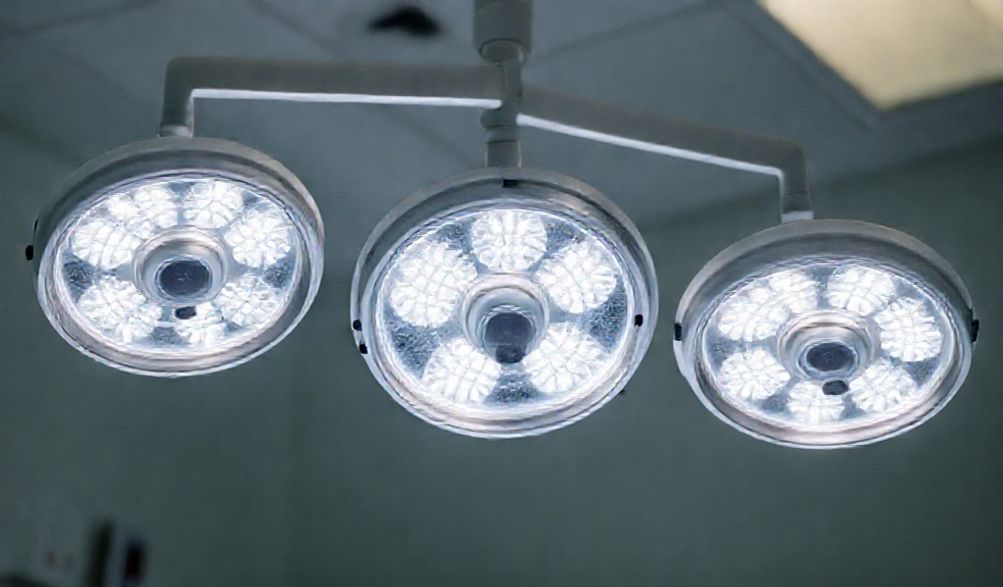
Surgical Lights for Sale: A Comprehensive Buyer’s Guide for Healthcare Facilities
In the high-stakes environment of an operating room, every detail matters. From the surgeon’s skill to the sterility of the instruments, each element contributes to a successful outcome. Yet, one critical component is often overlooked until it fails: the surgical light. More than just a source of illumination, modern surgical lighting is a sophisticated piece of medical technology that directly impacts surgical precision, tissue differentiation, staff ergonomics, and ultimately, patient safety. Choosing the wrong light can lead to eye strain, procedural delays, and even clinical errors.
This guide is designed to cut through the complexity. Drawing on industry insights and procurement knowledge for hospitals, Ambulatory Surgery Centers (ASCs), and veterinary clinics, we aim to demystify the process. We will unpack the technical jargon—lumens, color temperature, shadow reduction—and translate it into practical decision-making criteria. Our goal is not to promote a specific brand, but to provide unbiased, authoritative information that empowers you to make an informed investment. We are committed to discussing the full spectrum of considerations, from stringent international safety standards like IEC 60601-1 to the true lifecycle value of your purchase. Consider this your step-by-step manual for navigating the market of surgical lights for sale and selecting the system that perfectly aligns with your clinical demands and budgetary realities.
Understanding Surgical Lighting: More Than Just a Bright Light
Before comparing models and prices, it’s essential to understand why surgical lighting is so specialized and what key performance metrics truly matter.
The Critical Role of Surgical Lights in Modern Medicine
A surgical light’s primary job is to render the surgical site in perfect clarity. This goes far beyond simple brightness. Optimal lighting:
- Enhances Surgical Accuracy: It allows surgeons to see minute details, differentiate between subtle tissue types (e.g., arteries, nerves, fascia), and perceive depth accurately within a cavity. This visual precision is fundamental to minimally invasive and microsurgical procedures.
- Reduces Visual Fatigue: Surgeons and staff may work under these lights for hours. High-quality, uniform light with excellent color rendering minimizes eye strain and headaches, helping to maintain peak concentration throughout long procedures.
- Improves Procedural Efficiency: When the light is easy to position, provides consistent illumination without hot spots or shadows, and doesn’t emit excessive heat, the surgical team can work more smoothly and efficiently, potentially reducing operating time.
In short, surgical lighting is a direct contributor to patient safety and operational workflow. It is an investment in clinical outcomes, not just a piece of overhead equipment.
Key Technical Specifications Decoded
When evaluating surgical lights for sale, you’ll encounter specific technical terms. Here’s what they mean for your OR:
- Illuminance (Measured in Lux or Lumens): This is the amount of light that actually reaches the surgical field. Think of lumens as the total light output from the bulb, and lux as how much of that light lands on a surface. For major surgery, a minimum of 40,000 to 160,000 lux at the center of the light field is typical. Depth of illumination—maintaining adequate lux even deep in a cavity—is a key differentiator for high-performance lights.
- Color Rendering Index (CRI): Perhaps the most critical spec after brightness. CRI measures a light source’s ability to reveal the true colors of objects compared to natural sunlight (which has a CRI of 100). For surgery, a CRI of 90 or higher is essential. This allows for accurate differentiation between tissues, recognition of cyanosis (bluish skin from lack of oxygen), and assessment of perfusion (blood flow). A low CRI can distort colors, posing a clinical risk.
- Field Diameter & Depth: The light field diameter (often adjustable) should be large enough to cover the surgical site without constant repositioning. More importantly, the light must provide deep-cavity illumination—maintaining intensity and color quality even when focused into a deep wound.
- Shadow Reduction Technology: No light can eliminate all shadows created by a surgeon’s head and hands, but advanced designs minimize them. This is typically achieved through multiple LED point sources arranged in a specific configuration (like a parabolic reflector) or via a lens system. The goal is to allow an obstruction to block only a small fraction of the total light, filling in shadows from other angles.
Types of Surgical Lights for Sale: Finding Your Perfect Fit
The first major decision point is the form factor. The right choice depends on your facility’s infrastructure, workflow, and specialties.
Ceiling-Mounted Surgical Lights
These are the standard for dedicated, fixed operating rooms.
* Advantages: They free up all floor space, offer the greatest stability, and allow for the most advanced features, such as integration with camera systems, video overlays, and room control networks. They are typically mounted on a track or fixed boom system, providing excellent reach and maneuverability.
* Ideal For: New hospital OR construction, major renovation projects, and high-volume facilities where lights are in constant use. They represent a permanent, top-tier lighting solution.
Surgical Light Heads & Systems
This refers to the actual light source, which comes in various configurations:
* Single Head: A cost-effective solution for minor procedure rooms or where a large field is not required.
* Dual Head (or “Double Ring”): The most common configuration in main ORs. Two independent light heads on a single boom provide exceptional shadow reduction and field coverage, as they can be angled from different directions.
* Multi-Head/Cluster Systems: Feature three or more smaller light heads. They offer supreme flexibility and shadow control, ideal for complex surgeries like cardiac, neuro, or orthopedic procedures where multiple surgeons need access from different angles.
Portable and Veterinary Surgical Lights
Mobility is the key feature here.
* Benefits: These standalone units on wheeled bases provide surgical-grade lighting anywhere it’s needed. They are perfect for emergency departments, labor & delivery rooms, minor procedure suites, endoscopy, and especially veterinary clinics where flexibility between rooms is required.
* Key Features to Look For: Battery backup for power failure safety, easy-adjust arms, robust construction to withstand movement, and, for veterinary use, sometimes a focus on cooler light temperatures to reduce heat stress on animals.
Essential Features to Compare When Evaluating Surgical Lights
Beyond type and core specs, these practical features significantly impact daily use and long-term value.
Sterility and Cleanability
The light must support, not hinder, aseptic protocol.
* Look for a sealed design with smooth, crevice-free surfaces that cannot harbor pathogens.
* The housing should be compatible with harsh hospital-grade disinfectants without degrading, discoloring, or corroding.
* Touchless control options (sterile handles, voice activation, or foot switches) further reduce the risk of contamination.
Maneuverability and Ergonomics
A light that is difficult to position is a frustration and a workflow bottleneck.
* Assess the balance and reach of the boom arms. They should move smoothly and stay in position precisely without drift.
* Control interfaces should be intuitive—allowing for easy adjustment of intensity and field diameter without breaking sterility.
* The effort required to reposition the light head should be minimal, reducing physical strain on staff.
Durability and Total Cost of Ownership (TCO)
The purchase price is just the beginning. True cost is measured over the life of the equipment.
* Build Quality: Robust materials and construction predict a longer, trouble-free service life.
* LED Lifespan: Modern LED modules are rated for 50,000 to 60,000 hours. Calculate this against your OR’s usage to estimate years of service before a costly module replacement.
* Serviceability: How easy is it to replace a fan, a handle, or an LED array? What is the cost and availability of parts? A light with a slightly higher upfront cost but lower maintenance expenses and longer lifespan often has a far better TCO.
* Warranty & Service Network: This is non-negotiable for critical equipment. A strong warranty and a responsive, certified technical service team are invaluable.
A Step-by-Step Guide to Purchasing Surgical Lights
Follow this structured process to ensure a successful procurement.
Step 1: Asses Your Clinical Needs and Facility
Form a committee including surgeons, nurses, sterile processing, and clinical engineering. Ask:
* What surgical specialties will use the light? (Cardiac needs differ from ophthalmology.)
* Is this for a new construction/renovation or a retrofit into an existing room?
* What is the ceiling structure (weight capacity)? Is there existing track or electrical in place?
Step 2: Set a Realistic Budget (Including Hidden Costs)
Budget for the total project, not just the light on the brochure:
* Equipment cost
* Shipping and freight
* Professional installation & rigging
* Potential electrical upgrades or ceiling reinforcement
* Staff training time
* Future service contracts or warranty extensions
Step 3: Research Reputable Manufacturers and Suppliers
Vet potential suppliers thoroughly:
* How long have they been in the market?
* Do their products carry all necessary certifications (IEC 60601-1, ISO 13485)?
* Can they provide clinical studies or white papers on their technology?
* What does their service network look like? Is there a local or regional technician?
Step 4: Request Demos, Quotes, and References
- Insist on a live demonstration in your facility if possible, or a detailed video walkthrough. Have your surgical team test the maneuverability and light quality.
- Obtain detailed, line-item quotes for easy comparison.
- Ask for and contact references from similar facilities. Ask about performance, reliability, and quality of service support.
Step 5: Plan for Installation and Staff Training
- Coordinate closely between the supplier’s installers and your facility’s engineering team.
- Schedule mandatory training for all potential users—surgeons, nurses, and techs. Proper use ensures safety, longevity, and maximizes the return on your investment.
Frequently Asked Questions (FAQ) About Buying Surgical Lights
Q: What is the typical lifespan of modern LED surgical lights?
A: High-quality LED surgical lights are typically rated for 50,000 to 60,000 hours of use. With normal operating room schedules, this can translate to over a decade of service before a significant drop in light output, far surpassing old halogen or metal-halide systems.
Q: Can I install new surgical lights in my existing operating room?
A: Yes, retrofits are very common. However, they require a professional assessment. A certified installer must evaluate your ceiling’s structural integrity to support the weight, check the compatibility of existing track systems (if any), and ensure the electrical infrastructure can handle the new load. Never assume a direct swap is possible.
Q: Are refurbished surgical lights a good option?
A: Refurbished lights from a highly reputable, certified vendor can be an excellent way to stretch your budget. The key is verification. Ensure the unit has been completely overhauled, fitted with new LED modules, recertified to meet current IEC 60601-1 safety standards, and comes with a solid warranty. For a brand-new, high-volume main OR, new equipment is often the preferred choice for maximum reliability and the latest features.
Q: How important is service and warranty?
A: Critically important. Surgical lights are not “set and forget” appliances. A comprehensive warranty (covering parts, labor, and sometimes even loaner equipment) is your first line of defense. More crucial is the supplier’s service network’s responsiveness. OR downtime is extraordinarily expensive and disruptive; a 24/7 support line and rapid on-site service are invaluable components of your purchase.
Conclusion
Selecting the right surgical lights for sale is one of the most significant investments a healthcare facility can make in its clinical capability, staff well-being, and physical infrastructure. It is a decision that will resonate in your operating rooms for a decade or more. As you move forward, let this guide serve as a reminder to prioritize clinical performance, uncompromising safety, and long-term total cost of ownership over the allure of the lowest initial bid.
Conduct thorough due diligence. Involve your clinical end-users and biomedical engineering team from the start. Demand transparency, detailed data, and hands-on demonstrations from suppliers. Use the insights here to build a robust Request for Proposal (RFP) and as a checklist during evaluations. By taking a meticulous, informed approach, you can confidently procure a surgical lighting system that illuminates the path to better patient outcomes and operational excellence for years to come.
p>