
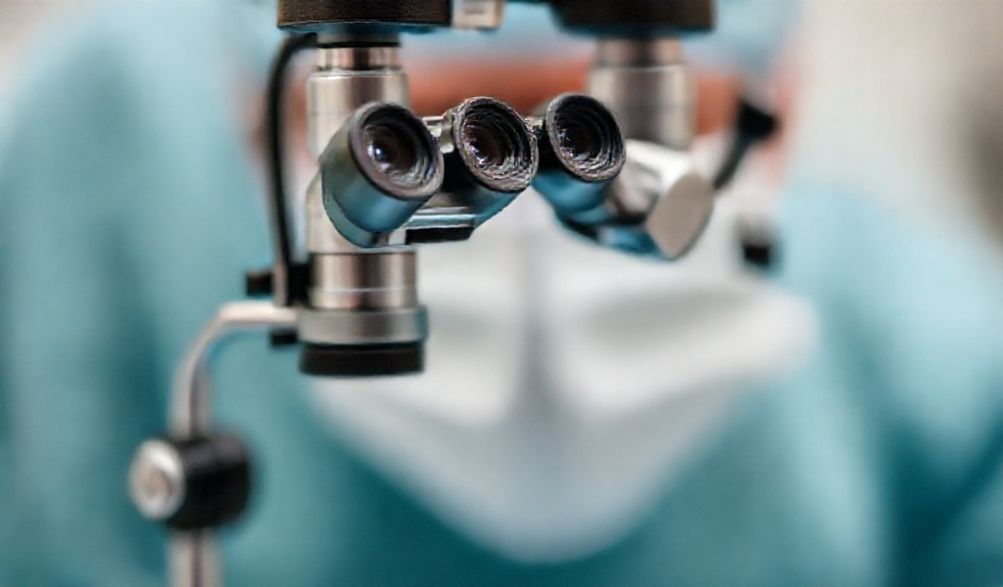
Surgical Loupes: A Surgeon’s Guide to Enhanced Precision, Ergonomics, and Performance
Introduction
Picture this: you’ve just completed a four-hour microvascular anastomosis. In years past, such a procedure might have left you with a stiff neck, aching back, and eyes straining from the effort of focusing on minute structures. Today, however, you feel a sense of clarity and relative ease. The critical difference wasn’t just skill or experience—it was the pair of precision optical instruments resting on your nose: your surgical loupes.
This scenario is increasingly common in modern operating rooms, outpatient centers, and dental suites. But what exactly are surgical loupes, and why have they transitioned from a niche tool to an indispensable piece of equipment for so many medical professionals? Beyond simply making things look bigger, loupes represent a fundamental investment in surgical accuracy, procedural efficiency, and, most importantly, the long-term physical well-being of the surgeon.
This comprehensive guide is designed to be your trusted resource. We’ve synthesized insights from peer-reviewed ergonomics studies, technical specifications from leading manufacturers, and the firsthand accounts of surgical professionals. Whether you’re a resident selecting your first pair or an experienced surgeon considering an upgrade, you will learn about the different types of loupes, the critical specifications that matter for your specialty, the non-negotiable importance of a professional fitting, and the evidence-based benefits that make loupes a cornerstone of modern, high-performance surgery.
What Are Surgical Loupes? Defining the Essential Surgical Tool
Beyond Simple Magnification Glasses
At first glance, surgical loupes may resemble sophisticated magnifying glasses. However, their design and purpose are far more specialized. Surgical loupes are binocular magnification systems mounted on a glasses frame. They use converging lenses to provide a magnified, stereoscopic (three-dimensional) view of a close-range working area, typically between 14 to 22 inches from the surgeon’s eyes.
This stereoscopic vision is crucial. Unlike a single-lens magnifier or reading glasses, which offer a flat, two-dimensional image, binocular loupes maintain depth perception. This allows a surgeon to accurately judge spatial relationships—vital when dissecting tissue planes, placing sutures, or identifying delicate neural and vascular structures. They are precision instruments for the human hand, transforming a macroscopic procedure into a controlled, detailed task.
A Brief History and Evolution in Surgery
The use of magnification in surgery dates back centuries, but the modern era of surgical loupes began in the 1950s and 60s. Initially adopted by dentists and oral surgeons, their value quickly became apparent in other fields requiring fine detail work, such as ophthalmology and otolaryngology.
The evolution has been driven by materials science and optical engineering. Early models were heavy and offered limited clarity. Today’s loupes feature:
* Lightweight, durable frames (often titanium or advanced polymers).
* High-resolution, multi-element lenses with anti-reflective coatings to maximize light transmission and reduce glare.
* Precision engineering for customizable working distances and declination angles.
This technological progress has made loupes more comfortable, effective, and accessible, fueling their widespread adoption across nearly all surgical and procedural specialties.
Core Benefits: Why Surgeons Rely on Loupes
The decision to use loupes is often framed as a choice for better visualization. While true, the benefits are profoundly multidimensional, impacting outcomes, efficiency, and career longevity.
Enhanced Visual Acuity and Surgical Precision
The primary function—magnification—is deceptively simple in its impact. By bringing the surgical field closer, loupes reduce the eye’s accommodative effort, significantly decreasing visual fatigue. This allows for sustained focus during long procedures.
More importantly, they reveal anatomical details invisible to the naked eye. A study in The Journal of Hand Surgery noted that using 2.5x magnification in carpal tunnel surgery improved the identification and protection of critical neural structures. In plastic surgery, microsurgery, and vascular surgery, this enhanced acuity translates directly to more meticulous dissection, cleaner margins, and more precise anastomoses, which are correlated with improved patient outcomes like reduced complication rates and better healing.
Promoting Surgeon Ergonomics and Reducing Fatigue
Perhaps the most significant long-term benefit is ergonomic. Surgeons historically adopt a “head-down” posture, flexing the cervical spine for hours. This leads to a high prevalence of career-altering musculoskeletal disorders (MSDs).
Loupes combat this through their engineered declination angle—the angle at which the optical barrels are tilted downward. Properly fitted loupes force the surgeon to maintain a more upright, neutral spinal posture by bringing the visual target up to the eyes, rather than craning the neck down to the target. Research in JAMA Surgery and other journals consistently links loupe use to reduced reports of neck and back pain. They are not just a tool for seeing better but a vital intervention for preserving the surgeon’s own physical health, potentially extending a surgical career by years.
Improving Surgical Efficiency and Procedure Outcomes
The combination of better vision and improved comfort creates a powerful synergy for efficiency. With clearer visualization, surgeons often report fewer pauses to re-examine anatomy or confirm landmarks. Movements become more deliberate and assured. This can contribute to modest reductions in operative time for complex procedures. Furthermore, by minimizing physical discomfort, loupes help maintain a surgeon’s fine motor control and cognitive focus throughout a long day, reducing the risk of fatigue-related errors.
Types of Surgical Loupes: Finding the Right Fit for Your Specialty
Not all loupes are created equal. Understanding the two main classifications—optical system and mounting style—is key to selecting the right tool.
Galilean vs. Prismatic (Keplerian) Loupes
This distinction refers to the internal lens system.
| Feature | Galilean Loupes | Prismatic (Keplerian) Loupes |
| :— | :— | :— |
| Optical Design | Simpler, uses two lenses. | Complex, uses a series of prisms to fold the light path. |
| Magnification Range | Lower (typically 1.5x to 3.5x). | Higher (3.5x to 8.0x and beyond). |
| Depth of Field | Shorter. | Longer, a significant advantage at high power. |
| Field of View | Wider at lower magnifications. | Narrower, especially at higher magnifications. |
| Weight & Size | Lighter and more compact. | Heavier and bulkier due to prisms. |
| Cost | Generally less expensive. | More expensive. |
Guidance: Galilean systems are excellent for general surgery, plastic surgery, dentistry, and procedures where a balance of magnification and a wide field of view is needed (e.g., 2.5x-3.5x). Prismatic systems are the choice for specialties requiring high magnification and an extended depth of focus, such as microsurgery, neurosurgery, and intricate ophthalmic or vascular procedures.
Through-The-Lens (TTL) vs. Flip-Up Loupes
This refers to how the optical assembly attaches to the frame.
- Through-The-Lens (TTL): The magnification barrels are permanently mounted within the carrier lens. They are custom-built for the wearer’s pupillary distance (PD) and working distance.
- Pros: Lightweight, always perfectly aligned, no moving parts, streamlined profile.
- Cons: Cannot be shared, and you must look through them at all times while worn.
- Flip-Up Loupes: The magnification assembly is mounted on a hinge, allowing it to be flipped up and down.
- Pros: Flexibility to quickly switch between magnified and normal vision; can be shared among users (if adjusted); the frame can be used for prescription glasses alone.
- Cons: Slightly heavier, can become misaligned if bumped, and may have a bulkier feel.
The choice often comes down to personal workflow. Surgeons who work almost exclusively under magnification often prefer TTL for its comfort and stability. Those who need frequent breaks from magnification (e.g., for chart review or communication with the wider OR team) may value the flexibility of flip-ups.
Key Specifications and How to Choose Your Loupes
Selecting loupes involves balancing several interdependent specifications. Here’s what you need to know:
Magnification Power (2.5x, 3.5x, 4.5x, etc.)
More power isn’t always better. Higher magnification comes with trade-offs: a smaller field of view and a shorter depth of field. You may have to move your head more to see around the surgical site, and slight movements can take the target out of focus.
- Practical Recommendations:
- 2.0x – 3.0x: Ideal for general surgery, obstetrics/gynecology, orthopedic procedures (like joint replacements), and many dental applications. Offers a great balance of magnification and situational awareness.
- 3.5x – 4.5x: Common in plastic/reconstructive surgery, vascular surgery, and detailed dental work. Provides finer detail for suturing and dissection.
- 5.0x and above: Reserved for microsurgery, neurosurgery, and ophthalmology. Requires significant adaptation and is almost always paired with a high-quality headlight.
Working Distance and Field of View
- Working Distance: This is the distance from your eye to the surgical target when the image is in perfect focus. It is measured during fitting and is based on your posture and arm’s reach. An incorrect working distance will force you into an awkward, strained position.
- Field of View (FOV): The diameter of the magnified area you can see at a given working distance. A wider FOV is generally preferable for maintaining situational awareness. Remember, FOV decreases as magnification increases.
Depth of Field and Declination Angle
- Depth of Field: The range along the line of sight (closer and farther than the perfect working distance) that remains acceptably in focus without moving your head. A longer depth of field, a hallmark of prismatic loupes, is highly desirable as it reduces the need for constant refocusing.
- Declination Angle: This is the ergonomic linchpin. It’s the downward tilt of the optical barrels, measured in degrees. A proper declination angle (typically between 25-45 degrees) allows you to look straight ahead with your head upright while your eyes are angled down into the loupes to see the surgical field. An expert fitter will calculate this based on your height, seated posture, and standard table height.
The Critical Importance of Professional Fitting and Adjustment
Purchasing loupes online based on generic specs is one of the biggest mistakes a surgeon can make. Ill-fitting loupes are worse than no loupes at all, as they can force you into an even more contorted posture, accelerating injury.
Why a “One-Size-Fits-All” Approach Fails
Your interpupillary distance (PD), working distance, and required declination angle are as unique as your fingerprint. Off-the-shelf solutions cannot account for this, nullifying the ergonomic benefits and causing eye strain, headaches, and neck pain.
The Fitting Process: What to Expect
A professional fitting, usually conducted by a certified representative from the loupe company, is a detailed process:
1. Postural Assessment: The fitter observes your natural seated posture at a mock surgical table.
2. Measurement of PD: Your exact distance between pupils is measured.
3. Determination of Working Distance: Using a focusing target, you assume your operative posture, and the ideal eye-to-target distance is established.
4. Calculation of Declination Angle: Based on your height and posture, the correct barrel tilt is set.
5. Frame Selection & Adjustment: A comfortable, secure frame is selected and adjusted to your head.
6. Trial & Verification: You trial the adjusted loupes, often with a simulated task, to ensure comfort and clarity.
Never skip this step. It is the single most important factor in a successful loupe experience.
Integrating Loupes with Lighting and Cameras
Loupes are part of a system. Magnification inherently reduces the amount of ambient light reaching your eyes. To see the enhanced detail clearly, you need to add light.
Surgical Headlights: The Essential Companion
A surgical headlight is non-optional for serious loupe use. The best systems provide bright, coaxial illumination (light that travels along the same axis as your line of sight), eliminating shadows that can obscure depth perception. LED technology has made these lights cool, lightweight, and long-lasting. When selecting loupes, strongly consider a bundled or compatible headlight system.
Loupe-Mounted Cameras for Documentation & Training
Many loupe models offer the option to attach a small, high-definition camera to one of the optical barrels. This is transformative for:
* Teaching & Training: Allowing students and assistants to see exactly what the surgeon sees.
* Documentation: Capturing still images or video for patient records, publications, or legal documentation.
* Telemedicine: Facilitating remote proctoring or consultation during a procedure.
Frequently Asked Questions (FAQ)
What is the typical cost range for surgical loupes, and is financing available?
A basic Galilean system can start from $800 – $1,500. High-end, custom-fitted prismatic loupes with a prescription and a quality headlight can range from $2,500 to over $6,000. Most reputable suppliers offer financing plans or leasing options. Additionally, many hospitals, universities, and group practices have subsidy or reimbursement programs for this essential professional equipment—it’s always worth inquiring.
How long does it take to adapt to using surgical loupes?
Most surgeons report an adaptation period of 1 to 2 weeks of consistent use. The main challenge is recalibrating hand-eye coordination in a magnified field. Practicing simple tasks like suturing on a bench model or tying knots can accelerate this process. The ergonomic posture may also feel unusual at first but will soon become natural.
Can I wear my prescription glasses with surgical loupes?
The best and most common solution is to have your personal prescription ground directly into the ocular lenses of the loupes. This is done during manufacturing. Some flip-up models offer clip-on magnifiers that sit over prescription glasses, but this can compromise ergonomics, field of view, and comfort. Integrated prescription is the gold standard.
How do I clean and maintain my surgical loupes?
Proper care protects your investment:
1. Use only a clean, dry, microfiber lens cloth.
2. For smudges, use a drop of lens cleaning fluid designed for coated optics (never alcohol, window cleaner, or saliva).
3. Gently wipe the lenses in a circular motion. Always store them in a hard protective case when not in use. Have them professionally checked and adjusted annually.
Are there any downsides or risks to using surgical loupes?
The primary downsides are the initial financial investment and the short adaptation period. The only significant risk arises from using improperly fitted loupes, which can cause musculoskeletal strain. When selected correctly and fitted professionally, the vast body of evidence confirms that the benefits for precision, ergonomics, and career health overwhelmingly outweigh these initial hurdles.
Conclusion
Surgical loupes are far more than magnifying glasses. They are a sophisticated, personalized tool that fundamentally enhances a surgeon’s interface with the operative field. They are an investment simultaneously in patient safety—through enhanced precision and improved outcomes—and in surgeon longevity—by promoting a healthy, sustainable posture that mitigates career-threatening injuries.
The journey to selecting your loupes is a highly personal one, dictated by your surgical specialty, your physical anatomy, and your individual comfort. It requires careful consideration of magnification, working distance, and optical type. However, above all other factors, the single most critical step is committing to a comprehensive, professional fitting with a reputable vendor. The right loupes, meticulously fitted, cease to be a piece of equipment and become a seamless, empowering extension of the surgeon’s own senses.
In the modern, ergonomically-conscious operating room, loupes have moved from optional accessory to foundational technology. They empower surgeons to perform at their absolute peak, delivering superior care for their patients while safeguarding their own ability to provide that care for years to come.
p>