
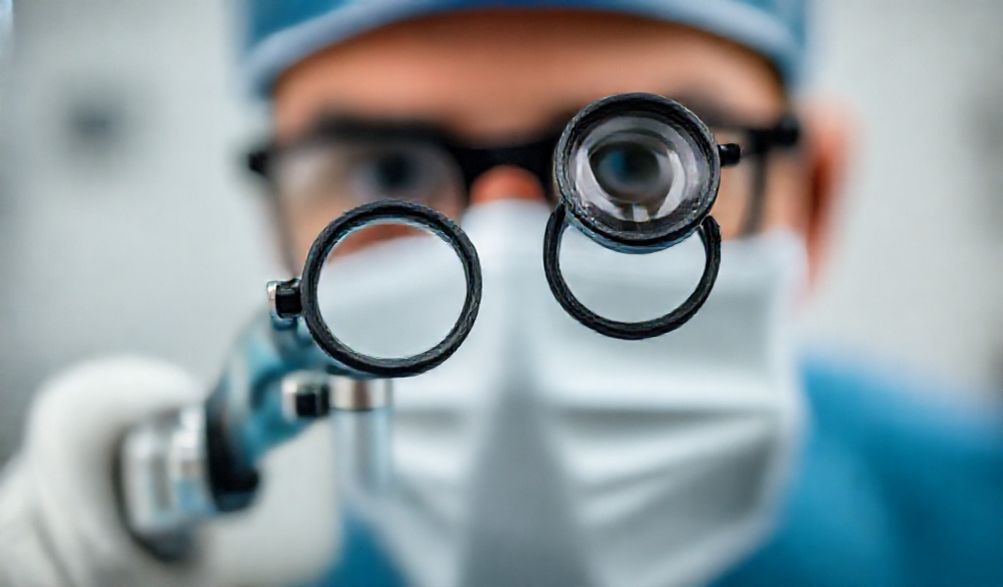
Surgical Loupes Price Guide 2024: Cost, Value, and How to Choose
For surgeons, dentists, and medical professionals, the decision to purchase surgical loupes isn’t about if, but when and for how much. This tool transcends simple magnification; it’s an extension of your skill, a guardian of your posture, and a critical component in achieving optimal patient outcomes. Yet, navigating the market can feel overwhelming. With prices ranging from a few hundred to several thousand dollars, the sheer spread is enough to give anyone pause. Is a budget-friendly option sufficient, or is the high-end investment non-negotiable?
This comprehensive guide cuts through the confusion. We’ll move beyond the sticker shock to provide a clear-eyed analysis of surgical loupes pricing. We’ll break down the precise factors that determine cost, explain the profound long-term value that lies beyond the price tag, and equip you with a step-by-step framework to make a confident, intelligent investment in the future of your career and your patients’ care.
What Factors Determine Surgical Loupes Prices?
Understanding why surgical loupes carry such a wide range of price points is the first step to making an informed decision. The cost is not arbitrary; it’s a direct reflection of the materials, technology, and customization involved. Here are the key elements that influence the final price.
Optical Quality and Magnification Strength
This is the heart of the system and the primary driver of cost. Not all lenses are created equal.
* Galilean vs. Prismatic (Through-the-Lens) Optics: Entry-level loupes typically use a Galilean system, which is simpler, lighter, and more affordable. However, they offer lower magnification (usually up to 3.0x) and a narrower field of view. Prismatic loupes use a more complex series of lenses and prisms to bend light. This allows for higher magnifications (3.5x to 8.0x and beyond), a dramatically wider and flatter field of view, and superior depth of field and clarity. The advanced engineering required makes them significantly more expensive.
* Magnification Strength: Generally, as magnification power increases, so does the price and the complexity of the optics. While a 2.5x pair might be suitable for general dental procedures, a microsurgeon might require 6.0x or higher. Higher magnification also demands a more precise working distance and a steadier head position, often requiring a more robust and adjustable frame.
Working Distance and Field of View
These are ergonomic and functional pillars that directly impact your comfort and effectiveness.
* Custom Working Distance: This is the distance from your eyes to your surgical field. An off-the-shelf loupe with a generic working distance will force you into a hunched or strained posture. A custom-measured working distance is essential and is a standard part of the fitting process for mid-to-high-end loupes. This customization ensures you maintain a neutral spine, preventing long-term musculoskeletal damage. This precision fitting adds to the cost but is invaluable.
* Field of View (FOV): This is the diameter of the area you can see clearly through the loupes. A wider FOV provides better situational awareness without needing to move your head as much. Prismatic loupes excel here, offering a much wider FOV than Galilean systems at the same magnification. Expanding the FOV without distorting the image requires superior optics, which increases the price.
Frame Materials and Design
The frame is the foundation that holds the optics in perfect alignment with your eyes.
* Materials: Lightweight, hypoallergenic materials like titanium are premium choices. They offer exceptional strength-to-weight ratios, durability, and comfort for all-day wear but come at a higher cost. Other materials like monel or flexible composites are more budget-friendly but may be heavier or less adjustable.
* Customization & Fit: A frame that pinches, slips, or feels unbalanced will render even the best optics useless. High-end systems offer extensive customization: adjustable nose bridges, customizable temple lengths, various tilt angles, and a wide selection of frame styles. This tailored fit, crucial for comfort and stability, is a key component of the price.
Integrated Lighting Systems (Headlights)
While loupes magnify, a light illuminates. Combining the two is transformative but adds considerable cost.
* The Value of Integration: A coaxial light source (one that shines directly down your line of sight) eliminates shadows and dramatically improves contrast and tissue differentiation. This is not a mere accessory for many specialties; it’s a necessity.
* Light Source Technology: LED lights are the modern standard, offering bright, cool, white light with long battery life. Systems vary in brightness (measured in lux), battery duration, and beam pattern (spot vs. flood). Premium systems offer wireless, rechargeable battery packs with quick-change capabilities and adjustable intensity. The move from a basic halogen light to a high-lux, color-corrected LED system is a significant price driver but a major upgrade in capability.
Price Ranges: What Can You Expect to Pay?
To demystify the market, let’s categorize the typical price brackets you’ll encounter. Remember, these are general ranges, and final costs depend on the specific configuration and manufacturer.
Entry-Level Galilean Loupes ($200 – $800)
- Typical Features: Off-the-shelf or limited customization, Galilean optical system, magnification up to 3.0x, standard frame materials, rarely include integrated lighting.
- Ideal User: Students, first-time buyers on a very tight budget, or professionals who need magnification only occasionally for specific, low-precision tasks.
- Pros & Cons: The low upfront cost is the main advantage. However, the trade-offs are significant: lower optical clarity, narrower field of view, potential for eye strain, and generic fit that can compromise posture. They are a starting point but often lead to an upgrade sooner rather than later.
Mid-Range Prismatic (Through-the-Lens) Loupes ($800 – $2,500)
- Typical Features: This is the “sweet spot” for most practicing clinicians. It includes custom-measured working distance and pupil distance, prismatic optics (2.5x to 4.0x commonly), a good quality frame (often with titanium components), and a wider, sharper field of view. An integrated LED light may be an add-on in the upper end of this range.
- Ideal User: General dentists, periodontists, oral surgeons, general surgeons, and other specialists who perform procedures daily and require reliable precision and ergonomics.
- Pros & Cons: Offers an excellent balance of cost and performance. The jump in optical quality and custom fit from the entry-level is dramatic. This range represents a true professional tool that supports career longevity.
High-End Custom Prismatic Loupes & Systems ($2,500 – $6,000+)
- Typical Features: The pinnacle of loupe technology. Includes fully customized, high-magnification (4.5x+) prismatic optics with the widest possible FOV. Frames are fully adjustable, ultra-lightweight titanium. This price range almost always includes a top-tier, high-lux LED headlight system. It may also encompass a “surgical ecosystem” – integration with cameras for documentation, teaching, or telemedicine.
- Ideal User: Specialists who demand maximum precision: microsurgeons, endodontists, ophthalmologists, vascular surgeons, and those who spend long hours in complex procedures.
- Pros & Cons: Represents the ultimate investment in visual acuity, ergonomics, and procedural efficiency. The cost is substantial, but for the right user, the benefits in reduced fatigue, enhanced outcomes, and career protection are incalculable.
The True Value: Why Price is Only Part of the Equation
Focusing solely on the initial purchase price is a short-sighted approach. The true cost of loupes must be evaluated over their entire lifespan, measured against the value they provide to your health, your practice, and your patients.
Investment in Ergonomics and Career Longevity
This is perhaps the most compelling argument for a quality, well-fitted system. Studies consistently show a staggering prevalence of work-related musculoskeletal disorders (MSDs) among surgeons and dentists—with neck and back pain affecting over 70% of professionals.
* The Cost of Pain: Chronic pain leads to missed work, reduced productivity, early retirement, and the personal toll of a diminished quality of life. The financial cost of treating these conditions, lost income, and potential disability far outweighs the price of premium loupes.
* Prevention is Key: Properly fitted loupes with the correct working distance force you into a neutral, upright posture. This isn’t just about comfort for the next hour; it’s about preserving your ability to perform surgery for the next 20-30 years. Framed this way, a $3,000 investment is a modest insurance policy for a multi-million dollar career.
Impact on Surgical Precision and Patient Outcomes
Your visual input directly dictates your manual output.
* Clarity Reduces Error: Superior optics provide sharper images, better depth perception, and higher contrast. This allows for more accurate incisions, cleaner margins, and more delicate tissue handling. In procedures from cavity preps to vascular anastomoses, this precision translates to reduced error rates, shorter operative times, and improved healing.
* The Patient Benefit: Ultimately, every technological advantage you employ benefits the patient. Better visualization leads to more conservative tissue removal, less trauma, and superior clinical results. This enhances your reputation, reduces the risk of complications, and fulfills the highest ethical standard of care.
Warranty, Service, and Reputation of the Manufacturer
The relationship with your loupes company doesn’t end at the checkout page.
* Long-Term Support: Reputable manufacturers offer extensive warranties (often 5-10 years on optics), responsive repair services, and upgrade paths. A cheap, no-name brand from an online marketplace may break with no recourse, turning your “bargain” into a total loss.
* Value of Expert Fitting: The fitting process itself is a service of immense value. A certified consultant ensures your measurements are perfect, teaches you how to use and care for the system, and is a resource for future adjustments. This expertise is baked into the price of loupes from established, service-oriented companies and is critical to realizing the full value of your investment.
A Step-by-Step Guide to Making a Smart Purchase Decision
Armed with knowledge, you can approach your purchase strategically. Follow this framework to find the perfect system for your needs.
Step 1: Assess Your Clinical Needs (Specialty, Procedures)
Ask yourself: What do I do all day? A pediatric dentist doing quick exams has different needs than an oral surgeon placing implants or a plastic surgeon performing microsurgery. Define the required magnification, field of view, and need for lighting based on your actual clinical workflow.
Step 2: Set a Realistic Budget (Including Accessories)
Be honest about what you can invest. Remember to budget for the total system: loupes, headlight, charger, carrying case, and any desired accessories (e.g., a flip-up mechanism, prescription inserts). If considering financing, understand the terms upfront.
Step 3: Prioritize Key Features Over “Nice-to-Haves”
Create two lists: “Must-Haves” and “Wish List.” Your “Must-Haves” should align with Step 1. For example, “4.0x magnification and a 450mm working distance” is a need; “a specific frame color” is a want. This keeps you focused on performance.
Step 4: The Critical Importance of a Professional Fit
This step cannot be overstated. Never buy custom loupes without a professional fitting, either in-person or via a detailed virtual fitting protocol. A certified consultant will measure your interpupillary distance, working distance, and declination angle to ensure optical alignment. A poorly fitted $5,000 loupe is a worse investment than a perfectly fitted $1,500 pair. This service is where quality brands earn their reputation.
Step 5: Explore Financing, Insurance, and Tax Implications
- Financing: Most major manufacturers offer payment plans with low or no interest, making high-end systems more accessible.
- Tax Advantages: Surgical loupes are typically considered a qualified medical expense. You can likely use HSA or FSA funds to pay for them with pre-tax dollars, effectively reducing the cost by your tax rate.
- Insurance/Grants: While health insurance rarely covers loupes, some employers offer stipends for professional equipment. Professional associations sometimes have grant programs for students or early-career professionals.
FAQ Section
Q: What is the average price for a good pair of surgical loupes?
A: For a practicing professional seeking a durable, custom-fitted system that supports ergonomics, the “average” investment falls in the $1,500 to $3,000 range. This typically covers mid-range prismatic loupes and may include a basic LED light. Remember, “good” is subjective to your specialty and needs.
Q: Are cheaper surgical loupes from online marketplaces worth it?
A: We strongly advise caution. These loupes often have poor-quality optics that can cause eye strain and headaches. The lack of a professional fitting guarantees poor ergonomics, risking long-term musculoskeletal injury. They frequently come with no meaningful warranty or service support. The risks to your health and practice far outweigh the short-term savings.
Q: Can I finance my surgical loupes?
A: Yes, absolutely. Most reputable manufacturers and their authorized dealers offer financing plans with manageable monthly payments. This is a common way for students and early-career professionals to invest in quality equipment.
Q: How often should I replace my surgical loupes?
A: With proper care, high-quality loupes can last 5-10 years or more. Consider replacement if the lenses are scratched, the frame is damaged and can’t be adjusted, or your prescription changes significantly. You may also choose to upgrade if new technology (like significantly better lights or cameras) would meaningfully benefit your practice.
Q: Does insurance cover the cost of surgical loupes?
A: Standard health insurance coverage is uncommon. However, you should always check with your specific provider. The most reliable financial pathways are using HSA/FSA funds, employer stipends, manufacturer financing, or claiming them as a tax-deductible professional expense (consult your accountant).
Conclusion
The journey to selecting surgical loupes is a significant one. As we’ve explored, the price tag is a direct reflection of optical engineering, ergonomic customization, and integrated technology. Moving beyond initial cost to consider long-term value is crucial. The right loupes are not an expense; they are a pivotal investment in your most valuable professional asset: yourself.
They are the tools that enhance your innate skill, protect your physical well-being for decades of practice, and fundamentally elevate the standard of care you provide to every patient. By focusing on where cost, quality, and lifelong benefit intersect, you can move beyond confusion to confidence.
Ready to find your perfect pair? Begin by scheduling a consultation with a certified loupes specialist who can provide an expert fitting and guide you through the options tailored to your unique practice.
p>